5 Must-Visit Highway Rest Stops in Japan for Fresh Local Seafood
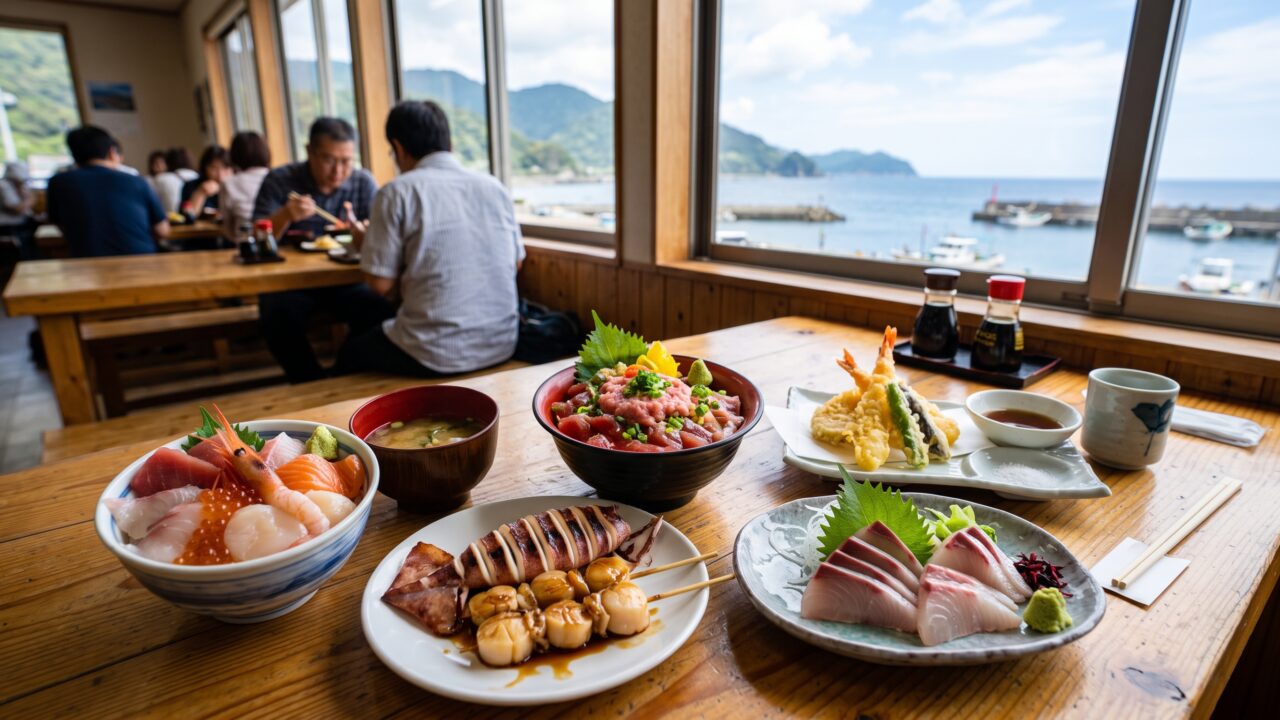
When most international travelers think of highway rest stops, they picture generic fast-food chains, lukewarm coffee, and uninspiring pre-packaged snacks. However, Japan has completely revolutionized the concept of the roadside break, transforming its Service Areas (SA) and Parking Areas (PA) into legitimate culinary destinations in their own right. Because the Japanese archipelago is surrounded by rich, diverse oceans and boasts a deep-rooted culture of regional culinary pride, the expressways that trace its coastlines offer incredible access to some of the freshest and most unique seafood in the world. Instead of settling for a bland burger, you can pull off the highway and indulge in pristine sushi, heaping bowls of seasonal sashimi over rice, and perfectly grilled local fish—all caught just hours before arriving on your plate. For adventurous foodies renting a car, mapping your journey around these coastal rest stops elevates a simple transit day into an unforgettable gastronomic adventure. This guide will introduce you to five absolute must-visit highway rest stops where the local seafood is so spectacular, it is worth planning your entire road trip around them.
Numazu SA (Shin-Tomei Expressway)
Located in Shizuoka Prefecture, the Numazu Service Area on the Shin-Tomei Expressway is arguably the crown jewel of highway seafood in Japan. Its strategic location near the famous Numazu Port, which faces the extraordinarily deep Suruga Bay, grants it unparalleled access to a staggering variety of deep-sea marine life and pristine coastal catches. The Shin-Tomei Expressway itself is a marvel of modern engineering, designed for smoother, faster travel than the older coastal Tomei route, but it is the culinary offerings at Numazu SA that truly make it a mandatory stop for anyone driving between Tokyo and Nagoya.
The Suruga Bay Seafood Bounty
The defining feature of Numazu SA’s seafood selection is its direct connection to the catches from Suruga Bay, Japan’s deepest bay. This unique geographical feature creates a habitat for species that are difficult to find anywhere else in the country, and the rest stop’s food court brings this bounty directly to highway travelers. The absolute star of the show here is the Sakura Ebi (cherry shrimp). These tiny, translucent pink shrimp are caught almost exclusively in Suruga Bay and are renowned for their delicate, sweet flavor and satisfyingly crisp texture. At the Numazu SA food court, you can find them served in a variety of mouth-watering ways, but they are perhaps best enjoyed as *kakiage*, a large, lacy tempura fritter served over a steaming bowl of rice or udon noodles. The crunch of the freshly fried Sakura Ebi combined with the savory broth is a quintessential Shizuoka experience.
Another local specialty that you must try is Shirasu (whitebait). These tiny, immature fish are incredibly delicate and spoil quickly, meaning they can only be eaten raw if they are exceptionally fresh. Because Numazu Port is just minutes away, the Shirasu served at the SA is often caught the very same morning. A *Shirasu-don*—a bowl of warm rice blanketed with a thick layer of either raw, translucent whitebait or lightly boiled, fluffy whitebait, topped with grated ginger and a splash of soy sauce—is a light, refreshing, and deeply flavorful meal. For the ultimate Suruga Bay experience, look for a “half-and-half” bowl that features both the crispy Sakura Ebi kakiage and the fresh raw Shirasu, allowing you to sample the two most famous local catches in a single, convenient meal without ever leaving the expressway. The juxtaposition of the hot, crunchy tempura against the cool, smooth raw fish creates a textural masterpiece that is hard to find even in dedicated city restaurants, let alone at a highway rest stop. This is a meal that truly embodies the concept of “local consumption of local production,” a philosophy deeply ingrained in Japanese culinary culture.
Premium Sushi on the Highway
While most highway rest stops focus on quick, casual dining, Numazu SA elevates the experience by offering a dedicated sushi restaurant that rivals many high-end establishments found in the city centers. This is not the pre-packaged, refrigerated sushi you might expect at a convenience store. The sushi chefs here prepare orders right in front of you, utilizing the premium cuts of fish brought in daily from the nearby port. The quality of the tuna (maguro), in particular, is exceptional, ranging from the lean, deep red *akami* to the rich, melt-in-your-mouth *otoro* (fatty tuna).
Because Numazu is a major hub for deep-sea fishing, you will also find unique, seasonal offerings on the menu that are rare elsewhere. Depending on the time of year, you might have the opportunity to try *kinmedai* (splendid alfonsino), a stunning red fish with a rich, fatty, and slightly sweet flavor profile that is highly prized in Japanese cuisine. The restaurant also frequently features *aji* (horse mackerel), caught locally and served with a dab of grated ginger and scallions to perfectly complement its rich, oily texture. While dining at this sushi counter will certainly cost more than grabbing a bowl of noodles in the main food court, the opportunity to enjoy true, chef-prepared sushi utilizing morning-fresh catches while looking out over the expressway is a uniquely luxurious Japanese travel experience that perfectly illustrates the high standards of the country’s Service Areas. It completely shatters the illusion that road trips necessitate a compromise on meal quality. The chefs take immense pride in their craft, ensuring that every piece of nigiri is formed with the same care and precision as it would be in a traditional Ginza sushi bar.
- Must-Eat Item: Sakura Ebi (Cherry Shrimp) Kakiage Tempura.
- Raw Specialty: Morning-caught raw Shirasu (Whitebait) over rice.
- Dining Style: Features both a massive food court and a premium sit-down sushi restaurant.
- Best Direction: The seafood offerings are exceptional on both the inbound and outbound sides.
Taga SA (Hokuriku Expressway)
If your road trip takes you toward the Sea of Japan coast, particularly through Shiga Prefecture or up towards Fukui and Ishikawa, the Taga Service Area on the Hokuriku Expressway is an essential waypoint. While Shiga Prefecture is landlocked (famous instead for the massive Lake Biwa), Taga SA serves as a crucial gateway to the Hokuriku region, an area legendary throughout Japan for producing some of the highest-quality, cold-water seafood in the country. The rest stop acts as a culinary preview of the coastal delights waiting further north, making it a spectacular place to stop for a meal.
A Gateway to the Sea of Japan
The seafood sourced from the Sea of Japan is generally characterized by a firmer texture and a richer, more concentrated fat content compared to catches from the warmer Pacific side. This is due to the harsh, cold currents that the fish must navigate. Taga SA leans heavily into this regional strength, offering travelers a chance to sample these premium cold-water varieties without having to detour to a coastal fish market. One of the standout dishes frequently available in the food court is the *Kaisendon* (seafood rice bowl), which is piled high with thick, generous cuts of seasonal sashimi.
During the winter months, the absolute highlight is the inclusion of *Buri* (yellowtail). The winter yellowtail, known as *Kan-buri*, is incredibly fatty and rich, melting in the mouth with a deeply savory flavor. It is a prized delicacy in the Hokuriku region, and finding it fresh and expertly prepared at a highway rest stop is a testament to Japan’s logistical efficiency. Another seasonal treat to look out for is the *Amaebi* (sweet shrimp). True to their name, these shrimp have a distinct, natural sweetness and a soft, almost creamy texture when eaten raw. A bowl of rice topped entirely with these bright red, sweet shrimp is a luxurious and highly sought-after highway meal. The contrast between the warm, subtly vinegared rice and the chilled, sweet shrimp is an absolute delight. Beyond just sashimi bowls, Taga SA also frequently features seasonal crab dishes during the winter, offering travelers a chance to taste the famous snow crabs of the region without having to navigate a bustling fish market. This accessibility to premium, seasonal ingredients elevates the rest stop from a mere convenience to a legitimate culinary destination that rivals many dedicated seafood restaurants. By offering these high-end options, Taga SA ensures that even drivers who are just passing through can experience the true, authentic flavors of the Hokuriku coast.
Exceptional Grilled Seafood Options
Not everyone prefers their seafood raw, and Taga SA caters to all tastes by offering an impressive array of freshly grilled seafood options. The highlight of the grilled menu is often the *Saba* (mackerel). The mackerel sourced from the nearby regions is famously fatty, and when grilled over an open flame, the skin becomes perfectly crisp while the flesh inside remains incredibly juicy and flavorful. Served simply with a side of grated daikon radish and a wedge of lemon to cut through the richness, it is a hearty, deeply satisfying meal that perfectly fuels a long day of driving.
You will also frequently find stalls or food court vendors offering grilled squid (*Ikayaki*). This is a classic Japanese festival food that translates perfectly to a highway snack. The squid is scored, glazed with a sweet and savory soy-based sauce, and grilled until tender but slightly chewy. It is often served whole on a stick, making it easy to eat if you prefer to take your food outside and enjoy the fresh air. The intoxicating smell of the soy sauce caramelizing on the hot grill is usually enough to draw you toward the vendor before you even realize you are hungry. The combination of high-quality, cold-water catches and expert grilling techniques makes Taga SA a standout destination for cooked seafood on the Hokuriku Expressway. In addition to squid, you might find grilled scallops served in their own massive shells, swimming in a bubbling broth of butter and soy sauce. These hot, savory options provide the perfect energy boost for continuing your long drive up the coast, proving that Japanese highway food is designed not just for sustenance, but for genuine culinary enjoyment.
| Service Area | Expressway | Famous Catch |
|---|---|---|
| Numazu SA | Shin-Tomei | Sakura Ebi, Shirasu |
| Taga SA | Hokuriku | Winter Yellowtail, Sweet Shrimp |
| Kudamatsu SA | Sanyo | Fugu (Blowfish) |
| Awaji SA | Kobe-Awaji-Naruto | Sea Bream, Octopus |
| Watarase PA | Tohoku | Local River Fish (Ayu) |
Kudamatsu SA (Sanyo Expressway)
Driving through the Chugoku region in western Japan via the Sanyo Expressway offers a completely different culinary landscape, heavily influenced by the calm, nutrient-rich waters of the Seto Inland Sea. Located in Yamaguchi Prefecture, the Kudamatsu Service Area is a prime example of this regional specialty. Yamaguchi is globally famous as the capital of *Fugu* (pufferfish or blowfish), and Kudamatsu SA embraces this dangerous delicacy, allowing highway travelers to safely sample one of Japan’s most notorious and expensive culinary exports right from the food court.
The Delicacy of Fugu (Blowfish)
Fugu is famous worldwide because its internal organs contain a lethal neurotoxin. In Japan, only highly trained and specially licensed chefs are legally permitted to prepare the fish, making it a luxurious and entirely safe dining experience when consumed at authorized establishments. It is remarkable that a highway rest stop offers this premium delicacy, making Kudamatsu SA a truly unique culinary destination. The most accessible way to try it here is usually in the form of *Fugu-sashi* (blowfish sashimi) or *Fugu-karaage* (deep-fried blowfish).
Fugu sashimi is sliced incredibly thin—so thin that the pattern of the plate is often visible through the translucent meat. It has a very subtle, clean flavor and a distinctly firm, slightly chewy texture that is completely unlike softer fish like salmon or tuna. It is typically served with *ponzu* (a citrus-soy sauce) and a dab of spicy grated daikon radish, which perfectly complements the delicate fish. If you prefer a cooked option, the Fugu-karaage is phenomenal. The meat near the bone is marinated, coated in potato starch, and fried to a crisp golden brown. It tastes somewhat like incredibly high-quality, dense chicken, with a rich, savory flavor that makes it a perfect, hearty highway meal. The fact that you can enjoy this heavily regulated and highly esteemed dish in the casual setting of a Service Area food court speaks volumes about the quality control and culinary pride inherent in the Japanese highway system. For many international tourists, checking Fugu off their bucket list is a major goal, and doing so while taking a break from driving the Sanyo Expressway is an incredibly efficient and memorable way to achieve it. It provides a fantastic story to share with friends back home, proving that Japanese rest stops are entirely unlike anything found elsewhere in the world. You will not find anything comparable on Western highways.
Savoring the Seto Inland Sea
Beyond the famous blowfish, Kudamatsu SA highlights the wider bounty of the Seto Inland Sea, an enclosed body of water known for its calm currents and distinct ecosystem. Because the waters are calmer than the open ocean, the seafood caught here often has a delicate, refined flavor profile. One of the regional highlights you can find here is *Madai* (red sea bream). Sea bream from the Seto Inland Sea is considered some of the best in the country, prized for its beautiful appearance and perfectly balanced, elegant flavor. It is often served simply as sashimi or lightly grilled with a touch of salt to let the natural quality of the fish shine through.
Another local favorite often featured at Kudamatsu is the *Anago* (conger eel). While similar in appearance to the more famous freshwater *Unagi*, the saltwater Anago has a much softer, fluffier texture and a slightly less oily, more refined flavor. It is typically simmered in a sweet soy broth until it is literally falling apart, then served over a bowl of hot rice. The delicate, melt-in-your-mouth texture of the eel combined with the sweet sauce is incredibly comforting, making it an ideal, warming meal if you are driving through the region on a rainy or chilly day. The Seto Inland Sea’s unique environment allows these eels to thrive, resulting in a product that is consistently tender and flavorful. Many travelers intentionally schedule their lunch stop at Kudamatsu SA specifically to enjoy this regional eel dish. When paired with a side of clear soup and some local pickles, it provides a perfectly balanced, deeply traditional Japanese meal that completely revitalizes you for the next leg of your journey along the southern coast. This commitment to highlighting regional strengths makes the Sanyo Expressway a true culinary highway. You can truly taste the local maritime heritage.
Awaji SA (Kobe-Awaji-Naruto Expressway)
The Awaji Service Area is not just a place to eat; it is a major tourist destination in its own right. Located on Awaji Island, this massive rest stop is positioned right at the end of the awe-inspiring Akashi Kaikyo Bridge—the longest suspension bridge in the world. The SA offers sweeping, panoramic views of the bridge, the ocean, and the city of Kobe in the distance. But the incredible scenery is matched only by the phenomenal seafood sourced directly from the fast-moving, tidal currents of the Akashi Strait, making it an absolute mandatory stop on any journey connecting Honshu to Shikoku.
The Power of Akashi Octopus
The Akashi Strait, which separates Awaji Island from the mainland, is famous for its extremely fast and powerful tidal currents. The seafood that survives in these waters has to be strong, resulting in meat that is incredibly firm, muscular, and flavorful. The undisputed king of these waters is the *Akashi-dako* (Akashi Octopus). Because they constantly fight the strong currents, these octopuses develop a wonderfully chewy, satisfying texture and a deep, concentrated umami flavor that is highly prized by chefs across Japan.
At Awaji SA, you can experience this famous octopus in several different ways. One of the most popular and accessible options is *Takomeshi*, a comforting dish where the octopus is chopped into small pieces and cooked directly with the rice in a light, savory broth. The rice absorbs all the rich flavor and color of the octopus, resulting in a deeply satisfying meal. You will also frequently find large, tender tentacles simply boiled and sliced, served with a side of soy sauce or a light citrus dressing. If you are just looking for a quick snack to eat while enjoying the view of the bridge, look for the food stalls selling freshly fried octopus karaage or large, perfectly spherical takoyaki filled with generous chunks of the local catch. The texture of the Akashi octopus is unlike anything you will find in standard supermarkets; it pushes back against your teeth with a satisfying crunch before yielding to a deeply savory, oceanic sweetness. Snacking on these octopus treats while standing on the observation deck, watching the massive ships navigate the swirling whirlpools of the strait below, is a truly iconic Japanese travel moment that perfectly blends sightseeing with exceptional local cuisine. The sheer power of the currents translates directly into the muscular texture of the octopus.
Premium Sea Bream and Onions
While the octopus is famous, the true luxury catch of the Akashi Strait is the *Tai* (Sea Bream). The sea bream caught in these fast-moving waters are known as *Akashi-dai* and are considered the absolute highest quality in Japan, frequently served at celebrations and high-end restaurants. The meat is exceptionally firm and has a beautiful, clean sweetness to it. At the larger restaurants within the Awaji SA complex, you can often find stunning Sea Bream sashimi or *Tai-meshi* (sea bream cooked in an earthen pot with rice), allowing you to experience this premium ingredient at a fraction of the cost of a high-end Tokyo restaurant.
Interestingly, Awaji Island is also universally famous throughout Japan for a non-seafood item: its onions. The Awaji onions are incredibly sweet, soft, and lack the sharp, pungent bite of regular onions. The culinary genius of Awaji SA is how they combine these two local specialties. You will frequently find dishes like Sea Bream carpaccio topped with massive mounds of thinly sliced, raw Awaji onions, dressed in a light vinaigrette. The sweet, crisp onions perfectly complement the firm, delicate fish, creating a refreshing and uniquely regional dish that beautifully showcases the best of both the island’s land and sea. In many cases, these dishes are accompanied by a bowl of hot miso soup made with locally produced miso and Wakame seaweed, rounding out the meal perfectly. The commitment to showcasing not just the seafood, but all the agricultural bounty of the island, makes dining at Awaji SA feel less like a pit stop and more like attending a miniature local food festival dedicated entirely to the flavors of the Seto Inland Sea region. It is a fantastic way to immerse yourself in the local culture before even leaving the highway. These fresh onions perfectly elevate the pristine seafood.
Watarase PA (Tohoku Expressway)
While the previous entries focus on ocean catches, a true exploration of Japanese regional seafood must include the country’s rich tradition of freshwater and river fish. For this, the Watarase Parking Area on the Tohoku Expressway in Tochigi Prefecture offers a completely different, yet equally spectacular, culinary experience. Located inland, surrounded by mountains and pristine rivers, this smaller, unassuming rest stop focuses entirely on the hyper-local river catches, offering a rustic and deeply traditional taste of the Japanese countryside.
The Tradition of Ayu (Sweetfish)
The undisputed star of the freshwater seafood scene in Japan is the *Ayu*, commonly translated as sweetfish. These fish live in only the cleanest, most pristine rivers, and their meat is famous for having a subtle, almost melon-like sweetness to it. Ayu is a deeply seasonal delicacy, heavily associated with the arrival of early summer in Japan. When you stop at Watarase PA during the warmer months, the primary attraction is the outdoor grilling station where fresh Ayu are prepared using traditional methods right before your eyes.
The classic preparation method is *Shioyaki* (salt-grilled). The whole fish is heavily salted, skewered on a long bamboo stick in a distinctive “swimming” wave shape, and then slow-grilled vertically around a central bed of hot charcoal. This traditional method ensures that the outside skin becomes incredibly crispy and blistered from the salt, while the inside meat steams in its own juices, remaining soft and flaky. You eat it right off the skewer, usually starting from the head, enjoying the contrast between the salty, bitter skin and the sweet, delicate white meat. It is a messy, rustic, and profoundly satisfying experience that perfectly captures the essence of a Japanese summer road trip. Watching the vendors expertly tend the charcoal fires and carefully rotate dozens of skewered fish is mesmerizing. The aroma of the roasting fish combined with the wood smoke completely transforms the atmosphere of the parking area, making you forget you are just a few meters away from a major high-speed expressway. This is traditional, slow food at its finest, served in the most unlikely of places, and it represents a stark contrast to the rapid pace of highway travel. The visual spectacle of the fish cooking slowly over open coals makes the eventual meal taste that much sweeter and more authentic.
River Trout and Rustic Noodles
If you visit Watarase PA outside of the summer Ayu season, the focus shifts to other excellent local river fish, primarily *Niji-masu* (Rainbow Trout) and *Iwana* (White-spotted Char). These fish thrive in the cold, fast-flowing mountain streams of the Tochigi region. Like the Ayu, they are often served salt-grilled on skewers, but you will also find them incorporated into more substantial meals in the indoor food court. A popular option is a hearty bowl of local soba (buckwheat noodles) topped with a sweet and savory glazed, slow-cooked river trout.
The combination of the earthy soba noodles, the rich, slightly sweet broth, and the tender, flaky river fish is the definition of Japanese comfort food. It is exactly the kind of meal you want after a long morning of driving through the mountains or exploring the nearby historical sites of Nikko. Watarase PA proves that you do not need to be on the coast to experience incredible, hyper-local seafood on a Japanese expressway. By highlighting the pristine river catches and traditional preparation methods of the region, it offers a culinary experience that is deeply tied to the surrounding landscape, turning a simple rest stop into a memorable cultural encounter. This focus on freshwater specialties ensures that even travelers who might not enjoy raw ocean fish can still participate in the rich tradition of regional Japanese seafood. The warm hospitality of the staff, combined with the incredibly fresh ingredients sourced from the nearby mountains, makes stopping here feel like visiting a local family-run diner rather than a generic roadside facility. It is a wonderful reminder that in Japan, great food can be found almost everywhere. The rustic charm of this mountain stop will likely become one of your fondest driving memories.
Conclusion
The highway Service Areas and Parking Areas of Japan completely redefine the concept of road trip dining. Instead of being viewed as a necessary inconvenience, these rest stops should be actively integrated into your travel itinerary as prime destinations for experiencing the country’s incredible culinary diversity. For the international tourist renting a car, the expressways offer unprecedented access to some of the freshest, highest-quality, and most strictly regional seafood available, often at prices significantly lower than you would find in the major urban centers. From the deep-water Sakura Ebi of Suruga Bay at Numazu SA to the traditionally grilled river sweetfish at Watarase PA, each stop tells a unique story about the geography and culture of the region you are driving through.
When planning your route, taking the time to research which Service Areas specialize in which local catches can transform a mundane transit day into a highlight of your vacation. Do not be afraid to skip the generic fast-food options and venture into the local specialty stalls or the sit-down restaurants within the SA complexes. The logistics of the Japanese highway system—especially when utilizing an ETC card for seamless travel and discounted tolls—make hopping between these culinary hubs incredibly efficient. By treating the highway rest stops as legitimate dining destinations rather than just places to use the restroom, you unlock a hidden layer of Japanese food culture, ensuring that your road trip is as satisfying to your palate as the scenery is to your eyes. The journey between cities becomes just as delicious and memorable as the destinations themselves. Embrace the adventure, try a fish you have never heard of, and allow the incredible culinary standards of the Japanese expressway system to surprise and delight you at every stop along your route. You will quickly discover that driving in Japan offers a gastronomic journey completely unique in the world.