Akagi Kogen SA on the Kan-Etsu Expressway: Tasting Gunma Pork with Highland Mountain Views
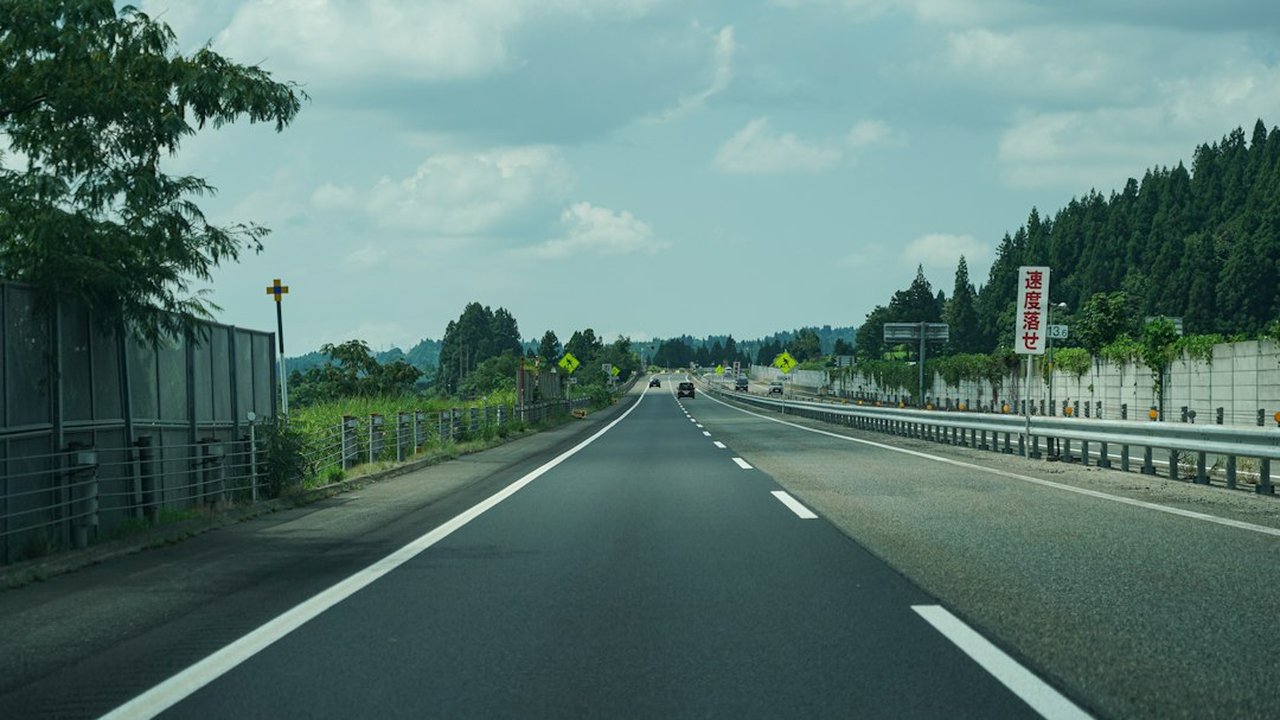
Positioned on the scenic plateau slopes beneath Mount Akagi in central Gunma Prefecture, Akagi Kogen SA on the Kan-Etsu Expressway is one of the most breathtaking and operationally vital highway service areas in eastern Japan. Located at kilometer post 111.3, this elevated rest facility sits at an altitude of approximately 450 meters above sea level, providing crisp alpine air and wide panoramas of the surrounding mountain ranges.
For international rental car travelers journeying between Tokyo and the ski resorts of Niigata, Akagi Kogen SA serves two equally critical purposes: it provides an open-air terrace where you can savor Gunma agricultural specialties like Joshu pork and fresh highland dairy, and it operates as your absolute final 24-hour highway refueling station before traversing the formidable 11-kilometer Kan-Etsu Tunnel.
| Facility Amenity | Akagi Kogen SA Outbound (Down / Niigata-bound) | Akagi Kogen SA Inbound (Up / Tokyo-bound) |
|---|---|---|
| Location (Kilometer Post) | KP 111.3 km from Nerima IC | KP 111.3 km (Tokyo direction) |
| Standard Passenger Car Parking | 112 standard parking stalls | 145 standard parking stalls |
| Heavy Truck / Bus Parking | 38 commercial vehicle stalls | 36 commercial vehicle stalls |
| Driver Highland Scenic Rating | 4.9 / 5.0 (Sweeping Tanigawa views & morning unkai) | 4.7 / 5.0 (Mount Akagi panorama & garden terrace) |
| Driver Fuel Strategy Rating | 5.0 / 5.0 (Absolute final 24h fuel before 72.9km gap) | 4.6 / 5.0 (Reliable post-tunnel fuel supply) |
| Driver Quiet Sleep Rating | 3.8 / 5.0 (Cool mountain air; select stalls near tree line) | 3.9 / 5.0 (Highland breeze; choose western rows) |
| Smart IC Availability | NONE (Nearest is Showa IC or Numata IC) | NONE (Nearest is Numata IC or Showa IC) |
| Observation Terrace | Panoramic wooden deck (Mt. Tanigawa views) | Highland garden terrace (Mt. Akagi views) |
| 24-Hour Fuel Station | ENEOS (Self & Full service available) | Cosmo Oil (24-hour service) |
| EV Rapid Charging Station | 1 CHAdeMO fast charger (40 kW output) | 1 CHAdeMO fast charger (40 kW output) |
| Dining Hall Operating Hours | 24 hours (Noodle counter 24h, specialty 7 AM–9 PM) | 24 hours (Ramen & soba round-the-clock) |
| Fresh Farm Market | Showa Village Fresh Vegetable Market (9 AM–5 PM) | Local Gunma Konjac & Fruit Market (9 AM–5 PM) |
| Signature Specialty Dish | Akagi Porco Roast Pork Donburi | Joshu Mugi-buta Tonkatsu & Milk Soft Cream |
The Alpine Observation Terraces: Spectacular Mountain Panoramas
Unlike service areas located on the flat urban plains of Saitama, Akagi Kogen SA is carved directly into the foothills of the volcanic Akagi mountain massif. The facility takes full advantage of its elevated topography by offering open-air observation decks with sweeping 180-degree vistas.
Viewing Mount Tanigawa, Mount Haruna, and the Mikuni Ridge
Stepping out onto the wooden observation deck of the Outbound service area reveals an expansive geographical vista. Looking northward across the Tone River valley, you can admire the jagged snowcapped crests of Mount Tanigawa and the distant Mikuni mountain chain. To the west, the symmetric volcanic profile of Mount Haruna, immortalized in Japanese automotive manga culture, dominates the horizon.
The outdoor viewing platform is fitted with bilingual interpretive plaques outlining each visible peak and its exact altitude. Wooden picnic benches and sun umbrellas are scattered along the lawn perimeter, allowing drivers to step out of their air-conditioned rental cars and breathe in clean, pine-scented highland air.
During early autumn (October and November), the surrounding slopes display striking gold and crimson foliage, making Akagi Kogen SA a premier photographic pit stop along the expressway. For scenic drive ideas across the region, explore our itinerary for the Tokyo to Niigata drive on the Kan-Etsu Expressway.
During the early morning hours in late autumn and spring, a meteorological phenomenon known as unkai (sea of clouds) frequently forms in the valley beneath the rest stop. Watching the morning sun illuminate a blanket of white clouds drifting beneath the mountain peaks is one of the most rewarding visual experiences available on any Japanese toll road.
Keep your camera ready on clear mornings between 6:00 AM and 8:00 AM. As the sunlight strikes the drifting cloud layers, the contrast against the dark mountain ridges creates breathtaking photo opportunities right from the rest area terrace.
- Morning Unkai (Sea of Clouds): Best viewed between 6:00 AM and 8:00 AM from the Outbound terrace in October and November.
- Snow Mountain Vistas: Mount Tanigawa’s dramatic snow wall is visible from mid-December through April.
- Autumn Foliage: Peak leaf colors carpet the plateau hillsides throughout late October.
- Highland Air: Temperatures are typically 3 to 5 degrees Celsius cooler here than in Tokyo.
Outdoor Lawn Areas and Forest Walking Paths
Long highway road trips can leave passengers feeling stiff and mentally fatigued. Akagi Kogen SA provides a dedicated green nature trail meandering through a small grove of birch and mountain larch trees on the southern edge of the property. The walking trail is paved with textured interlocking brick to prevent slipping and features several artistic wooden sculptures crafted by local Gunma wood artisans.
Taking a 10-minute stroll through this wooded path helps restore mental focus, stimulates blood circulation in your legs, and relieves lower-back fatigue caused by extended stints behind the steering wheel. Benches are positioned along the trail beneath shady tree canopies, providing a quiet environment away from the hum of passing highway trucks.
While this service area does not host a formal fenced dog run, the expansive grassy lawn borders are popular with travelers exercising leashed pets. Pet owners are required to keep animals on a secure leash at all times, clean up any pet waste using the outdoor disposal stations, and refrain from bringing animals inside the indoor food halls or retail pavilions.
If you plan to take a brief 1-hour rest nap in your car, choose stalls near the outer tree line to avoid the persistent rumble of heavy transport trucks idling in the main parking lane. The natural shade of the trees also keeps vehicle cabins cooler on warm summer afternoons.
Tasting Premium Gunma Pork: Akagi Porco and Joshu Cutlets
Gunma Prefecture is recognized across Japan as a major center of livestock agriculture, renowned for breeding high-quality pork raised on mineral-rich mountain water and nutritious grain feeds. Akagi Kogen SA functions as a primary dining showcase for these regional meats.
Savoring the Signature Akagi Porco Roast Pork Donburi
The culinary centerpiece of Akagi Kogen SA Outbound is a regional specialty pork breed marketed under the brand name Akagi Porco. Raised in the clean air and cool climate of Mount Akagi’s foothills, this pork is celebrated for its fine muscle texture, clean fat profile, and naturally sweet finish.
The head chef at the main dining counter utilizes this pork to craft the acclaimed Akagi Porco Roast Pork Donburi. Thinly cut slices of prime pork loin are seasoned with cracked black pepper and rock salt, gently roasted to retain moisture, and arranged in an overlapping pattern over a mound of warm Japanese rice.
The meat is drizzled with a savory garlic-onion soy glaze and topped with a fresh raw egg yolk sourced from nearby free-range poultry farms. If you prefer not to consume raw egg, you can request the kitchen staff to omit the egg yolk or substitute a hot soft-poached onsen egg upon handing in your meal ticket.
For travelers who prefer crispy fried textures, the Joshu Pork Tonkatsu Set provides an enormous 200-gram pork cutlet coated in coarse panko and fried until crisp. Served with shredded local cabbage, spicy yellow karashi mustard, and dark sesame tonkatsu sauce, this meal delivers the caloric sustenance needed for cold winter skiing sessions. For more roadside dining recommendations, browse our guide to where to eat authentic regional meats at Japanese service areas.
- Akagi Porco Roast Pork Donburi: Roasted Gunma pork slices with garlic soy glaze and farm egg yolk.
- Joshu Mugi-buta Katsu Curry: Crispy pork cutlet served over rich, mildly spiced Japanese beef curry.
- Gunma Pork & Miso Ramen: Hot noodle soup topped with stir-fried pork strips and mountain mushrooms.
- 24-Hour Noodle Service: Soba and udon noodle counters remain open all night long.
Highland Dairy Sweets: Rich Soft Serve and Fresh Milk Pastries
No stopover at Akagi Kogen SA is complete without sampling the regional dairy products produced in Showa Village and the surrounding alpine pastures. The dedicated dessert counter serves a rich Highland Milk Soft Serve (Kogen Soft Cream) made with 100% unpasteurized local cow milk. The soft cream boasts a pronounced milky flavor with a clean finish that never feels cloying.
Seasonally, the kitchen combines this classic milk soft cream with locally harvested fruits. In late summer and autumn, you can order a soft cream sundae garnished with compote made from crisp Numata apples, sweet blueberries, or white peaches. If you have a passion for sweet travel rewards, review our popular ranking of highway rest stops with the best regional soft serve ice cream in Japan.
Additionally, the bakery counter stocks fresh-baked milk butter scones, cream buns stuffed with local custard, and rich cheesecake tarts packaged in individual chilled pouches that can be kept in your rental car’s cup holder for mid-afternoon treats.
For visitors traveling with children, grab a seat on the outdoor terrace benches so the kids can enjoy their ice cream swirls without worrying about melting drips on rental car seats.
The Showa Village Fresh Farmers Market: Farm-to-Table Highway Shopping
Showa Village, where the service area is situated, is designated as one of “The Most Beautiful Villages in Japan” and is one of the nation’s premier vegetable-producing hamlets. Akagi Kogen SA hosts an authentic farmers market right on the highway plaza.
Browsing Farm-Fresh Vegetables, Mountain Konjac, and Seasonal Fruit
Every morning, local farmers from Showa Village deliver freshly harvested seasonal produce to the open-air market stalls outside the main building. Visitors can purchase crisp highland lettuce, giant sweet daikon radishes, fragrant shiitake mushrooms, and ripe heirloom tomatoes at prices lower than downtown Tokyo supermarkets.
Even if you cannot cook raw vegetables in a hotel room, watching Japanese drivers load their trunks with fresh farm produce offers a wonderful glimpse into local food culture. Gunma Prefecture produces over 90% of Japan’s domestic Konjac (konnyaku), a gelatinous root vegetable celebrated for its high fiber and low calorie count.
At Akagi Kogen SA, you can purchase authentic handmade sashimi konjac, which is sliced paper-thin and eaten chilled with sweet vinegared miso sauce (sumiso). The stall also sells warm skewered miso-dengaku, which consists of steaming triangles of dark konjac simmered in dashi and slathered with sweet caramelized brown miso paste, costing just 150 yen per skewer.
If you enjoy discovering agricultural treasures during your road trips, make sure to read our curated travel guide highlighting the top rest stops for farm-fresh Japanese fruits and seasonal produce. Note that the outdoor vegetable market operates between 9:00 AM and 5:00 PM; evening travelers will find the stalls closed, although boxed local treats remain available in the indoor gift shop.
Yaki-Manju: Gunma’s Historic Grilled Miso Buns
One of the most authentic street food items available at the outdoor snack stalls of Akagi Kogen SA is Yaki-Manju. Unlike the dense, bean-filled manju found in Tokyo, traditional Gunma yaki-manju consists of fluffy steamed buns made from wheat flour and fermented rice koji.
Four buns are threaded onto a long bamboo skewer, toasted over glowing charcoal grates until the exterior develops a delicate crust, and repeatedly basted with a thick, glossy sauce made from brown sugar, sweet mirin, and fermented dark miso.
Eating a freshly grilled yaki-manju is a memorable sensory experience. The exterior crackles with caramelized sugar and savory fermented miso, while the interior remains as soft as freshly baked bread. Take care when eating, as the sweet miso glaze tends to drip; grab several paper napkins and wet wipes from the counter before returning to your car to avoid staining vehicle upholstery.
Boxes of souvenir yaki-manju containing unglazed steamed buns and vacuum-sealed bottles of the sweet miso dipping sauce can be purchased in the indoor gift boutique, allowing you to recreate this Gunma street delicacy in your self-catering holiday apartment or chalet.
The Final 24-Hour Fuel Stop Before the Kan-Etsu Tunnel
From an operational and safety standpoint, Akagi Kogen SA is one of the most critical logistical checkpoints on the entire Kan-Etsu Expressway corridor. Missing this rest stop can lead to severe roadside emergencies.
Why Outbound Drivers Must Check Fuel Gauges at Kilometer Post 111
Many international drivers assume that expressway gas stations appear every 15 or 20 kilometers throughout Japan. On the Kan-Etsu Expressway Outbound lane, this assumption can result in disaster. Akagi Kogen SA is the absolute last 24-hour gas station before crossing the Mikuni mountain range.
Past Akagi Kogen SA, the remaining rest stops on the Gunma side, including Shimokawa PA, Minakami IC area, and Tanigawadake PA, have no gas stations whatsoever. Once you pass Akagi Kogen SA, you must drive approximately 72.9 kilometers, through steep mountain climbs, the 11-kilometer Kan-Etsu Tunnel, and into Niigata Prefecture, before reaching the next available highway gas station at Echigo-Kawaguchi SA.
If your fuel gauge is below one-third of a tank when approaching kilometer post 111, pull immediately into the Akagi Kogen SA ENEOS fuel station and fill your tank to full capacity. If you need step-by-step guidance on fueling protocols, review our detailed guide on how to refuel at Japanese highway gas stations.
Running out of fuel on an expressway, especially inside an 11-kilometer tunnel or during a sub-zero winter blizzard, is dangerous and illegal under Japanese traffic law. Police and NEXCO emergency towing services will assess substantial emergency fees, and your rental car insurance policy may refuse coverage for preventable roadside negligence. Note that Akagi Kogen SA does not have a Smart IC; you cannot exit the expressway directly from this facility to locate local town pumps.
- 72.9 km Fuel Gap Ahead: Next Outbound 24-hour gas station is Echigo-Kawaguchi SA in Niigata.
- One-Third Tank Rule: Always top up if your fuel tank indicates one-third or less before entering the mountain pass.
- Nozzle Colors: Select “Regular” (red nozzle) unless your rental agreement explicitly mandates Diesel or Premium.
- No Smart IC: Remember that Akagi Kogen SA does not have a Smart IC; you cannot exit to local roads here.
EV Fast Charging Infrastructure on the Plateau
Electric vehicle drivers face identical altitude challenges. Climbing from the flat Kanto plain up to the 450-meter elevation of Akagi Kogen SA, followed by the continuous ascent toward the tunnel portal at 680 meters, drains lithium-ion battery capacity at an accelerated rate.
The Outbound side of Akagi Kogen SA provides a single 40 kW CHAdeMO rapid charger located near the front of the main building. Because there is only one charging bay on the Outbound lane, high-demand ski weekends can see EV queues. If you arrive and find an electric vehicle already plugged in, check the charger’s digital screen to see the remaining session time.
Standard etiquette allows a maximum charging session of 30 minutes. Use that interval to enjoy a hot coffee or stretch your legs at the observation deck. To master long-distance EV travel tactics across Japan, read our comprehensive overview of EV travel in Japan and expressway charging stations.
On the Inbound (Tokyo-bound) side, an identical 40 kW CHAdeMO fast charger is available. Drivers descending from the snowy mountains of Niigata frequently use this charger to top up their battery before entering the heavy traffic patterns of suburban Saitama.
Winter Altitude Safety, Parking Realities, and Rest Etiquette
Perched at an elevation of 450 meters, Akagi Kogen SA experiences severe weather shifts that catch unprepared drivers off guard. Planning your stop with weather precautions ensures a secure rest experience.
Managing Sub-Zero Mountain Road Conditions and Freezing Pavement
During the months between late November and April, temperatures at Akagi Kogen SA regularly fall below freezing, especially during overnight hours and early mornings. Even if the highway pavement leading up from Maebashi or Shibukawa was wet from light rain, the asphalt at kilometer post 111 frequently transitions into treacherous black ice.
As you decelerate on the exit ramp into Akagi Kogen SA, decrease your vehicle speed gently and avoid sudden, aggressive braking maneuvers. Always inspect the physical condition of your rental vehicle before stepping away.
In winter conditions, remember to raise both front windshield wiper arms upright into their standing position. Leaving the rubber wiper blades flush against the glass can cause them to freeze solid to the windshield within 30 minutes, damaging the motor when you restart the car. Inspect your headlamps and taillights to wipe away any crust of dirty road grime or slush thrown up by freight trucks.
Inside the atrium, check the electronic weather guidance screens operated by NEXCO East. These displays reveal real-time road surface temperatures, wind speeds through the valley, and upcoming tire inspection checkpoints near Minakami. Taking three minutes to confirm road status prepares you for the conditions waiting on the far side of Mount Akagi.
Commercial Truck Buffer Zones and Overnight Napping Etiquette
The parking facility at Akagi Kogen SA accommodates both standard passenger automobiles and long-haul commercial tractor-trailers. Due to the high elevation and cold winds, heavy transport trucks frequently keep their large diesel engines idling continuously throughout the night to power in-cab heaters and refrigeration compressors. The constant low-frequency thrum and diesel exhaust fumes can quickly disrupt a restful nap.
If you intend to take a short 1- to 2-hour rest nap in your rental car to combat driving exhaustion, choose parking stalls in the rows closest to the landscaped tree line or observation promenade. This location provides a physical buffer from the heavy freight stalls, resulting in cleaner air and significantly quieter rest conditions.
Make sure your vehicle doors are locked, keep your hazard flashers off while parked, and do not leave interior dome lights burning, which could drain your 12-volt starter battery.
NEXCO regulations strictly permit temporary resting naps (kamin) inside vehicles to prevent dangerous highway drowsiness. However, setting up external camping gear, folding tables, or cooking stoves in the parking bays is strictly illegal. Maintain courtesy toward fellow travelers, and use the 24-hour heated indoor restrooms and hot beverage vending machines to refresh yourself before resuming your trip.
Conclusion
Akagi Kogen SA on the Kan-Etsu Expressway is an exemplary highway rest area that harmonizes natural mountain beauty with top-tier culinary offerings and vital driving logistics. Its lofty vantage point on the slopes of Mount Akagi turns an ordinary travel pause into an uplifting alpine experience, giving international road trippers a breathtaking view of Japan’s rugged central topography.
From the exquisite flavors of locally sourced Akagi Porco roast pork bowls and velvety highland milk soft cream to the rustic charm of fresh Showa Village produce and grilled yaki-manju, this service area showcases the rich agricultural pride of Gunma Prefecture. More importantly, respecting its position as your final 24-hour fuel station before the daunting 11-kilometer Kan-Etsu Tunnel ensures that your journey into the snow country remains safe, seamless, and completely stress-free.
Whether you are climbing north into the powder snow of Yuzawa or heading south toward the sprawling lights of Tokyo, make Akagi Kogen SA a designated pillar of your driving itinerary. Verify your fuel needle at kilometer post 111, take five minutes to breathe the mountain air from the observation deck, and savor the exceptional regional produce of Gunma as you navigate Japan’s scenic mountain expressway.