Echigo-Kawaguchi SA: Scenic Shinano River Views and Local Rice Feasts on the Kan-Etsu Expressway
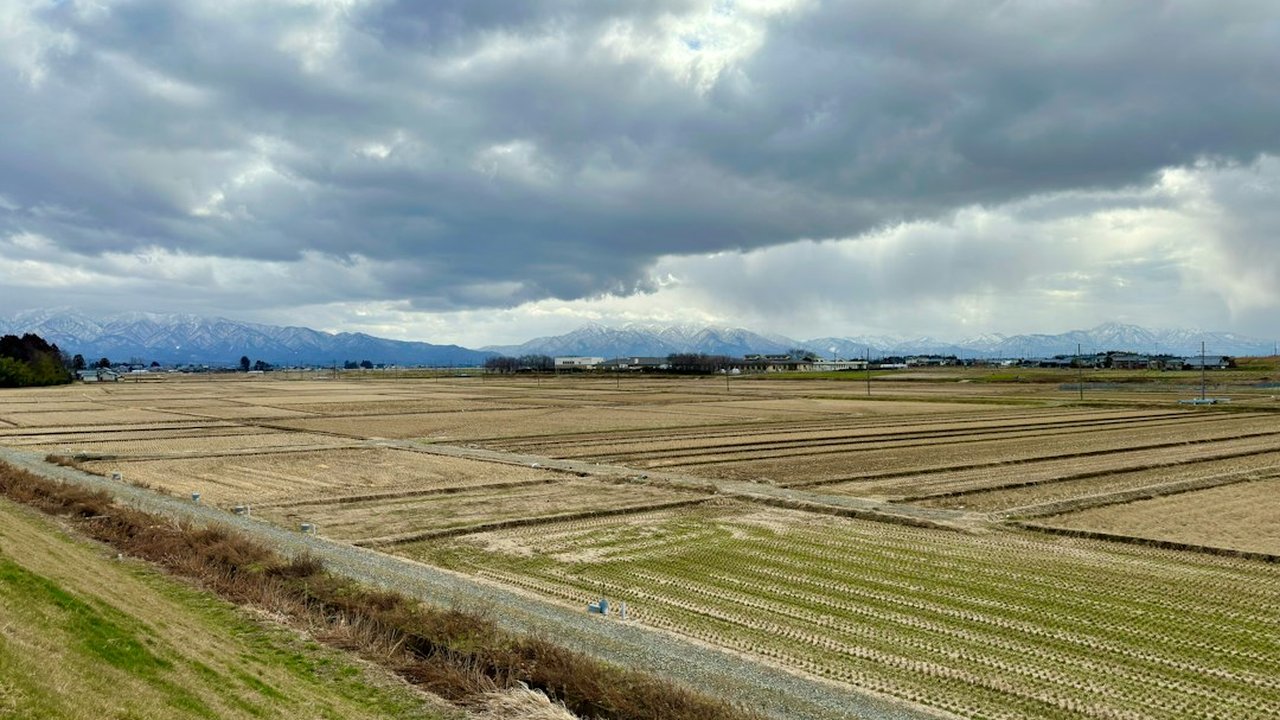
Positioned on a high river bluff overlooking the majestic Shinano River in southern Niigata Prefecture, Echigo-Kawaguchi SA on the Kan-Etsu Expressway is one of the most scenic and culinarily rich rest areas in northern Japan. Located at kilometer post 184.2, this expansive service area serves as the premier northern outpost of the expressway before reaching Nagaoka Junction, which connects to Sea of Japan coastal highways.
For international road trippers driving rental cars through the heart of Japan’s rice and ski country, Echigo-Kawaguchi SA is an unmissable destination. Here, you can stand on an elevated panoramic observation deck admiring Japan’s longest river winding through alpine valleys, while inside the food court, you can dine on authentic freshly harvested Uonuma Koshihikari rice and traditional Niigata Hegi Soba noodles.
| Facility Feature | Echigo-Kawaguchi SA Outbound (Down / Niigata-bound) | Echigo-Kawaguchi SA Inbound (Up / Tokyo-bound) |
|---|---|---|
| Location (Kilometer Post) | KP 184.2 km from Nerima IC | KP 184.2 km (Tokyo direction) |
| Standard Passenger Car Parking | 96 standard parking stalls | 138 standard parking stalls |
| Heavy Truck / Bus Parking | 28 commercial vehicle stalls | 34 commercial vehicle stalls |
| Driver Quiet Nap Rating | 4.5 / 5.0 (Quiet bluff terrace; select outer parking rows) | 4.4 / 5.0 (Peaceful mountain air; sheltered perimeter) |
| Driver Snow Staging Rating | 4.8 / 5.0 (Automated melting pipes & 24h fuel station) | 4.7 / 5.0 (24h fuel & direct Smart IC to onsen baths) |
| Family & Nursery Rating | 4.4 / 5.0 (Spacious nursing room & hot water dispenser) | 4.4 / 5.0 (Clean diaper changing stations & barrier-free) |
| Observation Vantage Point | Shinano River Panoramic Bluff Terrace | River Valley & Mountain Range Observation Deck |
| 24-Hour Fuel Station | ENEOS (Self & Full service available) | Idemitsu Apollostation (24 hours) |
| EV Rapid Charging Station | 1 CHAdeMO fast charger (40 kW output) | 1 CHAdeMO fast charger (40 kW output) |
| Smart IC Vehicle Limits | ETC only (Full 24h, vehicles up to 12.0m) | ETC only (Full 24h, vehicles up to 12.0m) |
| Winter Snow Countermeasures | Heated pavement & water sprinkler pipes | Automated warm water sprinkler snow melters |
| Pedestrian Inter-Facility Walk | Strictly impossible (No connecting path) | Strictly impossible (No connecting path) |
| Signature Regional Gourmet | Uonuma Koshihikari Rice Bowls & Hegi Soba | Nagaoka Ginger Soy Ramen & Grilled Salmon Bento |
The Shinano River Bluff Observation Deck and Panoramic Terraces
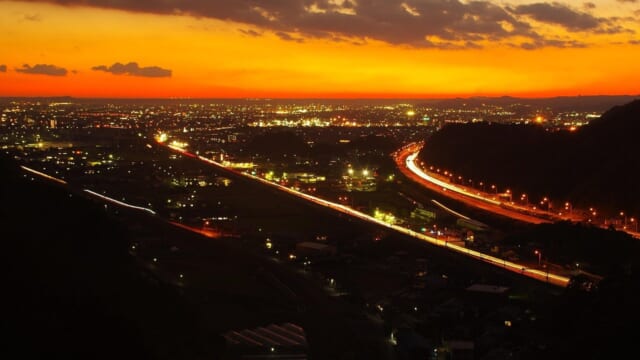
Echigo-Kawaguchi SA is built atop a massive fluvial terrace carved out over millennia by the Shinano River (Shinano-gawa), which stretches 367 kilometers as Japan’s longest waterway. The service area features dedicated viewing platforms designed specifically to showcase this natural spectacle.
Admiring Japan’s Longest River and the Surrounding Valley
The outdoor observation deck on the Outbound grounds provides an unobstructed, high-angle vista looking down into the expansive river bend where the Uono River merges into the Shinano River. The sheer scale of the water system, flanked by terraced emerald-green rice paddies and surrounded by the peaks of the Echigo mountain range, offers a striking visual contrast to the dense metropolitan expressways of Tokyo.
Bilingual informational plaques placed along the safety guardrail explain the geological history of the river terraces and point out regional landmarks, including the distant snowfields of Mount Naeba and the historic railway bridges carrying the JR Joetsu Line. Free mounted high-power optical binoculars allow visitors to zoom in on drifting river boats, waterfowl colonies, and traditional wooden farmhouses positioned along the riverbanks.
Visiting during different seasons offers dramatically distinct landscapes. In mid-May, the flooded rice paddies across the river basin reflect the blue sky like giant mirrors. In late September, the valley transforms into a sea of shimmering golden rice ready for harvest, while during winter, the entire landscape is draped in deep white snow with dark river water carving a dramatic path through the ice. For road trippers who love discovering magnificent natural sights, check our guide to spectacular observation decks and scenic highway viewpoints.
Keep in mind that early morning winter drives can bring dense river valley fog (kawa-giri) that temporarily obscures the view below. If you arrive to find a blanket of white mist, grab a warm beverage inside and wait 20 minutes, as the rising sun routinely burns through the valley inversion layer to reveal the grand waterway.
- Golden Hour Sunsets: The setting sun reflects off the wide curves of the Shinano River between 5:30 PM and 6:30 PM in late spring and summer.
- Late September Harvest: Marvel at the boundless golden sea of ripe Uonuma Koshihikari rice paddies across the valley floor.
- Mid-Winter Snowscape: Pristine alpine snow contrasts against the dark river currents beneath crisp blue skies.
- Free Optical Scopes: High-power optical scopes are installed free of charge along the safety railing.
Outdoor Landscaped Gardens and Fresh Mountain Air
Surrounding the viewing deck is a landscaped garden filled with native Niigata flora, including dwarf maples, hydrangeas, and alpine mosses. Stone pathways wind around wooden rest gazebos where travelers can relax with cold beverages purchased from the nearby kiosks. The cool, clean mountain air blowing up from the river canyon acts as an immediate revitalizing tonic for drivers experiencing highway fatigue.
Taking a deliberate 15-minute walking pause through these gardens provides essential physical rejuvenation. Stepping completely away from the vehicle helps reset visual depth perception and relieves cardiovascular tension built up during high-speed expressway travel. For travelers interested in expanding their scenic road trip itineraries through this region, explore our detailed itinerary on the Tokyo to Niigata drive on the Kan-Etsu Expressway.
The facility also features a shaded wooden pavilion designated as a rest veranda. Sitting here while listening to the distant rustle of the river valley is a peaceful antidote to the continuous rumble of automotive engines. The open grounds accommodate leashed companion pets, making this a comfortable walking stop before entering the urban fringes of Nagaoka and Niigata City.
Rest areas with expansive green perimeters require strict environmental mindfulness. Visitors must carry all personal rubbish to the indoor sorting stations. Never discard cigarette butts, beverage cups, or paper wrappers in the garden beds or over the observation cliff rail, as strong valley updrafts can scatter litter across protected wildlife habitats below.
Tasting Japan’s Premier Rice: The Uonuma Koshihikari Feast
Echigo-Kawaguchi SA is located directly within the historic Uonuma agricultural region, the undisputed epicenter of premium short-grain rice in Japan. For food lovers, dining here is an absolute pilgrimage.
Why Uonuma Koshihikari Rice Commands Legendary Status
In Japan, rice is not merely a side dish; it is the fundamental heart of culinary culture. Among hundreds of regional rice cultivars, Uonuma Koshihikari consistently commands the highest commercial prices and is awarded the coveted “Special A” quality rating year after year. The unique geography of the Uonuma river basin, characterized by mineral-dense melted snow water flowing down from the Tanigawa mountain peaks, fertile alluvial soil, and extreme temperature variations between hot summer days and chilly mountain nights, forces the rice plants to concentrate sugars and starch into each plump grain.
At Echigo-Kawaguchi SA, the restaurant kitchen treats this grain with reverence. Rice is freshly polished in small batches and cooked in high-end induction steam kettles using soft local mountain spring water. The cooked grains possess a luminous pearl-like sheen, an intoxicatingly sweet aroma, and a distinctive, pillowy yet firm chew (koshi) that retains its flavor even as it cools. Tasting a plain mouthful of this rice without any sauce or seasoning immediately reveals why Japanese gourmets revere the Uonuma harvest.
The headline menu item is the Uonuma Rice & Grilled Salmon Teishoku. Thick fillets of wild Japanese salmon (sake) are lightly salted and grilled over open flame until the skin crackles and releases fragrant oils, served with a steaming bowl of Koshihikari rice, homemade miso soup, and pickled seasonal vegetables. For more insight into regional culinary excellence along the toll road network, see our curated guide on authentic local cuisine at Japanese rest stops.
For a quick, mess-free travel meal, the snack counter also serves freshly hand-pressed Shio-Musubi (pure salted rice balls). These simple onigiri let you experience the unadorned sweetness of pristine Koshihikari grains seasoned only with coarse Sea of Japan mineral salt. They are easy to pack back into your vehicle for afternoon snacking.
- Uonuma Koshihikari Salmon Set Meal: Flame-grilled salty salmon paired with freshly steamed premium rice.
- Tare-Katsudon Niigata Style: Thinly pounded crispy pork cutlets dipped in sweet soy glaze over a rice bowl.
- Handmade Shio-Musubi: Pure, plain salted rice balls highlighting the natural sweetness of fresh harvest rice.
- Nagaoka Ginger Soy Ramen (Inbound): Rich dark soy broth infused with grated ginger to warm your body.
Niigata Hegi Soba Noodles and Nagaoka Ginger Ramen
Another regional culinary treasure served at the dining hall is Hegi Soba. Originating in the neighboring Uonuma and Tokamachi districts, Hegi Soba is a distinctive style of buckwheat noodle bound together using funori, a wild red seaweed harvested along the Sea of Japan coast. The addition of funori seaweed imparts a subtle greenish tint to the noodles and yields an extraordinarily smooth, slippery texture and springy bite that standard wheat-bound soba cannot replicate.
The noodles are chilled in ice water and arranged in neat, bite-sized wavy bundles inside a flat, rectangular cedar serving tray called a hegi. While traditional city noodle shops often require ordering a massive wooden tray for two to three people, Echigo-Kawaguchi SA conveniently serves individual single-portion sets. Dipping a bundle into the savory, bonito-infused dashi broth with a pinch of grated wasabi and chopped scallions provides an immensely refreshing meal, especially during warm summer drives.
On the Inbound (Tokyo-bound) side, drivers can also savor Nagaoka Ginger Soy Ramen (Nagaoka Shoga Shoyu Ramen), one of Niigata’s official four great ramen styles. The dark pork-and-chicken bone broth is infused with generous amounts of freshly crushed mountain ginger. The sharp ginger aroma cuts through the savory fat and creates a gentle, warming glow in your chest, making it the premier cold-weather driving comfort food.
Keep in mind that the rich ginger soy broth carries a high sodium content designed to replenish winter physical exertion. If you drink the savory broth down to the bottom of the bowl, remember to purchase an extra bottle of unsweetened green tea or water from the vending machines to stay comfortably hydrated during your drive.
Winter Snow Countermeasures: Surviving the Deep Snow Country
Echigo-Kawaguchi SA is located in one of the heaviest snowfall zones in the world, where annual cumulative winter snowfall frequently exceeds 10 to 12 meters. Managing a rental car in this extreme alpine climate demands a clear understanding of the facility’s winter systems.
Navigating Underground Melting Sprinklers and Rust Water Stains
When entering the parking lot of Echigo-Kawaguchi SA between December and March, international travelers are often startled to see hundreds of small water jets spraying continuous streams of water across the asphalt. These are Shosetsu Pipes (snow-melting sprinkler pipes), a regional Niigata engineering innovation that pumps warm subterranean well water (roughly 13°C) across the road surface to melt snow instantly upon contact.
While these sprinklers prevent heavy snow from piling up in the driving corridors, they present specific challenges for rental car drivers. The roadway will be covered in several centimeters of running slush and water. Drive slowly (under 15 km/h) to avoid spraying standing water over pedestrians walking to the main building. Furthermore, because Niigata groundwater contains natural iron deposits, the water sprayed from these nozzles often has a reddish-brown tint.
Driving quickly through puddles can coat white rental cars and your trousers in rusty water stains that are difficult to wash out. If your rental car picks up heavy brown road film, you can quickly rinse the side panels at the service station car wash bay before returning the vehicle to Tokyo to avoid cosmetic cleaning disputes.
Never step out of your vehicle wearing ordinary running shoes or cloth sneakers in winter. The slush around the stalls can be ankle-deep, and sub-surface black ice can form in areas where warm sprinkler water does not reach. Always wear waterproof winter boots with aggressive rubber tread. For essential winter road safety and tire requirements, consult our comprehensive briefing on winter highway driving in Japan: snow tires, chains, and crucial safety tips.
- Expect Running Slush: Automated warm-water sprinklers spray continuous streams across parking lanes.
- Drive Below 15 km/h: Prevents reddish iron water from splashing pedestrians and staining rental car paint.
- Erect Windshield Wipers: Pull wiper blades upright when parked to prevent freezing solid to glass.
- Exhaust Pipe Clearance: Never leave engine idling if heavy snow is accumulating around your tailpipe.
Clearing Snow Piles, Windshield Maintenance, and Exhaust Hazards
During heavy blizzards, snow can accumulate on a parked rental car at a rate of 5 to 10 centimeters per hour. If you stop at Echigo-Kawaguchi SA for a leisurely 45-minute meal, you may return to find your vehicle covered in a thick blanket of heavy, wet snow. Never attempt to use your car’s windshield wipers to sweep away heavy, frozen snow piles; doing so can burn out the wiper motor or snap the fragile rubber wiper blades, incurring costly damage charges from your rental agency.
Always inspect the trunk of your rental car upon picking it up in Tokyo or Niigata to ensure it contains a long-handled plastic snow brush and ice scraper (Yuki-kaki). Use the brush to thoroughly clear snow from your car’s roof, hood, rear window, and all exterior lighting clusters before departing. Snow left on the roof will slide forward over your windshield during sudden braking, completely blocking your forward vision at highway speeds.
If you plan to take a short nap in your car to recover from highway fatigue, park in stalls clear of snow removal machinery corridors, crack a window slightly for ventilation, and never leave your engine idling if snow is piling up around the exhaust tailpipe. A blocked exhaust pipe forces toxic, odorless carbon monoxide gas into the cabin, which can cause fatal poisoning in minutes. Be sure to review our survival instructions on what to do if your rental car breaks down on a Japanese expressway.
Remember that while short resting naps inside your car are encouraged to combat driving fatigue, overnight vehicle camping, pitching tents on lawn areas, or using portable gas stoves is strictly forbidden by expressway authorities.
Fuel Logistics, Cold Diesel Additives, and EV Charging Performance
Beyond its scenic and gastronomic attractions, Echigo-Kawaguchi SA is an essential operational hub offering 24-hour fuel and high-output electric vehicle charging in deep snow territory.
24-Hour Fuel Stations and Cold-Region Winter Diesel
For drivers who navigated the Kan-Etsu Tunnel from Gunma without refueling at Akagi Kogen SA, Echigo-Kawaguchi SA represents the first 24-hour expressway gas station on the Niigata side. The Outbound facility features an ENEOS station offering self-service and attendant-service pumps, while the Inbound facility operates a 24-hour Idemitsu Apollostation. Fueling up here ensures you have plenty of fuel to reach coastal destinations like Niigata City, Sado Island ferry terminals, or Yahiko Shrine.
Remember that winter temperatures in Niigata cause diesel fuel to gel if it was pumped in warm southern areas like Tokyo. Gas stations in Niigata automatically dispense specialized “Cold Region Diesel” (Keiyu Grade 3 or Special 3) formulated with anti-gelling additives that remain liquid at temperatures as low as minus 20 degrees Celsius. If you are driving a diesel rental SUV or van from Tokyo, ensure you top up with local winter diesel at Echigo-Kawaguchi SA before parking overnight at mountain ski chalets. For refueling fundamentals, review our tutorial on how to refuel at Japanese highway gas stations.
Both the Inbound and Outbound facilities host a 40 kW CHAdeMO EV fast charger. The stalls are cleared of snow regularly by dedicated maintenance crews, ensuring clear access even during active winter storms. Electric vehicle drivers can complete a standard 30-minute top-up session while browsing the souvenir shop or enjoying a bowl of soba. For comprehensive details on Japanese EV travel networks, explore our guide to EV travel in Japan and highway charging stations.
Always verify your payment terminal before initiating charging; stations accept e-Mobility Power (eMP) cards as well as visitor credit card activation via mobile smartphone QR codes.
Managing EV Battery Range Drops in Sub-Zero Snowstorms
Driving an electric rental vehicle through winter Niigata requires conservative battery management. Low ambient temperatures significantly reduce electrochemical battery efficiency, while cabin heating systems consume substantial electrical power continuously. An EV displaying a theoretical 250-kilometer range in Tokyo may deliver only 150 kilometers under winter highway conditions with heaters running.
When charging at Echigo-Kawaguchi SA, do not rely on rapid chargers to reach 100% capacity; fast-charging speeds taper sharply once battery levels reach 80% to protect the cells from degradation. Charging up to 80% in 30 minutes provides the optimal balance of speed and range. If other EV motorists are waiting in line behind you, respect standard Japanese road etiquette by disconnecting promptly when your 30-minute timer expires.
Before resuming your drive, check your vehicle’s tire pressure monitor if equipped. Cold air causes tire pressure to drop, which increases rolling resistance and further reduces EV range. Proper inflation ensures your winter studless tires maintain optimal grip across snow-covered expressway lanes.
If you encounter charging errors in heavy blizzards, check the charging connector port for packed snow or ice build-up before plugging in. Brushing snow off the vehicle connector prevents short-circuit detection faults.
Smart IC Mechanics: Direct Access to Kawaguchi Onsen Sunplaza
Echigo-Kawaguchi SA is integrated with an automated Smart Interchange that provides a convenient gateway to regional hot springs and scenic local towns.
ETC Operating Requirements and Gate Protocol
Echigo-Kawaguchi SA is equipped with an integrated Smart Interchange (Smart IC) on both the Inbound and Outbound ramps, operating 24 hours daily for all standard and large ETC-equipped vehicles up to 12.0 meters. This ETC-only exit allows drivers to peel off the expressway directly into Kawaguchi town without driving through conventional toll booths. To use this Smart IC, your rental vehicle must be equipped with an active in-vehicle ETC unit and a valid ETC card inserted correctly.
As you approach the toll barrier, decelerate to a complete stop directly in front of the gate sensor. Wait approximately three seconds for the optical scanner to read your card and open the mechanical arm. Never attempt to pass through the Smart IC using cash or a standard credit card, as there are no human attendants stationed at the gate. For a comprehensive walkthrough of ETC gates, read our guide on understanding smart interchanges and ETC-only exits.
If the gate fails to open or your ETC card is rejected, do not reverse your vehicle on the ramp. Remain stopped, push the yellow call intercom button beside the scanner post, and state clearly: “ETC card ga arimasen” or explain your issue in basic English. A highway operator will assist you remotely to reset the gate or verify your payment status.
Always check your ETC in-vehicle card reader status light before exiting the highway. A solid green LED confirms active communication, while a red light indicates an unread card that will fail at the toll barrier.
Detouring to Echigo-Kawaguchi Onsen Resort Sunplaza
Exiting via the Smart IC provides instant access to Echigo-Kawaguchi Onsen Resort Sunplaza, situated merely 5 minutes (less than 2 kilometers) from the highway ramp. Perched atop the river bluff, this premier day-use hot spring facility features therapeutic mineral baths rich in sodium chloride, resulting in amber-colored geothermal waters that deeply warm your body and soothe highway fatigue. Sunplaza operates from 10:00 AM to 9:00 PM (closed Tuesdays, or the following weekday if Tuesday is a national holiday).
Sunplaza features spectacular outdoor open-air baths (rotenburo) overlooking the grand curves of the Shinano River and surrounding snow peaks. Visitors can also enjoy spacious dry saunas, cold plunge pools, and traditional tatami relaxation lounges. Rental towels and amenities are available at the front desk, making it completely effortless for international travelers without advance reservations.
After enjoying a rejuvenating soak in the geothermal waters, you can easily re-enter the Kan-Etsu Expressway through the same Smart IC ramp and resume your drive toward Nagaoka or Tokyo refreshed and alert. This quick onsen detour adds tremendous luxury to a long highway journey without requiring an overnight hotel reservation.
Be aware that arriving on a Tuesday will result in locked doors due to the weekly maintenance schedule. If your road trip falls on a Tuesday, plan your hot spring breaks further south in Yuzawa or north in Nagaoka City.
Conclusion
Echigo-Kawaguchi SA on the Kan-Etsu Expressway represents the very best of northern Japanese highway hospitality. Its spectacular natural vantage point above the grand Shinano River transforms a standard driving pause into an inspiring sightseeing experience, allowing international travelers to appreciate the vast agricultural beauty of Niigata Prefecture.
Inside the warm, welcoming dining facilities, the opportunity to savor authentic freshly harvested Uonuma Koshihikari rice, paired with flame-grilled wild salmon or silky, seaweed-infused Hegi Soba noodles and spicy Nagaoka ginger ramen, provides an unforgettable culinary education. By mastering the winter challenges of snow-melting sprinkler pipes, maintaining vehicle visibility, and utilizing the convenient 24-hour fuel stations and Smart IC hot spring access, you can ensure that your road trip through the snow country is safe, deeply fulfilling, and thoroughly memorable.
Whether you are traveling toward the Sea of Japan coast or returning south toward Tokyo after a ski adventure in Yuzawa, make Echigo-Kawaguchi SA your chosen rest sanctuary. Take time to breathe in the crisp valley air from the observation deck, protect your rental car against winter elements, and indulge in the finest short-grain rice in all of Japan as you continue your journey across the scenic Kan-Etsu corridor.