Shiozawa-Ishiuchi SA: Essential Winter Driving and Snow Safety on the Kan-Etsu Expressway
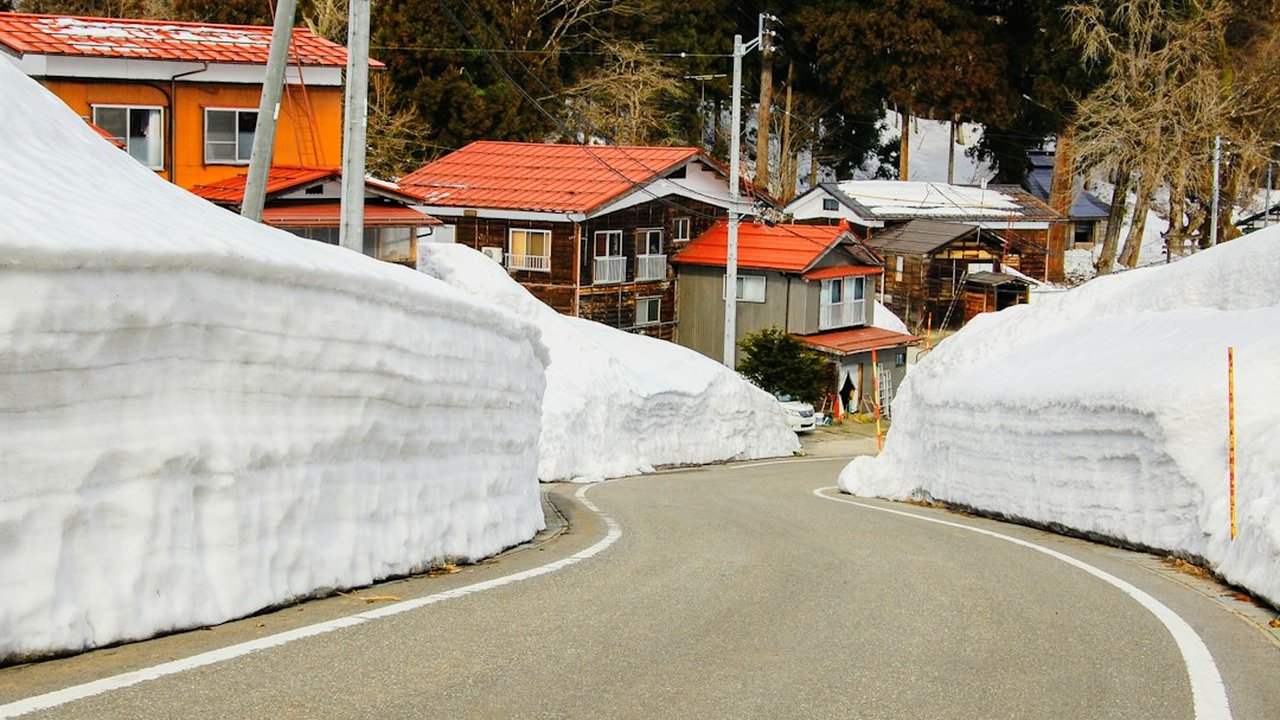
Situated in the heart of Japan’s legendary “Snow Country” in Minamiuonuma City, Niigata Prefecture, Shiozawa-Ishiuchi SA on the Kan-Etsu Expressway is one of the most operationally vital rest areas for winter sports enthusiasts and long-distance road trippers. Located at kilometer post 160.2, this facility sits in a wide alpine basin surrounded by world-class ski resorts, including Ishiuchi Maruyama, Gala Yuzawa, and Naeba, providing an essential mountain refuge when alpine weather turns treacherous.
For international travelers operating a rental car during the winter months, Shiozawa-Ishiuchi SA functions as both a winter survival staging post and an introduction to the rich culinary traditions of Niigata’s rice capital. However, it also possesses unique infrastructural traits, most notably the complete absence of an on-site gas station despite its “Service Area” designation, that require rigorous preparation.
This guide outlines everything you need to know about winter road safety, vehicle maintenance, and regional dining at this snowy mountain stop.
| Facility Characteristic | Shiozawa-Ishiuchi SA Outbound (Down / Niigata-bound) | Shiozawa-Ishiuchi SA Inbound (Up / Tokyo-bound) |
|---|---|---|
| Location (Kilometer Post) | KP 160.2 km from Nerima IC | KP 160.2 km (Tokyo direction) |
| Standard Passenger Car Parking | 84 standard parking stalls | 96 standard parking stalls |
| Heavy Truck / Bus Parking | 32 commercial vehicle stalls | 30 commercial vehicle stalls |
| Driver Snow Survival Rating | 4.8 / 5.0 (Floodlit chain bays & 24h heated facilities) | 4.7 / 5.0 (Safe refuge before Kan-Etsu Tunnel) |
| Driver Quiet Nap Rating | 3.5 / 5.0 (Severe CO poisoning hazard if snow buries pipe) | 3.4 / 5.0 (Snowplow engine noise during active storms) |
| Gas Station Availability | NONE (Refuel at Akagi Kogen or Echigo-Kawaguchi) | NONE (Refuel at Echigo-Kawaguchi SA prior) |
| Smart IC Availability | NONE (Must exit at regular Shiozawa-Ishiuchi IC) | NONE (Must exit at regular Shiozawa-Ishiuchi IC) |
| Tire Chain Fitting Bays | Floodlit chain installation apron with drainage | Dedicated chain removal & inspection area |
| Convenience Store & Dining | Daily Yamazaki (24h convenience kiosk & bakery) | 24-hour convenience store & hot dining counter |
| EV Rapid Charging Station | 1 CHAdeMO fast charger (40 kW output) | 1 CHAdeMO fast charger (40 kW output) |
| Pedestrian Inter-Facility Walk | Strictly impossible (No connecting path) | Strictly impossible (No connecting path) |
| Signature Local Gourmet | Minamiuonuma Koshihikari Onigiri & Sasa Dango | Local Mountain Mushroom Miso Soup & Bakudan Onigiri |
The Crucial Fuel Trap: Why Shiozawa-Ishiuchi SA Has No Gas Station
One of the most dangerous misconceptions held by international drivers on Japanese toll roads is assuming that every facility designated as a “Service Area (SA)” operates a 24-hour gasoline station. Shiozawa-Ishiuchi SA is one of the rare and perilous exceptions to this rule.
Understanding the Highway Designation Exception
In standard Japanese expressway terminology, a Service Area (SA) typically features extensive dining halls, sprawling parking facilities, and full-service gas stations, while a Parking Area (PA) is smaller and often lacks fuel concessions. However, Shiozawa-Ishiuchi SA was historically constructed as a primary rest stop for ski traffic and freight transit without an integrated fuel station.
Despite its official SA status, there are zero gasoline pumps on either the Inbound or Outbound facilities. This distinction is critical because unaware drivers frequently push their fuel gauges to empty assuming a Service Area will solve their needs.
If you are driving Outbound from Tokyo and passed Akagi Kogen SA (KP 111.3) without refueling, you are already deep in the rugged mountain passes. Arriving at Shiozawa-Ishiuchi SA with an illuminated low-fuel indicator leaves you with very few choices.
You must continue driving another 24.0 kilometers northward through potential blizzard conditions to reach the next highway gas station at Echigo-Kawaguchi SA (KP 184.2), or exit the highway at the nearby Shiozawa-Ishiuchi Interchange (IC) to search for a local town gas station along Route 17. For a clear understanding of facility categories across Japan, check our Japan highway service areas guide: SA vs PA.
Exiting the highway at Shiozawa-Ishiuchi IC without an ETC card will require settling your toll up to that point. If your rental package includes an ETC card, exiting to refuel and re-entering the highway is straightforward, though you may forfeit long-distance toll discounts. Note that Shiozawa-Ishiuchi SA does not have a Smart IC; to exit the expressway, you must use the standard Shiozawa-Ishiuchi IC located approximately 2 kilometers away.
- Zero Highway Fuel Pumps: No gas station exists on either Outbound or Inbound grounds of this Service Area.
- Next Outbound Fuel Gap: The nearest Outbound highway fuel is Echigo-Kawaguchi SA, 24.0 kilometers north.
- Next Inbound Fuel Gap: The nearest Inbound highway fuel toward Tokyo is Akagi Kogen SA, 48.9 kilometers south across the mountain tunnel.
- No Smart IC Facility: Shiozawa-Ishiuchi SA does not feature an exit gate; you cannot leave the expressway directly from this parking lot.
Winter Diesel Fuel Gelling Risks for Rental Cars from Tokyo
If your rental vehicle is a diesel-powered SUV, passenger van, or wagon picked up in central Tokyo or near Haneda and Narita airports, you face a serious chemical hazard known as “diesel fuel gelling.” Diesel fuel dispensed in Tokyo during winter is typically rated as Grade 2, formulated for mild coastal temperatures where freezing rarely drops below minus 5 degrees Celsius.
However, winter overnight temperatures in the Minamiuonuma basin around Shiozawa-Ishiuchi SA frequently drop to minus 10 or minus 15 degrees Celsius. In these sub-zero conditions, standard Tokyo diesel fuel will crystallize into a thick, waxy gel that clogs fuel filters and injector lines, completely incapacitating the vehicle’s engine.
If you leave your rental car parked overnight at a local ski resort with a full tank of Tokyo diesel, it will not start the following morning, requiring an expensive tow to a heated garage. For complete refueling guidance, review our tutorial on how to refuel at Japanese highway gas stations.
To avoid this situation, arrive in the snow country with roughly one-third of a tank of Tokyo diesel. Then, immediately top up the remainder of your tank with local “Cold Region Diesel” (Keiyu Grade 3 or Special 3) dispensed at regional gas stations in Niigata, which contains anti-gelling additives effective down to minus 20 degrees Celsius. Diluting your coastal diesel with high-ratio alpine diesel ensures smooth morning engine ignition throughout your winter holiday.
Winter Road Safety Protocols and Tire Chain Installation Bays
Minamiuonuma receives some of the heaviest annual snowfalls on the planet, with storms regularly dropping 50 to 80 centimeters of fresh snow within a single 24-hour cycle. Shiozawa-Ishiuchi SA serves as the primary chain installation and inspection terminal for the entire valley corridor.
Using the Floodlit Chain Fitting Apron
During intense blizzards, highway authorities frequently enact emergency “Chain Restrictions” (Kekki-kisei). Under these orders, all vehicles, including four-wheel-drive rental SUVs fitted with studless winter tires, are legally prohibited from continuing along the expressway unless physical tire chains are affixed to the drive wheels.
Shiozawa-Ishiuchi SA features an expansive, level concrete apron engineered specifically for chain installation. The bay is illuminated by towering stadium floodlights to guarantee clear nighttime visibility and has active snowmelt drainage channels built into the pavement.
When entering the chain bay, bring your vehicle to a complete stop, engage the emergency handbrake, and leave your vehicle’s hazard warning lights flashing. Inspect your rental car’s drive configuration carefully: front-wheel-drive cars require chains on the front tires, rear-wheel-drive cars require chains on the rear tires, and all-wheel-drive vehicles must follow the specific manufacturer guidelines printed inside the owner’s manual. To understand the legal differences between winter setups, read our comprehensive analysis on snow tires versus tire chains for rental cars in Japan.
Never install chains with bare hands, as freezing slush and sub-zero metal will cause rapid numbness and skin damage. Always carry insulated, waterproof rubberized work gloves in your cabin. After affixing the chains, drive forward 10 to 15 meters within the rest area parking bay, stop again, and re-tighten the rubber tension bands to ensure the links do not flap against the vehicle bodywork. Obey the strict 50 km/h speed limit while driving with tire chains attached to prevent mechanical failure.
- Axle Verification: Identify whether your rental car is FWD, RWD, or AWD before fitting chains to the drive axle.
- Thermal Hand Protection: Wear heavy waterproof winter work gloves to protect hands from frostbite and numbness.
- Strict 50 km/h Speed Cap: Strictly obey the 50 km/h maximum speed limit when driving with tire chains fitted.
- Designated Removal Bays: Remove chains only in designated chain removal bays once road restrictions are lifted.
Surviving Whiteout Blizzards and Highway Snowdrifts
Driving on the Kan-Etsu Expressway around Minamiuonuma during active winter storms can expose drivers to “whiteout” conditions, where airborne powder snow and blowing wind eliminate visual horizon references. If you find yourself in a blinding storm where visibility drops below 20 meters, do not slam on your brakes in the travel lane.
Instead, decelerate smoothly, activate your hazard flashers, and look for the yellow LED road-edge guidance delineator poles installed along the highway barrier. Guide your vehicle into the deceleration ramp of Shiozawa-Ishiuchi SA to wait out the storm safely.
Remaining stationary inside a safe, well-lit rest area with heated public facilities is far safer than creeping along an icy highway where heavy tractor-trailers struggle to stop. For comprehensive emergency tactics, consult our guide on winter highway driving in Japan: safety tips and snow survival.
Check the indoor NEXCO electronic highway bulletin boards regularly. The screens display real-time highway radar maps, showing when the heaviest snow bands are expected to pass and whether upcoming highway sections are open or temporarily closed for snow-clearing plows. Staying patient inside the heated atrium prevents dangerous highway strandings.
Critical Rental Car Winter Maintenance and Parking Precautions
Operating a vehicle in deep snow requires specific mechanical precautions that travelers from warm climates rarely consider. Failing to follow these steps can cause severe damage to your rental vehicle or create life-threatening emergencies.
The Windshield Wiper Rule: Why You Must Lift Wipers Upright
Whenever you park your rental car at Shiozawa-Ishiuchi SA during winter, even for a brief 20-minute meal break, you must physically pull both front windshield wiper arms away from the glass into the vertical upright position (wiper wo tateru). If you leave wiper blades resting flat against the windshield in freezing temperatures, melting snow running down the glass will freeze into a solid sheet of ice around the rubber blades.
When you return to your vehicle and turn on the ignition, the car’s automatic wiper sensors may engage immediately. If the rubber blades are frozen solid to the glass, the electric wiper motor will tear the delicate rubber strips off the frame or burn out the wiper drive motor entirely.
Replacing a broken wiper motor in Japan costs between 30,000 and 50,000 yen, an expense your rental insurance may classify as customer negligence. Furthermore, heavy wet snow piling up on flat wipers can bend the steel wiper linkage arms under sheer weight.
Before lowering your upright wipers back onto the glass when departing, ensure the windshield has been completely cleared of ice using your defroster and a plastic ice scraper. Never pour boiling hot water onto a frozen windshield, because the extreme thermal shock will instantly shatter the tempered automotive glass.
- Erect Windshield Wipers: Always pull wiper arms into the upright vertical position to prevent blades freezing to glass.
- Avoid Frozen Handbrakes: Avoid setting the mechanical handbrake if parking overnight in sub-zero weather; use “P” gear with wheel chocks.
- Internal Snow Tool Storage: Keep an ice scraper and snow brush inside the passenger cabin, not locked in the trunk.
- Clear All Vehicle Lights: Clear packed snow from all headlights, taillights, reversing cameras, and the vehicle roof before leaving.
Carbon Monoxide Hazards: Keeping the Exhaust Pipe Clear of Snow
If you choose to rest or nap inside your rental vehicle at Shiozawa-Ishiuchi SA while keeping the engine running for heater warmth, you must understand the danger of Carbon Monoxide (CO) poisoning. During heavy, wind-driven snowstorms, accumulating snow can quickly bury the rear bumper and completely block your vehicle’s exhaust tailpipe in as little as 30 to 45 minutes.
When the exhaust pipe is obstructed by snow, colorless, odorless exhaust gases are forced back underneath the vehicle chassis and seep into the passenger cabin through air ventilation ducts and door seals. Inhaling concentrated carbon monoxide can cause unconsciousness and fatal asphyxiation within minutes without the sleeping occupants ever waking up.
To understand the safety rules of highway car camping, review our manual on sleeping in your car in Japan: rules, manners, and safe rest stops.
If you must sleep inside your car, it is safer to turn the engine off and bundle up in heavy down sleeping bags or winter blankets. If you must run the engine for intermittent heating, crack one window down by one centimeter for fresh cross-ventilation, set a timer on your smartphone to check the tailpipe every 30 minutes, and shovel all snow away from the rear bumper area.
Savoring Minamiuonuma Rice and Local Snow Country Delicacies
Minamiuonuma City is universally revered throughout Japan as the agricultural heartland of the finest short-grain rice in the country. Shiozawa-Ishiuchi SA provides an exceptional opportunity to taste freshly harvested Koshihikari rice in its purest, most delicious culinary forms.
Fresh Handmade Koshihikari Onigiri and Daily Yamazaki Convenience
Inside the facility’s 24-hour Daily Yamazaki convenience store and food counter, the main attraction is a dedicated showcase of freshly prepared Minamiuonuma Koshihikari Onigiri (rice balls). Unlike machine-molded convenience store onigiri wrapped in plastic sheets, these rice balls are prepared each morning using rice harvested from neighboring hillside paddies irrigated with pure Mount Echigo-Komagatake snowmelt.
The rice grains are noticeably plump, glossy, and glistening with natural moisture. The store also sells massive “Bakudan Onigiri” (giant bomb rice balls) packed with multiple fillings like salmon, mentaiko, and tuna mayonnaise.
The rice balls are lightly seasoned with Sea of Japan salt and stuffed with classic Niigata fillings: salty grilled salmon flakes (sake), tangy local pickled mountain plums (umeboshi), or savory simmered sweet walnuts with miso (kurumi miso). Biting into one of these rice balls while the steam still rises from the center reveals a natural sweetness that makes you appreciate why Japanese epicures prize Uonuma rice above all others.
For travelers who love sampling authentic local foods along the highway, explore our curated list of best highway rest stops for regional bento boxes and drive-in lunches. Each onigiri is wrapped in crisp, toasted nori seaweed and costs between 220 and 280 yen, making it an ideal road fuel choice.
- Minamiuonuma Shio-Musubi: Pure salted rice balls showcasing the natural sweetness of the local harvest.
- Kinoko Jiru (Mushroom Soup): Piping-hot miso soup packed with fresh local maitake and nameko mushrooms.
- Sasa Dango: Mugwort-infused rice cakes filled with sweet red bean paste and wrapped in bamboo leaves.
- Daily Yamazaki Bakery: Freshly baked morning breads and hot snack warmers open 24 hours.
Kinoko Jiru: Warming Mountain Mushroom Miso Soup and Sasa Dango
To accompany your rice balls, the dining counter serves steaming bowls of Kinoko Jiru (wild mountain mushroom miso soup). The surrounding mountains of Minamiuonuma are famous for cultivating exceptional maitake, nameko, and enoki mushrooms. The soup is simmered in a rich dashi broth made from dried bonito flakes and kombu kelp, combined with robust Niigata red miso, hearty chunks of daikon radish, and generous handfuls of freshly harvested mushrooms.
The natural texture from the mushrooms gives the broth a comforting body that warms cold travelers and soothes tired throats after hours of driving in sub-zero alpine conditions. A bowl of Kinoko Jiru costs roughly 400 yen and represents one of the healthiest comfort foods available along the entire Kan-Etsu Expressway corridor.
Before leaving the retail boutique, do not miss picking up a bundle of authentic Sasa Dango. These historic Niigata confections consist of chewy, jade-green mochi pounded with wild mugwort herb, filled with sweetened crushed red azuki bean paste, and tied securely inside fresh bamboo grass leaves with natural rush strings. Steaming them for a few minutes in your ski lodge creates an aromatic sweet treat that evokes the traditional culinary spirit of old Japan.
EV Rapid Charging and Parking Logistics in Sub-Zero Weather
Managing an electric rental vehicle in sub-zero alpine valleys requires technical awareness of battery charging rates and parking patterns.
CHAdeMO EV Fast Charging Performance in Cold Climates
Both the Inbound and Outbound facilities of Shiozawa-Ishiuchi SA host a single 40 kW CHAdeMO rapid charging station. In winter conditions, electric vehicle drivers must recognize that lithium-ion battery acceptance drops markedly when pack temperatures fall near freezing.
A rapid charger capable of delivering 40 kW under summer conditions may only deliver 20 to 25 kW to a cold battery pack during winter. To maximize charging speeds, navigate to the charger immediately upon pulling off the highway while your vehicle’s battery pack remains warm from continuous driving.
Do not let the vehicle sit parked in freezing winds before initiating your charge. Furthermore, standard expressway etiquette applies: limit your session to a maximum of 30 minutes, especially on snowy weekends when other electric motorists are depending on the station to reach their mountain lodgings. For an overview of charging card systems, consult our guide to EV travel in Japan and highway electric vehicle charging.
If you find the charger occupied or encounter reduced output, keep in mind that the next Inbound charger is located across the mountain pass at Tanigawadake PA Inbound (40 kW), while Outbound drivers will find fast chargers at Echigo-Kawaguchi SA.
Parking Apron Snow Plow Coordination and Walking Safety
During active snowstorms, heavy yellow rotary snowblowers and wheeled plows circulate continuously across the Shiozawa-Ishiuchi SA parking lot. These heavy machines operate with limited operator blind spots.
When navigating your rental car through the lot, maintain a minimum buffer of 15 meters from active plows and never attempt to overtake a snow removal vehicle while it is clearing a lane. Park strictly within marked stalls where snow has been pushed clear.
Stepping out into uncleared snowbanks can submerge your boots in deep, freezing slush. Watch your footing carefully along the building walkway; while heated pavement prevents ice along the main entrance, transitional zones often develop slippery black ice. Hold vehicle door handles securely to prevent sudden gusts from whipping doors into adjacent cars. For comprehensive parking advice, see our tutorial on navigating Japanese highway service area parking.
Always double-check that your headlamps are switched off before entering the convenience store to avoid draining your vehicle’s 12-volt battery in freezing temperatures.
Conclusion
Shiozawa-Ishiuchi SA on the Kan-Etsu Expressway is an indispensable high-alpine mountain sanctuary that demands respect, preparation, and appreciation from international road trippers. While its position in the heart of Niigata’s snow country makes it an essential gateway to major ski resorts, its winter environment requires strict attention to vehicular safety.
By understanding that this Service Area does not offer on-site fuel pumps, verifying that your vehicle is filled with cold-region diesel and proper winter tires, and adhering to critical precautions like lifting windshield wipers and guarding against carbon monoxide hazards, you can navigate the deep snow country with complete peace of mind. Combine this safety diligence with the pleasure of tasting genuine Minamiuonuma Koshihikari rice balls and piping-hot mushroom soup, and Shiozawa-Ishiuchi SA will become one of the most memorable stops of your entire Japanese winter road trip.
Whether you are arriving for early morning powder snow at Gala Yuzawa or heading back south toward Tokyo after a weekend in the Alps, keep these vital survival rules in mind. Check the highway weather monitors, prepare your vehicle for harsh conditions, and enjoy the authentic alpine hospitality of Niigata’s snow country as you travel safely along the Kan-Etsu corridor.