Kamisato SA Guide: The Strategic Pit Stop on the Kan-Etsu Expressway Before Dividing to Nagano
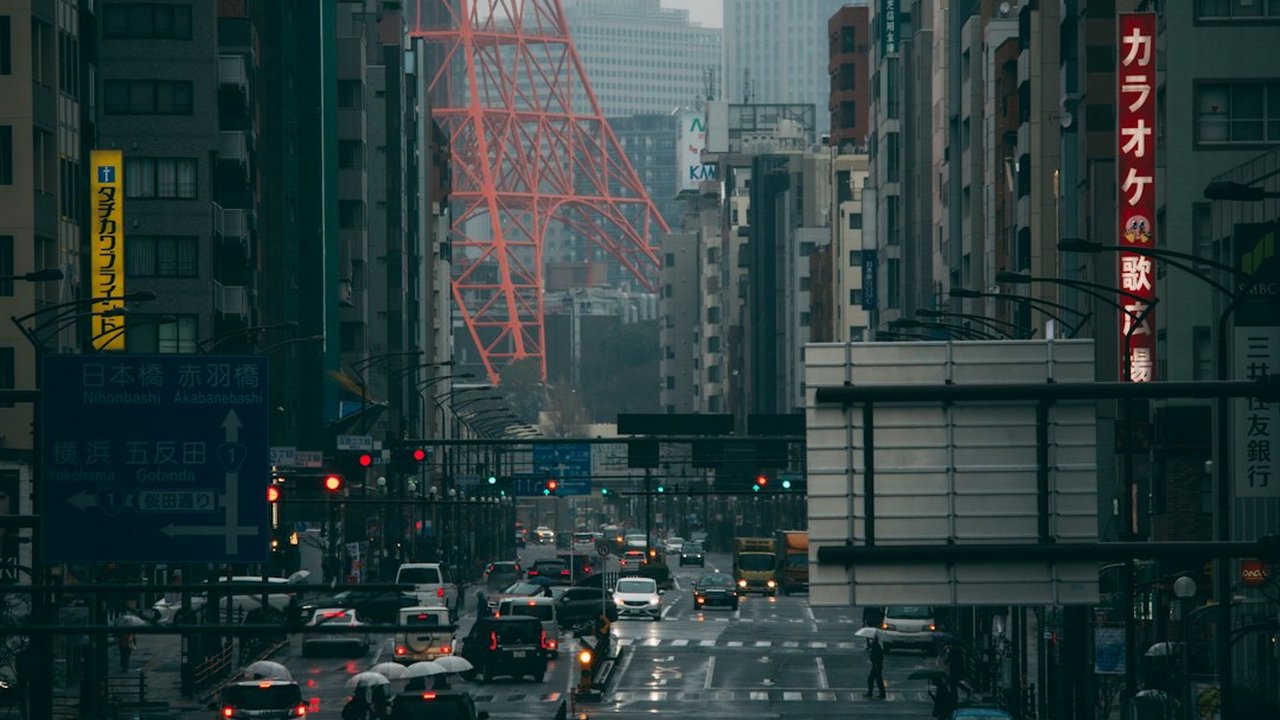
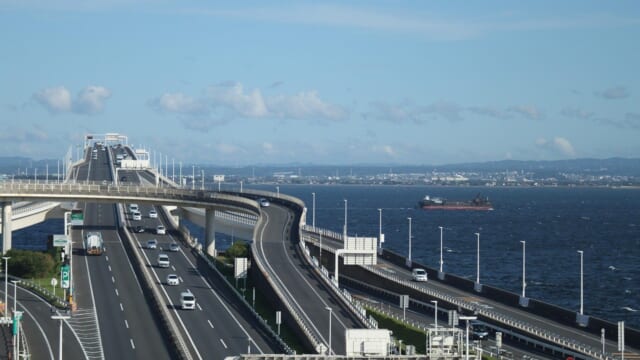
Driving northwest from Tokyo on the Kan-Etsu Expressway leads you straight across the vast northern Kanto plain toward the majestic mountain ranges of Gunma, Nagano, and Niigata. Situated right on the border of Saitama and Gunma prefectures, Kamisato SA serves as the premier operational, refueling, and dining anchor on this heavily traveled transport corridor.
For international travelers operating a rental car, this location marks your final full-scale service area before the expressway branches at Fujioka Junction (JCT) toward Nagano Prefecture via the Joshin-etsu Expressway or continues straight toward the snow country of Niigata. Knowing the layout, parking arrangements, and amenities of both the Outbound (country-bound) and Inbound (Tokyo-bound) facilities will prevent navigation panic and keep your road trip smooth and safe.
| Facility Feature | Kamisato SA Outbound (Down / Country-bound) | Kamisato SA Inbound (Up / Tokyo-bound) |
|---|---|---|
| Location (Kilometer Post) | KP 75.5 km from Nerima IC (Tokyo) | KP 75.5 km (Tokyo direction) |
| Standard Passenger Car Parking | 212 regular parking stalls | 256 regular parking stalls |
| Heavy Truck / Bus Parking | 49 large vehicle stalls | 48 large vehicle stalls |
| Driver Fork Strategy Rating | 4.9 / 5.0 (Essential prep 4km before Fujioka JCT) | 4.6 / 5.0 (Smooth Tokyo return staging) |
| Driver Quiet Sleep Rating | 3.5 / 5.0 (High freight turnover; park in outer rows) | 4.2 / 5.0 (Quiet perimeter corner near dog run) |
| Family & Baby Care Rating | 4.8 / 5.0 (24h formula dispenser & private nursery) | 4.8 / 5.0 (Spacious nursing suite & stroller access) |
| 24-Hour Fuel Station | ENEOS (Self & Full service available) | Idemitsu Apollostation (Full service) |
| EV Rapid Charging Station | 2 CHAdeMO fast chargers (44 kW output) | 2 CHAdeMO fast chargers (50 kW output) |
| Smart IC Vehicle Limits | ETC only (Full 24h, vehicles up to 12.0m) | ETC only (Full 24h, vehicles up to 12.0m) |
| Late-Night Dining (10 PM–6 AM) | 24h Soba/Udon counter (Bakery closes 8 PM) | 24h Ramen & Rice bowl counters active |
| Pedestrian Inter-Facility Walk | Strictly impossible (No footbridge to Inbound) | Strictly impossible (No footbridge to Outbound) |
| Regional Signature Dish | Joshu Mugi-buta Pork Cutlet & Kanda Curry Bun | Musashino Handmade Udon & Fukaya Scallion Ramen |
The Strategic Location of Kamisato SA at the Fujioka Junction Gateway
Kamisato SA is geographically positioned at kilometer post 75.5, roughly 50 to 70 minutes from the Nerima interchange in suburban Tokyo under normal traffic conditions. Its operational importance centers on its proximity to Fujioka Junction, which sits merely four kilometers further ahead.
Navigating the Critical Split Between the Kan-Etsu and Joshin-etsu Expressways
When you leave Tokyo behind and travel through northern Saitama Prefecture, your car navigation system will prompt you to make a high-speed lane decision at Fujioka Junction. If your destination is Karuizawa, Nagano City, Hakuba, or the Japan Alps, you must bear left onto the Joshin-etsu Expressway. If you are traveling toward Yuzawa, Niigata Port, or the Echigo ski resorts, you must stay in the rightward lanes to continue on the Kan-Etsu Expressway.
Because traffic around Fujioka Junction moves at 100 kilometers per hour and lane configurations require early positioning, attempting to verify route directions or swap drivers on the main highway shoulder is dangerous and illegal. Kamisato SA provides the perfect rest stop to set your coordinates before reaching this high-speed junction. Pulling into the parking lot allows you to confirm your hotel phone number or map code in your GPS unit without pressure.
If you accidentally take the wrong branch at Fujioka Junction, do not attempt to stop or reverse. Continue to the very next interchange, such as Fujioka IC on the Joshin-etsu or Shibukawa-Ikaho IC on the Kan-Etsu. Pass through the manned toll booth lane and inform the attendant: “Michi wo machigaemashita” (I took the wrong road). The highway staff can facilitate a legal U-turn procedure (Tokubetsu Tenkai) without double charging you toll fees.
For drivers who want to master multi-lane highway forks before departure, our comprehensive guide on how to navigate complex Japanese highway junctions outlines overhead sign colors and lane arrows in plain English.
Weather conditions also shift dramatically past Fujioka Junction during autumn and winter months. The flat Kanto plain around Kamisato SA may enjoy mild sunshine and dry pavement, while mountain passes beyond Minakami or Karuizawa could be facing sub-zero blizzard conditions. Kamisato SA houses a dedicated NEXCO Highway Information terminal inside the main atrium where digital displays present real-time road conditions, chain-control checkpoints, and live camera feeds.
- Confirm GPS Route: Verify whether your navigation routes via Joshin-etsu (Nagano/Karuizawa) or continuing on Kan-Etsu (Niigata/Yuzawa).
- Winter Weather Screen: Inspect the NEXCO live weather monitors near the customer service desk for winter chain restrictions ahead.
- Half-Tank Rule: Ensure your fuel tank has at least half capacity before climbing into high-altitude mountain gradients.
- No Pedestrian Walkway: Note that there is no pedestrian connection between Inbound and Outbound facilities; you cannot cross on foot.
Refueling Logistics, Cold-Weather Diesel Risks, and EV Charging Availability
Climbing the mountain passes of Gunma and Niigata causes automobile engines and electric vehicle batteries to consume energy at nearly double the rate of flat expressway cruising. Kamisato SA Outbound hosts a 24-hour ENEOS gas station featuring both self-service and full-service lanes. Rental car contracts in Japan require drivers to fill up with the exact specified fuel grade, which is typically Regular gasoline (red pump handle) or clean diesel (green pump handle).
A major risk for international visitors driving diesel rental vans in mid-winter is fuel gelling. Standard diesel sold in Tokyo during autumn and early winter is graded for temperate climates (JIS Grade 2). If you drive directly into freezing mountain resorts in Gunma or Niigata without refilling, standard diesel can solidify inside the fuel filter overnight, leaving you stranded with an unstartable engine.
To prevent this, depart Tokyo with your tank only one-third full, and top off your diesel tank at Kamisato SA where winter-grade diesel (JIS Grade 3) is dispensed. This winter blend remains fully liquid down to minus 20 degrees Celsius. For complete refueling advice, check our guide on how to refuel at highway gas stations in Japan.
For drivers operating electric rental vehicles, Kamisato SA represents an indispensable charging stop. The Outbound side features two CHAdeMO rapid chargers delivering up to 44 kW of DC fast-charging output. Japanese highway charging etiquette limits sessions to a strict maximum of 30 minutes per car to keep queues moving smoothly. If both stalls are occupied, remember that the next rapid charger on the Kan-Etsu is located at Akagi Kogen SA, approximately 35.8 kilometers further north.
The Inbound service area features an Idemitsu Apollostation gas station operating 24 hours a day alongside two 50 kW CHAdeMO fast chargers. Tokyo-bound drivers returning rental vehicles often wonder if they should refuel here. Remember that urban rental branches usually require a refueling receipt printed within 5 kilometers of the drop-off shop, as explained in our guide to the dropping off your rental car refueling receipt rule. Use Kamisato SA to ensure safe highway fuel levels, but perform your final receipt refill closer to your return station.
Gourmet Specialties and Regional Dining at Kamisato SA
Because Kamisato SA sits directly along the culinary boundary separating Saitama, Gunma, and Nagano prefectures, its dining concourses offer an authentic feast of regional agricultural products. The facilities cater to busy drivers needing quick 15-minute meals as well as families looking for relaxed sit-down lunches.
Outbound Food Court: Joshu Pork Cutlets, Kanda Curry Bread, and Late-Night Logistics
The Outbound dining concourse at Kamisato SA features a central 24-hour food court complemented by specialty daytime tenant shops. The star of the menu is Joshu Mugi-buta, a premium barley-fed pork breed raised across the fertile plains of Gunma Prefecture. At the main dining counter, you can order the Joshu Pork Tonkatsu Teishoku (deep-fried pork cutlet set meal) or the regional favorite Tare-Katsudon (crisp pork tenderloin dipped in a sweet-savory soy glaze served over hot steamed rice).
The barley-rich feed produces pork known for tender marbling, delicate sweetness, and a clean finish without excessive grease. If you prefer a lighter snack or portable food to enjoy inside your vehicle, visit the bakery section located adjacent to the central shopping aisle. Kamisato SA Outbound features a famous bakery outlet that prepares Kanda Curry Bread fresh throughout the day.
This golden pastry contains an aromatic spiced beef curry filling created by Tokyo curry specialists, encased in panko breadcrumbs and deep-fried to a crisp crunch. The bakery operates from 7:00 AM to 8:00 PM daily. Fresh hot batches emerge around 8:00 AM, 12:00 PM, and 3:00 PM; arrive early, as the most popular curry breads often sell out by late afternoon.
If you arrive late at night between 10:00 PM and 6:00 AM, the specialty bakery stalls and specialty cafes will be closed. However, the core soba, udon, and donburi noodle counter remains open 24 hours, ensuring late-night drivers never go hungry.
Ordering meals is straightforward even if you do not read Japanese. Automated ticket vending machines near the dining entrance feature English language buttons and accept contactless credit cards, Apple Pay, WeChat Pay, Alipay, and transit IC cards like Suica or Pasmo. When you purchase a ticket, modern machines automatically transmit your order to the kitchen. Take your receipt and watch the electronic wall display for your ticket number. For complete dining instructions, read our tutorial on how to use Japanese highway food courts.
- Joshu Mugi-buta Tare-Katsudon: Tender Gunma barley pork cutlet with sweet soy glaze over rice.
- Fresh-Fried Kanda Curry Bread: Savory spiced beef curry wrapped in ultra-crisp golden dough (7:00 AM–8:00 PM).
- Chichibu Miso Soft Serve: Sweet-and-salty soft cream made with fermented regional miso paste.
- Late-Night Backup: 24-hour hot soba and pork rice bowl counters available all night.
Inbound Gourmet Hall: Musashino Udon, Fukaya Scallion Ramen, and Tokyo Souvenirs
When traveling toward Tokyo on the Inbound lane, Kamisato SA transforms into a showcase for Saitama agricultural pride. Northern Saitama is one of Japan’s historic wheat-growing regions, and the Inbound food court honors this heritage with its specialty Musashino Udon stall. Unlike delicate sanuki udon from western Japan, Musashino udon features thick, dense, chewy noodles served alongside a steaming dipping bowl of dashi broth simmered with sliced pork belly and sweet scallions. Because these noodles are thick and cooked to order, allow 8 to 10 minutes for your order ticket to be prepared.
Another popular highlight is the Fukaya Negi Ramen, which highlights sweet, succulent scallions harvested in nearby Fukaya City. The scallions are sliced thin and flash-sautéed in fragrant sesame oil before being piled generously atop clear chicken-and-soy broth noodles. The rich aroma of charred green onions cuts through the savory broth, making this one of the most comforting late-night meals on the entire Kan-Etsu Expressway.
The Inbound shopping concourse functions as a massive regional souvenir center. Drivers heading back into Tokyo who forgot to pick up gifts during their mountain travels in Nagano or Niigata can find authentic Shinshu apple pies, Yuzawa sake pastries, and Gunma silk sweets neatly gift-wrapped. All cash registers accept major credit cards, IC transportation cards, and digital QR codes, allowing for quick payment before you tackle the suburban traffic into central Tokyo.
If you prefer fresh agricultural items, the morning farmers corner stocks freshly picked Fukaya scallions and local Saitama greenhouse strawberries. These make delicious travel snacks or cooking ingredients for vacation rental cabins.
Practical Parking Rules, Truck Idling Zones, and Rest Dynamics
Because Kamisato SA accommodates both commercial long-haul freight trucks and holiday family travelers, understanding the parking lot layout is vital for personal safety and vehicle preservation. The dense arrangement requires defensive driving habits at all hours.
Avoiding Heavy Truck Parking Bays, Diesel Exhaust, and Door Dings
The parking facility at Kamisato SA is strictly partitioned into distinct zones for passenger automobiles (white lane markings) and heavy commercial tractor-trailers (blue or green lane markings). Under no circumstances should you park a rental car in spaces designated for large trucks, even if the passenger car rows appear completely occupied on busy holiday weekends. Long-haul truck drivers operate on strict legal rest schedules, and taking their parking spots creates serious collision hazards in the circulation lanes.
Japanese highway parking stalls are measured to precise national dimensions that leave very little clearance between adjacent vehicles. Always back into your parking space using your rental car’s reversing camera and side mirrors. Backing in guarantees maximum field of vision when departing into active pedestrian lanes later.
Furthermore, remind your passengers to hold car doors firmly when exiting. Strong seasonal winds (known locally as Karakaze) sweep across the Saitama plain during winter and can violently catch opened doors, slamming them into neighboring cars and triggering expensive insurance penalties. Hold the door handle securely until your feet are firmly planted on the ground.
To learn the best habits for avoiding parking lot accidents, take a look at our complete manual on navigating Japanese highway service area parking. Choosing spaces located on the perimeter of the passenger car section will give your vehicle wider breathing room away from hurried commercial traffic.
Short Naps Versus Overnight Camping Rules for Rental Car Drivers
Driving long distances on Japanese expressways is mentally demanding, and pulling into Kamisato SA to combat driver fatigue is strongly encouraged by expressway operators. NEXCO regulations officially permit short rest naps (known as kamin) inside your vehicle to restore alertness before continuing your drive. However, international travelers should understand the strict boundary between resting and illegal camping.
Pitching tents, deploying awnings, setting up outdoor folding chairs, cooking food on portable gas stoves, or hanging laundry around your vehicle is strictly prohibited across all Japanese highway rest areas. Rest facilities are public transit infrastructure designed for driver safety, not free campgrounds. You should remain inside your vehicle with windows closed while taking a 1- to 3-hour nap.
When selecting a stall for a quiet nap, park as far as possible from heavy commercial tractor-trailers. Commercial refrigeration units run their diesel engines continuously throughout the night, generating loud low-frequency vibrations and exhaust fumes. Parking on the outer perimeter rows of the passenger section guarantees cleaner air and significantly quieter sleep conditions.
During cold winter months, avoid sleeping with your vehicle engine running for long periods. Accumulated snow or debris can block tailpipes, creating carbon monoxide risks. Use heavy blankets or sleeping bags rather than continuous engine heat.
Smart Interchange Navigation and Toll Gate Requirements
Kamisato SA is equipped with an integrated Smart Interchange (Smart IC) on both its Outbound and Inbound access ramps. Understanding how these automated exits function will save you time and prevent unnecessary detours on rural excursions.
Smart IC Operating Hours, Vehicle Clearance, and ETC Prerequisites
A Smart IC is an unmanned, ETC-exclusive entry and exit point that connects the highway service area directly to local prefectural roadways without requiring a traditional toll plaza. At Kamisato SA, the Smart IC operates 24 hours a day and accommodates all ETC-equipped standard passenger vehicles and large commercial trucks measuring up to 12.0 meters in total vehicle length. This automated interchange provides a fast shortcut to local tourist attractions such as strawberry picking greenhouses, historic silk heritage sites, and local onsen baths in Kamisato town.
However, you can only utilize this Smart IC exit if your rental car is fitted with a functional Electronic Toll Collection (ETC) in-vehicle unit holding an active, properly inserted ETC card. Cash, credit cards, or international toll passes without electronic smart chips are completely unsupported at Smart IC gates. For a complete guide to toll payment mechanics, read our article on understanding smart interchanges and ETC-only highway exits.
When approaching the automated barrier gate, you must bring your car to a complete dead stop directly in front of the optical sensor post. Wait patiently for 2 to 3 seconds while the overhead antenna scans your ETC unit. Never roll forward at 10 or 20 km/h expecting the gate to swing open automatically as conventional toll booths do. Creeping forward prematurely will cause the barrier to remain shut, resulting in damage to your rental vehicle’s windshield or front hood.
Ensure that all passengers are buckled and that your vehicle speed remains under 5 km/h as you approach the gate. Patience here guarantees a smooth transition onto local countryside roads.
Recovery Steps for Accidental Smart IC Lane Entry Without an ETC Card
If you accidentally follow the exit signs toward the Kamisato Smart IC ramp without having an ETC card inserted in your rental car, remain calm and follow safety protocol. Under no circumstances should you ever put your car in reverse or attempt a multi-point U-turn on the access ramp. Reversing on expressway ramps is illegal and frequently causes severe rear-end collisions with following traffic.
Instead, bring your car to a complete halt right in front of the closed barrier. Look out your driver’s window for the yellow emergency intercom button located beside the card scanner post. Press the call button firmly to connect directly with the NEXCO control center operator. Because rural support operators may possess limited conversational English, clearly state the simple phrase: “ETC card ga arimasen” (I do not have an ETC card).
The operator will quickly verify your situation via the surveillance camera and remotely open an escape turnaround lane or dispatch a patrol officer to guide your car safely back into the main service area circulation loop. This allows you to re-enter the highway toward Niigata or Nagano without incurring penalties or placing other road users at risk.
Remember that highway operators deal with these navigation mistakes routinely. Staying calm and following instructions via the intercom ensures that no fines or vehicle damage occur.
Restrooms, Baby Nursing Lounges, and Pet Facilities
Long highway drives require clean, reliable hygiene and family-support amenities. Kamisato SA consistently earns top marks among expressways in eastern Japan for its well-maintained restrooms and parent-friendly travel infrastructure.
Clean Restrooms, Barrier-Free Facilities, and 24-Hour Nursing Rooms
The restroom complexes at both Kamisato SA Outbound and Inbound feature digital entrance displays that provide real-time occupancy status for every stall. This visual system guides arriving travelers to open cubicles immediately, reducing wait times during busy peak travel hours. Over 95% of the stalls feature modern western-style heated bidets with intuitive wall-mounted flush switches, privacy audio masking, and automated seat sanitation.
Families traveling with babies and toddlers will appreciate the dedicated Baby Care Nursing Rooms (Aka-chan Kyukeishitsu). These tranquil, climate-controlled suites feature private nursing cubicles with privacy curtains, cushioned diaper changing stations equipped with sanitary disposal bins, and hot water dispensers calibrated to 70°C for safely preparing infant formula milk. To explore standards across the expressway network, check our guide to clean and family-friendly highway restrooms.
Both buildings also incorporate barrier-free universal restrooms designed for elderly travelers, wheelchair users, and visitors with disabilities. These spacious facilities include adult changing beds, ostomy washing fixtures, and emergency alert cords connected directly to the staff service desk. The level, step-free access throughout the building concourses ensures that everyone in your travel party moves about comfortably.
Touchless automatic hand soap dispensers and warm air hand dryers ensure high sanitary standards throughout all facilities, making quick hygiene breaks comfortable for all ages.
- Nursing Rooms: 24-hour hot water dispenser (70°C formula preparation), private nursing booths, diaper bins.
- Restrooms: Heated Washlet bidets, electronic stall vacancy boards, child-sized low toilets.
- Dog Run (Inbound): Dedicated turf play yard with separate small/large dog zones and fresh water washing posts.
- Pet Etiquette: Pets are strictly prohibited inside the indoor dining halls and retail shops (service dogs excepted).
Outdoor Dog Run Manners and Green Walking Promenade Features
If you are traveling with pets or simply need to stretch your legs away from traffic noise, Kamisato SA Inbound features a dedicated outdoor Dog Run. The play yard is fully enclosed with double safety gates to prevent pets from escaping onto the highway and provides separate enclosures for small dogs (under 10 kg) and larger active breeds. Fresh water drinking taps, cleanup stations, and shade benches are provided inside the facility.
Adjacent to the dog run, visitors can stroll along a paved green walking promenade bordered by flowering cherry trees and seasonal foliage. Taking a brisk ten-minute walk along this parkway revitalizes tired muscles, lowers highway fatigue, and restores sharp focus before you rejoin high-speed traffic. Keep in mind that pets are strictly barred from entering the indoor food courts and gift shops, with exceptions only for registered assistance guide dogs.
Complimentary high-speed public Wi-Fi is accessible throughout the indoor concourse and outdoor seating areas. Connect your smartphone to the network titled NEXCO_FREE_Wi-Fi and accept the terms of use on your web browser to check weather maps, update navigation routes, or message your evening hotel. Combining fresh air, regional dining, and reliable digital connectivity makes Kamisato SA an enjoyable stop for every passenger.
The outdoor patio area also provides covered picnic tables where you can enjoy your bakery treats or iced coffees in the open air while watching over your travel companions or pets.
Conclusion
Kamisato SA stands as an indispensable tactical sanctuary for any driver navigating the Kan-Etsu Expressway. By anchoring your road trip itinerary around this premier facility, you effectively eliminate the anxiety of upcoming high-speed highway junctions while ensuring your vehicle is fully prepared for the demanding mountain climbs into Gunma, Nagano, and Niigata.
Whether you choose to recharge your electric vehicle at the high-output CHAdeMO fast chargers, fill your gas tank at the 24-hour service stations, or indulge in signature Joshu pork cutlets and steaming bowls of handmade Musashino udon, Kamisato SA delivers comprehensive highway convenience. Always remember to inspect your navigation directions before rejoining the expressway toward Fujioka Junction, keep an eye on winter weather warnings, and make use of the barrier-free restrooms and family lounges to keep everyone in your rental car relaxed and ready for the scenic kilometers ahead.
By respecting local parking etiquette, staying clear of commercial truck idling areas, and utilizing the 24-hour Smart IC properly, you ensure a safe and stress-free driving experience across central Japan. Make Kamisato SA your designated rest stop on the Kan-Etsu corridor, and enjoy the rich culinary heritage and warm hospitality of the northern Kanto region as you embark on your mountain adventure.