Ebina SA vs. Ashigara SA: Which Tomei Expressway Rest Stop Should You Choose?
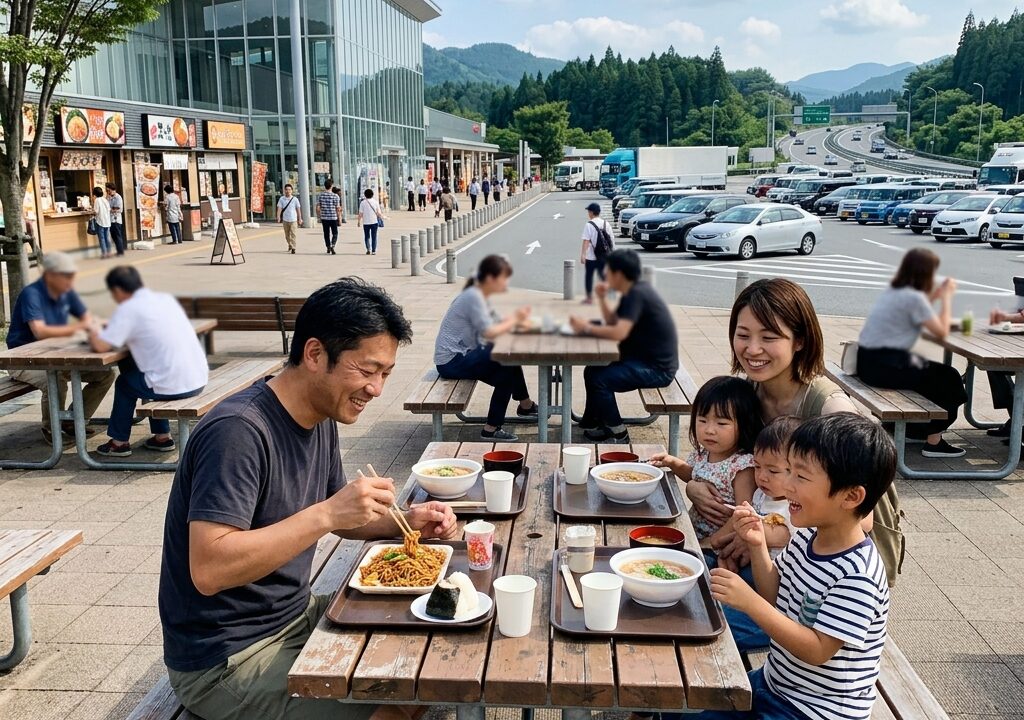
Driving the Tomei Expressway from Tokyo toward Nagoya or the Mt. Fuji area is a classic Japanese road trip. Along this route, you will pass dozens of Service Areas (SA) and Parking Areas (PA), but two giants stand out above the rest: Ebina SA and Ashigara SA. Both are massively popular, consistently ranking among the top rest stops in the entire country, but they offer completely different experiences.
If you are driving a rental car, you likely want to maximize your time sightseeing at your destination, meaning you probably only have time for one major, extended break on the highway. Choosing between the culinary wonderland of Ebina SA and the scenic, relaxing atmosphere of Ashigara SA can be a tough decision. This comprehensive guide will break down the differences between the two, comparing their food options, unique facilities, traffic patterns, and overall vibes. By the end, you will know exactly which Tomei Expressway rest stop is the perfect fit for your specific road trip itinerary.
The Battle of the Tomei Expressway Rest Stops
Both Ebina SA and Ashigara SA are “EXPASA” facilities, which is the premium brand designation given by the highway operator (NEXCO) to their most upgraded, modernized rest stops. However, their locations dictate entirely different atmospheres.
Why You Only Have Time for One Major Stop
The drive from Tokyo to the Fuji Five Lakes region or the Hakone area via the Tomei Expressway generally takes about two to two-and-a-half hours under normal traffic conditions. While you might pull over briefly at a smaller Parking Area (PA) to use the restroom, taking a prolonged, one-hour break at multiple massive Service Areas is usually not practical if you want to reach your destination before noon.
Ebina SA is located in Kanagawa Prefecture, roughly 45 minutes to an hour outside of central Tokyo. Ashigara SA is located further west, in Shizuoka Prefecture, about an hour past Ebina. If you stop at Ebina for a massive lunch and a shopping spree, stopping again at Ashigara just an hour later feels redundant. Conversely, if you skip Ebina to save your appetite for Ashigara, you miss out on some of the most famous highway food in Japan. Therefore, travelers usually need to make a strategic choice: do you want a high-energy food festival right out of the gate, or a relaxing, scenic break right before you reach the mountains?
Comparing the Basic Vibe: Urban Mega-Mall vs. Scenic Retreat
The fundamental difference between the two rest stops is their overarching atmosphere. Ebina SA feels like a bustling, high-energy urban shopping mall that just happens to be located on a highway. Because it is so close to Tokyo, it attracts massive crowds of day-trippers, commercial truck drivers, and families starting their vacations. The energy is vibrant, loud, and focused on rapid consumption and incredible variety.
In stark contrast, Ashigara SA feels like the gateway to nature. Located at the foothills of the Hakone and Tanzawa mountain ranges, the air is noticeably cooler and crisper here than at Ebina. The architecture is more spread out, incorporating large outdoor terraces and viewing decks. The crowds here are generally a bit more relaxed, having successfully navigated the heaviest traffic immediately surrounding Tokyo. Ashigara leans heavily into the “resort” feel, prioritizing comfort, scenery, and physical rejuvenation over chaotic shopping. If Ebina is an amusement park for foodies, Ashigara is a highway sanctuary for tired drivers.
The Culinary Showdown: Food at Ebina vs. Ashigara
For many Japanese drivers, the primary reason to stop at a Service Area is the food. Both locations offer fantastic options, but Ebina is widely considered the undisputed champion of highway dining.
Ebina SA: The Undisputed King of Highway Street Food
If your primary goal is to eat incredible, varied, and famous Japanese street food, Ebina SA (particularly the outbound, Nagoya-bound side) is the clear winner. It operates almost like a massive food festival every single day. The sheer volume of vendors packed into the facility is staggering.
The most famous item at Ebina is the “Melon Pan,” a sweet, crusty bread that resembles a rock melon. The bakery here sells thousands of them daily, and the smell of baking bread permeates the entire building. Beyond the bakery, the outdoor stalls serve an overwhelming array of hot snacks: perfectly grilled yakitori (chicken skewers), premium beef croquettes, steamed pork buns, and takoyaki (octopus balls). The indoor food court features outposts of famous ramen shops and sushi restaurants from Tokyo and Yokohama. You can easily spend an hour just walking from stall to stall, sampling small bites. Because the turnover is so high, the food at Ebina is always piping hot and incredibly fresh. It is the perfect stop if you want an exciting, slightly chaotic, and utterly delicious fast-food experience.
Ashigara SA: Relaxed Dining with Regional Ingredients
While Ashigara SA cannot match the sheer volume and frantic energy of Ebina’s food scene, it offers a much more relaxed dining experience focused on high-quality regional ingredients from Shizuoka Prefecture.
Shizuoka is famous for its green tea and its proximity to Suruga Bay, which provides excellent seafood. At Ashigara SA, you will find restaurants serving fantastic dishes utilizing local ingredients, such as sakura ebi (tiny pink shrimp) and shirasu (whitebait) served over bowls of hot rice. The food court is spacious and generally less frantic than Ebina’s, making it easier to find a table and enjoy a sit-down meal without feeling rushed. Ashigara also excels in its dessert offerings, specifically soft-serve ice cream flavored with premium Shizuoka matcha or locally grown milk. If you prefer a quieter meal where you can actually sit down, look out the window at the mountains, and savor a bowl of locally inspired udon or a fresh seafood bowl, the dining experience at Ashigara is far more pleasant and relaxing than the crowded aisles of Ebina.
Facilities and Amenities for International Travelers
Both locations are EXPASA facilities, meaning they are equipped with incredibly clean, modern restrooms (complete with high-tech bidet toilets), free Wi-Fi, and ATMs. However, their unique standout amenities cater to different needs.
Ebina SA: High-Tech Convenience and Endless Shopping
Ebina SA is built for maximum convenience and retail therapy. If you realized you forgot to pack something essential for your road trip, or if you want to buy high-quality souvenirs for friends before you even reach your destination, Ebina has you covered.
The souvenir section (Kiosk) is massive, selling beautifully packaged sweets, savory snacks, and regional specialties from all over the Kanto area (the region surrounding Tokyo). The facility also features a large, fully stocked convenience store, making it easy to grab basic supplies, bottled water, or a simple rice ball if the food court lines are too long. For international travelers, the digital signage and interactive information boards at Ebina are highly advanced, offering easy-to-use English interfaces for checking traffic conditions or finding specific facilities. The sheer scale of the restrooms means that even on the busiest public holidays, the lines move surprisingly fast. Ebina is an exercise in high-throughput efficiency and modern Japanese retail.
Ashigara SA: The Luxury of a Natural Hot Spring (Onsen)
What Ashigara SA lacks in mega-mall shopping, it more than makes up for with its incredible relaxation facilities. The defining feature that sets Ashigara apart from almost every other rest stop in the country is the “Rest Inn Toki no Sumika,” a genuine public bathhouse and hot spring (onsen) located right inside the building.
For a driver who has just battled their way out of Tokyo traffic, the ability to pull over, strip down, and soak in a hot thermal bath is an unparalleled luxury. The facility features large indoor communal baths (separated by gender), saunas, and cold plunges. They rent towels at the front desk, so you do not even need to unpack your car to use the bath. If you do not have time for a full bath, Ashigara often provides a free foot bath (Ashiyu) area where you can simply roll up your pants and soak your feet. Furthermore, the rest stop has a dedicated relaxation room with massage chairs and a small hotel attached for those who need to sleep. If physical recovery and relaxation are your priorities, Ashigara SA completely outclasses Ebina.
Scenic Views and Photo Opportunities
A great road trip is all about the scenery, and this is where the two rest stops diverge the most drastically.
Why Ebina SA is Not Known for its Scenery
Because Ebina SA is located in a relatively flat, urbanized area in Kanagawa Prefecture, it does not offer any notable scenery. The view from the parking lot is primarily of other cars, the highway infrastructure, and the surrounding suburban sprawl.
While the facility itself is modern and visually impressive from an architectural standpoint, nobody stops at Ebina SA to take photos of the landscape. The focus here is entirely internal: looking at the food, browsing the shops, and navigating the crowds. If you are looking for that iconic “Japanese road trip” photo to post on social media, you will likely only be taking pictures of your melon pan or your bowl of ramen. Ebina is an urban experience, and the environment reflects that reality.
The Breathtaking Mt. Fuji Views from Ashigara SA
Ashigara SA, on the other hand, is a scenic powerhouse. Located exactly where the highway begins to curve into the mountains, it offers one of the most stunning, unobstructed views of Mt. Fuji available on the entire Tomei Expressway.
The outbound (Nagoya-bound) facility features large, dedicated observation decks and outdoor seating areas specifically designed to showcase the mountain. On a clear day, the massive, symmetrical cone of Mt. Fuji dominates the horizon, providing a breathtaking preview of your destination. The Service Area has set up several designated photo spots equipped with stands for smartphones, making it incredibly easy to take a perfect group photo with the mountain in the background. Even if Mt. Fuji is hiding behind clouds, the surrounding forested peaks of the Hakone range are beautiful and serene. Enjoying a coffee on the terrace at Ashigara while breathing the crisp mountain air provides a profound sense of having finally “arrived” in the Japanese countryside.
Strategic Timing and Traffic Considerations
Your decision between the two rest stops should also be heavily influenced by when you are driving and the expected traffic conditions on the Tomei Expressway.
Navigating the Notorious Ebina SA Weekend Congestion
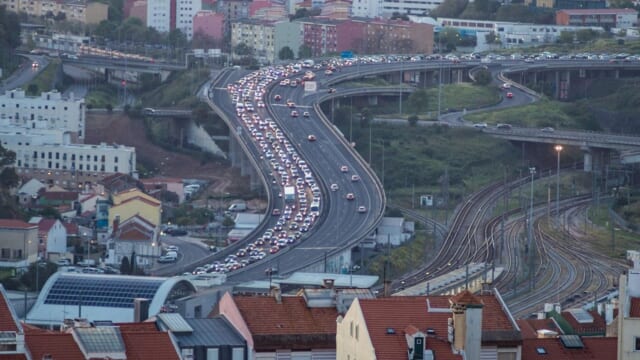
Because Ebina is so famous and located so close to Tokyo, it suffers from immense congestion, particularly on Saturday mornings and public holidays. The traffic jam on the Tomei Expressway frequently begins miles before the Ebina SA exit, and sometimes the line of cars waiting just to get into the parking lot spills out onto the main highway.
If you are driving during a peak period, trying to stop at Ebina SA can easily add 45 minutes to an hour of pure waiting time to your journey. The food court inside becomes shoulder-to-shoulder crowded, and finding a table requires serious patience. If your primary goal is to reach Mt. Fuji or Kyoto as quickly as possible on a busy weekend, attempting to stop at Ebina is a strategic mistake. In these situations, it is highly recommended to bypass Ebina entirely and push forward to Ashigara or a smaller Parking Area (PA) where the crowds are significantly thinner.
Planning Your Stop at Ashigara SA Before the Mountain Pass
Ashigara SA is strategically located right before the Tomei Expressway begins its steepest climbs and tightest curves through the Gotemba and Shizuoka mountain passes.
Stopping at Ashigara is an excellent tactical decision because it allows you to rest, use the restroom, and ensure your vehicle is in good shape before tackling the most demanding section of the drive. The parking lot at Ashigara is massive, and because it is further from Tokyo, it rarely suffers from the severe, highway-blocking entry queues that plague Ebina. It serves as the perfect staging ground. You can take a relaxing bath, enjoy the view of Mt. Fuji, and then merge back onto the highway completely refreshed and ready to safely navigate the mountain roads or exit at the nearby Gotemba Interchange for Kawaguchiko.
Conclusion
Choosing between Ebina SA and Ashigara SA ultimately depends on what you value most for your specific road trip experience. Both are world-class facilities that showcase the incredible quality of the Japanese highway system, but they cater to very different travel styles.
If you are a foodie who wants to experience the vibrant, chaotic energy of a Japanese food festival, and you are traveling on a weekday or very early in the morning to avoid the crowds, Ebina SA is an absolute must-visit. The sheer variety of high-quality street food, led by the famous melon pan, makes it an unforgettable culinary stop. It is the perfect place to grab an exciting, high-energy breakfast before hitting the open road.
However, if your goal is relaxation, stunning scenery, and a break from the urban sprawl of Tokyo, Ashigara SA is the clear winner. The ability to soak in a natural hot spring while looking out at the majestic peak of Mt. Fuji is an experience that Ebina simply cannot offer. It is a calmer, more serene environment that perfectly prepares you for a nature-focused vacation in the Fuji Five Lakes or Hakone regions.
For the ultimate driving itinerary, many experienced travelers recommend skipping the heavy crowds at Ebina on the outbound journey from Tokyo, choosing instead to relax at Ashigara. Then, on the return trip back to Tokyo (the inbound route), you can stop at Ebina SA to stock up on souvenirs and grab a massive dinner before re-entering the city. Whichever you choose, both Service Areas guarantee that your time spent on the Tomei Expressway will be just as memorable as the destination itself.