Navigating Trash and Recycling Bins at Japanese Highway Service Areas
One of the most common cultural shocks for foreign tourists visiting Japan is the strict and highly organized waste management system. When you are driving a rental car across the country, you will inevitably accumulate trash—empty drink bottles, snack wrappers, and bento boxes. However, you cannot simply throw everything into a single bin. Japanese highway Service Areas (SA) and Parking Areas (PA) feature complex arrays of recycling bins, and navigating them correctly is a crucial part of road trip etiquette. This guide will help you sort your trash like a local.
The Importance of Waste Management in Japan
To understand why Japanese highway bins are so complicated, you first have to understand the country’s broader cultural approach to waste and cleanliness. Japan is a densely populated island nation with limited space for landfills. Consequently, they rely heavily on incineration and aggressive recycling to manage their waste.
A Culture of Cleanliness and Responsibility
In Japan, keeping public spaces clean is considered a collective social responsibility. You will notice that there is very little litter on the streets or along the expressways. This is not just because there are many cleaning staff; it is because citizens actively manage their own trash.
When you use the facilities at a Service Area, you are expected to participate in this system. The staff work incredibly hard to keep the massive parking lots, restrooms, and food courts spotless for thousands of daily visitors. Properly sorting your trash is a sign of respect for their hard work and a necessary step to maintain the pristine environment that makes traveling in Japan so enjoyable.
The Role of Highway Rest Stops
Because public trash cans are notoriously rare on the streets of Japanese cities, highway Service Areas serve as critical waste disposal hubs for drivers. People intentionally hold onto their car trash for hours just so they can dispose of it properly at the next major SA.
Because these locations process an enormous volume of waste from thousands of passing cars every day, their sorting systems must be highly efficient. If people throw the wrong items into the recycling bins, the entire batch can be ruined and must be sent to the incinerator instead. This is why you will see large banks of highly specific bins lining the entrances of every rest stop building. Understanding these categories is essential. If you want to know more about the basic facilities at these stops, read our Japan Highway Service Areas Guide: SA vs PA, Food, Gas Stations, Restrooms & More.
Why Highway Trash Bins are So Complex
When you walk up to a trash disposal area at a major Service Area like Ebina SA on the Tomei Expressway, you might be overwhelmed by a row of six or seven different bins, all marked with different colors, symbols, and Japanese text.
The Necessity of Strict Sorting
The complexity is driven by the fact that different materials require different recycling processes. Japan separates its waste primarily into burnable (combustible) items, non-burnable items, and various recyclable categories (plastics, glass, paper).
At a highway rest stop, the focus is heavily on the type of trash generated by drivers: drink containers and food packaging. Therefore, the bins are hyper-specialized to handle these specific items efficiently. By forcing consumers to sort the trash at the point of disposal, the Service Area management saves an immense amount of time and money that would otherwise be spent sorting it manually later.
Visual Cues and English Signage
Fortunately for international tourists, most modern Service Areas have updated their bins to include helpful visual cues. You will usually find clear pictograms (e.g., a picture of a crushed plastic bottle or a crumpled newspaper) on the front of each bin.
Many SAs now also include English text below the Japanese characters. However, smaller or older Parking Areas (PA) might still only use Japanese text or color-coding. Learning the visual shapes of the bin openings (e.g., a small round hole for cans, a wide slot for paper) is the easiest way to figure out what goes where if you cannot read the signs.
- Look for pictograms and English text on the bins.
- The shape of the hole often indicates what goes inside.
- Always empty liquids before throwing away bottles.
- Do not bring household trash from your hotel to the highway.
Understanding the Sorting Categories (Gomi-bako)
To sort your road trip trash correctly, you need to familiarize yourself with the four or five main categories of bins you will encounter at almost every Japanese rest stop.
Moeru Gomi (Burnable/Combustible Trash)
This is the most common bin, usually marked with a red symbol or the kanji “燃えるゴミ” (Moeru Gomi). This bin is for general, burnable waste.
You should put paper scraps, tissues, dirty napkins, wooden chopsticks (waribashi), and small scraps of food into this bin. In many municipalities, certain types of soft, non-recyclable plastics (like snack wrappers) are also considered burnable, but it is always best to check the specific signage on the bin. This is essentially the “catch-all” bin for items that cannot be distinctly recycled.
Moenai Gomi (Non-Burnable Trash)
The non-burnable bin, marked “燃えないゴミ” (Moenai Gomi) and usually colored blue, is much less common at highway rest stops because drivers rarely produce this type of waste on the road.
This category is for items like broken glass, small metal objects, ceramics, and certain hard plastics that cannot be incinerated safely. As a tourist driving a rental car, you will likely never need to use this bin, as your trash will primarily consist of food packaging and drink bottles.
Dealing with Plastic Bottles and Cans
The vast majority of trash generated on a Japanese road trip consists of drinks bought from the thousands of vending machines along the route. Disposing of these containers correctly requires specific steps.
PET Bottles (Petto Botoru)
Plastic drink bottles (PET bottles) have their own dedicated recycling bin, usually marked with a yellow or green circular recycling symbol. The hole is specifically designed to fit a standard bottle.
However, you cannot just throw the whole bottle in. Japanese recycling rules dictate that you must remove the plastic cap and tear off the plastic label wrapped around the bottle. The cap and label go into the “Plastics” bin (or sometimes the Burnable bin, depending on the region), while the clear, naked plastic bottle goes into the PET bottle bin. You should also rinse the bottle quickly if possible, and crush it flat so it takes up less space in the bin.
Cans (Kan) and Glass Bottles (Bin)
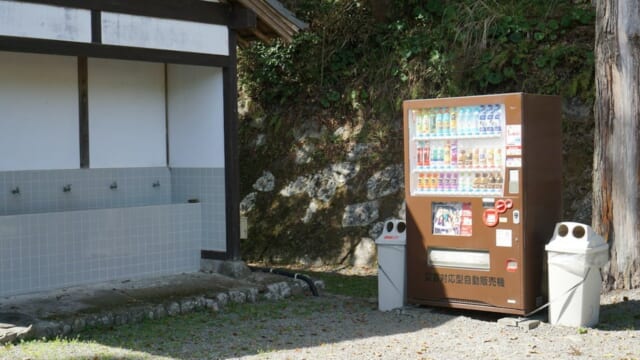
Empty aluminum or steel cans (Kan) and glass bottles (Bin) also have their own specific bins, often located right next to the vending machines where you bought them. The can bin usually has a small, round hole, while the glass bottle bin might have a slightly larger hole with a rubber flap.
Before throwing away a can or glass bottle, make absolutely sure it is completely empty. Throwing a half-full can of sweet coffee into the recycling bin ruins the recycling process and attracts insects, creating a huge mess for the cleaning staff. Empty any remaining liquid into a designated drain sink (often provided near the bins) or a restroom sink before disposal.
How to Dispose of Food Waste and Containers
Eating local food is a major part of the highway experience, but disposing of the leftover bento boxes and noodle cups requires attention to detail.
Bento Boxes and Plastic Trays
If you buy a regional bento box from the Service Area shop, you will be left with a large plastic tray. These trays usually go into the dedicated “Plastics” (Pura) bin.
However, you cannot throw a dirty tray filled with leftover rice into the plastics recycling bin. You must scrape all leftover food scraps into the Burnable (Moeru Gomi) bin first. The plastic tray should be relatively clean before it goes into the Plastics bin. If the tray is heavily soiled with grease or sauce that you cannot wipe off, you should throw the entire tray into the Burnable bin instead. For more information on finding these meals, read our guide on Best Highway Rest Stops for Regional Bento Boxes (Drive-in Bento).
Ramen Bowls and Food Court Trays
If you eat at the main food court inside the Service Area, the rules are different. You do not throw your own bowls away. The food courts use real ceramic bowls or heavy reusable plastic trays.
When you finish eating, you must carry your entire tray back to the specific restaurant counter where you ordered the food. There is always a designated “Return” (Henkyakuguchi) window. Simply place your tray there, and the staff will wash the dishes and handle the food waste. Never leave your tray on the table or try to shove a reusable ramen bowl into a public trash bin. To understand more about ordering food, check our article on How to Use Japanese Highway Food Courts: A Beginner’s Guide.
Etiquette and Things You Cannot Throw Away
While the Service Areas provide extensive disposal facilities, they are intended strictly for waste generated during your drive, not for dumping household or bulk items.
The “No Household Trash” Rule
You will often see signs (sometimes in English) explicitly stating “No Household Trash.” This means you cannot bring bags of garbage from your hotel or campsite and dump them at the highway rest stop.
The bins at the Service Areas are designed to handle the specific volume of snacks and drinks purchased on the road. Dumping large bags of personal garbage overwhelms the system and is considered incredibly rude in Japan. If you are camping or traveling in an RV, you must find proper municipal disposal sites or ask your campsite manager where to dispose of your bulk waste.
What to Do with Bulky Items
If you purchase a souvenir that comes in a large cardboard box and you want to throw the box away to save space in your rental car, look for a specific “Paper/Cardboard” recycling bin. Do not try to shove a large box into the small slot of the Burnable bin, as it will block the opening for everyone else.
If you cannot find a suitable bin for a bulky, non-hazardous item, it is best to take it back to your hotel where the staff can assist you with proper disposal. Respecting these rules ensures that the beautiful, clean highway facilities remain functional for everyone.
| Trash Type | Correct Bin (Japanese) | Action Required Before Disposal |
|---|---|---|
| Empty Drink Cans | カン (Kan) | Empty all liquid completely. |
| Plastic Drink Bottles | ペットボトル (PET) | Remove cap and label, crush flat. |
| Dirty Tissues / Paper | 燃えるゴミ (Moeru Gomi) | None. (Burnable) |
| Clean Plastic Trays | プラスチック (Plastics / Pura) | Scrape off all food waste first. |
Conclusion
Properly navigating the complex array of trash and recycling bins at a Japanese highway Service Area might seem intimidating at first, but it is a vital part of experiencing the country’s unique culture of cleanliness and civic responsibility.
By taking an extra sixty seconds to remove the label from your plastic bottle, empty the remaining liquid from your coffee can, and ensure your food scraps go into the burnable bin, you are actively participating in the system that keeps Japan’s infrastructure running smoothly. The cleaning staff work tirelessly to maintain these world-class facilities, and properly sorting your waste is the best way to show respect for their efforts.
As you drive your rental car across the country, keep a small bag inside the vehicle to collect your wrappers and empty bottles. When you pull into a major Service Area to stretch your legs, take pride in correctly sorting your accumulated trash into the neatly organized bins. It is a small, satisfying ritual that quickly makes you feel less like a tourist and more like an experienced traveler navigating the Japanese expressways like a local.