Family-Friendly Rest Stops: Best Highway Parks and Playgrounds for Kids in Japan
Taking a family road trip across Japan is an incredibly rewarding way to bond and explore the country’s diverse landscapes at your own pace. However, any parent knows that keeping children entertained and comfortable during long stretches of driving is a significant challenge.
The confined space of a rental car, combined with the monotony of highway scenery, can quickly lead to restlessness and the dreaded question: “Are we there yet?” Fortunately, the Japanese highway system is brilliantly designed to cater to families. Unlike standard rest areas in many other countries that offer little more than basic restrooms and vending machines, many Japanese Service Areas (SA) and Parking Areas (PA) have been transformed into massive, family-centric entertainment hubs.
These locations feature sprawling outdoor parks, elaborate playgrounds, interactive museums, and child-friendly dining options that turn a simple pit stop into an exciting part of the vacation. By strategically planning your route to include these family-friendly “Highway Oasis” facilities, you can ensure that your kids have plenty of opportunities to burn off excess energy safely, making the drive significantly more relaxing for everyone. In this comprehensive guide, we will explore the very best highway parks and playgrounds across Japan, providing you with all the information you need to plan a smooth, enjoyable, and memorable family road trip.
1. Planning a Highway Trip with Children in Japan
The key to a successful family road trip in Japan lies in meticulous planning before you even hit the expressway. When traveling with children, spontaneity often takes a back seat to structured breaks and predictable routines.
Japanese highways are generally safe and well-maintained, but navigating the toll systems and locating the right facilities requires a bit of forethought. Your primary goal is to minimize the time your children spend feeling trapped in the car and maximize their time engaged in fun, physical activities during stops.
This means carefully mapping out your route, researching the specific amenities offered at various Service Areas, and ensuring your rental vehicle is properly equipped for family travel. From securing the right Electronic Toll Collection (ETC) setup for seamless travel to packing the essential snacks and entertainment, a solid plan will dramatically reduce travel stress. Let’s look at the foundational steps for preparing a kid-friendly highway journey.
Renting a Family Vehicle and ETC Setup
When renting a car for a family trip, prioritizing space and comfort over economy will save you countless headaches. While a compact car might be cheaper and easier to park in Tokyo, it will quickly feel claustrophobic on a long drive with children, luggage, and perhaps a stroller.
Consider renting a minivan or a mid-size SUV, which provides ample legroom and allows children to spread out. It is also a legal requirement in Japan to use appropriate child safety seats for children under the age of six.
When you make your reservation, you must explicitly request baby seats, child seats, or booster seats based on your children’s ages and weights, as rental agencies do not provide them automatically. For a deeper understanding of the rental process, refer to our detailed guide on Renting a Car in Japan: Essential Tips and Choosing the Best Rental Agency.
Equally important is securing an ETC card from your rental agency. Attempting to manage cash and paper tickets at a toll booth while dealing with a crying toddler in the backseat is a recipe for disaster.
An ETC card allows you to glide effortlessly through the toll gates, keeping the car moving and minimizing disruptions to sleeping children. Furthermore, using an ETC card often grants you significant weekend and holiday discounts, making your family vacation more budget-friendly.
Strategic Routing and Packing Essentials
Once your vehicle is secured, you must strategically plan your route around the major family-friendly Service Areas. A general rule of thumb when driving with children is to plan for a stop every 1.5 to 2 hours, regardless of whether anyone explicitly asks for a break.
Proactively stopping prevents restlessness from building up into a tantrum. Use online highway maps to identify the larger “EXPASA” or “NEOPASA” branded Service Areas, or locations designated as a “Highway Oasis,” as these are guaranteed to have superior facilities compared to a standard Parking Area (PA).
Packing the car efficiently is the next crucial step. Keep a dedicated “accessibility bag” in the main cabin, not the trunk.
This bag should contain wet wipes, hand sanitizer, motion sickness medication, small trash bags, and a change of clothes for younger children. While Japanese rest stops offer incredible food, it is always wise to pack familiar, non-messy snacks and spill-proof water bottles to keep hunger at bay between stops. Finally, curate a playlist of your children’s favorite songs or audiobooks to play through the car’s Bluetooth system, providing a familiar and calming background noise during the longer stretches of driving.
2. EXPASA Ashigara: The Ultimate Amusement Stop on the Tomei
If your family road trip takes you along the Tomei Expressway—the primary route connecting Tokyo to Nagoya and Kyoto—you absolutely must plan a major stop at EXPASA Ashigara. Located in Shizuoka prefecture, this is not just a Service Area; it is a massive, multi-faceted entertainment complex that rivals some small theme parks.
EXPASA Ashigara is famous for its stunning, unobstructed views of Mount Fuji, but for families, the real draw is the sheer volume of activities available for children. The facility is divided into Outbound (heading away from Tokyo) and Inbound (heading towards Tokyo) sections, both offering slightly different but equally impressive amenities.
It is a place where you can easily spend two or three hours without anyone getting bored. From expansive outdoor play areas to unique indoor experiences and incredible food options tailored for picky eaters, Ashigara sets the gold standard for what a highway rest stop can be.
The Outdoor Playgrounds and Mount Fuji Views
The moment you pull into the expansive parking lot of EXPASA Ashigara, the massive silhouette of Mount Fuji dominates the skyline (weather permitting, of course). The architects of this Service Area brilliantly utilized this natural backdrop by designing large, open outdoor spaces where families can relax and play.
The Outbound facility features a fantastic outdoor playground equipped with modern, safe climbing structures, slides, and bouncy areas specifically designed for toddlers and young children. After being confined in a car seat, allowing your kids to run freely in this secure, fenced-in park is a massive relief.
The ground is often covered in soft, shock-absorbing materials to prevent injuries. Adjacent to the playground, you will find spacious observation decks equipped with binoculars, where children can get a close-up view of Japan’s most famous mountain.
It serves as a fantastic, spontaneous educational moment about Japanese geography. If you are traveling with a family pet, Ashigara also features one of the largest and best-maintained dog runs on the Tomei Expressway, ensuring that every member of the family, including the four-legged ones, gets a chance to stretch their legs. For more information on pet-friendly travel, you can check our guide on Traveling with Pets in Japan: The Best Highway Rest Stops with Dog Runs.
- Visit the Hot Springs: Ashigara features a real natural hot spring (Onsen) facility inside the building. It’s a great way for parents to relax while taking turns watching the kids.
- Explore the Food Court: The dining options here are vast. Look for restaurants offering “Okosama Lunch” (kids’ meals), which often come with a small toy and are served on fun, car-shaped plates.
- Check for Events: During summer holidays or Golden Week, Ashigara frequently hosts outdoor events, mini-concerts, or mascot greetings that children will love.
Indoor Entertainment and the Highway Hotel
While the outdoor parks are incredible on a sunny day, EXPASA Ashigara also excels in providing indoor entertainment if you happen to be driving during the rainy season or the cold winter months. The interior of the main building is spacious, bright, and bustling with activity.
You will often find dedicated arcade corners or small play zones featuring claw machines and ride-on toys that will keep children entertained while parents take a coffee break. One of the most unique features of the Ashigara Service Area (specifically the Outbound side) is the presence of a highway hotel—the “Rest Inn Tokinosumika.” If you are undertaking a multi-day drive and traveling with an infant or very young children, breaking the journey with an overnight stay directly on the highway is incredibly convenient.
You do not have to exit the toll gates, navigate dark local roads, or worry about finding a family-friendly hotel in an unfamiliar town. The hotel offers clean, comfortable rooms, and staying there grants you easy access to the SA’s hot springs and 24-hour convenience stores. It is the ultimate logistical lifehack for family road trips, ensuring everyone gets a full night’s sleep before continuing the adventure the next morning.
3. Highway Oasis Kariya: The Ferris Wheel on the Highway
If there is one highway rest stop in Japan that perfectly encapsulates the concept of “family entertainment,” it is the Kariya Highway Oasis in Aichi prefecture, accessible from the Isewangan Expressway. It consistently ranks as one of the most visited amusement parks in all of Japan, competing in visitor numbers with major standalone theme parks.
The defining feature of Kariya Oasis is impossible to miss: a massive, 60-meter-tall Ferris wheel that glows brilliantly at night, serving as a beacon for tired families driving along the highway. But the Ferris wheel is just the beginning.
This sprawling complex seamlessly blends a traditional Service Area with an expansive public park, offering an overwhelming array of activities that will delight children of all ages. Whether you are looking for high-energy physical play, a gentle ride with a view, or a relaxing soak in a natural hot spring, Kariya Highway Oasis delivers on every front, making it a mandatory stop if your road trip takes you near Nagoya.
The Amusement Park and Interactive Play Zones
The core attraction for families at Kariya Highway Oasis is the dedicated amusement park zone. For a very small fee (often around 100 to 200 yen per ride), children can enjoy a variety of classic, gentle carnival rides.
There is a charming merry-go-round, a miniature train that circles the park, and small go-karts that allow kids to experience the thrill of driving in a safe, controlled environment. These rides are perfectly suited for toddlers and elementary school-aged children, providing a much-needed adrenaline release after sitting still in a car.
Beyond the paid rides, the Oasis features an enormous, free outdoor adventure playground nestled within a wooded area. This playground is equipped with massive rope climbing structures, long roller slides that weave through the trees, and expansive grassy areas perfect for a family picnic.
You can easily spend hours here while your kids navigate the obstacle courses and burn off their energy. It is a brilliant example of how Japanese highway planners prioritize family well-being, recognizing that children need physical stimulation to endure long journeys.
The Iconic Ferris Wheel and Relaxation Facilities
No visit to Kariya Highway Oasis is complete without taking a ride on its iconic Ferris wheel. The ride takes about 15 minutes to complete one full rotation and offers spectacular panoramic views of the surrounding Aichi prefecture, including the distant mountain ranges and the sprawling industrial ports of the Nagoya area.
The gondolas are spacious, air-conditioned, and feature large windows, making it a comfortable experience for the whole family, even during the hot Japanese summer. Some gondolas even have transparent glass floors for an extra thrill!
After the excitement of the amusement park and the Ferris wheel, families can retreat to the “Kakitsubata” natural hot spring facility located directly within the Oasis complex. Taking a hot bath might seem like an unusual highway activity, but it is deeply embedded in Japanese travel culture.
Soaking in the mineral-rich waters is incredibly restorative for parents suffering from driving fatigue, and children generally love the experience of a large, outdoor communal bath. It is the perfect way to reset and relax before piling back into the car for the next leg of your road trip.
4. NEOPASA Okazaki: Playful Architecture and Kids’ Menus
Located on the Shin-Tomei Expressway, NEOPASA Okazaki is one of the largest and most modern Service Areas in the Tokai region. While it may lack the massive Ferris wheel of Kariya, it compensates with brilliant, family-centric architectural design and an incredible focus on child-friendly dining.
The facility is designed to resemble a traditional Japanese post town on the outside, but inside, it is a modern, bright, and welcoming space. Okazaki is famous for its hatcho miso (a dark, rich soybean paste) and as the birthplace of Tokugawa Ieyasu, the founder of the Edo shogunate.
The Service Area cleverly weaves these historical and culinary elements into its offerings, providing an educational and delicious experience for families. The Shin-Tomei Expressway itself is known for being straighter, wider, and less congested than the older Tomei Expressway, making the drive itself less stressful for parents. Stopping at NEOPASA Okazaki perfectly complements this smoother driving experience.
The Indoor “Kids Space” and Family Lounges
One of the standout features of NEOPASA Okazaki is its dedicated indoor “Kids Space.” The designers understood that children need a safe place to play regardless of the weather outside. This brightly colored, heavily padded indoor play area is a sanctuary for toddlers and young children.
It is filled with soft blocks, small slides, and interactive wall panels. Parents can sit on the surrounding benches, enjoy a coffee, and keep a close eye on their children in a secure, enclosed environment.
This is particularly valuable during the rainy season (Tsuyu) or the intense heat of the Japanese summer. Furthermore, the facility boasts exceptional “Family Lounges” located near the restrooms.
These lounges go far beyond simple diaper-changing tables. They are spacious, private rooms equipped with comfortable nursing chairs, bottle-warming stations with purified hot water, and child-sized toilets and sinks. The level of cleanliness and the thoughtful provision of these amenities highlight the Japanese commitment to family-friendly hospitality, ensuring that traveling with an infant or toddler is as stress-free as possible.
Dining Experiences Tailored for Children
When it comes to dining, NEOPASA Okazaki shines by offering options that cater specifically to the sometimes-fussy palates of children, without sacrificing quality for the adults. The massive food court features a diverse array of vendors, but families should specifically look for those offering “Okosama Lunch” (kids’ meals).
These meals are an institution in Japan, typically featuring small portions of child favorites like hamburger steak, fried shrimp, rice molded into fun shapes (like a bullet train or an animal), and a small dessert, all served on a colorful, compartmentalized tray or a car-shaped plate. The visual appeal is often enough to convince even the pickiest eater to finish their meal.
Many restaurants within the SA also provide high chairs, disposable bibs, and child-safe plastic utensils. For dessert, you cannot miss the local soft-serve ice cream.
Okazaki SA often features unique flavors like sweet potato or even a subtle miso-caramel, but the classic vanilla or matcha will always be a hit with the kids. Enjoying an ice cream cone together in the outdoor seating area, perhaps while watching the cars zip by on the highway, is a simple but cherished family road trip tradition.
5. Awaji SA: The Gateway to Shikoku and Family Fun
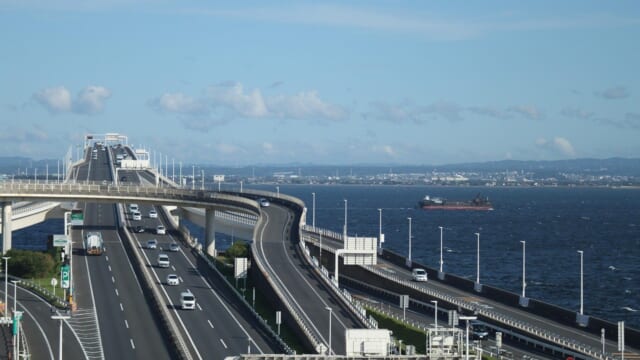
If your family road trip involves crossing from the main island of Honshu (specifically the Kansai region near Kobe) to the island of Shikoku, you will inevitably drive across the awe-inspiring Akashi Kaikyo Bridge, the longest central span suspension bridge in the world. Immediately after crossing this monumental structure, you will arrive at Awaji Service Area, located on Awaji Island in Hyogo prefecture.
This SA serves as the grand gateway to the Shikoku region and is heavily heavily designed with families in mind. Because crossing the bridge is often a major milestone in the journey, stopping here feels celebratory.
Awaji SA is divided into Outbound (heading away from Kobe) and Inbound (heading towards Kobe) sections, but brilliantly, the two sides are connected by a local road, meaning you can easily visit both facilities regardless of which direction you are traveling. This Service Area combines spectacular ocean views, engaging outdoor activities, and fantastic local food, making it an indispensable stop for families crossing the Seto Inland Sea.
The Giant Ferris Wheel and Akashi Kaikyo Bridge Views
Much like Kariya Oasis, the most prominent feature of the Awaji Service Area (specifically the Outbound side) is a massive, brightly lit Ferris wheel. Taking a ride on this Ferris wheel is an absolute must-do family activity.
The gondolas lift you high above the Service Area, providing an unparalleled, bird’s-eye view of the Akashi Kaikyo Bridge stretching across the sparkling blue waters of the strait. The view is spectacular during the day, but it is truly magical at night when the bridge is illuminated in vibrant colors.
It is a fantastic opportunity for family photos and a gentle, exciting experience for young children. If heights are not your family’s preference, the SA offers expansive, beautifully manicured gardens and observation decks right along the waterfront.
There are wide, paved walking paths where toddlers can safely toddle around, and numerous coin-operated binoculars pointing towards the bridge and passing ships. The open space and fresh sea breeze are the perfect antidotes to a stuffy car cabin.
| Facility Feature | Best For | Highlight |
|---|---|---|
| Ferris Wheel (Outbound) | All Ages | Panoramic views of the Akashi Kaikyo Bridge and Seto Inland Sea. |
| Waterfront Gardens | Toddlers / Young Kids | Safe, open space for walking and exploring safely away from cars. |
| Dog Run (Inbound) | Families with Pets | Large, fenced area for dogs to socialize and exercise safely. |
Savoring Awaji Island Specialties
A major part of the Japanese road trip experience is sampling the regional cuisine at every stop, and Awaji SA is famous for its distinct local flavors. Awaji Island is renowned throughout Japan for two primary agricultural products: onions and beef.
The food court and restaurants here heavily feature these ingredients, creating dishes that both adults and children will love. The Awaji Onion Beef Burger is a legendary local fast-food item—a juicy patty of Awaji beef topped with thick, sweet, caramelized Awaji onions.
It is a messy, delicious treat that kids will devour. If you are looking for something a bit more traditional, you can find excellent beef bowls (gyudon) or udon noodles served in a sweet onion broth.
The souvenir shops are equally impressive, selling everything from onion soups and dressings to savory onion-flavored potato chips, which make for excellent snacks for the rest of the car ride. Taking the time to enjoy a meal featuring these local ingredients overlooking the ocean turns a simple lunch break into a memorable culinary experience for the whole family.
Conclusion
A family road trip across Japan, utilizing the extensive and impeccably maintained expressway network, is an adventure that offers unparalleled freedom and flexibility. The ability to dictate your own schedule, alter your route on a whim, and pack the car with all the necessary comforts of home makes it an ideal travel style for families with children.
However, the true secret to a successful and stress-free journey lies in understanding and fully utilizing the incredible facilities offered by the Japanese highway system. Japanese Service Areas (SA), Parking Areas (PA), and the magnificent Highway Oasis complexes are not merely functional stops for fuel and restrooms; they are destinations in their own right. By carefully planning your route to include major hubs like EXPASA Ashigara, Kariya Highway Oasis, NEOPASA Okazaki, and Awaji SA, you transform the tedious act of driving into a series of exciting, highly anticipated mini-adventures.
These family-centric facilities understand that keeping children entertained and comfortable is paramount. Whether it is burning off energy on a massive rope climbing structure in Aichi, taking a thrilling ride on a giant Ferris wheel overlooking the Seto Inland Sea, or simply enjoying a playful “Okosama Lunch” served on a bullet train plate in a bright, clean food court, these stops provide the essential physical and mental breaks that children—and their parents—desperately need during a long journey.
Furthermore, the meticulous attention to detail found in the immaculate family lounges, nursing rooms, and safe, enclosed indoor play areas demonstrates a level of hospitality that significantly eases the logistical burdens of traveling with infants and toddlers. When you view the highway not just as a means to an end, but as a core part of the vacation experience, the entire dynamic of the family road trip shifts from stressful to joyful.
So, pack the car, secure your ETC card, plan your stops strategically, and embrace the journey. The incredible highway parks and playgrounds of Japan are waiting to provide your family with countless hours of entertainment and unforgettable travel memories.