Traveling with Pets in Japan: The Best Highway Rest Stops with Dog Runs
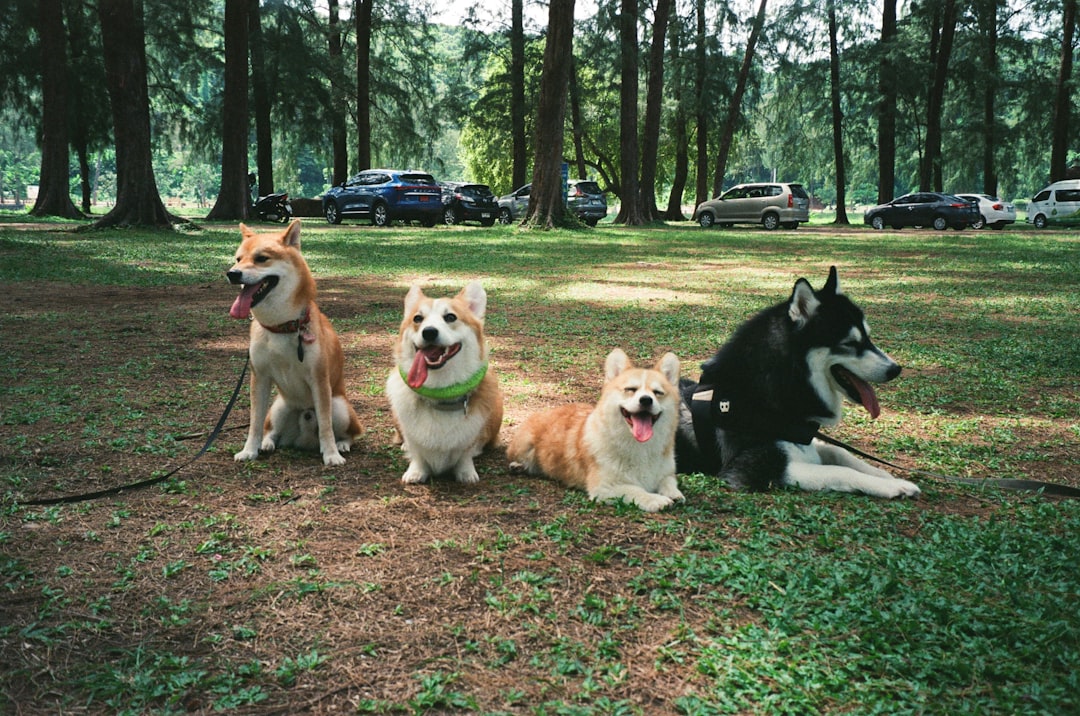
Japan is a country that deeply cherishes its pets, with small dogs like Toy Poodles, Shiba Inus, and Chihuahuas being incredibly popular companions. As the culture around pet ownership evolves, more and more domestic travelers are choosing to bring their furry friends along on road trips rather than leaving them in kennels. For expats living in Japan or international tourists who have managed the complex quarantine process to bring their pets, renting a car is unequivocally the best—and sometimes only—way to travel the country together. While the shinkansen (bullet trains) allow small pets in carriers, the strict size limits and the stress of crowded stations make driving a far more humane and enjoyable option.
Recognizing this booming trend, the operators of Japan’s expressway network (NEXCO) have massively upgraded their facilities. The days of simply walking your dog on a small patch of grass near the highway exit are gone. Today, many major Service Areas (SA) and Parking Areas (PA) feature expansive, beautifully maintained, and completely free “Dog Runs” (off-leash dog parks). These facilities allow your pet to sprint, socialize, and relieve their travel anxiety safely. This guide will highlight the absolute best pet-friendly rest stops across Japan, explaining the etiquette of using Japanese dog runs and how to ensure your road trip is comfortable for both you and your pet.
The Best Pet-Friendly Service Areas
While you can find small green spaces at almost any rest stop, true Dog Runs—fenced-in areas where dogs can safely play off-leash—are typically located at the larger, modernized Service Areas. Planning your driving route to specifically intersect with these premium facilities will make the journey infinitely more enjoyable for your dog.
Surugawan Numazu SA (Shin-Tomei Expressway)
If you are driving the heavily trafficked route between Tokyo and Nagoya on the Shin-Tomei Expressway, the NEOPASA Surugawan Numazu Service Area is widely considered the gold standard for pet-friendly travel. Not only does this SA boast incredible architecture and sweeping views of the ocean, but it also caters extensively to travelers with dogs.
The Dog Run here is massive and meticulously maintained. Importantly, it is divided into separate sections based on the size of the dog—usually one area for small/medium dogs and a separate area for large breeds. This is a common and highly appreciated feature in Japan, ensuring that smaller pets do not get overwhelmed or accidentally injured by larger, energetic dogs. The fencing is high and secure, the ground is covered in soft artificial turf or clean sand, and there are dedicated doggy drinking fountains and paw-washing stations. Beyond the Dog Run, Surugawan Numazu SA features a dedicated “Pet Cafe” area where you can sit at outdoor tables with your dog and enjoy a coffee or a meal purchased from the food court. They even have a specialized pet boutique selling high-end dog treats, travel accessories, and adorable dog-sized clothing. If you are looking for other unique features at this specific rest stop, you can read our guide on Stunning Ocean Views: Scenic Highway Rest Stops to see what else it has to offer.
EXPASA Ashigara (Tomei Expressway)
Another exceptional stop on the route out of Tokyo is EXPASA Ashigara on the older Tomei Expressway. Ashigara SA is famous for its stunning, close-up views of Mount Fuji, making it a spectacular place to let your dog stretch their legs. The pet facilities here are equally impressive, designed to give dogs a true break from the confinement of the car.
The Dog Run at Ashigara is completely free to use and features agility equipment like small ramps and tunnels, providing mental stimulation as well as physical exercise for your pet. The area is heavily shaded by large trees, which is absolutely critical during the brutally hot and humid Japanese summer months. Asphalt in Japan can reach temperatures that will severely burn a dog’s paws within seconds, so having a shaded, natural environment for them to walk on is a massive relief. Ashigara also provides dedicated disposal bins with plastic bags specifically for dog waste, making cleanup easy and sanitary. While your dog is playing, you can take turns going inside the massive complex to grab food or shop. If you are comparing routes and deciding which expressway to take out of Tokyo, our article on Ebina SA vs. Ashigara SA can help you choose the best path based on the facilities you need.
Rules and Etiquette for Japanese Dog Runs
While Japanese Dog Runs on the expressways are fantastic and free, they operate under a strict code of etiquette. Japanese society places a massive emphasis on public cleanliness and consideration for others. Failing to follow the unwritten rules of the Dog Run will quickly earn you stern looks from local pet owners and could result in you being asked to leave.
Cleanliness and Waste Management
The most absolute, non-negotiable rule of traveling with a pet in Japan is that you must clean up after them immediately and completely. This goes beyond simply picking up solid waste. You will notice that almost all Japanese dog owners carry a small water bottle with them when they walk their dogs. When a dog urinates on the pavement, a pole, or even the grass, the owner will immediately squirt water over the area to dilute the urine and wash it away. This is considered basic manners in Japan to prevent odors and stains in public spaces. You must adopt this practice immediately when using the highway rest stops.
When your dog defecates, you must pick it up using a plastic bag. At major Service Areas with designated Dog Runs, there are specific, clearly marked bins for dog waste (often labeled “ペット専用ゴミ箱” or “Pet Waste”). You must use these specific bins. Do not throw dog waste into the general combustible trash bins located near the food courts or vending machines, as this is considered highly disrespectful. Always carry extra waste bags and a dedicated water bottle specifically for washing away urine every time you let your dog out of the car.
Social Behavior and Leash Rules
Before entering the fenced off-leash Dog Run, your dog must remain on a short leash at all times in the general parking lot and walking areas. Retractable leashes (extendable leashes) are highly frowned upon in crowded public spaces like Service Areas because they create a tripping hazard for the elderly and young children. Keep your dog close to your side until you are safely behind the gates of the Dog Run.
Once inside the off-leash area, you must actively supervise your dog. Do not sit on a bench and stare at your phone. Japanese dog owners are very protective, and aggressive play or excessive barking is not tolerated well. If your dog begins to mount another dog, bark incessantly, or play too rough, it is expected that you will immediately intervene, leash your dog, and remove them from the situation to calm down. Furthermore, female dogs in heat are strictly prohibited from entering public Dog Runs. By being a polite, attentive, and extremely clean pet owner, you will find that interacting with local dog owners at these rest stops is a wonderful, heartwarming cultural exchange.
Conclusion
Traveling Japan by rental car with your pet is a deeply rewarding experience, made entirely possible by the incredible pet-friendly infrastructure of the expressway network. By utilizing the massive Dog Runs at major Service Areas, you can ensure your furry companion stays happy and healthy on the road.
To guarantee a smooth and polite road trip with your pet, remember these critical guidelines:
- Target major Service Areas: Plan stops at massive SAs like Surugawan Numazu and Ashigara, which feature separate, fenced areas for large and small dogs.
- Carry a water bottle: You are expected to immediately wash away your dog’s urine from pavement or grass with a squirt of water.
- Use designated bins: Only dispose of dog waste in the specific pet waste bins provided at the Dog Run, never in the general food court trash.
- Use a short leash outside: Retractable leashes are dangerous in crowded parking lots. Keep your dog close until you enter the fenced area.
- Actively supervise: Monitor your dog closely in the off-leash area; aggressive play or excessive barking is considered very poor manners.
By respecting the local etiquette and taking advantage of these world-class facilities, you and your pet can enjoy the ultimate Japanese road trip together in complete comfort.