Kansai to Shikoku Scenic Route: Unbeatable Ocean Views at Awaji SA
Driving from the bustling, deeply historical Kansai region (encompassing major tourist hubs like Kyoto and Osaka) across the Seto Inland Sea to the rugged, deeply spiritual island of Shikoku is an absolute highlight of any comprehensive Japanese road trip. While taking a train or a domestic flight is certainly possible, renting a car provides the unique, incredibly highly sought-after opportunity to physically drive across some of the most impressive, massive suspension bridges in the entire world. This incredible engineering marvel perfectly connects the massive main island of Honshu directly to Shikoku via the beautifully lush Awaji Island. For international tourists navigating this specific, highly scenic route, one specific highway rest stop stands completely apart as a mandatory, unforgettable destination: Awaji Service Area (Awaji SA). This guide will meticulously detail everything you absolutely need to know about driving this specific coastal route, managing the associated tolls, and fully maximizing your incredible stop at Awaji SA.
Planning Your Drive from Kansai to Shikoku
Before you eagerly merge onto the highway leaving the dense urban sprawl of Kobe or Osaka, you absolutely must have a clear, highly strategic plan for crossing the water. The Japanese highway network offers a few distinct routes connecting Honshu to Shikoku, but for raw scenic beauty and direct access to Awaji Island, the easternmost route is undeniably the absolute most popular and highly recommended choice for international tourists.
Choosing the Kobe-Awaji-Naruto Expressway
When looking closely at a detailed map of western Japan, you will clearly see three entirely distinct, massive bridge systems physically connecting the main island of Honshu directly to Shikoku. For international travelers starting their ambitious journey anywhere in the dense Kansai region (specifically major cities like Osaka, Kyoto, or Kobe) and aiming directly for the eastern side of Shikoku (like Tokushima or Takamatsu), you absolutely must explicitly choose to drive the highly engineered, incredibly scenic Kobe-Awaji-Naruto Expressway. This specific, highly famous toll road seamlessly begins on the Honshu side directly near the bustling, cosmopolitan port city of Kobe, dramatically and aggressively leaps entirely across the churning waters of the Akashi Strait using the world-famous Akashi Kaikyo Bridge, aggressively bisects the entire length of the deeply green, highly agricultural Awaji Island, and finally crosses the treacherous Naruto Strait directly into Tokushima Prefecture via the massive Naruto Bridge.
This specific, highly elevated expressway is globally renowned for its incredibly sweeping, entirely unobstructed, deeply breathtaking panoramic ocean views. However, because it heavily utilizes two massive, incredibly expensive, highly engineered suspension bridges to cross deep, active shipping lanes, it is also notoriously one of the absolute most highly expensive stretches of highway in all of Japan. It is absolutely crucial, deeply essential to deeply program your rental car’s dedicated GPS system carefully before even leaving your hotel parking lot, ensuring you explicitly, firmly select the “Kobe-Awaji-Naruto Expressway” route. If you unfortunately make a wrong turn and accidentally end up on the central Seto-Chuo Expressway (which connects Okayama to Kagawa further west), you will completely miss Awaji Island entirely and add several highly frustrating, completely unnecessary hours to your carefully planned daily driving schedule. Absolute accuracy at the massive, highly confusing, deeply complex Kobe highway junctions is absolutely essential for ensuring a smooth, deeply enjoyable, highly scenic road trip across the water. Pay close attention to the green signs.
Managing Tolls and the Honshu-Shikoku Bridge Expressway Pass
Because the Kobe-Awaji-Naruto Expressway heavily relies on massive, highly complex suspension bridges, the standard, per-kilometer highway tolls are significantly, heavily inflated compared to driving on a normal inland road. A simple, one-way drive from Kobe directly to Tokushima can easily cost well over 4,000 JPY in tolls alone, depending heavily on the specific size class of your rental vehicle. If you simply pay in physical cash at the green “一般” (General) toll booths, you are absolutely paying the absolute highest, most heavily premium rate possible.
To significantly, heavily mitigate these steep costs, international tourists absolutely must heavily utilize an ETC (Electronic Toll Collection) card, which provides immediate, automatic, and highly significant discounts on bridge crossings, particularly if you are driving during the deeply discounted weekend or late-night hours. Furthermore, if your specific, highly ambitious road trip involves heavily exploring Shikoku for several days and eventually returning to Kansai via the bridges, you must aggressively ask your rental car agency counter staff about the specific availability of the San’in-Setouchi-Shikoku Expressway Pass (SEP). This highly valuable, unlimited-use pass specifically covers the massive bridge tolls and allows for incredibly flexible, highly affordable exploration of the entire surrounding region. Securing the proper ETC equipment and researching these highly specific regional passes before you physically start driving is the absolute smartest financial decision you can make for this specific route.
- Beware of High Winds: The massive suspension bridges are heavily exposed to strong ocean crosswinds. The speed limit is frequently reduced, and motorcycles are occasionally banned entirely during severe storms. Gripping the steering wheel firmly is highly advised.
- Do Not Stop on the Bridge: It is strictly, highly illegal and incredibly dangerous to stop your vehicle on the bridge shoulder simply to take a photograph. You must wait until you safely reach Awaji SA.
- ETC is Essential: Using the dedicated purple ETC lanes at the bridge toll plazas prevents massive traffic backups and automatically applies crucial weekend discounts.
- Check the Naruto Whirlpool Tides: If you plan to stop and view the famous Naruto Whirlpools at the end of the route, you absolutely must heavily research the daily tide tables online, as the whirlpools only appear during specific tidal shifts.
The Awaji SA Experience: The Gateway to Shikoku
Immediately after you successfully navigate the massive, deeply impressive Akashi Kaikyo Bridge from the Kobe side, you will instantly, seamlessly arrive directly on the northern tip of Awaji Island. This is exactly where you will find the massive, deeply iconic Awaji SA. This is absolutely not a minor, easily skippable rest stop; it is a major, highly celebrated tourist destination completely in its own right and the absolute perfect place to safely stop, stretch your tired legs, and truly appreciate the massive engineering marvel you just drove across.
Spectacular Views of the Akashi Kaikyo Bridge
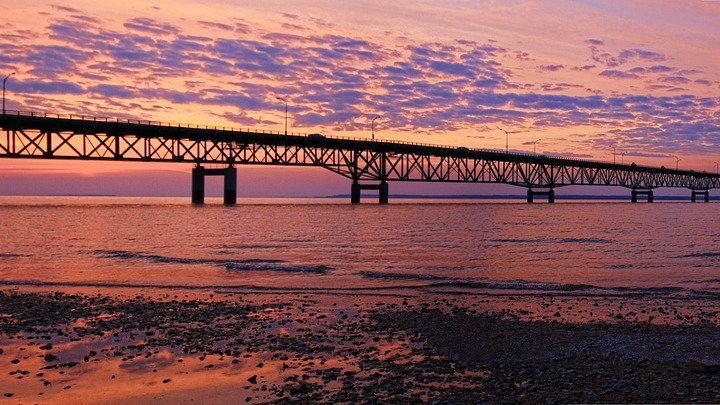
The absolute primary, most highly compelling, deeply persuasive reason to intentionally, deliberately stop your car at Awaji SA is the completely unparalleled, highly unobstructed, incredibly dramatic, deeply overwhelming view it offers of the massive Akashi Kaikyo Bridge. Proudly holding the highly prestigious, deeply respected engineering record as one of the absolutely longest, most massive central span suspension bridges in the entire world, this incredible, highly complex steel structure completely dominates the surrounding coastal skyline. Awaji SA is geographically, strategically, flawlessly located directly adjacent to the massive southern anchor blocks of the bridge, providing an incredibly close, highly dramatic, deeply awe-inspiring perspective that simply cannot be found anywhere else on the entire island.
The massive, sprawling rest stop complex heavily features several incredibly large, beautifully maintained, completely open-air, deeply secure wooden observation decks specifically, deliberately designed for high-quality, entirely unobstructed tourist photography. During the bright, clear, sunny daylight hours, the massive, soaring white steel towers of the bridge completely contrast beautifully and starkly against the deep, vibrant, highly reflective blue of the active Seto Inland Sea. However, many highly experienced, professional local photographers and deeply romantic couples intentionally, strategically, highly specifically time their demanding drive to specifically arrive at Awaji SA directly at sunset or early in the quiet evening. When the sun finally goes down, the entire massive, sprawling length of the bridge is completely, beautifully, elegantly illuminated by literally thousands of carefully placed, highly colorful LED lights, creating a genuinely magical, highly memorable, entirely cinematic, deeply romantic atmosphere. Taking a long, quiet, highly relaxing, deeply appreciative break on this massive, breezy viewing deck to simply admire the softly illuminated bridge perfectly, flawlessly transitions your tired mind from the stressful, highly aggressive, deeply chaotic urban driving of Kobe into a much more relaxed, deeply appreciative, highly calm vacation mindset. It is the absolute perfect start to any Shikoku road trip.
Taking a Ride on the Iconic Ferris Wheel
As you rapidly approach Awaji SA on the elevated highway, the very first, highly surprising thing you will visually notice is absolutely not the massive gas station canopy or the sprawling food court buildings; it is the massive, incredibly bright, highly colorful, deeply unexpected Ferris wheel completely dominating the rest stop’s immediate skyline. This is a highly unique, deeply unexpected, incredibly entertaining architectural feature that completely, entirely sets Awaji SA apart from almost any other standard, highly utilitarian highway facility in the entire country. The massive, highly visible Ferris wheel stands proudly and prominently at an incredibly impressive 65 meters tall, slowly, gracefully turning directly next to the loudly rushing, highly aggressive commercial traffic of the busy expressway.
Purchasing a highly affordable, deeply inexpensive ticket (usually costing around 600 JPY per adult) for a slow, highly relaxing, completely quiet 15-minute ride on this massive, deeply impressive wheel is a highly recommended, deeply enjoyable, surprisingly calm experience for families with children and romantic couples alike. As your entirely enclosed, highly secure, deeply comfortable glass gondola slowly, steadily, quietly rises high above the concrete highway and the bustling parking lot, you are heavily, instantly rewarded with absolutely incredible, massive, deeply breathtaking 360-degree panoramic views of the entire surrounding coastal region. You can clearly, perfectly see the massive, entire sprawling expanse of the Akashi Kaikyo Bridge stretching out to Honshu, the deep blue, highly active waters of Osaka Bay filled with cargo ships, and the lush, deeply green, heavily forested, highly agricultural hills of northern Awaji Island rolling away to the south. Many of the newer, highly modern gondolas on the wheel are highly uniquely equipped with completely clear, see-through glass floors, providing a highly thrilling, slightly terrifying, entirely unique perspective of the concrete ground far below your feet. This highly unique, deeply entertaining roadside attraction perfectly, undeniably demonstrates the highly specific, deeply creative Japanese design philosophy of actively, intentionally transforming a highly mundane, incredibly boring, purely functional highway rest stop into a genuinely fun, deeply engaging, highly memorable family entertainment destination.
Navigating the Massive Rest Stop Layout
Because Awaji SA is geographically located at such a massive, highly critical chokepoint between Honshu and Shikoku, it is an incredibly large, highly complex, deeply sprawling facility designed to handle massive volumes of heavy traffic. Navigating the physical layout of this massive rest stop requires a bit of highly strategic planning, especially if you are specifically trying to meet up with friends or find a specific, highly recommended restaurant.
The Difference Between Inbound and Outbound Facilities
Like almost all major, highly developed, incredibly massive Japanese highway Service Areas, Awaji SA is physically, completely, intentionally divided into two entirely separate, massive, highly distinct facilities located on completely opposite sides of the massive highway. There is the bustling “Outbound” (下り – Kudari) facility, deeply designed exclusively for drivers aggressively heading away from Kobe and traveling south directly toward the island of Shikoku. Conversely, there is the completely separate, equally massive “Inbound” (上り – Nobori) facility, specifically built and designed for drivers heading north, returning from their long trip in Shikoku back toward the massive, highly congested urban center of Kobe.
While both massive sides offer incredibly clean, highly modern restrooms, incredibly large, highly diverse food courts, and massively convenient 24-hour gas stations, they are completely, distinctly different in their specific physical layout, specific restaurants, and available unique attractions. Crucially, the massive, highly famous Ferris wheel and the absolute best, most highly unobstructed, deeply dramatic viewing angles of the massive Akashi Kaikyo Bridge are specifically, exclusively located entirely on the Outbound (Kudari) side of the facility. If you are specifically driving south from Kobe to Shikoku, you will easily, seamlessly, naturally pull directly into this highly desirable, highly entertaining side. However, if you are driving north from Shikoku back to Kobe, you will naturally pull into the Inbound (Nobori) side, which features a significantly different, slightly more heavily obstructed angle of the bridge and completely lacks the Ferris wheel. It is absolutely highly critical, deeply essential to deeply understand exactly which specific direction you are actively traveling on the highway to accurately set your highly specific expectations for exactly which unique facilities and specific, highly desired restaurants will actually be physically available to you when you finally safely park your rental car. Preparation is key to avoiding deep disappointment.
Free Shuttle Buses and Easy Highway Access
To highly intelligently, safely solve the highly frustrating physical separation between the two massive, divided facilities, Awaji SA offers an incredibly unique, highly useful, entirely free logistical feature: the facilities are directly, physically connected by a highly dedicated, heavily utilized internal roadway that passes completely safely under the roaring main highway. Even more conveniently for weary drivers who do not want to move their parked cars, the rest stop actually operates a completely free, highly reliable, incredibly frequently running internal shuttle bus that seamlessly, continuously loops directly between the massive Outbound (Kudari) side, the sprawling Inbound (Nobori) side, and the nearby Awaji Highway Oasis (which is a massive, sprawling adjacent public park, botanical garden, and highly premium commercial complex).
This incredible service means that if you are deeply unfortunately parked on the Inbound side but desperately, strongly want to ride the famous, towering Ferris wheel exclusively located on the Outbound side, you absolutely do not have to illegally, highly dangerously attempt to run across the active, highly dangerous highway lanes. You simply wait patiently at the clearly marked, highly visible bus stop, board the free, highly comfortable internal shuttle, and easily, safely travel between the massive complexes in complete, relaxed safety. Furthermore, Awaji SA uniquely features a highly convenient, incredibly useful “Smart IC” (Smart Interchange). This is a dedicated, ETC-only automated highway exit that cleverly allows you to easily, seamlessly leave the massive rest stop and instantly, directly enter the local, entirely toll-free rural roads of Awaji Island. This feature is absolutely perfect, highly recommended if your highly specific itinerary involves thoroughly exploring the beautiful, deeply rural island of Awaji for a few highly enjoyable hours before eventually getting back on the main highway to aggressively push south toward your final destination in Shikoku. It offers complete, highly flexible travel freedom without penalty.
Facility Side Direction of Travel Key Attractions Observation Deck View Awaji SA (Outbound) From Kobe to Shikoku Ferris Wheel, Massive Food Court Absolute best, entirely unobstructed view of the bridge Awaji SA (Inbound) From Shikoku to Kobe Extensive Souvenir Shops, Starbucks Good view, but slightly different angle Awaji Highway Oasis Accessible from either side Massive Public Park, High-End Restaurants Lush greenery, relaxed garden atmosphere
Tasting the Local Awaji Island Cuisine
You absolutely cannot visit Awaji Island—even if you are only stopping for a highly brief, 30-minute break at the highway Service Area—without aggressively, enthusiastically sampling the incredible, highly famous local food. The island is historically, deeply renowned throughout all of Japan for producing incredibly high-quality, deeply flavorful agricultural products and highly fresh seafood, all of which are proudly, prominently featured heavily in the massive SA food courts.
Trying the Famous Awaji Onion Beef Burger
If there is absolutely one single, highly specific, deeply famous local ingredient that completely, undeniably defines the massive culinary reputation of Awaji Island across the entire country, it is undoubtedly the Awaji onion. Because of the island’s completely unique, highly specific, heavily sandy soil composition and the deeply mild, highly pleasant, highly stable climate naturally provided by the surrounding Seto Inland Sea, the local onions grown here are globally famous for being incredibly sweet, highly juicy, incredibly crisp, and entirely lacking the harsh, highly acidic stinging pungency typically found in normal, standard supermarket onions. The absolute best, most highly satisfying, deeply delicious way to enthusiastically experience this incredible local ingredient directly at the rest stop is by aggressively, immediately ordering an Awaji Onion Beef Burger.
This is absolutely, unequivocally not a sad, thin, highly processed, heavily frozen fast-food burger that you might regrettably find on a rural American interstate. The massive, highly dedicated, incredibly busy burger stands located directly within the massive Awaji SA food court painstakingly construct these incredible, towering, highly complex sandwiches using thick, highly juicy, hand-formed patties made directly from premium, highly prized, locally raised Awaji beef. However, the true, undeniable, highly celebrated star of the entire massive dish is the massive, incredibly thick, highly generous slice of locally grown Awaji onion. This massive onion slice is either perfectly, slowly, deeply caramelized on a flat top grill to a deeply sweet, highly rich, complex brown, or heavily battered and deeply fried into an incredibly crispy, highly satisfying, massive onion ring. The deeply sweet, highly complex, intensely flavorful profile of the famous onion perfectly, flawlessly cuts completely through the rich, heavy, highly savory fat of the premium local beef, creating an incredibly balanced, highly memorable, genuinely delicious, highly filling meal that heavily, easily rivals highly expensive, high-end gourmet burger restaurants in major cities like Tokyo or Osaka. It is the absolute quintessential, highly mandatory, deeply satisfying highway meal when traveling strictly through this highly specific, deeply proud agricultural region.
Sampling Fresh Local Seafood and Shirasu Donburi
Because Awaji Island is completely, entirely surrounded by the highly nutrient-rich, deeply active, highly diverse waters of the massive Seto Inland Sea and the swirling, incredibly powerful, highly turbulent tidal currents of the famous Akashi Strait, the local access to incredibly fresh, highly prized, incredibly delicious seafood is absolutely exceptional and highly abundant. The massive, highly busy food courts and the slightly more formal, quieter sit-down restaurants located directly inside the massive Awaji SA building heavily, aggressively, and highly proudly capitalize on this massive geographical, highly advantageous location.
If you are deeply, highly interested in eating an incredibly fresh, highly traditional, deeply satisfying Japanese seafood lunch without spending a fortune, you absolutely must look directly for the highly popular, incredibly delicious Shirasu Donburi (whitebait rice bowl). Shirasu are incredibly tiny, highly delicate, highly seasonal young fish that are caught directly, incredibly fresh off the highly productive coast of the island daily. At the massive highway rest stop, they are typically served completely, entirely raw (nama-shirasu)—which is honestly only strictly, safely possible when they are incredibly, exceptionally fresh from the ocean—or lightly, perfectly boiled in highly salted water (kama-age shirasu), generously, heavily piled extremely high in a massive, beautiful mound over a massive, steaming bowl of locally grown, high-quality, highly polished white rice. The delicate, highly refined dish is usually highly elegantly, beautifully garnished with a bright orange, perfectly raw local quail egg, incredibly pungent, freshly grated raw ginger, and a light splash of highly savory, slightly sweet local soy sauce. It is an incredibly light, deeply refreshing, highly protein-dense, and entirely authentic local, deeply traditional meal that immediately provides an incredible, deeply highly satisfying, highly healthy alternative to the significantly heavier, highly fried, heavily processed foods typically found at standard international highway rest stops around the world. You must taste the freshness to believe it.
Practical Tips for Foreign Drivers
Beyond the massive Ferris wheel, the incredible bridge views, and the highly delicious local onion burgers, Awaji SA is fundamentally, deeply designed to be an incredibly functional, highly efficient logistical hub for long-distance drivers. Understanding how to heavily utilize the essential, highly practical facilities will absolutely make your intense drive to Shikoku significantly smoother and deeply stress-free.
Utilizing Clean Restrooms and Rest Areas
As is highly, consistently standard across the entire premium, highly maintained Japanese highway network, the massive public restrooms at Awaji SA are absolutely incredibly, completely spotless, deeply hygienic, and highly, heavily modernized. The massive, sprawling facility actively features literally dozens of highly private, fully enclosed, deeply secure stalls heavily equipped with incredibly modern, highly complex electronic washlet (bidet) toilets featuring deeply comfortable heated seats and automated, highly silent flushing sensors. For international travelers aggressively trying to deeply avoid the highly dirty, entirely unpleasant, deeply depressing, often entirely unsanitary public restroom experiences often found on foreign highways, these absolutely pristine, highly maintained Japanese facilities are a massive, highly welcoming, deeply comforting relief that significantly reduces travel anxiety.
Furthermore, if you have been intensely, aggressively navigating the highly complex, incredibly stressful, highly confusing traffic leaving the massive, chaotic city of Kobe for hours and firmly, desperately need a quiet place to physically rest before tackling the demanding, highly windy bridge crossing, Awaji SA provides numerous, highly comfortable, deeply quiet indoor and beautifully landscaped outdoor seating areas. You can easily, quickly purchase a hot, freshly brewed, high-quality coffee from the massive, fully staffed Starbucks (which is strategically, brilliantly, perfectly located on the edge of the property to offer massive, sweeping, highly unobstructed views of the entire bridge), sit deeply back in a comfortable, heavily padded chair, and completely, thoroughly mentally reset your exhausted brain. If you are deeply, severely exhausted from jet lag or a long drive, it is highly, completely acceptable to securely lock your rental car doors, slightly recline your seat, and safely take a quiet, highly necessary, deeply refreshing nap in the massive, well-lit, highly monitored, highly secure parking lot before finally getting back on the demanding road. The entire primary goal of the massive facility is to actively, safely, and effectively reduce highly dangerous driver fatigue before continuing the journey.
Souvenir Shopping for Unique Local Goods
Japanese highway Service Areas are deeply, globally famous for their incredibly massive, highly curated, deeply impressive souvenir (omiyage) shops, and Awaji SA is absolutely no exception to this incredible, highly unique national rule. Before you finally, aggressively leave the massive facility to cross the remaining highway into Shikoku, you absolutely must deliberately dedicate at least a full 20 minutes to thoroughly, deeply exploring the massive, highly bustling, highly brightly lit retail area located directly adjacent to the main food court.
The massive shops heavily, proudly, completely focus on incredibly high-quality, highly specific local agricultural and artisan products that you simply cannot easily buy in the major, crowded tourist cities of Kyoto or Tokyo. You will reliably, instantly find an absolutely massive, completely overwhelming variety of highly unique food products explicitly utilizing the famous, highly sweet Awaji onions, including highly savory, deeply rich onion soups, completely addictive, heavily seasoned onion-flavored potato chips, and highly complex, deeply flavorful onion-based salad dressings that make incredible, highly packable gifts for friends and family back home. Furthermore, the specific local Awaji region is highly, historically famous for producing deeply fragrant, incredibly high-quality traditional Japanese incense, which actively makes for an incredibly lightweight, highly unique, easily packable souvenir to confidently, proudly take back home to your family. Buying these highly specific, deeply local, incredibly authentic items directly at the massive highway rest stop entirely saves you the massive, deeply frustrating, highly time-consuming hassle of frantically searching for heavy, bulky souvenirs later in your busy trip, completely allowing you to heavily focus your remaining, precious vacation time entirely on actual, highly enjoyable sightseeing when you finally arrive at your final destination in Shikoku. It is highly strategic, highly efficient shopping that significantly enhances your overall travel experience while fully supporting the vital local economy.
Conclusion
Driving heavily, confidently from the bustling, highly urbanized, deeply chaotic Kansai region across the deep, highly scenic, highly turbulent ocean water directly to the rugged, highly spiritual, incredibly beautiful island of Shikoku is an absolutely phenomenal, deeply unforgettable, highly recommended road trip experience. It completely, flawlessly highlights the massive, highly impressive civil engineering capabilities and the stunning, raw, deeply preserved natural beauty of the Japanese islands. Navigating the highly complex, incredibly massive, highly elevated Kobe-Awaji-Naruto Expressway requires careful, highly strategic, deeply meticulous planning, particularly regarding the heavily inflated, highly expensive suspension bridge tolls and the highly necessary, absolute fundamental requirement of deeply securing a dedicated ETC card before you begin. However, the massive, highly tangible, deeply satisfying reward for taking this specific, highly scenic, slightly more expensive route is the incredible, highly unique, entirely memorable opportunity to actively, deeply experience Awaji SA.
This massive, highly sprawling, deeply impressive highway facility is absolutely not just a simple, deeply boring, entirely utilitarian place to quickly refuel your rental car and rapidly grab a highly processed, sad, deeply depressing snack. It is a massive, highly curated, deeply exciting, highly entertaining destination entirely in its own right. From the completely unparalleled, highly unobstructed, incredibly breathtaking panoramic viewing decks of the massive Akashi Kaikyo Bridge and the deeply surprising, highly entertaining, deeply visible presence of a massive, 65-meter tall illuminated Ferris wheel, to the absolutely incredible, highly delicious, deeply fresh local culinary offerings like the deeply sweet, highly savory Awaji Onion Beef Burger, the massive rest stop completely, flawlessly, perfectly encapsulates the absolute highest, most deeply impressive standards of modern Japanese highway hospitality. By highly intelligently, deliberately, and strategically planning your long, highly demanding drive to explicitly, deliberately include a long, highly relaxing, deeply appreciative, unhurried stop at Awaji SA, you actively, successfully, and completely transform a highly mundane, incredibly stressful highway transit into one of the absolute most deeply memorable, highly enjoyable, entirely unique highlights of your entire Japanese road trip vacation. Enjoy the ride, take plenty of photos, and definitely ride the Ferris wheel.