Tokyo to Mt. Fuji: Best Highway Stops Including Ashigara SA’s Onsen
Renting a car and driving from the massive urban sprawl of Tokyo to the iconic slopes of Mt. Fuji is arguably one of the most rewarding and popular road trips you can take in Japan. While the public transportation system is incredibly efficient, having your own vehicle gives you the absolute freedom to explore hidden lakes, stop at rural viewpoints, and travel at your own comfortable pace without worrying about strict train schedules. However, navigating the Japanese highway system for the first time can feel a bit overwhelming for international visitors. You will encounter massive, multi-lane toll roads, complex electronic payment gates, and traffic signs in a foreign language. The key to turning this potentially stressful drive into an enjoyable part of your vacation is knowing exactly where to take a break. The Japanese Service Area (SA) network is globally renowned for its incredible cleanliness, high-quality food, and unique attractions. This guide will walk you through the essential steps of driving from Tokyo to Mt. Fuji, focusing heavily on the best places to stop and recharge, particularly highlighting the famous EXPASA Ashigara.
Planning Your Route from Tokyo to Mt. Fuji
Before you even turn the key in the ignition of your rental car, you need to understand the fundamental layout of the roads leading out of the capital. Tokyo is connected to the Mt. Fuji region by several major expressways, but choosing the right one is absolutely critical for saving time and maximizing your sightseeing opportunities along the way. You also need to be prepared for how to pay for the privilege of using these fast, well-maintained roads.
Choosing the Tomei Expressway
For the vast majority of international travelers heading from central Tokyo directly toward the highly popular, world-famous Mt. Fuji viewing areas—such as Kawaguchiko (the incredibly scenic Fuji Five Lakes region), the historic hot spring resort town of Hakone, or the massive, sprawling Gotemba Premium Outlets—the Tomei Expressway is absolutely the undisputed best, most highly recommended choice for your route. This massive, highly engineered, incredibly smooth toll road runs roughly parallel to the beautiful Pacific coastline before deliberately and sharply cutting inland toward the rugged, deeply forested mountainous interior of Shizuoka Prefecture. It is generally recognized as the absolute fastest, most highly direct, and arguably most scenic route available, but it is also undeniably one of the most heavily trafficked, massively utilized commercial and commuter roads in the entire country, especially during peak morning rush hours on weekdays and during massive national holiday weekends like Golden Week or Obon in August.
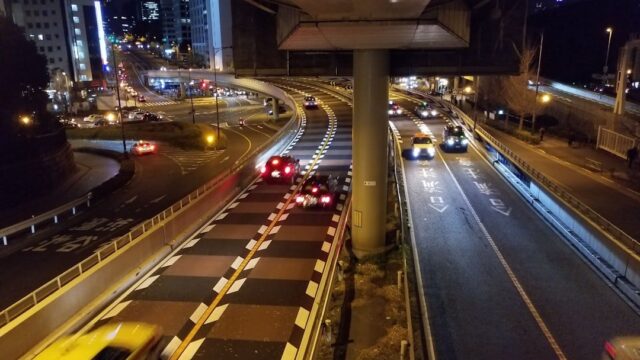
When you initially enter the highly complex, massively elevated Shuto Expressway system from within central Tokyo, your absolute primary goal is to carefully follow the prominent, highly visible green overhead directional signs aggressively directing you toward the Tomei Expressway. The physical transition between the dense urban toll roads and the main national highway is usually highly seamless and well-marked, but physical traffic can back up significantly at the major connecting junctions. By deliberately choosing the Tomei Expressway, you are strategically setting yourself up to easily access some of the absolute largest, most highly invested, and most culturally interesting Service Areas in all of Japan, which are specifically designed to cater to massive volumes of long-distance tourists and highly demanding commercial truck drivers. It is highly, strongly recommended to meticulously program your rental car’s built-in GPS system (or firmly mount your phone and set up Google Maps in English) well before you actually leave the rental agency parking lot, ensuring you clearly, absolutely understand exactly which specific interchange you need to eventually exit to safely reach your final destination around the massive mountain. Preparation is the key to a stress-free start.
Understanding Expressway Tolls and Passes
Driving on the expressways in Japan is incredibly smooth and efficient, but it is also undeniably expensive. A one-way trip from central Tokyo to the Mt. Fuji area (such as exiting at the Gotemba Interchange) will easily cost several thousand yen in toll fees alone. If you simply plan to drive to Mt. Fuji, stay for a few days, and drive straight back to Tokyo, you will likely just pay the standard point-to-point tolls. However, if you are planning a much longer, multi-day road trip that extends further across the country, you absolutely must look into an Expressway Pass.
For international tourists renting a car, companies offer specific, unlimited-use highway passes, such as the Japan Expressway Pass (JEP). These passes allow you to pay a single, flat daily rate for virtually unlimited travel on the national toll road network. The pass is physically linked to an ETC (Electronic Toll Collection) card, which you simply insert into the dedicated card reader located inside your rental car. If your itinerary involves heavy daily driving across multiple prefectures over the course of a week or two, a pass can easily save you a massive amount of money. Always ask your rental car agency counter staff about the availability and cost of these passes when you pick up your vehicle, as they must be arranged and activated before you actually get on the highway.
- Avoid the Rush Hour: Traffic leaving Tokyo is notoriously heavy between 7:00 AM and 10:00 AM. Try to leave very early in the morning or closer to midday.
- Left Lane is for Cruising: Always stay in the left lane unless you are actively passing a slower vehicle. The right lane is strictly for overtaking.
- Follow the Speed Limits: The speed limit on the Tomei Expressway is typically 100 km/h, but it can quickly drop to 80 km/h in mountainous areas or heavy rain.
- Use the ETC Gates: If you have an ETC card, always drive slowly through the purple gates marked “ETC”. If paying with cash or a credit card, use the green “一般” (General) gates.
First Stop: Navigating the Busiest Highway Corridors
As you finally break free from the dense urban congestion of central Tokyo and merge onto the open lanes of the Tomei Expressway, the reality of a long highway drive sets in. The scenery initially consists mostly of concrete sound barriers and suburban sprawl. This early stage of the journey is precisely when you should plan your very first rest stop, ensuring you remain alert and comfortable for the more demanding mountain driving ahead.
Why You Should Stop Early for Coffee and Rest
It is a highly common, frequently repeated mistake for enthusiastic international drivers to stubbornly, aggressively push through the first few highly demanding hours of a road trip completely without stopping, desperate to reach the famous, highly scenic parts of the journey as quickly as humanly possible. However, successfully navigating the highly aggressive, incredibly fast-paced, deeply complex traffic flow rapidly leaving the Tokyo metropolis requires an immense, highly draining amount of sheer mental concentration, especially if you are absolutely not accustomed to driving on the left side of the road or rapidly reading complex Japanese highway signage at high speeds.
Taking a deliberate, carefully planned, and highly strategic break within the very first hour of your drive is an incredibly smart, highly recommended move for any driver. Pulling into a massive, incredibly busy facility like Ebina SA (which is conveniently located roughly 45 minutes to an hour outside of central Tokyo, depending heavily on the morning traffic) gives you a crucial, highly necessary opportunity to physically stretch your cramped legs, comfortably use a remarkably clean, highly modern public restroom, and grab a high-quality, freshly brewed coffee from a familiar chain. These early, highly strategic stops are absolutely not just about achieving physical rest; they critically allow your overworked brain to slowly process and safely decompress from the initial, high-level stress of navigating the chaotic city traffic. You can happily grab a freshly baked, incredibly famous melon pan (a sweet, highly popular Japanese bread covered in a crisp cookie crust) from the massive, bustling in-house bakeries, carefully double-check your digital GPS routing for the next leg, and completely, thoroughly mentally reset before tackling the significantly steeper, highly demanding mountain inclines and winding, sharp curves that rapidly approach the Mt. Fuji region. A quick, highly efficient 20-minute break very early in the journey drastically and noticeably reduces overall, highly dangerous driver fatigue and makes the absolute rest of the massive trip significantly safer and far more genuinely enjoyable for absolutely everyone sitting in the car. It is the smartest way to travel.
Using the ETC System Smoothly
As you steadily approach and carefully enter these massive, highly complex major Service Areas, or when you eventually, finally exit the Tomei Expressway at your highly anticipated destination near Mt. Fuji, you will constantly and repeatedly interact with the massive, multi-lane highway toll gates. If you highly wisely and strategically opted to specifically rent a dedicated ETC (Electronic Toll Collection) card along with your rental vehicle, you will absolutely experience the absolute most seamless, incredibly efficient, and deeply satisfying way to travel across the country. The brilliant ETC system entirely, completely removes the highly stressful, incredibly frustrating, and often dangerous need to fully stop your car in a busy lane, frantically fumble for physical, unfamiliar cash or international credit cards, and awkwardly attempt to communicate with a toll booth attendant in a foreign language while cars wait angrily behind you.
When rapidly approaching a massive toll plaza on the highway, you absolutely must carefully look up at the massive, brightly lit overhead signs well in advance to choose your lane. You are specifically, exclusively looking for the clearly marked lanes featuring a bright, unmistakable purple sign that prominently and boldly displays the English letters “ETC.” You must actively slow your vehicle down to a safe, crawling speed of exactly 20 km/h as you approach the electronic gate barrier. A highly sensitive wireless sensor located directly above the lane will communicate instantly and seamlessly with the small card reader physically mounted inside your rental car, the barrier gate will automatically and rapidly lift, and a small, highly visible digital display will briefly flash the exact monetary cost of the toll you just incurred. If you absolutely do not have an active, inserted ETC card, you must absolutely, actively avoid the purple lanes entirely and instead carefully navigate to the lanes marked with a bright green sign that clearly says “一般” (General). Here, you will be forced to take a physical paper ticket from a machine when entering the highway, and you will physically hand that ticket to a human attendant (or insert it into an automated machine) and manually pay with cash or a credit card when you finally exit. Avoid the hassle if you can.
EXPASA Ashigara: The Ultimate Highway Rest Stop Experience
As you drive further west along the Tomei Expressway and the massive, unmistakable silhouette of Mt. Fuji begins to dominate the horizon, you will approach one of the absolute best rest stops in the entire country. EXPASA Ashigara is not just a place to park your car and use the restroom; it is a massive, multi-level commercial complex that essentially functions as a standalone tourist destination. It is the perfect place to take a long, relaxing break before finalizing your drive to the lakes or the mountains.
The Incredible Hot Spring (Onsen) Facility
One of the most genuinely shocking, highly impressive, and deeply luxurious features of EXPASA Ashigara (specifically and exclusively located on the Outbound/Nagoya-bound side of the highway) is the prominent presence of a fully functional, highly relaxing, completely natural hot spring bathhouse (onsen) located entirely and conveniently within the main rest stop building itself. For a very reasonable, highly affordable entrance fee (usually well under 1,000 JPY for an adult), heavily weary, deeply stressed drivers and exhausted passengers can completely, entirely escape the loud noise, bright lights, and high-speed stress of the adjacent highway for a few glorious hours of pure relaxation.
You simply park your rental car in the massive lot, casually walk inside the bustling main building, and easily purchase a paper entrance ticket from a simple, highly automated vending machine near the entrance. The immaculate facility generously provides incredibly clean, fluffy towels, highly secure, lockable metal lockers for safely storing your wallets and valuables, and a massive, beautifully designed communal bathing area featuring deeply mineral-rich, incredibly hot volcanic water pumped directly from the earth. There are honestly very few things in the entire world more profoundly satisfying or deeply healing than fully soaking your stiff, aching back and tired legs in a massive, hot Japanese bath after spending hours tensely gripping a steering wheel in heavy, frustrating traffic. The bathhouse complex also features a deeply quiet, dedicated relaxation room highly equipped with deeply reclining, heavily padded chairs and massive, silent televisions, where you can easily and safely take a quick, highly restorative 30-minute nap before getting back out on the demanding road. If you are deeply, profoundly exhausted from your journey, this incredible onsen facility is an absolute, undeniable lifesaver. It is the absolute perfect, highly unique, and deeply memorable introduction to authentic Japanese bathing culture, conveniently located literally steps away from your parked car, ensuring you arrive at your final destination feeling completely refreshed and energized rather than drained and sore.
Spotting Mt. Fuji from the Observation Deck
Beyond the incredible, deep physical relaxation provided by the indoor hot springs, EXPASA Ashigara offers one of the absolute best, most highly accessible, completely free scenic viewpoints to be found on the entire length of the Tomei Expressway route. Because this specific Service Area is geographically and strategically located at a significantly high, highly prominent elevation directly in the rolling green foothills surrounding the massive volcano, the sprawling outdoor spaces actively provide a massive, sweeping, incredibly unobstructed panoramic view of Mt. Fuji that is absolutely breathtaking.
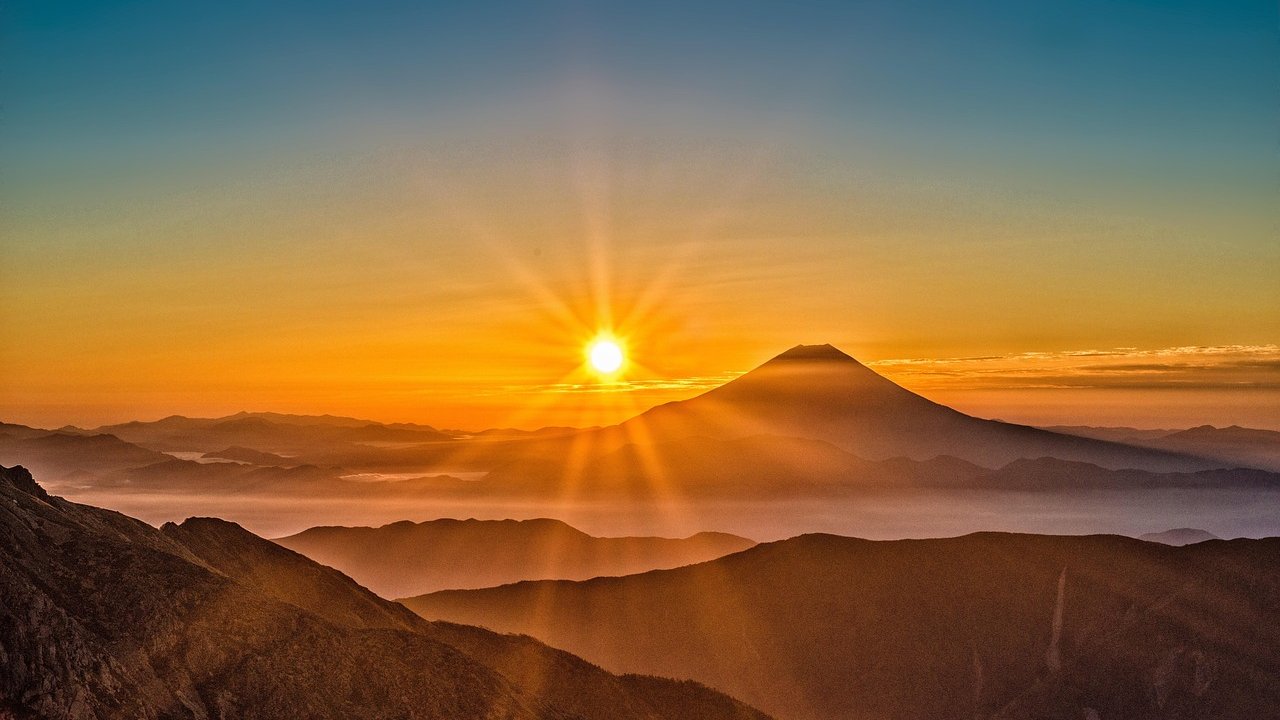
You absolutely must make the minimal physical effort to walk entirely away from the bustling, highly noisy main indoor food court and head directly outside toward the large, clearly marked, beautifully maintained wooden observation decks situated at the edge of the property. On a clear, bright, sunny day, the massive, perfectly symmetrical, snow-capped cone of the famous mountain completely and overwhelmingly fills your entire field of vision, providing an absolutely spectacular, highly memorable photo opportunity without ever actually having to leave the confines of the massive highway system. Many highly experienced, local travelers intentionally and strategically plan their entire driving schedule to specifically arrive at EXPASA Ashigara just before sunset, specifically to quietly watch the fading, beautiful golden light slowly hit the side of the massive mountain and change its colors. Even if the actual peak is unfortunately partially obscured by fast-moving, unpredictable mountain clouds (which is incredibly common throughout the year), the sheer, undeniable scale of the surrounding mountain range and the deep, heavily forested green valleys located far below are incredibly impressive to witness. This massive, sprawling open-air deck provides a crucial, highly necessary mental break from the highly enclosed, intensely hyper-stimulating environment of the small rental car and the heavily crowded, noisy food courts, allowing you to finally breathe deeply of the fresh, crisp mountain air and truly, genuinely appreciate the raw natural beauty of the Japanese landscape before you even officially arrive at your booked hotel. It is a must-see stop.
Facility Name Direction Key Features Best For EXPASA Ashigara Outbound (Toward Mt. Fuji) Hot Spring (Onsen), Mt. Fuji Observation Deck Long relaxing breaks, scenic photography Ebina SA Outbound (Toward Mt. Fuji) Massive Food Court, Famous Melon Pan Bakery Quick breakfasts, high-energy snacking EXPASA Ashigara Inbound (Toward Tokyo) Extensive Souvenir Shops, Local Restaurant Options Buying gifts before returning the rental car
Exploring Local Cuisine on the Road
A major part of any Japanese road trip is experiencing the highly regional, incredibly specific local foods. You do not need to wait until you arrive at a fancy restaurant in Kawaguchiko to start eating well. The major Service Areas along the Tomei Expressway take massive pride in representing the culinary traditions of the specific prefecture they are located in.
Trying Authentic Gotemba Soba Noodles
As you confidently drive your rental car through the massive, highly agricultural expanse of Shizuoka Prefecture, particularly the incredibly scenic area immediately surrounding the bustling city of Gotemba located directly near the base of Mt. Fuji, you are officially passing through a highly famous region incredibly renowned for its pristine, exceptionally clean, mineral-rich volcanic spring water. This incredibly clean, highly prized natural water is the absolute most critical, highly essential ingredient specifically required for producing incredibly high-quality, highly authentic traditional Japanese soba (buckwheat noodles). Consequently, the massive, highly curated food courts located directly inside EXPASA Ashigara heavily and proudly feature absolutely excellent, highly authentic, incredibly delicious local soba noodle stands.
You can easily step up to the counter and order a massive, steaming, highly satisfying bowl of hot soba served in a complex, deeply savory, perfectly balanced soy and fish dashi broth, incredibly often generously topped with freshly fried, incredibly crispy, locally sourced seasonal vegetable tempura. Alternatively, during the incredibly hot, intensely humid, highly oppressive summer months that plague Japan, you can highly intelligently order the exact same high-quality noodles served completely chilled and refreshing on a traditional flat bamboo tray (known as zaru soba). This specific style is designed to be quickly, lightly dipped into a highly concentrated, deeply salty soy sauce mixed generously with fresh, highly spicy, nose-clearing local wasabi. Eating these highly regional, perfectly textured, incredibly fresh noodles at a bustling highway rest stop is a vastly, undeniably superior culinary experience compared to sadly eating a generic, highly processed, thoroughly disappointing fast-food burger in almost any other country. The noodles are genuinely, absolutely fresh, the hot broth is incredibly, deeply flavorful, and it reliably provides a relatively highly healthy, deeply satisfying, entirely uniquely Japanese meal that perfectly and wonderfully prepares your body for actively exploring the rural, mountainous countryside ahead.
Navigating the Food Court Ordering System
While the sheer quality and variety of the hot food served at Japanese Service Areas is undeniably, absolutely excellent, the actual physical process of successfully ordering a meal can initially feel incredibly confusing, highly overwhelming, and deeply intimidating for foreign visitors who simply do not speak or read any Japanese. Most of the absolute largest, highest-volume, incredibly busy food courts do absolutely not utilize traditional, slow-moving human cashiers where you can simply point at a physical paper menu and slowly hand over cash. Instead, they rely extremely heavily on highly automated, deeply efficient, highly centralized electronic ticket vending machines prominently and unavoidably located directly at the main entrance of the sprawling dining area.
To successfully and quickly order your meal without holding up the line, you must first carefully, quickly scan the incredibly large, brightly lit, highly visual plastic menus displayed prominently and high above the individual food stalls to actively decide exactly what you want to eat. Each specific, delicious dish is usually clearly assigned a clear, distinct, highly visible number. You then confidently walk over to the main ticket vending machine bank. Fortunately, most modern, highly updated EXPASA facilities have wisely updated these crucial machines to feature a clearly marked, highly visible “English” button directly on the bright touch screen. You simply tap to select your desired dish, insert your physical cash or confidently tap your international credit card, and the machine will immediately print a small, highly detailed paper ticket. Crucially, in many modern, highly updated, highly automated facilities, you absolutely do not even need to physically hand this paper ticket to the busy kitchen staff; the digital order is sent automatically the exact moment you pay. You simply find an empty, highly clean table, sit down, and patiently wait for the large, bright digital screens mounted prominently on the walls to loudly and clearly display your specific ticket number, clearly indicating your fresh, hot meal is finally ready to be picked up directly at the counter.
Essential Facilities for International Drivers
Beyond the excellent food and the unique attractions like hot springs, the sheer logistical functionality of the Japanese Service Area network is what makes it so incredibly valuable for international drivers navigating an unfamiliar country. These massive facilities are highly engineered to solve almost any problem a long-distance traveler might encounter on the road.
Finding English-Friendly Services
One of the absolute biggest, most highly stressful anxieties for foreign tourists driving independently in Japan is the severe, highly restrictive language barrier, particularly when an unexpected, highly stressful problem suddenly arises on the highway or you simply, desperately need basic directional help to your final destination. While you will honestly rarely find highly fluent, comfortably conversational English speakers working the lonely graveyard shift at a rural, highly isolated gas station in the deep mountains, the massive, highly invested, heavily modernized EXPASA facilities located directly on the major tourist routes like the Tomei Expressway are increasingly, heavily catering to international tourists and their specific needs.
At a massive, incredibly well-funded facility like EXPASA Ashigara, you will highly reliably find a completely dedicated, fully staffed concierge or central information desk located prominently near the main entrance doors. The incredibly polite, highly trained staff members working here frequently speak basic, highly functional, deeply helpful English and can quickly provide you with physical, highly detailed, beautifully printed paper maps of the surrounding Mt. Fuji region, help you fully understand the highly complex, somewhat confusing highway toll structure, or even assist you in making a quick, highly necessary phone call to your booked hotel if you are running severely late due to bad weather or unexpected traffic jams. Furthermore, all the critical, highly essential directional signage—specifically directing you toward the clean restrooms, the 24-hour gas station, the highly modern EV charging ports, and the main highway on-ramps—is permanently, clearly, and highly visibly printed in both native Japanese and large, highly readable English lettering. This highly dedicated, incredibly visible, highly effective bilingual support system drastically and noticeably reduces the massive mental friction, deep confusion, and high stress of successfully navigating a massive, chaotic, highly overwhelming rest stop, ensuring you can quickly, confidently, and easily find exactly what you need and get safely back on the road toward the mountain with absolute peace of mind.
Clean Restrooms and Car Sleeping Options
It absolutely cannot be overstated exactly how incredibly, consistently spotless and highly functional the public restrooms truly are at Japanese highway Service Areas. This is often a massive, highly unpleasant, deeply avoided issue in many other countries around the world, but in Japan, it is a point of massive, highly serious national pride and immense logistical investment. The massive, highly trafficked facilities at a major EXPASA are meticulously, deeply cleaned continuously throughout the entire day and night by dedicated, highly professional cleaning staff. You will incredibly consistently find bright, highly welcoming lighting, absolutely spotless, dry floors, and literally dozens of highly private, secure stalls equipped directly with modern, highly complex washlet (electronic bidet) toilets featuring highly comfortable heated seats and automated flushing systems.
Furthermore, if you are a highly budget-conscious, deeply adventurous traveler highly interested in “car camping” (intentionally sleeping in your rented vehicle to save highly significant amounts of money on expensive, luxury hotels), these massive Service Areas are absolutely, undeniably essential to your trip. It is generally completely legal, highly tolerated, and highly acceptable to park your rental car in the massive, brightly lit, highly secure outer parking lots of a Service Area and comfortably sleep overnight in your seats. These heavily monitored facilities offer a highly safe, completely secure, incredibly convenient environment featuring absolutely unfettered 24-hour access to the incredibly clean public restrooms, fully stocked, brightly lit vending machines for late-night hot drinks or quick snacks, and highly often a massive 24-hour convenience store for buying early morning breakfast supplies and fresh coffee. If you are intelligently driving a large, highly comfortable rental van and want to maximize your tight travel budget while deeply exploring the Mt. Fuji region, spending a quiet, highly peaceful night safely parked at a major facility like EXPASA Ashigara is a highly practical, surprisingly comfortable, and entirely, completely safe logistical strategy for your vacation.
Conclusion
Driving from the dense, chaotic urban center of Tokyo to the majestic, serene natural beauty of Mt. Fuji is an incredible, highly memorable journey that offers a true, unfiltered look at the diverse Japanese landscape. By choosing to rent a car and navigate the highly efficient toll road network, you completely unlock the absolute freedom to explore hidden rural gems, stop whenever you wish, and travel entirely on your own personal schedule. While the initial prospect of driving on the left side of a massive, multi-lane foreign expressway and dealing with complex electronic toll gates can seem highly intimidating, proper preparation and a solid understanding of the available infrastructure make the experience incredibly smooth and highly enjoyable.
The absolute key to successfully mastering this popular route is learning to fully utilize and appreciate the world-class Japanese Service Area network, specifically massive, premium facilities like EXPASA Ashigara. These locations are absolutely not merely utilitarian, depressing places to quickly refuel your car and eat cheap fast food. They are genuine, highly curated cultural destinations that offer incredibly clean, modern facilities, completely secure parking for resting, and surprisingly high-end local culinary experiences like fresh soba noodles. Whether you are desperately seeking a quick, strong cup of coffee to fight off the heavy morning traffic fatigue, a stunning, unobstructed panoramic photo of a snow-capped Mt. Fuji from a wooden observation deck, or even a deeply relaxing, full-body soak in a natural hot spring bath to cure your driving aches, the Japanese highway system is perfectly designed to accommodate your needs. By deliberately planning your route to include these incredible stops, you transform the long, tedious drive itself from a simple logistical chore into a highly anticipated, genuinely exciting part of your unforgettable Japanese vacation. Take your time, drive safely, and definitely stop for the onsen.