Hatsukari PA: The Best Hidden Spot for Mt. Fuji Views on the Chuo Expressway
| Facility Feature | Crucial Strategy for Tourists |
|---|---|
| Mt. Fuji Photography | Walk behind the main building in the morning to avoid severe backlighting. |
| Congestion Evasion | Use this quiet PA to escape the chaotic crowds of nearby EXPASA Dangozaka. |
| Local Food Warning | Do not eat ‘Shingen Mochi’ inside your rental car; the powder will ruin the seats. |
Photographing Mt. Fuji from the Observation Terrace
Why You Must Arrive in the Morning for Photos
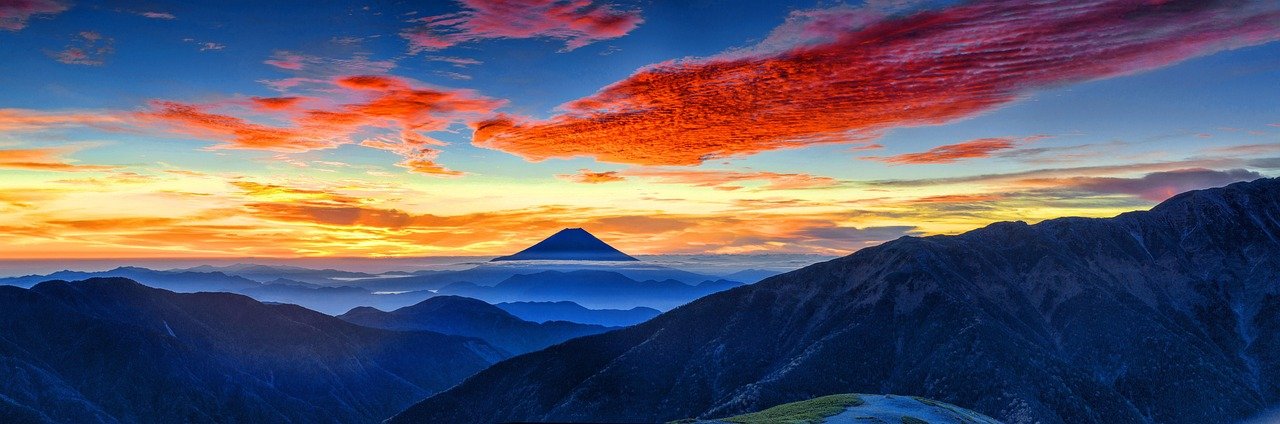
While many mega-service areas boast about their scenery, Hatsukari PA offers one of the most unobstructed, direct views of Mount Fuji on the entire Chuo Expressway. However, foreign tourists frequently fail to capture good photographs because they do not understand the geographical lighting conditions.
Mt. Fuji sits to the south of this parking area. Because the sun traverses the southern sky, if you attempt to photograph the mountain in the afternoon, you will be shooting directly into the blinding sun. This creates a severe backlit effect, turning Mt. Fuji into a dark, featureless silhouette on your smartphone camera.
To capture the iconic snow-capped peak set against a vibrant blue sky, you must visit Hatsukari PA between 8:00 AM and 11:30 AM. During these morning hours, the sunlight hits the mountain from the east, illuminating the intricate ridges and providing perfect lighting for photography.
Furthermore, do not attempt to take photos directly from your parked car. The view from the parking lot is heavily obstructed by power lines, light poles, and commercial trucks. You must walk through the main facility and exit out the back doors to reach the dedicated observation terrace, which elevates your line of sight perfectly above the visual clutter.
Avoiding the Chaos of Massive Mega Service Areas
Hatsukari PA is geographically located just a few kilometers past the colossal EXPASA Dangozaka. This proximity is its greatest strategic advantage. Dangozaka is a chaotic, massive commercial hub that is perpetually packed with hundreds of tourist buses and thousands of stressed drivers.
If your primary goal is simply to use clean restrooms, stretch your legs, and take a quiet photograph without standing in massive lines, you should intentionally bypass Dangozaka and pull into Hatsukari PA instead. The atmosphere here is entirely different—it is quiet, utilitarian, and calm.
Because it is a smaller ‘Parking Area’ (PA) rather than a ‘Service Area’ (SA), it does not have a 24-hour gas station or massive souvenir halls. However, this lack of commercial infrastructure is exactly what keeps the large crowds away, making it the perfect strategic pit stop for weary drivers.
When parking here, be highly observant of the painted lines. Because the lot is small, commercial truck drivers rely heavily on the designated ‘Large Vehicle’ (大型車) spaces to take their mandatory sleep breaks. Never park your passenger rental car in a long truck spot, even if the lot is empty. Doing so will enrage the truck drivers and cause severe logistical problems.
Navigating Yamanashi Regional Cuisine
Tasting Yoshida Udon: The Hardest Noodles in Japan
Despite its small size, the food court at Hatsukari PA serves an incredibly specific regional dish: Yoshida Udon (吉田のうどん). Originating from Fujiyoshida City at the base of Mt. Fuji, this is not the soft, delicate udon noodle you might have eaten in Tokyo or Kyoto.
Foreign tourists are often shocked by their first bite. Yoshida Udon is famous for being aggressively hard, thick, and chewy. It requires significant jaw strength to eat. This unique texture was historically developed for local textile workers who needed a heavy, slow-digesting meal to keep them full during long shifts.
The broth is typically a dark, rich blend of soy sauce and miso, topped with boiled cabbage and intensely flavored horse meat (sakura niku), though pork is sometimes used. It is a highly robust, salty meal that provides excellent sodium replenishment for drivers sweating during the summer months.
If you prefer standard, soft noodles, you might want to order a different dish from the ticket machine. However, if you want an authentic, uncompromised taste of Yamanashi’s rural mountain culture, ordering a bowl of Yoshida Udon here is a mandatory culinary experience.
The Dangers of Eating Kikyo Shingen Mochi in Your Car
The souvenir shop at Hatsukari PA is small but perfectly curated to sell Yamanashi’s most famous confection: Kikyo Shingen Mochi (桔梗信玄餅). This dessert consists of small, soft rice cakes covered in roasted soybean powder (kinako), served in a tiny plastic tub with a separate bottle of dark brown sugar syrup (kuromitsu).
It is incredibly delicious and makes a perfect gift, but there is a massive warning for tourists: do not attempt to eat this inside your rental car.
The roasted soybean powder is incredibly fine and dry. When you open the plastic wrapping or pour the syrup, the powder will inevitably explode outward. If the car’s air conditioning is running, the wind will blow this sticky brown powder all over your seats, dashboard, and clothes.
Kinako powder is notoriously difficult to vacuum out of fabric car seats. If you return your rental car with seats stained brown by soybean powder and syrup, the rental agency will instantly hit you with a massive ‘Non-Operation Charge’ (NOC) cleaning fee, which can easily exceed 20,000 JPY.
If you purchase Shingen Mochi to eat immediately, sit at one of the tables inside the food court. Carefully untie the plastic wrapping, lay it flat on the table, dump the mochi and powder onto the plastic, and pour the syrup slowly. This is the traditional, mess-free way to enjoy it.
- Arrive in the morning to avoid backlit, ruined photos of Mt. Fuji.
- Expect Yoshida Udon to be extremely tough and chewy, not soft.
- Never eat Shingen Mochi in a rental car to avoid massive cleaning fees.
Leaving the PA and Driving Safely to Fuji Five Lakes
Hatsukari PA is a masterclass in strategic travel. By utilizing this quiet stop instead of the chaotic mega-SAs nearby, you save massive amounts of time and mental energy.
Whether you stop specifically to conquer a bowl of tough Yoshida Udon or to capture a crystal-clear photograph of Mt. Fuji from the secret observation deck, this facility delivers immense value without the stress of overwhelming crowds.
Remember to respect the parking lot lane assignments, keep messy souvenirs out of your rental car’s interior, and merge carefully back onto the Chuo Expressway as you continue your journey toward the stunning Fuji Five Lakes region.
For more detailed advice on navigating severe weather conditions in this mountainous region, read our guide on Winter Highway Driving in Japan: Snow Tires, Chains, and Crucial Safety Tips. If you want to understand how the electronic toll gates operate when exiting the highway, check out Understanding the ETC Card System for Foreign Drivers.