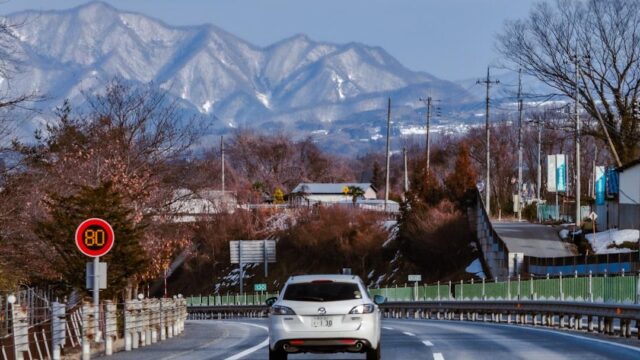
The Great Debate: Renting Hybrid vs. Gasoline Cars for Your Japanese Road Trip

When planning an extensive road trip across Japan, one of the most critical decisions you will face at the rental agency counter is choosing the fundamental type of engine that will power your journey. For decades, the standard internal combustion gasoline engine was the undisputed default option. However, Japan is the undisputed global birthplace and massive champion of modern hybrid vehicle technology. Consequently, major rental agencies like Toyota Rent-a-Car, Nippon Rent-a-Car, and Orix now offer vast, highly compelling fleets of advanced hybrid vehicles alongside their traditional gasoline counterparts. Deciding between these two distinct technologies is not merely a simple matter of choosing a preferred brand; it fundamentally impacts your daily travel budget, your driving experience in the mountains, and how you interact with Japanese infrastructure. This comprehensive guide will break down the crucial pros and cons of both options, helping you make the most informed, cost-effective decision for your specific itinerary.
The Financial Equation: Initial Costs vs. Fuel Savings
The most immediate and obvious factor influencing the hybrid versus gasoline debate is the complex financial calculation. There is a very real, tangible upfront cost associated with renting advanced hybrid technology, which must be carefully weighed against the promised long-term savings at the fuel pump. This calculation shifts dramatically depending entirely on how far you actually plan to drive and the current, heavily fluctuating price of Japanese gasoline.
The Upfront Rental Premium
When you slowly browse the heavily populated online reservation portals of major Japanese rental agencies, you will immediately and clearly notice a distinct, undeniable pricing tier between the vehicle types. Renting an advanced hybrid vehicle (such as the incredibly ubiquitous, highly popular Toyota Prius or the slightly smaller compact Toyota Aqua) inevitably and consistently commands a significantly higher daily base rate compared to a similarly sized, perfectly functional traditional gasoline car (like a standard Toyota Yaris or Honda Fit). This unavoidable “hybrid premium” typically ranges anywhere from 1,000 to a steep 3,000 JPY extra per single day of rental, depending heavily and dynamically on the specific vehicle size class, the particular rental company you choose, and the current peak tourist season (such as Golden Week or the autumn foliage season, when all rates aggressively spike).
For a highly truncated, short, highly localized weekend trip—perhaps simply renting a compact car for a quick 48 hours to leisurely explore the immediate Fuji Five Lakes area from a fixed base hotel in Kawaguchiko—paying this daily premium is almost never, ever mathematically or financially justified. You will simply not drive enough sheer kilometers in that short time frame to recoup the significantly higher initial rental cost through fuel savings at the pump. The math simply does not work in your favor. However, for a massive, epic, multi-week cross-country expedition, such as driving the entire grueling length of the Golden Route from Tokyo all the way down to Hiroshima, or undertaking a massive, comprehensive driving circuit around the vast, sprawling, open northern island of Hokkaido, that daily premium slowly begins to look exactly like a highly strategic, incredibly smart long-term investment. You absolutely must realistically, honestly, and conservatively calculate your estimated total mileage before simply clicking “reserve” on the flashy, modern hybrid option, ensuring the steep upfront cost does not completely negate and overshadow the eventual, heavily anticipated savings at the pump. Do the math before you book.
The Reality of Japanese Fuel Prices
To accurately understand the potential financial benefit of a hybrid, you must confront the harsh reality of Japanese fuel prices. Gasoline in Japan is consistently and significantly more expensive than in North America, often hovering around 160 to 180 JPY per liter (which roughly translates to a staggering $4.50 to $5.50 USD per gallon, depending heavily on current exchange rates). Furthermore, fuel prices are completely unregulated and can fluctuate wildly depending on where you are geographically located. Deeply isolated rural areas, remote mountain passes, and the highly captive audience gas stations located directly on the expressways often charge a massive premium over urban stations.
In this high-cost environment, the sheer, undeniable efficiency of a Japanese hybrid engine becomes a massive financial asset. A standard, modern hybrid rental car can easily and consistently achieve 25 to 30 kilometers per liter (roughly 60 to 70 MPG) under normal, mixed driving conditions. By stark contrast, a comparable traditional gasoline model might only struggle to achieve 15 to 18 kilometers per liter. Over the course of a massive 2,000-kilometer road trip, this massive disparity in fuel consumption translates into very real, highly significant financial savings that can easily cover the initial daily rental premium and leave extra cash in your pocket for high-quality sushi dinners. If you are driving long distances every single day, the hybrid essentially pays for itself.
- Full-to-Full Policy: All Japanese rental agencies strictly enforce a full-to-full policy. You must return the car with a completely full tank and physically present the final gas receipt to the attendant as undeniable proof.
- Self-Service (セルフ): Many urban stations are now fully self-service. The pumps have English menus, but remember: Red nozzle is for Regular (レギュラー), Yellow is High-Octane (ハイオク), and Green is Diesel (軽油).
- Full-Service (フル): In rural areas, attendants will pump the gas for you. Simply say “Mantan, please” (Full tank, please) and hand them your credit card.
- Expressway Stations: Gas stations located on the expressways are significantly more expensive. Try to fill up in local towns before getting on the highway.
The Driving Experience: Mountains vs. Cities
Beyond the cold, hard financial mathematics, the fundamental choice between a hybrid and a traditional gasoline engine significantly alters the actual, physical experience of driving the vehicle. Japan’s incredibly diverse topography—ranging from massively congested, start-and-stop urban megacities to incredibly steep, winding alpine mountain passes—demands very different performance characteristics from a rental car.
The Urban Advantage of Hybrids
If your specific, carefully planned itinerary involves heavily navigating massive, incredibly densely populated urban megacenters like central, sprawling Tokyo, chaotic Osaka, or historic, gridlocked Kyoto, a hybrid vehicle offers a massive, absolutely undeniable advantage in both raw fuel efficiency and overall driver comfort. Japanese cities are globally notorious for their intense, highly unpredictable, chaotic traffic congestion, resulting in hours spent crawling painfully forward at single-digit speeds in endless, highly frustrating stop-and-go traffic jams on elevated expressways.
In these highly frustrating, incredibly low-speed urban environments, an advanced hybrid vehicle truly, undeniably excels. The highly sophisticated onboard computer seamlessly and completely automatically shuts down the internal combustion engine entirely when the vehicle comes to a complete, dead stop at a seemingly endless red light or in a massive traffic jam. During this time, the car relies purely and silently on the electric battery pack to run the essential air conditioning and inch the car slowly forward when the traffic moves. This intelligent system completely eliminates the incredibly wasteful burning of highly expensive fuel while uselessly idling. Furthermore, the brilliant regenerative braking system constantly captures the kinetic energy generated every single time you gently touch the brakes in heavy traffic, actively and efficiently feeding that captured power directly back into the battery pack for immediate reuse. The resulting driving experience in the city is incredibly smooth, remarkably silent, and highly relaxing, significantly reducing the massive, draining mental fatigue usually associated with aggressive, stressful urban driving in a foreign country. For pure city hopping and navigating tight urban grids, the hybrid is the undisputed, absolute, unquestioned king of the road, offering a serene bubble of calm in the chaos.
The Gasoline Edge in the Mountains
However, the entire driving dynamic shifts completely and noticeably when you finally leave the flat, highly congested, paved cities and head deep into the rugged, highly mountainous, fiercely elevated interior of the country. If your ambitious itinerary heavily features the incredibly steep, aggressively winding alpine passes of Nagano, the dramatic, plunging coastal cliffs of the Izu Peninsula, or the deeply rugged, isolated interior of Shikoku, a traditional, high-revving, purely gasoline engine often provides a significantly superior, far more engaging, and ultimately more enjoyable driving experience for the enthusiast.
Hybrid vehicles, particularly the standard, entirely non-sport models heavily favored and stocked by commercial rental fleets, are explicitly and aggressively tuned by the manufacturer for maximum, uncompromising fuel efficiency, absolutely not for raw, responsive power or aggressive acceleration. When forced to climb a massive, incredibly steep mountain gradient for kilometers on end, the relatively small gasoline engine in a standard hybrid often has to rev incredibly high and uncomfortably loud to generate sufficient sustained power, resulting in a distinctly strained, highly noisy, and somewhat sluggish driving dynamic that can feel underpowered. Furthermore, the massive, highly heavy battery pack required for the hybrid system adds significant, highly noticeable dead weight to the rear of the vehicle, which can unfortunately make aggressive cornering on tight, twisting mountain switchbacks feel slightly heavy, wallowing, and unresponsive. A traditional, highly lightweight gasoline car, by stark contrast, offers far more immediate, highly predictable throttle response and vastly superior natural engine braking capabilities. This gives the driver a far greater sense of direct, physical, tactile control when carefully navigating challenging, high-altitude topography with steep drop-offs. If you actively crave a highly engaging, spirited driving experience on winding alpine roads, the pure gasoline engine is undoubtedly the better, more satisfying choice.
Practical Considerations and Luggage Space
When renting a car for a multi-day international road trip, practical logistical considerations often entirely outweigh the desire for maximum fuel efficiency or engaging driving dynamics. You are not just renting a vehicle; you are renting a mobile basecamp that must comfortably accommodate your family, securely store all your massive luggage, and reliably get you to your next hotel on time.
The Trunk Space Compromise
One of the absolute most frequently overlooked, yet absolutely critical, highly frustrating disadvantages of specifically renting a compact hybrid vehicle is the significant, often highly surprising compromise regarding available internal trunk space. The massive, incredibly heavy battery packs explicitly required to power the dual electric motors have to be physically, permanently located somewhere within the vehicle’s compact chassis, and in the vast majority of popular compact hybrid models (like the highly ubiquitous Toyota Aqua or the Honda Fit Hybrid), these massive batteries are explicitly placed directly beneath or immediately, tightly behind the rear passenger seats.
This crucial, unavoidable engineering design necessity often drastically and noticeably reduces the available physical depth and overall cubic volume of the rear cargo area when directly compared to the exact same physical vehicle model equipped with a standard, traditional gasoline engine. If you are a traveling party of four fully grown adults attempting to travel with four massive, hard-sided international suitcases and several small backpacks, this seemingly slight reduction in available trunk space can instantly transform a simple, daily packing routine into a highly frustrating, stressful daily game of high-stakes Tetris in the hotel parking lot. You may quickly find yourself dangerously and illegally stacking heavy suitcases precariously high up into the rear window, completely obstructing the driver’s absolutely crucial rearward visibility, or highly uncomfortably squeezing smaller bags and souvenirs directly onto the laps of the miserable passengers trapped in the back seat for hours. Before you aggressively and hastily commit to a compact hybrid purely for the promised fuel savings, you absolutely must carefully, meticulously review the specific luggage capacity specifications clearly listed on the rental agency’s website and honestly, ruthlessly compare it against the physical mountain of gear you actually plan to drag across the country. Space is a premium.
Range Anxiety and Refueling Availability
A major, highly publicized, and completely understandable concern surrounding fully electric vehicles (EVs) when driving in foreign countries is “range anxiety”—the persistent, highly stressful, nagging fear of completely running out of battery power in a remote, deeply isolated area with absolutely no charging infrastructure available. It is absolutely crucial to explicitly understand that standard, non-plug-in rental hybrids in Japan (like the classic, standard Toyota Prius) are absolutely *not* plug-in electric vehicles. They rely entirely and exclusively on their internal combustion engine and highly efficient regenerative braking to actively, continuously recharge the onboard battery while driving normally. Therefore, true electric range anxiety is completely a non-issue; you simply fill them up with standard, liquid gasoline exactly like a traditional car at any standard station.
However, the massive, highly publicized fuel efficiency of a hybrid actually does offer a massive, highly practical, and deeply comforting logistical advantage regarding refueling availability, particularly in deeply rural, highly isolated, mountainous areas of Japan. As rural populations continue to rapidly decline, small-town independent gas stations are aggressively closing across the country. If you are deeply exploring the remote, rugged, highly scenic coastlines of northern Hokkaido or the deep, incredibly isolated, winding valleys of Shikoku, you may easily drive for 50 or even 80 demanding kilometers without seeing a single open gas station, especially late at night or on Sundays when everything closes early. A hybrid vehicle, boasting a massive total driving range that can easily and reliably exceed 800 kilometers on a single, relatively small tank of gas, provides an incredible, deeply comforting peace of mind in these remote, challenging regions. You spend significantly less of your precious, limited vacation time anxiously scanning the horizon for a brightly lit gas station sign and far more time actually enjoying the spectacular, uninterrupted natural scenery. Range is freedom.
| Feature | Hybrid Vehicle (e.g., Prius) | Gasoline Vehicle (e.g., Yaris) |
|---|---|---|
| Initial Rental Cost | Higher (Premium rate) | Lower (Standard rate) |
| Fuel Efficiency (City) | Exceptional (Stop-and-go efficiency) | Poor to Average |
| Mountain Performance | Often sluggish; engine strain | Responsive; better engine braking |
| Luggage Space | Slightly reduced (due to battery) | Maximum available capacity |
Conclusion
The highly complex decision between aggressively renting an advanced, modern hybrid or opting for a reliable, traditional gasoline vehicle for your epic Japanese road trip is absolutely not a simple, straightforward binary choice; it absolutely requires a highly careful, incredibly honest assessment of your specific, detailed daily itinerary, your total expected driving mileage, and your highly personal driving preferences. The hybrid vehicle is an undisputed, massive triumph of modern Japanese engineering, proudly offering absolutely unparalleled, massive fuel efficiency that can easily save you highly significant amounts of money on long, cross-country journeys, particularly in a nation highly notorious for its highly expensive, completely unregulated, fluctuating gasoline prices. In the massive, intensely congested urban megacenters, the entirely silent, incredibly smooth, stop-and-go efficiency of a modern hybrid provides an incredibly relaxing, stress-free driving experience that significantly mitigates driver fatigue.
However, the traditional, reliable internal combustion gasoline engine refuses to become entirely obsolete on the rental lot. It remains the absolute most cost-effective, financially sound choice for short, highly localized, low-mileage weekend trips where the steep initial rental premium of a hybrid simply cannot be mathematically justified by any potential fuel savings. Furthermore, for enthusiastic, highly capable drivers planning to aggressively tackle the steep, twisting, highly demanding alpine passes of the Japanese interior, a lightweight, highly responsive gasoline car consistently provides a far more engaging, physically responsive, and enjoyable driving dynamic without the heavy, sluggish, detrimental burden of a massive battery pack. Finally, you absolutely must always carefully consider the physical limitations of your required luggage; if raw trunk space is at an absolute premium for your traveling party, the uncompromised, deeper cargo area of a traditional gasoline vehicle might be the ultimate, unavoidable deciding factor. By carefully, meticulously weighing these distinct, highly impactful pros and cons against the specific, harsh realities of your planned route, you can confidently and successfully secure the absolute perfect vehicle to power your unforgettable Japanese adventure.