Renting a Kei Car in Japan: Is it Good Enough for Highway Driving?
When browsing rental car options for your Japanese vacation, you will inevitably come across a category that is shockingly cheaper than the rest: the “Kei car” (軽自動車 – Keijidosha). These ultra-compact, boxy little vehicles are ubiquitous on Japanese streets. They are incredibly popular among locals for their low taxes, excellent fuel economy, and ability to squeeze into impossibly tight parking spaces in dense cities like Tokyo or Kyoto.
For an international tourist trying to save money on a road trip, renting a Kei car seems like a brilliant idea. However, the critical question arises when you plan to leave the city and hit the toll roads: is a Kei car actually capable of handling long-distance driving on the Japanese expressway system? This guide will break down the realities of driving a Kei car, exploring its limitations, its surprising benefits, and ultimately helping you decide if this distinctly Japanese vehicle is the right choice for your highway road trip.
What Exactly is a Kei Car?
Before discussing highway performance, it is essential to understand what makes a Kei car different from a standard compact car (like a Toyota Yaris or Honda Fit).
The term “Kei car” is a legal and regulatory classification in Japan. These vehicles are designed to strictly adhere to maximum dimensional and engine size limits set by the government to qualify for significant tax and insurance breaks.
The Strict Engine and Size Limits
To legally be classified as a Kei car (identified by their distinct yellow license plates with black text, as opposed to the standard white plates), the vehicle must meet three crucial constraints. First, the engine displacement cannot exceed 660cc. To put that in perspective, a standard small economy car in Europe or America usually has an engine twice that size (around 1.2 to 1.5 liters). Second, the car cannot exceed 3.4 meters in length and 1.48 meters in width.
This tiny footprint dictates their iconic, boxy design; manufacturers push the cabin vertically to maximize interior space within the strict footprint limits. This results in cars that look a bit like rolling toasters (such as the Honda N-Box or Suzuki Spacia). While they feel surprisingly roomy inside for four adults (in terms of headroom and legroom), the trunk space is virtually non-existent when the rear seats are in use. You must understand that a Kei car is essentially a city runabout, a motorized shopping cart designed for low-speed urban environments.
The Challenges of Highway Driving in a Kei Car
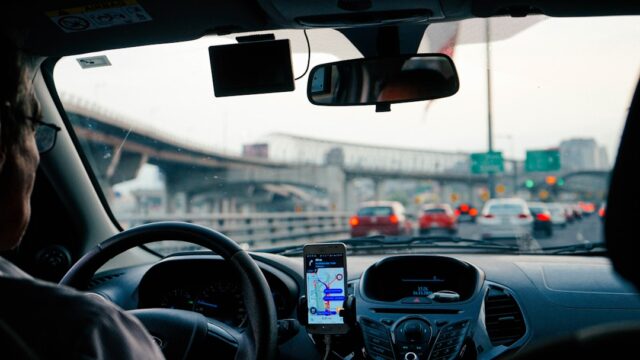
Taking a 660cc engine onto a major expressway where the speed limit is 100 km/h (and local traffic often moves at 115 km/h) presents several distinct challenges.
While a Kei car is legally permitted on all Japanese expressways and is entirely capable of reaching 100 km/h, the experience of getting there and maintaining that speed is far different from driving a standard sedan.
Lack of Power and Engine Noise
The most immediate issue you will face is the dramatic lack of horsepower. Kei cars typically produce around 50 to 64 horsepower. When you are merging onto a fast-moving expressway like the Tomei Expressway from a short on-ramp, you must floor the accelerator. The tiny engine will scream, the RPMs will stay near the redline, and acceleration will still feel agonizingly slow.
Once you reach cruising speed (100 km/h), the engine has to work incredibly hard just to maintain it. Unlike a standard car that cruises quietly, a Kei car engine will constantly drone at a high pitch. This constant mechanical noise, combined with a lack of sound insulation in the thin doors, makes the cabin very loud. Having a conversation or listening to music becomes difficult. If you are driving for three or four hours from Tokyo to Nagano, this constant noise and vibration cause significant driver fatigue. You will arrive at your destination feeling much more exhausted than if you had driven a standard vehicle.
Handling and Wind Susceptibility
The physical design of most popular Kei cars—tall and narrow—makes them highly susceptible to crosswinds. When you are driving a tall box on tiny, narrow tires at 100 km/h, stability becomes an issue.
If you drive across a long coastal bridge (like the Tokyo Bay Aqua-Line) or emerge from a mountain tunnel into a gust of wind, a Kei car will physically be pushed around your lane. You must keep both hands firmly on the steering wheel and constantly make micro-corrections. Furthermore, when large transport trucks blow past you in the passing lane, the resulting wind draft will shake the Kei car violently. The suspension is also designed for low-speed comfort, meaning the ride gets bumpy and unsettled at high speeds. It simply does not inspire confidence when navigating the fast-paced, high-stress environment of a major toll road.
The Unexpected Benefits of a Kei Car
Despite the significant drawbacks regarding power and comfort on the highway, it would be unfair to dismiss Kei cars entirely. There are scenarios where renting a Kei car is not only acceptable but actually advantageous.
If you understand the limitations and plan your trip accordingly, the financial benefits of these little cars are undeniable.
Significant Cost Savings on Tolls
The most compelling reason to rent a Kei car for a road trip is the cost. Not only is the daily rental rate significantly cheaper than a standard compact car, but Kei cars also benefit from reduced highway tolls.
When you pass through the toll gates (whether using cash or an ETC card), the system recognizes the vehicle class. The toll for a Kei car is typically about 20% cheaper than the toll for a standard passenger car. If you are embarking on a massive, multi-day road trip that crosses several prefectures, these 20% savings compound quickly and can result in thousands of yen saved over the course of your vacation. If you want a refresher on the payment systems, read our guide on How to Pay Highway Tolls with Credit Cards (No ETC Needed). Additionally, their fuel economy is generally excellent, saving you even more money at the gas pump during your trip.
Navigating Rural Roads and Parking
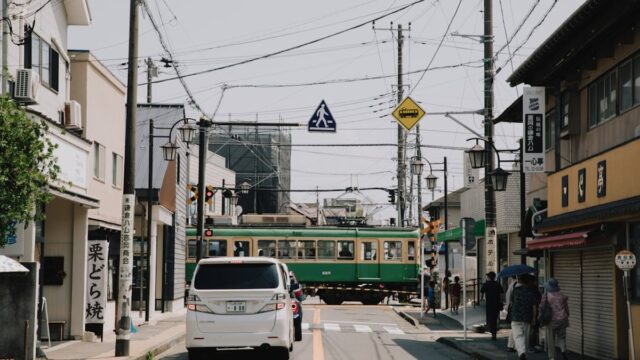
While they struggle on the wide-open expressways, Kei cars absolutely excel the moment you exit the toll booth and enter rural Japan.
- Narrow Mountain Roads: In places like Shikoku or rural Kyoto, local roads can be shockingly narrow, sometimes barely wide enough for one car. A Kei car navigates these with ease.
- Tight Parking Lots: Finding parking at popular tourist shrines or small rural ryokans (inns) is incredibly easy when your car is only 3.4 meters long.
- City Exploration: If your road trip involves driving deep into the centers of old cities like Kanazawa or Takayama, a Kei car takes the stress out of navigating the tiny historical streets.
If your itinerary involves driving one hour on the highway to reach a region, and then spending three days exploring tiny fishing villages or remote mountain temples, the trade-off of a noisy highway ride for incredible local mobility might be worth it.
Safety Considerations for International Drivers
The final, and perhaps most important, factor to consider when renting a Kei car for a highway trip is safety.
While modern Kei cars are packed with airbags and advanced safety features, physics cannot be ignored. They are incredibly small, light vehicles.
Crash Safety on the Expressway
If a Kei car is involved in a high-speed collision with a standard passenger car—or worse, a commercial truck—on an expressway, the occupants are at a significantly higher risk of severe injury compared to those in a larger vehicle. There is simply very little crumple zone between the front bumper and your knees, and the thin doors offer minimal side-impact protection.
If you are traveling with a family, prioritizing the safety and structural integrity of a standard compact car or an SUV over the financial savings of a Kei car is highly recommended. The peace of mind provided by a larger vehicle when navigating heavy, fast-moving traffic in an unfamiliar country is invaluable.
Conclusion
So, is a Kei car good enough for highway driving in Japan? The answer is a heavily qualified “Yes, but it is not recommended for long distances.” A Kei car is legally capable of driving the speed limit on any Japanese expressway, and the reduced toll fees and fantastic fuel economy make it an incredibly tempting option for budget-conscious tourists.
However, the reality of driving a 660cc, tall, narrow box at 100 km/h is loud, exhausting, and stressful. The vehicle will struggle on steep mountain inclines, be blown around by strong crosswinds, and offer significantly less protection in the event of an accident. If your road trip involves driving on the expressway for multiple hours a day (such as driving from Tokyo to Kyoto), you should absolutely spend the extra money to rent a standard passenger car (a 1.2L to 1.5L compact car or larger). Reserve the charming, uniquely Japanese Kei car for trips that involve minimal highway driving and focus heavily on exploring the narrow, winding local roads of rural Japan.