RV and Campervan Travel in Japan: Best Highway Parking Areas for Overnight Stays
Over the past few years, renting an RV or campervan has exploded in popularity among international tourists visiting Japan. The appeal is obvious: it completely eliminates the stress of booking hotels in remote areas, provides ultimate flexibility for chasing good weather or fresh powder snow, and offers a highly affordable way to travel if you are splitting the cost among a group. Driving a “camping car” (as they are called in Japan) allows you to wake up at the base of Mount Fuji, make your own coffee, and hit the road before the tour buses even arrive.
However, traveling in an RV in Japan presents unique logistical challenges. You cannot simply pull over on the side of a mountain road or park in a residential neighborhood to sleep. The country has strict rules regarding overnight parking, and the sheer size of an RV can make navigating narrow rural roads difficult. The Japanese expressway network and its extensive system of Service Areas (SA) and Parking Areas (PA) offer the perfect solution. They provide massive parking spaces, 24-hour restroom facilities, and food options, making them the default overnight spots for campervan travelers. This guide will clarify the rules for sleeping at highway rest stops in an RV and highlight the specific facilities that cater best to the campervan community.
The Rules of Overnight Parking on Expressways
Before you park your rented RV for the night, you must understand the distinction between “sleeping in a car” and “camping.” The Japanese highway authorities are generally very tolerant of drivers sleeping in their vehicles to prevent fatigued driving, but they strictly prohibit treating the rest stops as campgrounds.
Sleeping vs. Camping: The Critical Difference
When you pull your campervan into a Service Area (SA) or Parking Area (PA) for the night, you are officially just taking a “rest break.” This means you are allowed to park in a designated spot, turn off your engine, draw your curtains, and sleep inside the vehicle. For a broader overview of the general rules for passenger cars, you can review our guide on Sleeping in Your Car in Japan: Rules, Manners, and Safe Highway Rest Stops. However, because you are in an RV, the line between resting and camping can easily blur, and you must avoid crossing it.
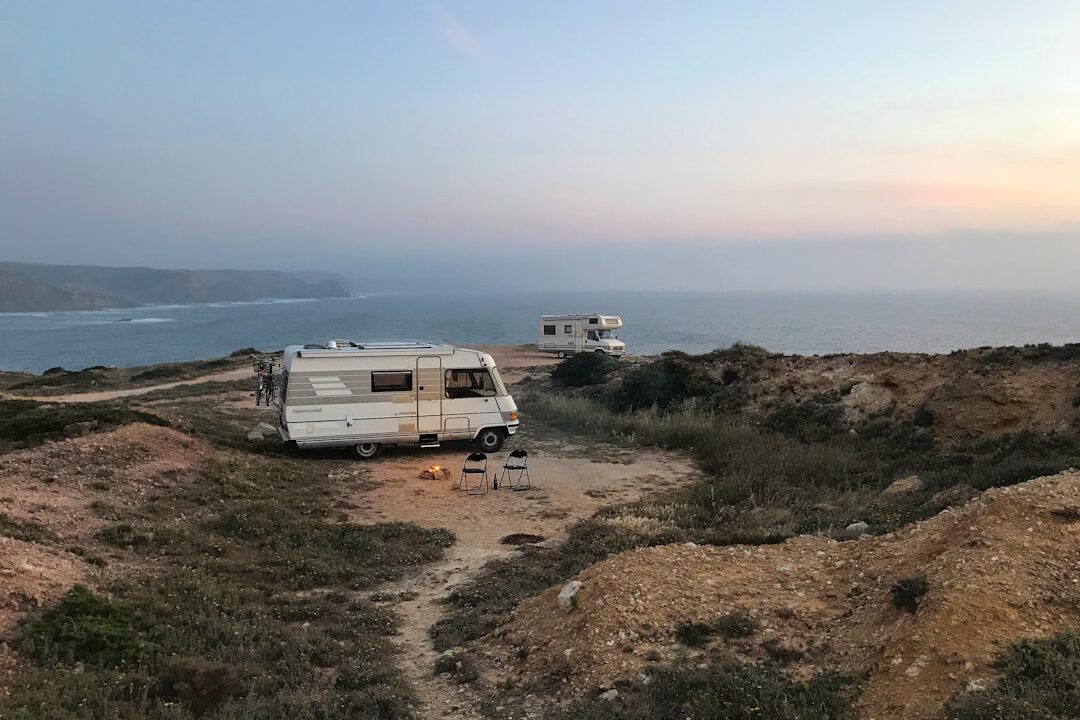
The most important rule is that all of your activities must be contained entirely within the vehicle. You are absolutely prohibited from setting up a physical camp outside your RV. This means you cannot roll out an awning, set up folding chairs or tables on the asphalt, or use a portable gas stove outside your van. Furthermore, you cannot plug your RV into any public electrical outlets located at the rest stop, and you must never empty your grey or black water tanks into the public restroom toilets or storm drains. Doing any of these things will immediately draw the attention of the highway patrol or the rest stop staff, and you will be ordered to leave immediately. If you need to dump waste or plug into shore power, you must book a designated “RV Park” (which charge a fee) located off the expressway. The highway rest stops are strictly for parking and sleeping only.
Engine Idling and Noise Etiquette
Another major consideration when sleeping in an RV at a Japanese highway rest stop is noise pollution. Japan is a deeply considerate society, and the Service Areas are shared spaces used by long-haul truck drivers who desperately need quiet sleep to work safely. You must turn off your RV’s engine while you sleep. Idling the engine all night to run the vehicle’s primary heater or air conditioning is strictly prohibited due to noise and exhaust fumes.
When you rent your campervan, ensure that it is equipped with an independent “FF Heater” (a forced-flue heater that runs off the sub-battery or a small amount of fuel without idling the main engine) if you are traveling in winter, or adequate ventilation fans for the summer. Also, be mindful of your generator usage if your RV is equipped with one. Running a loud generator at 2:00 AM in a quiet Parking Area will result in complaints. Finally, be conscious of where you park. While it might be tempting to park right next to the 24-hour restroom building for convenience, this area has the highest foot traffic and slamming car doors. It is usually much quieter to park further out in the lot, near the edges, ensuring you do not take up the massive spots designated exclusively for heavy commercial trucks.
The Best Highway Rest Stops for RVs
Not all Service Areas are created equal when it comes to accommodating large RVs for an overnight stay. Some are too small, some are too crowded, and some offer exceptional facilities like hot springs that make them the perfect basecamp. Here are a few highly recommended spots for your campervan itinerary.
Fujikawa SA (Tomei Expressway): The Scenic Basecamp
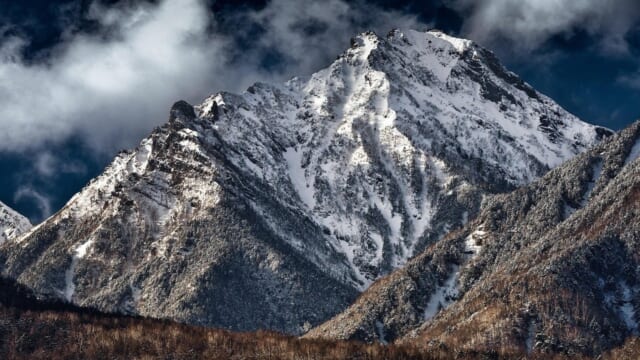
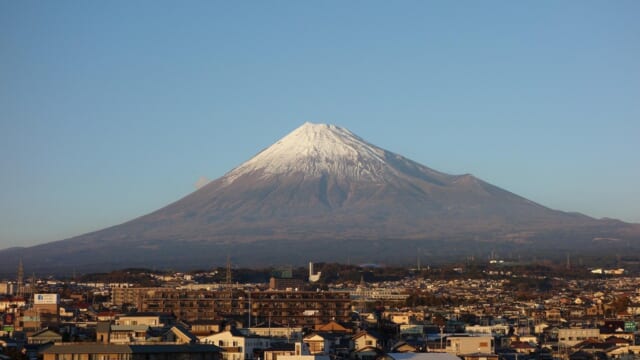
If you are exploring the Mount Fuji region, the Fujikawa Service Area (on the Tomei Expressway) is one of the best places to park your RV for the night. This SA is famous for its incredible, unobstructed views of Mount Fuji. If you park here overnight, you can wake up, open your campervan curtains, and watch the sunrise hit the snow-capped peak of the mountain right from your bed.
Beyond the view, Fujikawa SA is massive, meaning you will easily find a parking spot large enough for a campervan, even if you arrive late at night. It also features an excellent food court and a large souvenir shop. However, the absolute best feature for RV travelers is that it is located very close to the Fujikawa Smart IC. If your rental RV is equipped with an ETC card (which is highly recommended), you can easily exit the highway from the Service Area in the morning to explore the local Fuji Five Lakes area without having to drive to a major interchange. If you are unsure how these automated exits work, read What is a “Smart IC”? How to Navigate ETC-Only Exits before attempting to use them.
Suwa Lake SA (Chuo Expressway): The Onsen Stop
Driving an RV is fantastic, but the one major drawback is the lack of a proper shower. While some large, luxury RVs have wet baths, most rental campervans in Japan do not. This makes finding a public bath essential. The Suwa Lake Service Area on the Chuo Expressway (which connects Tokyo to Nagoya via the mountains) solves this problem perfectly, making it an incredibly popular overnight stop for the campervan community.
This Service Area actually features a natural hot spring (onsen) bathhouse built directly inside the facility. You can pull your RV into a parking spot, grab your towel, and walk inside for a relaxing soak in the thermal waters while looking out over Lake Suwa. The bathhouse is usually open from mid-morning until late at night (check current hours upon arrival). After a long day of driving through the Japanese Alps, soaking in an onsen and then walking a few feet back to your comfortable RV bed is the ultimate travel luxury. The food court here also serves excellent local Shinshu soba noodles. If you are interested in plotting a route entirely around these bathing facilities, check out our guide on the 5 Best Japanese Highway Rest Stops with Natural Hot Springs.
Conclusion
Renting an RV transforms the Japanese highway network from a mere transportation route into a massive, interconnected network of highly convenient overnight stops. By utilizing the Service Areas properly, you can travel the country with unparalleled freedom and affordability.
To ensure your campervan trip is respectful and stress-free, always follow these critical guidelines when parking overnight:
- No camping outside: Do not set up chairs, tables, or awnings outside your RV. All activities must be contained inside the vehicle.
- Turn off the engine: Never idle your engine overnight for heating or cooling; use your RV’s independent sub-battery systems instead.
- Do not dump waste: Never empty your RV’s water tanks or toilets into the public rest stop facilities or drains.
- Park away from the trucks: Leave the massive, long parking spots for commercial truck drivers; find a spot appropriate for your van size, usually further from the main building.
- Utilize Onsen SAs: Plan your overnight stops at Service Areas like Suwa Lake SA that feature built-in hot springs for a convenient shower alternative.
By adhering strictly to these etiquette rules, you ensure that the Japanese highway rest stops remain welcoming to the campervan community, allowing you to enjoy the ultimate road trip adventure.