5 Japanese Highway Rest Stops Famous for Matcha Desserts
A road trip through Japan is as much a culinary journey as it is a scenic one. The country’s highway Service Areas (SA) and Parking Areas (PA) have evolved far beyond simple rest stops; they are highly competitive gastronomic destinations that proudly showcase regional specialties. For travelers with a sweet tooth, the absolute pinnacle of Japanese confectionary is matcha—the finely ground, vibrant green tea powder that imparts a deeply complex, earthy, and slightly bitter flavor. While you can find generic matcha-flavored snacks almost anywhere in the world, true matcha desserts made with high-grade, locally sourced tea leaves are a revelation. Several specific rest stops along Japan’s major expressways are located in historic tea-producing regions and have capitalized on this heritage, offering some of the most decadent and authentic matcha desserts in the country. This guide highlights five essential rest stops where indulging in a matcha treat is an absolute requirement for your road trip itinerary.
EXPASA Makinohara (Tomei Expressway – Shizuoka)
Shizuoka Prefecture is the undisputed capital of Japanese green tea, producing over 40% of the nation’s total supply. The Tomei Expressway cuts directly through the heart of this region, passing alongside massive, rolling hills completely covered in manicured tea plantations. The EXPASA Makinohara Service Area, located precisely in this agricultural heartland, serves as a temple to the local crop. The sheer scale and variety of green tea products available here are staggering, making it a mandatory stop for any matcha enthusiast traveling between Tokyo and Nagoya. It is not just a place to buy a souvenir; it is a place to experience the incredible versatility of Shizuoka tea.
The Premium Matcha Soft Serve
The undisputed highlight of EXPASA Makinohara is the premium matcha soft serve ice cream. Soft serve, or “soft cream” as it is known locally, is a staple of Japanese rest stops, but the version served here elevates it to an art form. The vendors do not use generic flavoring syrups or cheap culinary-grade tea; they blend incredibly high-quality, locally milled matcha powder directly into a rich, Hokkaido milk base. The resulting ice cream has an incredibly vibrant, almost neon green color and a flavor profile that perfectly balances the natural, grassy bitterness of the tea with the creamy sweetness of the dairy. It is dense, smooth, and completely lacks the artificial, powdery aftertaste found in cheaper alternatives that rely on artificial food coloring and synthetic flavoring. It is a genuine agricultural product transformed into a perfect roadside treat.
The vendors at Makinohara often offer different “grades” or “intensities” of matcha soft serve, allowing you to choose exactly how strong you want the tea flavor to be. The most intense level is surprisingly bitter and incredibly refreshing, particularly on a hot, humid summer drive, appealing specifically to adult palates that appreciate the complex astringency of real, ceremonial-grade matcha. Some shops even offer to dust an extra layer of raw, unsweetened matcha powder over the top of the cone right before handing it to you, providing a sudden, intense burst of pure tea flavor with the very first bite. Eating this ice cream while standing in the outdoor plaza, looking out over the actual rolling tea fields where the ingredients were grown, provides a profound sense of culinary connection that you simply cannot replicate in a city cafe. It is the quintessential Shizuoka road trip experience, combining world-class agriculture with perfectly executed modern convenience. It sets an incredibly high bar for what a highway dessert can and should be.
The Matcha Baumkuchen
Beyond the immediate gratification of soft serve, Makinohara is also famous for its baked goods, most notably the matcha Baumkuchen. This traditional German spit cake has been enthusiastically adopted and perfected by Japanese bakers, and the Shizuoka variation is a masterpiece. The bakers painstakingly incorporate high-grade matcha into the batter, painting it layer by thin layer onto a rotating spit over an open heat source. This slow, labor-intensive process results in a dense, ring-shaped cake with dozens of distinct, visible layers, characterized by a striking green color and a rich, buttery texture.
The matcha Baumkuchen sold at Makinohara is often glazed with a thin, crackling layer of matcha-infused fondant, adding a satisfying textural contrast to the soft cake. It is significantly less sweet than Western cakes, relying instead on the deep, earthy umami of the tea to carry the flavor profile. These cakes are beautifully packaged in elegant boxes, making them an incredibly popular *omiyage* (souvenir) for travelers to bring back to their colleagues or family. However, it is highly recommended to buy a smaller, individually wrapped slice for yourself to enjoy in the car with a hot cup of coffee. The combination of the rich, buttery pastry and the slightly bitter tea flavor is sophisticated, satisfying, and acts as the perfect mid-journey pick-me-up.
- Color: High-quality matcha used in premium desserts should be a vibrant, almost neon spring green. A dull, yellowish-green indicates older or lower-grade tea.
- Aroma: True matcha has a strong, fresh, grassy aroma. If you cannot smell the tea before you taste it, the concentration is likely too low.
- Flavor Profile: Authentic matcha desserts are defined by a complex balance of umami (savory richness) and astringency, never overpowering sweetness.
- Terminology: Look for the characters 濃茶 (Koicha), which indicates a “thick” or highly concentrated tea flavor, perfect for serious matcha lovers.
Koka Service Area (Shin-Meishin Expressway – Shiga)
While Shizuoka produces the most tea by volume, the Uji region in neighboring Kyoto Prefecture is arguably the most prestigious tea-growing area in Japan, famous for producing the highest quality ceremonial-grade matcha. The Shin-Meishin Expressway passes just east of this legendary region through Shiga Prefecture, and the Koka Service Area acts as a regional showcase for the incredible culinary traditions of its neighbor. Koka SA is not just a rest stop; it is a highly curated gastronomic market that takes its dessert offerings incredibly seriously, drawing heavily on the historic expertise of Uji tea masters.
Uji Matcha Parfaits
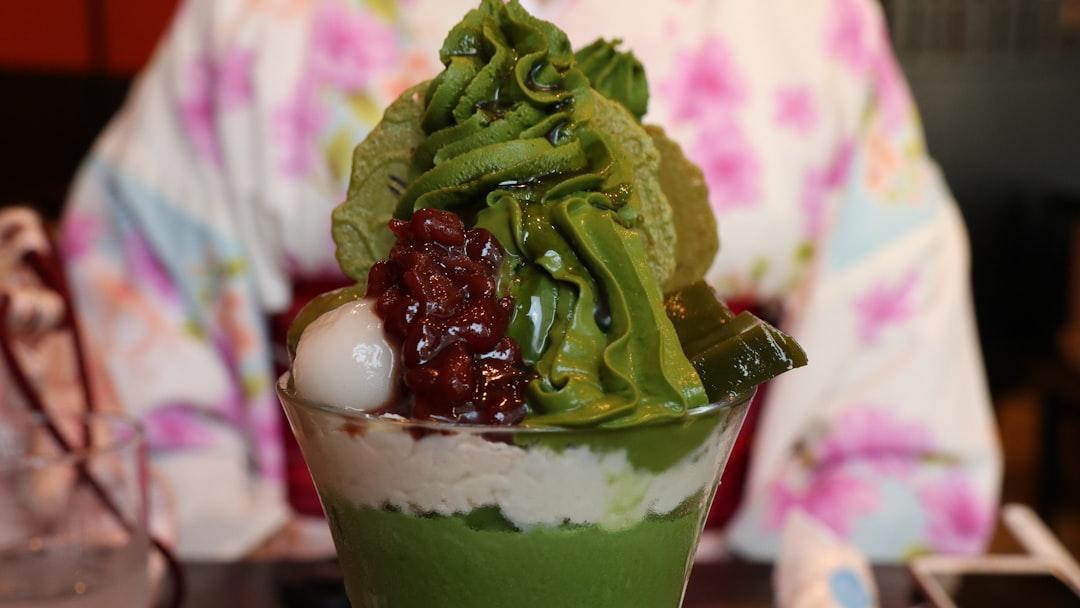
The defining dessert experience at Koka Service Area is the elaborate Uji matcha parfait. This is not a simple grab-and-go snack meant to be eaten while steering; it is a sit-down, multi-layered culinary event served in the facility’s dedicated, air-conditioned cafes. The parfait is an exercise in textural and temperature contrasts, meticulously assembled by trained staff to highlight the immense versatility of the premium matcha. It typically begins with a base of slightly bitter matcha jelly (kanten), providing a cool, firm, and palate-cleansing texture at the bottom of the glass. This is carefully layered with sweet, sticky adzuki (red bean) paste and chewy, hand-rolled shiratama dango (mochi dumplings), which provide a starchy, deeply satisfying bite that perfectly complements the astringent notes of the tea.
The absolute centerpiece of the parfait is a generous, perfectly rounded scoop of intense, premium Uji matcha ice cream, often topped with a dollop of fresh, lightly sweetened whipped cream, a delicate matcha cookie, and a final, heavy dusting of raw matcha powder. The visual presentation is always stunning, featuring a beautiful gradient of vivid greens, stark whites, and deep, earthy reds, served in a tall, specialized glass that allows you to see every distinct, meticulously placed layer. Eating a Koka matcha parfait is a slow, deliberate process of mixing and matching the different components on your long spoon, discovering how the bitter jelly cuts through the sweet red beans, or how the creamy ice cream coats the chewy mochi. It is a highly sophisticated dessert that absolutely rivals those found in high-end, centuries-old specialty cafes in downtown Kyoto, completely redefining modern expectations for highway food. Taking an hour to relax in the cafe, escape the heat of the road, and slowly enjoy this architectural masterpiece is an essential, highly recommended part of driving the Shin-Meishin Expressway. It turns a rest stop into a primary destination.
The Matcha Warabimochi
For a lighter, more traditional treat, Koka Service Area excels in producing exceptional matcha Warabimochi. Unlike standard mochi, which is pounded from glutinous rice and can feel heavy in the stomach, Warabimochi is traditionally made from bracken starch. This ancient ingredient results in a distinctively soft, yielding, jelly-like texture that practically melts in the mouth with very little chewing required. It is a quintessential Japanese summer dessert, highly prized for its cooling properties and delicate, incredibly refined mouthfeel. At Koka, this translucent, gelatinous confection is heavily dusted in a thick, generous layer of premium Uji matcha powder, transforming the clear jelly into a vibrant, dark green delicacy that looks as striking as it tastes.
The contrast between the cool, subtle sweetness of the bracken jelly and the dry, intense, almost chalky bitterness of the exterior matcha powder is incredibly refined and perfectly balanced. It is often served alongside a small, dedicated pouring vessel of *kuromitsu* (a traditional black sugar syrup), allowing you to drizzle a hint of rich, molasses-like sweetness over the bitter tea powder to perfectly customize the flavor profile to your own palate. The Warabimochi sold here is usually made fresh daily in small batches, ensuring the delicate texture remains perfectly yielding and never becomes rubbery from sitting in a refrigerator. It is an incredibly refreshing and palate-cleansing dessert, perfect for drivers who want something distinctly Japanese but find massive ice cream parfaits or heavy baked cakes too rich for a mid-drive snack. It pairs flawlessly with a hot cup of roasted green tea (hojicha), providing a sophisticated, highly traditional pause in a modern, fast-paced journey. Buying a box to eat later at your hotel is also a very popular strategy among domestic tourists.
Uji-Nishi Interchange PA (Keiji Bypass – Kyoto)
If you are navigating the intricate network of expressways around Kyoto itself, the Keiji Bypass offers a direct route through the southern edge of the city. While it lacks the massive, sprawling Service Areas of the Tomei, it features smaller Parking Areas that punch well above their weight in terms of culinary quality. Because this route passes directly through the heart of the Uji tea-growing district, the local highway facilities have unparalleled access to the freshest, highest-grade matcha available, and they utilize it to create incredibly focused, artisanal desserts.
The Matcha Tiramisu
The standout offering at the facilities near Uji is the incredible matcha tiramisu. This dessert represents a brilliant, highly successful fusion of Italian culinary technique and traditional Japanese ingredients, creating something entirely new and uniquely delicious. Instead of using dark, roasted espresso to soak the ladyfinger sponge cake base, the local chefs use a highly concentrated, masterfully brewed infusion of premium Uji matcha. The traditional, rich mascarpone cheese layer is retained, providing a smooth, creamy contrast, but the entire dessert is heavily dusted with a thick layer of vibrant, high-grade green tea powder instead of the standard cocoa powder. The result is a dessert that is profoundly rich yet surprisingly light on the palate, perfectly balancing the savory, dairy notes of the Italian cheese with the complex, grassy astringency of the Japanese tea.
The matcha tiramisu is usually served in small, elegant wooden boxes (masu), explicitly mimicking the traditional cedar vessels used for drinking premium sake at celebrations. This beautiful, rustic presentation elevates the experience, making it feel like a premium culinary event rather than a quick, disposable highway snack served in plastic. When you dig your wooden spoon through the dry, bitter powder on top and plunge it into the incredibly soft, tea-soaked sponge cake below, the resulting bite is a masterful explosion of complementary flavors. The sharp bitterness of the Uji matcha cuts through the fat of the mascarpone, preventing the cheese from becoming cloying and creating a highly sophisticated, adult dessert that is dangerously easy to consume in its entirety. It is a testament to the immense creativity of local chefs who are constantly finding new, exciting ways to showcase their historic regional crop to modern travelers. It is absolutely worth taking a deliberate detour onto the Keiji Bypass simply to source this specific, highly sought-after dessert.
Artisanal Matcha Truffles
For travelers looking for a luxurious, bite-sized treat to enjoy while actively driving, the artisanal matcha chocolate truffles sold in the Uji region’s parking areas are unmatched. These are not mass-produced, waxy chocolates found in standard convenience stores; they are often crafted by local, independent confectionaries specifically for the premium highway market. The chocolatiers utilize incredibly high percentages of real cocoa butter, completely eschewing cheap vegetable oils, and blend it seamlessly with ceremonial-grade Uji tea. The truffles typically feature a soft, melting ganache center that has been heavily infused with a concentrated matcha reduction, which is then carefully encased in a thin, crisp shell of high-quality white chocolate, and finally hand-rolled in a thick layer of raw, unsweetened tea powder.
The exceptional quality of these truffles lies in their intense concentration and perfect textural balance. Because the Uji matcha is so profoundly flavorful, the chocolatiers can use a significant amount without making the candy overly sweet or unpleasantly bitter. The immediate sensation upon eating one is the dry, grassy, sharp bitterness of the exterior powder hitting the tongue, which quickly yields to the incredibly rich, smooth, and slightly sweet matcha ganache as the white chocolate shell melts. The ambient temperature of the car’s air conditioning actually helps keep them at the perfect consistency for eating, preventing the ganache from becoming too soft. They are intensely satisfying, providing a massive, concentrated hit of tea flavor in a very small, elegant package. Buying a small, beautifully wrapped box of these truffles guarantees that you have a steady supply of high-end, caffeinated luxury to keep you focused, awake, and happy as you navigate the complex, often stressful traffic surrounding the ancient capital of Kyoto. It is the ultimate luxury driving snack.
| Service Area / Route | Region | Must-Try Dessert | Flavor Profile |
|---|---|---|---|
| EXPASA Makinohara (Tomei) | Shizuoka | Premium Matcha Soft Serve | Intense, grassy, deeply refreshing. |
| EXPASA Makinohara (Tomei) | Shizuoka | Matcha Baumkuchen | Buttery, dense, subtle tea umami. |
| Koka SA (Shin-Meishin) | Shiga (near Uji) | Uji Matcha Parfait | Complex, multi-textured, highly traditional. |
| Koka SA (Shin-Meishin) | Shiga (near Uji) | Matcha Warabimochi | Soft, cool jelly with intense bitter dusting. |
| Uji-Nishi Area (Keiji Bypass) | Kyoto | Matcha Tiramisu | Rich mascarpone balanced by sharp, astringent tea. |
Conclusion
The evolution of Japanese highway rest stops from purely functional refueling stations into specialized, fiercely competitive culinary destinations is a remarkable phenomenon. Their intense dedication to showcasing regional desserts is perhaps the most enjoyable and accessible aspect of this transformation. For international travelers exploring the massive arterial routes connecting Tokyo, Nagoya, and Kyoto, the opportunity to easily sample authentic, high-grade matcha desserts represents a profound upgrade over standard, mass-produced road trip snacks found in other countries. These Service Areas do not just offer convenient food; they offer a direct, delicious, and deeply educational connection to the agricultural heritage and centuries-old tea traditions of the specific regions they occupy. The sheer quality and creativity on display—from perfectly balanced, dense soft serve to intricate, fusion-inspired tiramisu and artisanal truffles—prove that you do not need to seek out a highly exclusive, Michelin-starred restaurant or a formal tea ceremony to experience the true depth and excellence of Japanese culinary craftsmanship. It is readily available right off the highway exit.
Planning your driving itinerary to deliberately include strategic, prolonged stops at facilities like EXPASA Makinohara or the Koka Service Area transforms the journey itself into a primary highlight of the vacation, rather than just a means to an end. The physical and mental experience of stepping out of a cramped rental car after hours on the highway and immediately indulging in an artisanal Uji matcha parfait or a thick slice of Shizuoka matcha Baumkuchen is incredibly rejuvenating. It provides a necessary, relaxing mental break and a massive dose of authentic cultural immersion without ever having to navigate a crowded, confusing city center or hunt for parking. When driving through Japan’s historic tea country, ignoring the meticulous offerings at these specialized rest stops is a massive missed opportunity. Embrace the local obsession with high-quality ingredients, pull over at the next major Service Area, and discover exactly why authentic Japanese matcha desserts are celebrated and sought after around the world. It is undeniably the sweetest, most rewarding, and most culturally enriching way to break up a long drive across Honshu.