Best Highway Rest Stops for Regional Bento Boxes (Drive-in Bento)
When traveling by train in Japan, eating an “Ekiben” (station bento) is a cherished tradition. However, if you are exploring the country by rental car, you have access to a completely different and equally delicious world of portable meals: the highway bento. Sold at major Service Areas (SA) across the expressway network, these regional lunch boxes are meticulously crafted using local ingredients. For foreign tourists looking for a quick, authentic, and highly regional meal on the road, discovering the best highway bento boxes is an essential culinary adventure.
The Culture of Highway Bento Boxes
The Japanese bento is far more than just a packed lunch; it is a culinary art form focusing on visual appeal, nutritional balance, and seasonal ingredients. When this concept is applied to the highway rest stops, it becomes a powerful way to showcase local pride.
A Showcase of Regional Specialties
Every region in Japan is fiercely proud of its local agriculture and seafood. The bento boxes sold at a specific Service Area are designed to highlight these regional strengths. A bento sold in Hokkaido will look and taste completely different from a bento sold in Kyushu.
If a region is famous for a specific type of premium pork, you will find a bento featuring that pork simmered in local soy sauce. If the rest stop is near the ocean, the bento will feature locally caught fish. Because the ingredients are sourced locally, the quality of a highway bento is often much higher than the generic, mass-produced bento boxes you might find in a standard city convenience store. It is a compact, edible tour of the prefecture you are currently driving through.
The Competition for Quality
The major expressways in Japan, particularly the Tomei and Shin-Tomei routes connecting Tokyo and Osaka, are incredibly busy. The Service Areas along these routes fiercely compete for the business of professional drivers and tourists. This competition drives up the quality of the food.
SA managers work with famous local restaurants and renowned chefs to develop exclusive bento boxes that cannot be purchased anywhere else. They hold annual competitions to crown the best highway bento, judging them on taste, visual presentation, and the use of local ingredients. This means that when you buy a premium bento at a major Service Area, you are getting a highly refined product designed to impress. To understand the scale of these facilities, read our Japan Highway Service Areas Guide: SA vs PA, Food, Gas Stations, Restrooms & More.
Why Choose a Bento Over the Food Court?
With so many massive food courts offering steaming bowls of ramen and fresh tempura, you might wonder why you should opt for a pre-packaged bento box. There are several practical and experiential reasons why a bento is often the better choice for a road-tripping tourist.
Speed and Convenience
The most obvious advantage is speed. During peak travel seasons like Golden Week, the lines at the food court restaurants can be excruciatingly long, and finding an empty table can be impossible. A bento offers a fast, stress-free alternative.
You simply walk into the souvenir shop or convenience store, select your beautifully packaged bento, pay at the register, and you are done. You can then take the bento back to your rental car, eat in the quiet privacy of your own vehicle, and get back on the road quickly. This efficiency is crucial if you have a tight itinerary and a long distance left to drive.
Eating Outdoors and Flexibility
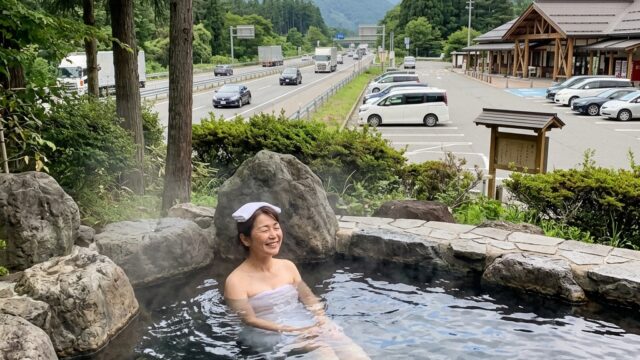
Another fantastic benefit of a bento is that you are not confined to the dining hall. Many modern Service Areas and Highway Oases feature beautiful outdoor parks, landscaped gardens, or observation decks with panoramic views.
Buying a bento allows you to take your lunch outside and eat at a picnic table overlooking a lake or a mountain range. It transforms a routine meal break into a relaxing, scenic picnic. Furthermore, if you are not quite hungry when you stop for gas, you can buy a bento and keep it in your car (if the weather is cool) to eat a few hours later at a scenic pull-off. For more information on finding great spots to relax, read our guide on Family-Friendly Rest Stops: Best Highway Parks and Playgrounds for Kids in Japan.
- Skip the long lines and crowds at the food courts.
- Taste premium, highly localized ingredients in one box.
- Take your meal outside to a scenic picnic area or park.
- Eat in the quiet comfort and privacy of your rental car.
Top Seafood Bento on the Coastal Expressways
If your road trip takes you along Japan’s extensive coastlines, you absolutely must seek out the local seafood bento boxes. These are nothing like the generic fish you find in inland supermarkets; they feature the freshest catch from the adjacent oceans.
Suruga Bay Specialties on the Tomei Expressway
When driving the Tomei Expressway through Shizuoka Prefecture, you are paralleling the incredibly deep Suruga Bay. This bay is famous for specific seafood, most notably Sakura Ebi (cherry blossom shrimp) and Shirasu (whitebait).
At major stops like EXPASA Makinohara or Fujikawa Service Area, you can find beautiful bento boxes featuring these local delicacies. A classic option is a rice box topped with a vibrant pink layer of boiled Sakura Ebi and a white layer of Shirasu. The flavors are delicate, sweet, and incredibly fresh. Eating this bento while looking out over the Pacific Ocean is a quintessential Japanese road trip experience. For more on this route, check The Ultimate Tokyo to Mt. Fuji Drive: Best Tomei Expressway Route & Rest Stops.
Hokuriku Expressway Crab and Sushi Bento
If you are driving along the Sea of Japan on the Hokuriku Expressway (through prefectures like Toyama, Ishikawa, and Fukui), the seafood profile changes dramatically. This region is famous for its rich, fatty fish and incredible winter crab.
The Service Areas here sell incredible sushi-style bento boxes. You can find pressed mackerel sushi (Oshi-zushi) wrapped in persimmon leaves, or luxurious bento boxes filled with flaked, sweet snow crab meat over vinegar rice. Because the Sea of Japan yields such high-quality seafood, these highway bento boxes often rival the meals served in expensive city restaurants, offering an incredibly authentic taste of the region.
Premium Wagyu Beef Bento on the Shin-Tomei
Japan is famous globally for its highly marbled Wagyu beef, and you do not need to visit a high-end steakhouse to try it. Several regions leverage their famous local cattle breeds to create luxurious, premium highway bento boxes.
NEOPASA Okazaki and Matsusaka Beef
The Shin-Tomei Expressway runs through regions famous for top-tier beef. At massive rest stops like NEOPASA Okazaki (in Aichi Prefecture), you can find bento boxes featuring high-grade domestic beef, sometimes even including the legendary Matsusaka beef from neighboring Mie Prefecture.
These bento boxes are usually simple but incredibly rich. They typically consist of a bed of high-quality Japanese rice topped with thinly sliced, deeply marbled beef that has been simmered or grilled in a sweet and savory soy-based sauce (sukiyaki or yakiniku style). The fat from the beef melts into the hot rice, creating an incredibly satisfying meal. While these premium beef bento boxes are more expensive than standard options (often costing between 1,500 and 2,500 yen), they are a fantastic, accessible way to taste authentic Japanese Wagyu.
Hida Beef on the Tokai-Hokuriku Expressway
If you are driving north from Nagoya towards the historic village of Shirakawa-go or Takayama, you will be on the Tokai-Hokuriku Expressway. This route takes you straight through the heart of Gifu Prefecture, the home of the famous Hida Beef.
The Service Areas on this route, such as Seki SA or Hirugano Kogen SA, proudly feature Hida Beef bento. Similar to the Matsusaka beef options, you can find it grilled or simmered. Eating a rich, savory Hida Beef bento while surrounded by the crisp air and stunning mountain scenery of the Japanese Alps is an unforgettable culinary moment. For a full breakdown of this drive, read our Nagoya to Takayama: Scenic Expressway Route & Must-Stop SA/PA guide.
Healthy and Traditional Options in Kansai and Chubu
Not all bento boxes focus on heavy meats or raw seafood. If you are looking for a lighter, healthier, and deeply traditional meal, the Service Areas in the Kansai (Kyoto/Osaka) and Chubu (central) regions offer fantastic options.
Kyoto-Style Obanzai Bento
If you are driving near Kyoto on the Meishin Expressway (such as Otsu SA or Suita SA), you should look for bento boxes featuring “Obanzai.” Obanzai refers to traditional Kyoto-style home cooking, which relies heavily on seasonal vegetables, tofu, and subtle dashi (kelp and bonito broth) flavors.
An Obanzai bento is usually visually stunning, featuring a dozen small compartments, each containing a different, meticulously prepared vegetable or small piece of grilled fish. It is a very healthy, balanced meal that will leave you feeling energized rather than sluggish for the rest of your drive. The delicate flavors provide a wonderful contrast to the heavy, salty food typically associated with highway dining.
Miso Katsu and Nagoya Specialties
In the Chubu region around Nagoya, the local food culture is famous for its bold, strong flavors, particularly the use of Hatcho Miso (a dark, rich, fermented soybean paste).
At Service Areas like Kariya Highway Oasis, you can find bento boxes featuring “Miso Katsu”—a deep-fried pork cutlet slathered in a thick, sweet, and savory miso sauce. It is a hearty, intense flavor that perfectly represents the local culinary preference. Exploring these distinct regional differences through the lens of a simple bento box is a fantastic way to learn about Japanese culture.
Navigating the Bento Aisles and Etiquette
Buying a bento at a Japanese Service Area is straightforward, but there are a few tips to ensure you get a hot, fresh meal and dispose of the packaging correctly.
Heating Your Bento
While some bento boxes (like sushi or certain vegetable assortments) are meant to be eaten cold, many meat and rice bento boxes taste much better when heated. Fortunately, the convenience stores and souvenir shops that sell the bento boxes always provide commercial microwaves for customer use.
After you purchase your bento, locate the microwave station (usually near the checkout or a small seating area). The microwaves often have preset buttons, or the bento packaging will indicate the exact wattage and time required (e.g., “500W – 1 minute”). Be careful when opening a heated bento, as the steam can be very hot.
Disposal and Chopsticks
When you buy a bento, the cashier will usually ask if you need chopsticks (waribashi) and a wet wipe (oshibori). If they do not ask, simply gesture or say “O-hashi, kudasai” (Chopsticks, please).
After you finish eating in your car or at a picnic table, you must dispose of the packaging correctly. Do not stuff the bulky plastic bento tray into a small, general trash bin. Look for the designated “Plastics” (Pura) bin at the Service Area sorting station. Be sure to scrape any major food leftovers into the “Burnable” (Moeru Gomi) bin first before throwing the plastic tray away. For a complete guide on this process, read our article on Navigating Trash and Recycling Bins at Japanese Highway Service Areas.
| Region / Expressway | Famous Bento Ingredient | Flavor Profile |
|---|---|---|
| Tomei (Shizuoka) | Sakura Ebi & Shirasu | Fresh, sweet, delicate seafood. |
| Hokuriku (Sea of Japan) | Crab & Mackerel Sushi | Rich, savory, and premium winter seafood. |
| Shin-Tomei & Tokai-Hokuriku | Wagyu (Matsusaka / Hida Beef) | Deeply savory, fatty, and luxurious meat. |
| Meishin (Kyoto area) | Obanzai (Traditional Veggies) | Light, healthy, dashi-focused. |
Conclusion
The humble bento box represents one of the most accessible and authentic culinary experiences available on the Japanese highway network. By opting for a regional bento at a major Service Area, you are not just grabbing a quick bite to eat; you are partaking in a deep cultural tradition that celebrates local agriculture, high-quality ingredients, and visual artistry.
Whether you are treating yourself to a luxurious Hida Beef bento while driving through the Japanese Alps, or enjoying a delicate, fresh Sakura Ebi bento while looking out over Suruga Bay, these portable meals offer a fast, convenient, and incredibly delicious alternative to crowded food courts. They allow you to control your itinerary, eating whenever and wherever you choose, be it in the quiet comfort of your rental car or at a scenic picnic table overlooking the mountains.
Next time you pull into a large Service Area, take a moment to explore the bento section in the souvenir shop. Look past the generic snacks, find the box that proudly highlights the local specialty, and discover how a simple packed lunch can become a defining, flavorful memory of your road trip across Japan.