Tokyo to Niigata by Car: Best Highway Route, SA & PA Stops on the Kan-Etsu Expressway
So you’re thinking about a road trip from the vibrant energy of Tokyo to the coastal calm and rice fields of Niigata? Excellent choice. Driving gives you the freedom to explore Japan’s stunning countryside at your own pace, and the journey itself is part of the adventure.
This guide is designed for international visitors renting a car in Japan. We’ll break down the best route via the Kan-Etsu Expressway, estimate your travel time and costs, and, most importantly, show you the must-visit Service Areas (SA) and Parking Areas (PA) along the way. Forget boring rest stops; Japanese highway rest areas are destinations in their own right. This guide will prepare you for a smooth and memorable drive.
Quick Route Overview: Tokyo to Niigata City
Before we get into the fun stuff—food and sightseeing stops—let’s cover the basics of the drive from Tokyo to Niigata City. Knowing the route, time, and cost will help you plan your day.
The Kan-Etsu Expressway Route Explained
The most direct and common route is the Kan-Etsu Expressway. It’s a major highway connecting the Tokyo metropolitan area with Niigata Prefecture on the Sea of Japan coast.
- Starting Point: Nerima Interchange (IC) in Tokyo.
- The Road: Kan-Etsu Expressway.
- Destination: Niigata-Chuo Interchange (IC).
- Total Distance: Approximately 300 kilometers (about 186 miles).
- Driving Time: Around 3.5 to 4 hours without any stops or traffic. Realistically, with a few good breaks, plan for a 5 to 6-hour journey.
- Expressway Tolls: Expect to pay around ¥6,800 one-way for a standard car. With an ETC card, you can take advantage of various discounts (e.g., on weekends or late at night), which can lower the cost significantly. Paying with cash or a credit card means you’ll pay the full, undiscounted fare. For this reason alone, we always recommend renting an ETC card with your car. You can learn more about it here: Why You Should Always Book a Rental Car with an ETC Reader in Japan.
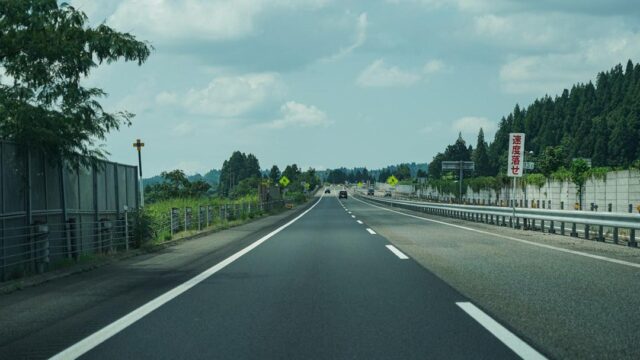
The route takes you northwest out of Tokyo, through the vast Kanto Plain of Saitama Prefecture. As you enter Gunma, the landscape starts to get more mountainous. The highlight is passing through the long Kan-Etsu Tunnel, after which you’ll find yourself in the “snow country” of Niigata. The scenery changes dramatically depending on the season, making this drive enjoyable year-round.
What to Expect: Scenery and Road Conditions
The Kan-Etsu Expressway offers a beautiful cross-section of Japanese landscapes, but conditions can vary wildly, especially in winter.
During spring, summer, and fall, the drive is generally smooth and scenic. You’ll see lush green rice paddies stretching to the horizon, followed by rolling hills and impressive mountains. The weather is usually perfect for driving.
Winter, however, is a different story. From late November to early April, Niigata and northern Gunma are known for some of the heaviest snowfall in the world. If you’re driving during this period, winter tires (studless tires) are absolutely mandatory. When booking your rental car, you must specify that you need them. A 4WD vehicle will give you even more peace of mind. Check out our guide on Snow Tires vs. Chains: What You Need for Winter Car Rentals in Japan for crucial safety information.
The Kan-Etsu Tunnel is another key feature. At nearly 11 kilometers, it’s one of Japan’s longest road tunnels. Be prepared for the sudden change in weather and scenery as you emerge on the other side. It’s not uncommon to enter the tunnel under clear skies in Gunma and exit into a blizzard in Niigata. In terms of traffic, the sections closest to Tokyo (between Nerima IC and Hanazono IC) can get congested, especially on weekend mornings and holiday periods. It’s always a good idea to check Google Maps or a local traffic app before you leave.
First Stop Out of Tokyo: Miyoshi PA
After navigating the urban sprawl and traffic of Tokyo, you’ll be ready for your first break. Miyoshi Parking Area (PA) is the perfect spot. It’s much more than just a place for a bathroom break; it’s your first introduction to Japan’s incredible highway culture.
Why Miyoshi PA is the Perfect Starting Point
Located just a short drive from the Nerima IC, Miyoshi PA is an ideal place to regroup. You can grab a coffee, use the pristine restrooms, and double-check your navigation settings before hitting the open road. The facility here is called “Pasar Miyoshi,” a branded, upscale rest stop that feels more like a modern shopping plaza than a typical PA.
Inside, you’ll find a 24-hour FamilyMart convenience store, a Starbucks, and a fantastic food court. If you left Tokyo early without breakfast, head straight for the “POMPADOUR” bakery. Their fresh-out-of-the-oven pastries and bread are the perfect way to start your road trip. The souvenir shop is also surprisingly comprehensive. It stocks not only famous Tokyo snacks like “Tokyo Banana” but also specialties from Gunma and Niigata, which is great if you forget to buy gifts later.
For international travelers, Miyoshi PA is very user-friendly. Many of the food court ordering machines (ticket vendors) have English, Chinese, and Korean language options. Even if they don’t, the menus are filled with pictures, so you can simply point to what you want. This PA sets a high standard for what you can expect from Japanese rest stops.
Practical Tips for Your Stop
Miyoshi PA is popular, so it can get busy, especially on weekends. The parking lot is huge, but be careful to park in the designated area for standard-sized cars, not the large truck and bus section.
If you forgot to fill up your tank in the city, don’t worry. There’s a 24-hour ENEOS gas station right here. During daytime hours, the information counter may have staff who can assist with directions or answer questions.
And the restrooms? They are impeccably clean, spacious, and equipped with all the features Japanese toilets are famous for. It’s a comfortable and refreshing start to your journey. You’ll quickly understand why Japan’s highway rest stops have such a stellar reputation worldwide.
Gateway to the Mountains: Takasaka SA
As you leave the Kanto Plain behind and the mountains of Gunma start to appear on the horizon, Takasaka Service Area (SA) makes for an excellent second stop. This SA has a unique feature: the inbound and outbound facilities are located next to each other and connected by a pedestrian bridge, allowing you to explore both sides.
Unique Features of Takasaka SA (Outbound)
The outbound side of Takasaka SA (heading towards Niigata) has a fun, quirky character. Fans of Japanese pop culture will be delighted to find Ultraman-themed vending machines and statues. It’s a fun tribute to the classic sci-fi hero and a great photo opportunity, especially if you’re traveling with kids.
The food court offers a chance to try some local Saitama comfort food. Look for “Miso Potato,” a dish of deep-fried potatoes coated in a sweet miso glaze. It’s a simple, delicious snack. You’ll also find solid ramen shops and set-meal restaurants. The SA also features a farmers market-style corner selling fresh, local produce. Grabbing some seasonal fruit is a healthy and tasty way to stock up on snacks for the rest of your drive. For those traveling with a four-legged friend, there’s a dog run to let them stretch their legs.
From a practical standpoint, the food court menus rely heavily on pictures and plastic food models, making ordering easy. Many also use pictograms for allergy information. Some restaurants are starting to introduce tablet-based ordering systems with English menus, which is a big help.
Crossing Over: The Pedestrian Bridge to the Inbound SA
What makes Takasaka SA special is the ability to walk over to the inbound (Tokyo-bound) side. It’s worth the short walk just to see what’s different. The inbound facility often has a different selection of stores and restaurants. For instance, you might find a Kentucky Fried Chicken or a larger, more extensive souvenir shop over there.
Why bother crossing? It breaks up the drive, gives you more food and shopping options, and it’s a good way to scout out potential souvenirs for your return trip to Tokyo. Just remember to lock your car and take your valuables with you. The walk itself is a nice little stretch, offering a slightly different perspective of the highway and surrounding area. This unique design is rare on Japanese expressways, making Takasaka SA a memorable stop.
Local Food and Souvenirs at Akagi Kogen SA
By the time you reach Akagi Kogen Service Area, you’ll be firmly in Gunma Prefecture, with the majestic Mt. Akagi providing a stunning backdrop. This is a perfect halfway point for a proper meal, offering fantastic views and a delicious introduction to Gunma’s local cuisine.
A Taste of Gunma: Local Food Highlights
Gunma is famous for its high-quality pork, and Akagi Kogen SA is one of the best places to try it. Head to the main restaurant and order the “tonkatsu teishoku” (pork cutlet set meal). The pork, often a local brand like “Akagi Pork,” is incredibly juicy and flavorful. It’s a hearty, satisfying meal that will power you through the rest of your drive.
Another Gunma specialty you can find in the food court is “Himokawa Udon,” a type of udon noodle that is incredibly wide and flat. The texture is unique and it’s a fun dish to try. And for dessert, you can’t go wrong with the soft-serve ice cream made with milk from local dairies. It’s rich, creamy, and the perfect treat on a warm day. They often have seasonal flavors, so be sure to check what’s on offer.
The main sit-down restaurant is likely to have an English menu available upon request. In the food court, the ticket machine system prevails, but the staff are generally helpful and will assist you if you seem unsure. Pointing at the plastic food displays is always a reliable backup plan.
Shopping for Unique Gunma Souvenirs
The souvenir shop at Akagi Kogen SA is excellent. You’ll find a huge selection of goods featuring “Gunma-chan,” the prefecture’s adorable pony mascot. These make for cute and memorable gifts.
For something more gourmet, look for the famous rusks from “Gatoh Festa Harada,” a nationally renowned confectionery brand that originated in Gunma. It’s a treat to find their products available right on the highway. You can also find products from the local Konnyaku Park, such as fruit jellies made from konjac.
The shop also has a great section dedicated to local sake. While the driver can’t partake, it’s an excellent opportunity to pick up a bottle of Gunma’s finest rice wine as a gift or to enjoy once you’ve reached your destination in Niigata. Before you leave, be sure to step out onto the observation deck behind the main building. On a clear day, the panoramic view of the surrounding mountains, including Mt. Tanigawa, is absolutely breathtaking.
The Final Stretch: Tanigawadake PA & Echigo-Kawaguchi SA
After passing through the long, dark Kan-Etsu Tunnel, you’ll emerge into a completely different landscape. Welcome to Niigata Prefecture! The end of your journey is in sight, but there are a couple more great stops to make before you reach Niigata City.
Tanigawadake PA: A Refreshing Stop Before the Tunnel
Located just before the entrance to the Kan-Etsu Tunnel on the Gunma side, Tanigawadake Parking Area is a small but mighty stop. Its main claim to fame is the free, natural spring water that flows from a tap, sourced directly from the pristine Mt. Tanigawa. You’ll see many local drivers filling up large jugs. Bring an empty water bottle and fill it up—the water is cold, pure, and delicious.
The view from this PA is also spectacular. You get an up-close, dramatic look at the rugged peaks of Mt. Tanigawa. It’s especially beautiful during the autumn foliage season. As a PA, the facilities are basic: clean restrooms, vending machines, and a small shop. It’s the perfect place for a final leg stretch and a mental reset before tackling the 11-kilometer tunnel.
The small shop here sells a fantastic local product: a rich, creamy drinking yogurt from the Tanigawa area. It’s a local favorite and a great way to fight off driver fatigue. While English signage is minimal, the products are self-explanatory, and the experience feels very authentic.
Echigo-Kawaguchi SA: Your First Taste of Niigata
Once you’re through the tunnel, Echigo-Kawaguchi SA is the first major Service Area you’ll encounter in Niigata. It’s the perfect place to celebrate your arrival in the region and sample its famous cuisine. This is your chance to try authentic Niigata specialties right on the highway.
Look for “Hegi Soba,” a type of soba noodle made with a binding agent from seaweed, giving it a firm, smooth texture. It’s often served in beautiful, wave-like arrangements. Another must-try is “Tarekatsu-don,” a Niigata-style pork cutlet rice bowl where the cutlets are dipped in a sweet soy-based sauce instead of being served with egg. And of course, being in the heart of Japan’s most famous rice-producing region, the white rice (Koshihikari) served with any meal here is exceptional. Some food court restaurants even offer free second helpings of rice.
The souvenir shop is stocked with all things Niigata: premium sake, a huge variety of rice crackers (“kaki-no-tane” is a famous one), and vacuum-sealed packs of Koshikari rice. Don’t forget to pick up some “sasa-dango,” a sweet mugwort-flavored mochi filled with red bean paste and wrapped in bamboo leaves. Before leaving, check out the observation deck for a lovely view of the Uono River and the “Echigo Sanzan” (Three Mountains of Echigo).
Essential Tips for Driving the Kan-Etsu Expressway
A little preparation goes a long way toward ensuring a smooth and safe drive. Here are some specific tips for the Kan-Etsu Expressway that every international driver should know.
Navigating Tolls and the ETC System
Japan’s expressways use a toll system, and the easiest way to pay is with an ETC (Electronic Toll Collection) card. When you rent a car in Japan, make sure to also rent an ETC card. It’s a small daily fee, but it saves you time and money. With an ETC card, you can use the dedicated purple “ETC専用” lanes at toll gates. Just slow down to 20 km/h, and the barrier will open automatically. The toll is charged to your card, and you settle the total bill when you return the car. It also gives you access to various discounts.
If you don’t have an ETC card, you’ll need to use the green “一般” (General) lanes. At the entrance interchange, you’ll stop at a machine and take a paper ticket. At your exit interchange, you’ll hand that ticket to a toll booth attendant and pay the fee with cash or a credit card.
What if you accidentally enter an ETC lane without a card? Don’t panic and absolutely do not reverse. Stop at the barrier, put your hazard lights on, and wait. An attendant will come out to help you. It happens, and they are used to dealing with it.
Winter Driving and Tunnel Safety
This cannot be stressed enough: if you are driving between late November and early April, you must be prepared for snow. The mountain section of the Kan-Etsu Expressway is serious snow country. Your rental car must be equipped with winter tires (studless tires). All-season tires are not sufficient. During heavy snowfalls, authorities may implement a “chains required” regulation, and you won’t be allowed to pass without them. For a detailed breakdown, read our guide on Winter Driving in Japan: The Snow Country Route from Tokyo to Nagano via Kan-Etsu Expressway.
The Kan-Etsu Tunnel requires special attention. Its 11-kilometer length can feel a bit disorienting. Lane changes are prohibited for most of its length, so stay in your lane. Be aware that the weather and road conditions at the exit can be completely different from the entrance, especially in winter. You might enter on a dry road and exit onto a snow-covered one, so be prepared to adjust your speed immediately. For real-time traffic updates, you can tune your car radio to AM 1620 kHz to listen to Highway Radio (though the information is usually in Japanese).
Conclusion
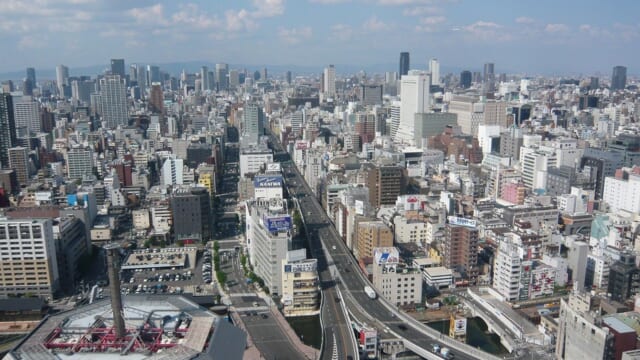
The drive from Tokyo to Niigata is far more than just a means of getting from point A to point B. It’s a journey through the changing face of Japan, from the dense urban landscape of Tokyo to the wide-open plains of Kanto, and finally over the mountains into the beautiful, rugged “snow country.” The Kan-Etsu Expressway offers a dramatic and memorable driving experience, with each segment revealing a new side of the country’s diverse geography. The service areas and parking areas we’ve highlighted—Miyoshi, Takasaka, Akagi Kogen, and Echigo-Kawaguchi—are integral parts of this experience. They transform a simple drive into a culinary and cultural adventure.
For international visitors, Japan’s highway rest stops are a fantastic and accessible window into regional life. They are clean, safe, and incredibly well-equipped, serving as local food markets, gourmet destinations, and sometimes even scenic viewpoints. They break up the long drive, making it more manageable and infinitely more enjoyable. With increasing multilingual support on ticket machines and signage, these facilities are becoming more welcoming to foreign tourists than ever before.
While the freedom of a rental car is unparalleled, safety must always be the top priority. This is especially true on the Kan-Etsu Expressway in winter. Ensure you are fully prepared for snow conditions by booking a car with the proper tires and checking weather forecasts frequently. And do yourself a favor: rent an ETC card. It simplifies the toll process immensely and saves you money, letting you focus on the drive and the beautiful scenery. By using this guide as your roadmap, your drive from Tokyo to Niigata is sure to be a safe, delicious, and unforgettable part of your Japan adventure. Enjoy the open road and all the amazing stops along the way.