Midnight Snacking on the Highway: Best Japanese Rest Stops for Late-Night Ramen and Food
Driving through the night in a foreign country can often feel like a solitary, isolating experience. The landscape is cloaked in darkness, and in many parts of the world, highway services shut down completely after 10:00 PM, leaving drivers with nothing but stale vending machine snacks and cold coffee.
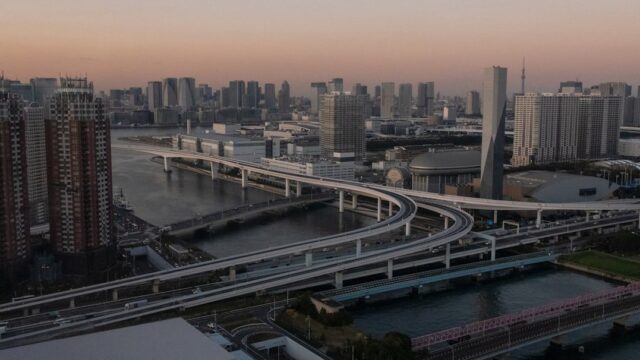
However, late-night driving in Japan is a completely different story. The Japanese expressway network is a 24-hour lifeline, heavily utilized by long-haul truck drivers, dedicated road-trippers taking advantage of late-night toll discounts, and ski enthusiasts racing to the mountains before dawn.
To support this nocturnal migration, many of Japan’s major Service Areas (SA) and Parking Areas (PA) remain vibrantly alive throughout the night. These brightly lit oases offer much more than just fuel and restrooms; they are culinary destinations serving up some of the most comforting, satisfying, and delicious late-night food you will ever experience.
From steaming bowls of rich, pork-bone ramen to perfectly fried pork cutlets and delicate local udon, the quality of food available at 2:00 AM on a Japanese highway will astound you. In this guide, we will delve into the unique culture of midnight snacking on Japanese expressways, highlighting the absolute best rest stops where you can pull over, stretch your legs, and indulge in a genuinely unforgettable late-night meal.
1. The Culture of Late-Night Highway Driving in Japan
To truly appreciate the phenomenal late-night food scene on Japanese expressways, it is essential to understand why so many people choose to drive during these twilight hours. The primary motivator for most domestic travelers is the Electronic Toll Collection (ETC) discount system.
Specifically, the “Late-Night Discount” offers a massive 30% reduction on highway tolls for any vehicle that is on the expressway between midnight and 4:00 AM. For a long-distance drive, such as traveling from Tokyo to Osaka or Kyoto, this discount translates to significant financial savings.
If you are planning a similar long-haul journey and want to learn more about the best routes, you can read our guide on the The Ultimate Tokyo to Mt. Fuji Drive: Best Tomei Expressway Route & Rest Stops.
Because of this financial incentive, the highways at 1:00 AM are often bustling with minivans filled with sleeping families, groups of friends heading to weekend getaways, and commercial transport vehicles. This steady stream of traffic creates a constant demand for high-quality, hot meals to keep drivers alert and energized, elevating the humble highway rest stop into a crucial piece of Japan’s culinary infrastructure.
The Evolution from Vending Machines to Gourmet Food Courts
Decades ago, late-night highway dining in Japan was largely similar to the rest of the world: dominated by simple vending machines dispensing hot canned coffee and perhaps a basic, microwavable hot dog or onigiri (rice ball). However, as the expressway network expanded and the culture of domestic road-tripping grew, the competitive landscape between different Service Areas shifted dramatically.
The major highway operators (NEXCO) realized that offering superior food was the key to attracting drivers to their specific facilities. This led to a massive evolution.
Today, while the iconic hot food vending machines still exist and possess a certain nostalgic charm (some even dispensing surprisingly decent hot udon or grilled sandwiches in 90 seconds), they have been largely overshadowed by sprawling, 24-hour food courts. These food courts are not populated by generic, low-quality fast food chains.
Instead, they feature outposts of highly respected local restaurants and specialized ramen shops that take immense pride in their broths and noodles. The goal is no longer just to fill a driver’s stomach; it is to provide a memorable dining experience that showcases the culinary identity of the local prefecture, even in the middle of the night.
Why Ramen is the Ultimate Late-Night Comfort Food
When discussing late-night eating in Japan, ramen is the undisputed king. There is a deep, almost biological craving for a hot, salty, and carbohydrate-heavy bowl of noodles after hours of staring at the hypnotic white lines of a dark highway.
The high sodium content helps replenish electrolytes, the rich broth provides immediate warmth, and the carbohydrates deliver a necessary burst of energy to combat driver fatigue. On the expressways, ramen is perfectly suited for the late-night traveler.
It is served quickly, consumed easily, and satisfies the soul. Every major region in Japan has its own distinct style of ramen, and the highway Service Areas are the perfect places to sample them.
If you are driving on the Kyushu Expressway, you will encounter the intense, milky-white Tonkotsu (pork bone) broths of Fukuoka. If you are on the Tohoku Expressway heading north, you might find a lighter, soy-based broth flavored with local chicken or fish.
Exploring these regional variations at 3:00 AM is a unique cultural adventure. Even if you have specific dietary restrictions, the options are expanding; for guidance on finding suitable meals, you can consult our Vegan & Vegetarian Food Guide: What to Eat at Japan’s Highway Service Areas. Regardless of your preference, finding that perfect bowl of midnight ramen is a quintessential part of the Japanese road trip experience.
2. Ebina SA: The Colossus of Late-Night Dining
If you are traveling on the Tomei Expressway, which connects Tokyo to the central and western parts of Japan, you will inevitably pass through Kanagawa prefecture. Here, you will find Ebina Service Area, undeniably one of the most famous, busiest, and largest rest facilities in the entire country.
Ebina SA is essentially a small city dedicated to highway travelers, and its reputation for incredible food is legendary. While it is bustling with activity during the day, it takes on a different, somewhat magical atmosphere at night.
For travelers leaving Tokyo late in the evening to beat the morning traffic, Ebina SA (Outbound) is the traditional first major stop. It is here that the reality of the road trip truly sets in, and the anticipation is usually accompanied by a powerful craving for a late-night feast. The sheer scale and variety of the 24-hour options available at Ebina are staggering, making it a mandatory culinary pilgrimage.
The 24-Hour Food Court Experience at Ebina
The food court at Ebina SA is expansive, brightly lit, and meticulously clean, regardless of the hour. While some of the specialized bakery and souvenir stalls may close around 9:00 PM or 10:00 PM, the core dining establishments catering to the midnight crowd remain wide open.
If you are craving ramen, you will be spoiled for choice. One of the standout options often available is “Zabon Ramen,” a highly respected brand that serves a complex, deeply flavorful Tonkotsu-shoyu (pork bone and soy sauce) broth.
The rich, fatty broth, topped with generous slices of tender chashu (braised pork belly) and crisp cabbage, is the ultimate cure for driving fatigue. If noodles are not your preference, you can find excellent 24-hour stalls serving hearty Japanese curry rice or massive “Katsudon” (deep-fried pork cutlet served over rice with a sweet soy broth and egg).
The quality of the pork cutlets served here—crispy on the outside, juicy on the inside—rivals many dedicated restaurants in the city. The beauty of the Ebina food court is that it caters to every conceivable late-night craving, ensuring that every passenger in your car finds exactly what they want.
- Parking Can Still Be Tight: Despite the massive lot, the sheer volume of trucks taking their mandatory rest periods means parking can be surprisingly crowded even at 2:00 AM. Be patient and drive slowly.
- The Melon Pan Legend: Ebina is famous nationwide for its “Melon Pan” (a sweet bread with a cookie crust). While the famous bakery might be closed late at night, the 24-hour convenience stores inside often stock a fresh supply for nocturnal travelers.
- Use the Seating Areas: Don’t eat in your car. The indoor seating areas are comfortable, heated in winter, and air-conditioned in summer, providing a much better environment to rest your body.
Beyond the Main Food Court: Late-Night Snacks
Sometimes, you don’t want a heavy, sit-down meal; you just want a quick, satisfying snack to keep you going. Ebina SA excels in this area as well.
The facility houses massive, 24-hour convenience stores (typically a major brand like FamilyMart or 7-Eleven) that are specifically tailored for highway drivers. These are not your average convenience stores; they are heavily stocked with an enormous variety of hot food items.
You can find steaming “Nikuman” (pork buns) in the display cases near the register, which are incredibly comforting on a cold night. The hot food cabinets also offer an array of fried chicken (karaage), yakitori (grilled chicken skewers), and croquettes.
Furthermore, the drink selection is unparalleled. If you are struggling to stay awake, you will find an entire aisle dedicated to strong, highly caffeinated energy drinks, specialized “driver’s coffee” that promises extra alertness, and even traditional Japanese herbal tonics designed to combat fatigue. Grabbing a hot pork bun and a strong coffee before returning to the dark highway is a simple but deeply satisfying late-night ritual at Ebina.
3. Umihotaru PA: Dining Surrounded by the Ocean at Midnight
If you are looking for an experience that is entirely unique to Japan, you must visit the Umihotaru Parking Area on the Tokyo Bay Aqua-Line. The Aqua-Line is an incredible feat of engineering that connects Kanagawa prefecture (Kawasaki) to Chiba prefecture (Kisarazu) by crossing directly over, and under, Tokyo Bay.
The highway consists of a long underwater tunnel that transitions into a massive bridge. Right at the transition point, situated on an artificial island in the very middle of Tokyo Bay, is the Umihotaru PA.
The name “Umihotaru” translates to “sea firefly,” and it perfectly describes how this multi-story facility glows against the dark waters at night. Driving out of the long, hypnotic underwater tunnel and suddenly emerging into the brilliant lights of this floating rest stop is a surreal experience. While Umihotaru is packed with tourists taking photos during the day, visiting at midnight offers a distinctly different, highly romantic, and incredibly peaceful atmosphere, making it a premier destination for late-night highway dining.
A Midnight Feast with a 360-Degree Ocean View
The architecture of Umihotaru PA is designed to resemble a luxury cruise ship, with multiple decks offering 360-degree panoramic views of the dark ocean, the distant, glittering skyline of Tokyo, and the industrial lights of Kawasaki. The 24-hour food options here are designed to match this spectacular setting.
The food court features a strong emphasis on seafood, reflecting its location in the middle of the bay. Even late at night, you can often find piping hot bowls of “Asari Udon” (udon noodles in a light broth packed with fresh Manila clams).
The briny, savory flavor of the clam broth is incredibly soothing and feels like the perfect midnight meal when surrounded by the sea. If you are craving something richer, the ramen options are also excellent, often featuring a distinct Chiba-style soy sauce broth.
Taking your hot bowl of noodles to a window seat overlooking the dark, expansive waters of Tokyo Bay is an experience that elevates a simple highway meal into a memorable event. The quiet hum of the ocean outside contrasts beautifully with the warm, vibrant atmosphere of the food court inside.
Exploring the Decks and the “Sea Firefly” Magic
After satisfying your midnight cravings, exploring the outdoor observation decks of Umihotaru is mandatory, even if the sea breeze is chilly. The facility is beautifully illuminated, and the contrast between the dark ocean and the distant city lights is stunning.
For couples taking a late-night drive, it is widely considered one of the most romantic spots in the Kanto region. The decks are adorned with various art installations and monuments, creating a unique, almost ethereal atmosphere.
You can watch the massive cargo ships silently gliding through the bay or try to spot the airplanes descending towards Haneda Airport. If the weather is too harsh to stay outside, the indoor corridors offer plenty of seating and unique vending machines. The combination of incredible seafood-based late-night food and the unparalleled, isolated beauty of an artificial island makes Umihotaru PA a legendary stop for nocturnal drivers in the Tokyo area.
4. Hanyu PA (Onihei Edo Dokoro): A Step Back in Time
If your late-night journey takes you north out of Tokyo on the Tohoku Expressway, you will encounter a rest stop that completely defies all expectations. The Hanyu PA (specifically the Inbound side, heading towards Tokyo) has been meticulously themed to resemble a bustling street from the Edo period (1603-1868).
This facility is officially named “Onihei Edo Dokoro,” inspired by a famous Japanese historical novel series. The moment you pull into the parking lot, the modern world vanishes.
The exterior of the buildings, the lighting, the signage, and even the staff uniforms are all designed to transport you back centuries. While many themed environments can feel kitschy or superficial, Hanyu PA is executed with an astonishing level of detail and authenticity.
Visiting this facility during the day is fun, but arriving at midnight is an entirely different experience. The dim, warm glow of traditional paper lanterns, the quiet traditional music playing softly in the background, and the shadows playing on the wooden facades create an incredibly immersive, almost cinematic atmosphere.
Edo-Style Comfort Food at 2:00 AM
The dedication to the Edo period theme extends fully into the food offerings at Hanyu PA. The restaurants and food stalls here serve dishes that were popular centuries ago, updated for modern palates but retaining their historical roots.
For a late-night meal, the absolute highlight is the soba (buckwheat noodles). In the Edo period, soba was the ultimate fast food, and here you can enjoy a steaming bowl of Nihonbashi-style dark, rich soy broth soba, often topped with a large, crispy kakiage (mixed vegetable tempura).
The earthy flavor of the buckwheat combined with the savory broth is deeply comforting. If you are looking for something more substantial, you can find excellent unagi (grilled eel) dishes or hearty bowls of rice topped with simmered chicken and egg (oyakodon).
Eating these traditional dishes in an environment that feels like a centuries-old inn (hatago) is a surreal and delightful contrast to the modern car you just parked outside. It is a brilliant reminder of how Japanese Service Areas focus on providing a holistic, cultural experience, not just a utilitarian pit stop.
The Atmosphere of the Midnight Post Town
The immersive experience of Hanyu PA goes beyond the food. After your meal, wandering the recreated Edo street is highly recommended.
The attention to detail is remarkable; you will see wooden sliding doors, traditional shop curtains (noren), and even a recreated watchtower. At midnight, when the crowds have vanished and only a few truck drivers and late-night travelers remain, the atmosphere becomes intensely peaceful and evocative.
It feels as though you have genuinely stepped into a time machine. The souvenir shops continue the theme, offering traditional Japanese sweets (wagashi), beautiful Edo-kiriko cut glass, and traditional wooden toys alongside the usual modern road trip snacks.
Taking a break from a stressful, dark highway to eat a bowl of hot soba in a quiet, lantern-lit Edo village is an experience that completely recharges your mental energy. It perfectly illustrates why late-night driving in Japan can be a journey of continuous discovery, where a simple rest stop transforms into the highlight of your entire trip.
5. Essential Tips for Late-Night Highway Dining
While the prospect of midnight ramen and themed rest stops is incredibly enticing, it is important to remember that late-night dining on the Japanese expressways comes with its own set of unwritten rules and logistical considerations. Unlike the structured, predictable environment of daytime travel, the nocturnal highway operates on a slightly different rhythm.
The primary patrons of these facilities at 3:00 AM are long-distance truck drivers who are working against tight deadlines and battling severe fatigue. As a recreational traveler, showing respect for their space and understanding the nuances of the 24-hour food court system will ensure a smooth and pleasant experience.
Furthermore, while the major Service Areas (SA) are bustling hubs of activity, the smaller Parking Areas (PA) can be very different environments late at night. Knowing what to expect, how to behave, and what amenities are truly guaranteed 24/7 will help you plan your late-night stops effectively and avoid any frustrating surprises when you are tired and hungry.
Navigating the Midnight Crowds and Truck Stops
When you pull into a major Service Area like Ebina or a popular PA like Umihotaru after midnight, the first thing you will notice is the sheer volume of large commercial trucks. Japanese logistics rely heavily on overnight transport, and the drivers are required by law to take specific rest periods.
Therefore, the parking lots dedicated to large vehicles will be completely full, and the engines will often be left running to power the cabin heaters or refrigeration units. When navigating the parking lot, be extremely cautious and hyper-aware of your surroundings; large trucks have massive blind spots, and visibility is low.
Once inside the food court, you will often see drivers sleeping in the designated seating areas or eating quickly and quietly. The atmosphere is generally hushed and focused.
As a tourist, it is polite to keep your voice down, avoid occupying large tables if your group is small, and generally maintain a respectful, low profile. The late-night food court is a shared sanctuary for tired drivers, and contributing to its peaceful environment is an unspoken rule of Japanese highway etiquette. If you are curious about the general rules of behavior on the expressways, you can read our comprehensive guide on the Unspoken Rules of Japanese Highways: The “Thank You” Hazard Lights and Driving Etiquette.
- Check Operating Hours: While the facility itself is open 24 hours, not every single restaurant inside will be. The core noodle and rice bowl shops usually are, but specialized bakeries or dessert stalls will be closed.
- The Ticket Machine System: Almost all late-night dining relies on the ticket vending machine system. Bring cash, as not all machines accept credit cards or IC cards late at night due to system maintenance.
- Clean Up After Yourself: The cleaning staff is usually reduced at night. Be meticulous about returning your tray to the designated “Return” (返却口) counter and wiping down your table.
The Reality of Smaller Parking Areas (PA)
While the massive Service Areas offer gourmet feasts, it is crucial to understand that smaller Parking Areas (PA) provide a vastly different experience at night. If you pull into a minor PA in a rural area at 2:00 AM, do not expect a sprawling food court.
Often, the only things open will be the restrooms and a bank of brightly lit vending machines. However, do not underestimate these machines.
As mentioned earlier, Japan has elevated vending machine technology. In many PAs, you can find machines that dispense surprisingly good hot food, such as grilled rice balls (yaki-onigiri), hot dogs, fries, and even hot bowls of udon or ramen.
Watching the digital timer count down while the machine microwaves your meal is a strangely charming experience. If you are driving through remote, mountainous regions where major SAs are sparse, these hot food vending machines can be a true lifesaver. However, because you cannot rely on them for a proper, hearty meal, it is always a good strategy to keep some emergency snacks and drinks in your rental car, especially when traveling long distances at night.
Conclusion
The culture of late-night highway dining in Japan is a fascinating phenomenon that completely shatters the stereotype of dreary, uninspired rest stop food. Driven by the financial incentives of the ETC late-night toll discounts and the relentless pace of domestic logistics, the expressways transform into vibrant culinary arteries after the sun goes down.
For the intrepid road tripper, taking advantage of these nocturnal facilities is not just about satisfying a basic physical need; it is an opportunity to engage with a unique aspect of modern Japanese culture. Whether you are indulging in a rich, restorative bowl of Tonkotsu ramen amidst the bustling midnight energy of Ebina SA, slurping clam udon while surrounded by the dark waters of Tokyo Bay at Umihotaru PA, or stepping back into the Edo period for a bowl of traditional soba at Hanyu PA, these experiences are incredibly memorable.
The dedication of the highway operators to provide high-quality, regionally specific food 24 hours a day ensures that no matter when you choose to drive, you will never go hungry. However, enjoying this system requires a blend of preparation and respect.
Understanding the ticket machine protocols, being mindful of the resting truck drivers who share the space, and knowing the difference in amenities between massive Service Areas and smaller Parking Areas will allow you to navigate the late-night highway scene with confidence. When you combine the significant financial savings of the late-night toll discounts with the unparalleled quality of the midnight food options, driving through the night in Japan becomes less of a logistical necessity and more of an exciting, delicious adventure. The next time you find yourself on a Japanese expressway at 2:00 AM, do not settle for a cold convenience store sandwich; pull into a major rest stop, follow the scent of simmering broth, and discover the ultimate late-night comfort food.