Can I Drive in Japan? The Strict Rules for International Driving Permits (IDP) Explained
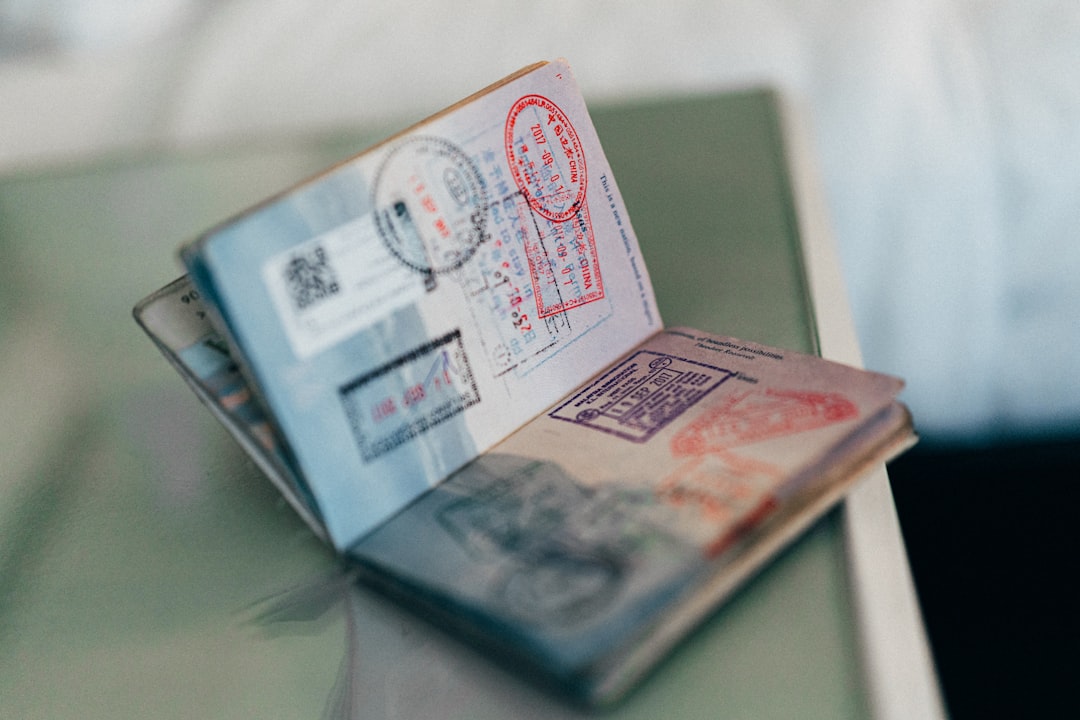
Every year, thousands of eager international tourists arrive at rental car counters in Narita or Haneda airports, excited to begin their Japanese road trip, only to be turned away immediately. Their vacation plans are ruined in an instant, all because of a misunderstanding regarding a single piece of paper: the International Driving Permit (IDP).
Japan is notoriously strict and inflexible when it comes to the legal documentation required for foreigners to drive. The rental car staff are not being difficult; they are simply adhering to Japanese law, which strictly follows a specific international convention. If your permit does not meet the exact legal criteria, no amount of arguing, pleading, or showing your domestic driver’s license will get you the keys to a rental car. This guide will clarify exactly what type of International Driving Permit is accepted in Japan, which countries are excluded from this system, and the alternative translation processes available for those who cannot get a standard IDP, ensuring your road trip begins without a hitch.
The 1949 Geneva Convention Requirement
The single most important fact you must understand about driving in Japan as a tourist is this: Japan only recognizes International Driving Permits issued under the 1949 Geneva Convention on Road Traffic. This is a hard, inflexible legal requirement.
Why the Year Matters
Many countries issue IDPs under a later agreement, most commonly the 1968 Vienna Convention. An IDP issued under the 1968 convention is completely invalid and illegal to use in Japan. When you apply for an IDP in your home country (typically through an automobile association like the AAA in the United States, the AA in the UK, or the NRMA in Australia), you must explicitly verify that the document they are handing you is based on the 1949 Geneva Convention.
The physical document must clearly state “1949” on the front cover. If you arrive at a Japanese rental counter and present an IDP that says “1968,” the staff will politely but firmly refuse your reservation. They are trained to check the specific year on the cover before looking at anything else. Do not assume that because your country is part of the European Union or because you have driven in multiple other Asian countries with your current permit, it will automatically work in Japan. Always double-check the convention year. If you are preparing for your trip and need advice on the actual booking process once your paperwork is sorted, read our guide on Renting a Car in Japan: Essential Tips and Choosing the Best Rental Agency.
What You Must Present at the Counter
When you walk up to the rental car counter, you cannot simply hand them the IDP and expect to get the keys. The IDP is not a standalone license; it is merely a legally recognized translation of your domestic driving credentials. Therefore, you must present three specific documents simultaneously to the rental staff:
1. Your valid International Driving Permit (1949 Geneva Convention).2. Your valid domestic driver’s license from your home country. (The license that the IDP is translating).3. Your physical passport. (To verify your identity and your tourist visa status).
If you forget your domestic driver’s license at home and only bring the IDP booklet, you will not be allowed to rent the car. The IDP is completely useless without the domestic license attached to it. Furthermore, your IDP must be stamped in the correct category for the vehicle you intend to drive (typically Category B for a standard passenger car or a small 8-seater minivan). Make sure all these documents are physically with you in your carry-on luggage, not packed away in a checked suitcase. Once you have the keys, knowing how to behave on the road is the next step; brush up on local etiquette by reading Unspoken Rules of Japanese Highways: The “Thank You” Hazard Lights.
Exceptions: The JAF Translation System
While the 1949 Geneva Convention rule covers the vast majority of international tourists (including those from the US, UK, Australia, Canada, and South Korea), there is a significant exception. Japan has bilateral agreements with a specific list of countries that do not issue 1949 Geneva Convention IDPs.
The Six Excluded Countries
If your domestic driver’s license was issued in Switzerland, Germany, France, Belgium, Monaco, or Taiwan, you cannot use an International Driving Permit in Japan. If you go to your local automobile association in these countries and request an IDP, it will likely be a 1968 Vienna Convention permit, which is invalid in Japan.
Instead, tourists from these six specific countries (plus Taiwan) must obtain an official Japanese translation of their domestic driver’s license. You cannot just use Google Translate; it must be an official document produced by the Japan Automobile Federation (JAF) or your respective country’s embassy/consulate in Japan. This official translation, combined with your original domestic license and your passport, serves as your legal permission to drive in Japan.
How to Obtain a JAF Translation
Obtaining a JAF translation requires a bit of advanced planning, though the process has become significantly easier in recent years. JAF now offers an online application system for license translations. You can upload high-quality photos of your domestic driver’s license to their website before you travel to Japan, pay a fee (usually around 4,000 yen), and receive a digital PDF translation equipped with a unique printing code.
When you arrive in Japan, you simply go to any 7-Eleven convenience store, use the multi-copy machine, enter your unique code, and print out the official, stamped translation document. You then present this printed translation, your original domestic license, and your passport to the rental car agency. If you fail to do this online in advance, you will have to visit a physical JAF office in Japan during business hours, submit the paperwork, and wait (sometimes several hours or until the next day) for the translation to be completed, which can severely delay your travel plans.
Conclusion
The rules regarding international driving credentials in Japan are black and white, leaving absolutely no room for interpretation or exceptions at the rental counter. Understanding these requirements months before your trip is the only way to ensure your road trip actually happens.
To guarantee you are legally allowed to drive away from the rental agency, strictly follow this checklist:
- Check the Convention Year: Your IDP must clearly state “1949 Geneva Convention” on the cover. A 1968 permit is illegal to use in Japan.
- Bring the Holy Trinity: You must present your IDP, your original domestic driver’s license, and your passport together at the counter.
- Check the Six Exceptions: If your license is from Germany, France, Switzerland, Belgium, Monaco, or Taiwan, you need a JAF translation, not an IDP.
- Apply for JAF translations online: If you fall into the exception list, use the JAF online portal to get your translation printed at a Japanese 7-Eleven.
- Never forget your domestic license: An IDP is only a translation; without the original plastic card from your home country, the IDP is invalid.
By arriving at the rental counter with the correct, legally recognized documentation, you will bypass the most common hurdle international tourists face and seamlessly begin your Japanese driving adventure.