Unspoken Rules of Japanese Highways: The “Thank You” Hazard Lights and Driving Etiquette
Driving in a foreign country is not just about learning the traffic laws and understanding the road signs; it is about absorbing the local driving culture. Japan is world-renowned for its societal emphasis on politeness, harmony, and consideration for others, and this cultural ethos extends directly onto the asphalt. The expressways in Japan operate with a fluidity and a level of mutual respect that often surprises international tourists accustomed to more aggressive driving environments.
However, because this etiquette is unspoken, it is rarely taught in rental car orientation videos or official guidebooks. Failing to observe these subtle rules will not result in a police fine, but it will immediately mark you as a disruptive, inconsiderate driver and can cause unnecessary friction on the road. Understanding how to communicate gratitude, how to merge politely, and how to utilize the passing lane correctly are essential skills. This guide will delve into the unwritten rules of Japanese highway driving, ensuring you can blend in seamlessly with the locals and contribute to the harmonious flow of traffic.
The Art of Highway Communication
In the absence of eye contact or hand gestures, Japanese drivers have developed specific, universally understood methods for communicating with each other using the car’s lighting systems. Mastering these signals is the fastest way to earn the respect of the drivers around you.
The “Thank You” Hazard Lights (Thank You Hazard)
The most famous and delightful unspoken rule of Japanese driving is the use of the hazard lights to say “thank you.” If you are waiting to merge onto the expressway from an on-ramp, or if you need to change lanes in heavy traffic, a Japanese driver will often slow down and leave a gap to let you in. When you pull into that gap, you are culturally obligated to express your gratitude.
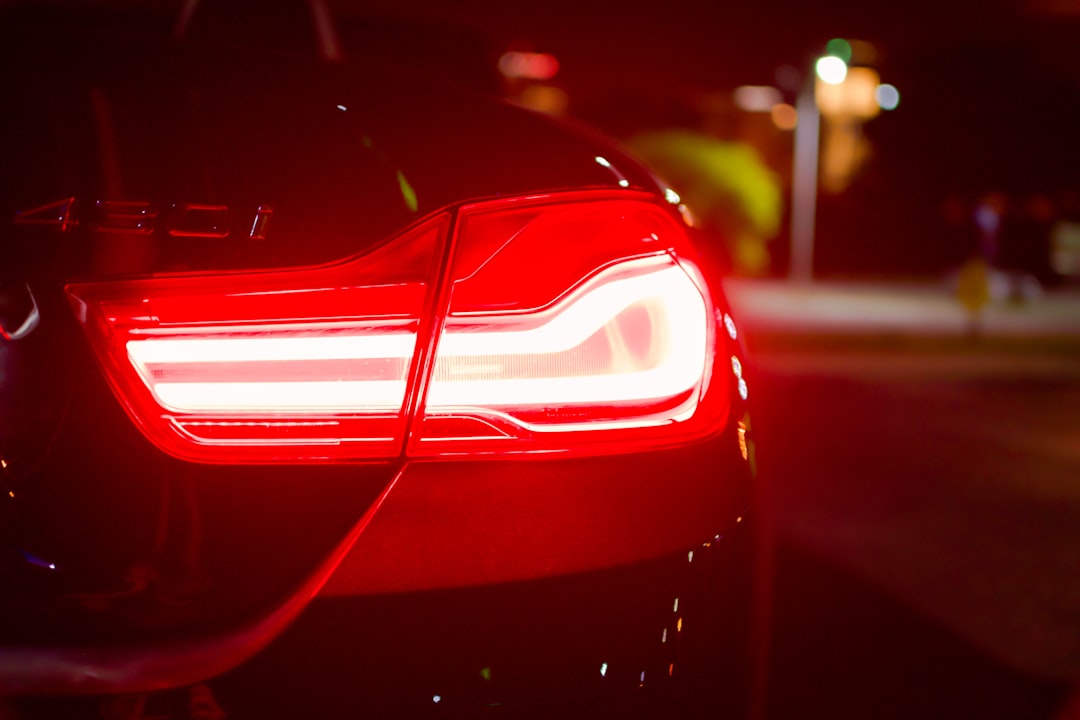
You do this by pressing your hazard light button, allowing the double-blinkers to flash exactly two or three times, and then immediately turning them off. This brief flash is known as the “Thank You Hazard” (サンキューハザード). The driver behind you will understand this as a polite bow of the head. It is a simple gesture, but it instantly diffuses the inherent stress of traffic congestion. If someone lets you in and you fail to flash your hazards, you will be viewed as incredibly rude. Get into the habit of locating the hazard button on your rental car’s dashboard before you start driving so you can reach it quickly without taking your eyes off the road. For more tips on familiarizing yourself with your rental vehicle, read Picking Up Your Rental Car in Japan: How to Inspect for Damage.
The Headlight Flash
While the hazard lights are used for gratitude, a quick flash of the high-beam headlights is used to communicate yielding. If you are waiting to pull out of a Service Area parking spot, or if you are trying to merge and the driver in the active lane gives you a quick, single flash of their headlights, they are signaling, “Go ahead, I am yielding to you.”
It is crucial to understand this context, as a headlight flash in some Western countries can mean “Get out of my way” or “Warning.” In Japan, a single, quick flash is almost always an invitation to proceed safely. You should accept the invitation promptly, complete your maneuver, and then follow up with the “Thank You Hazard” flash to complete the polite exchange. However, if a car approaches rapidly from behind in the passing lane and flashes its headlights repeatedly, that is indeed a warning to move over—a behavior you should avoid triggering by following the passing lane etiquette described below.
Lane Discipline and Merging Etiquette
The smooth flow of traffic on a Japanese expressway relies entirely on strict adherence to lane discipline and cooperative merging. Unlike highways in some countries where drivers weave aggressively between lanes to gain a few seconds, Japanese drivers prioritize predictability and steady progression.
The Strict Rule of the Passing Lane
On a multi-lane expressway, the far-right lane is exclusively the passing lane (Oikoshi-shasen). The unwritten—and legally enforced—rule is that you must never linger in the passing lane. It is not a “fast lane” for cruising; it is only for actively overtaking slower vehicles.
When you need to pass a truck or a slower car, check your mirrors, use your right turn signal, move into the right lane, complete the pass, and then immediately signal left and return to the driving lane. If you remain in the right lane while cruising at the speed limit, you will disrupt the flow of traffic, infuriate local drivers, and eventually attract the attention of unmarked highway police cars. If you look in your rearview mirror and see a car approaching quickly in the right lane, do not speed up; simply move to the left lane as soon as it is safe to do so. Understanding this dynamic is crucial for avoiding fines, which we cover in detail in our guide on Japanese Highway Speed Limits, Speed Cameras, and Police Explained.
The Zipper Merge (Fasnā Gōryū)
When two lanes of traffic are forced to merge into one—typically due to road construction or when a busy on-ramp meets a congested expressway—Japanese drivers employ a flawless “zipper merge” technique. Instead of rushing to the front and forcing their way in, or merging too early and causing a backup behind them, drivers wait until the very end of the merging lane.
At the exact point where the lane ends, the traffic alternates perfectly: one car from the left lane, then one car from the right lane, then one from the left, exactly like the teeth of a zipper coming together. When it is your turn to merge, do not hesitate; move smoothly into the gap provided by the yielding driver. If you try to force your way past your “turn” in the zipper, or if you refuse to let a car merge in front of you when it is their turn, you will severely disrupt the harmony of the road. And of course, once you have successfully zipper-merged, always remember to deliver the two flashes of the “Thank You Hazard.”
Conclusion
Driving on Japanese expressways is a surprisingly pleasant experience precisely because the vast majority of drivers actively participate in this culture of mutual respect and unspoken communication. By adopting these local habits, you will not only drive safer but also experience a unique aspect of Japanese societal harmony.
To ensure you are driving politely and predictably, keep this checklist of unspoken rules in mind:
- Use the “Thank You Hazard”: Always flash your hazard lights 2-3 times to thank a driver who lets you merge or change lanes.
- Understand the headlight flash: A single quick flash from an oncoming or approaching driver usually means “Go ahead, I yield to you.”
- Never cruise in the right lane: The far-right lane is strictly for passing. Overtake and return to the left lane immediately.
- Master the zipper merge: During congestion, merge at the very end of the lane, alternating one-by-one with the other lane of traffic.
- Do not tailgate or honk: Maintain a respectful following distance and use your horn only to prevent an immediate, severe collision.
By communicating with your lights and respecting the flow of the lanes, you will find that driving a rental car in Japan is one of the most civilized road trip experiences in the world.