How to Use Japanese Highway Food Courts: A Beginner’s Guide (Hasuda SA)
Renting a car in Tokyo and actively, bravely choosing to drive independently across Japan is a phenomenal, deeply rewarding travel experience. However, for many international tourists entirely unfamiliar with the highly specific, deeply structured cultural norms of the country, simply stopping for a quick meal at a massive highway rest stop can initially feel like an incredibly stressful, highly confusing logistical nightmare. The absolutely massive, sprawling food courts are heavily populated, intensely busy, and frequently entirely devoid of any English signage. This highly comprehensive, deeply detailed beginner’s guide is explicitly designed to completely demystify the entire complex process. By utilizing the incredibly modern, deeply impressive Hasuda SA (specifically the massive Pasar Hasuda facility located on the Tohoku Expressway) as our primary example, we will actively, clearly walk you through every single step required to order, eat, and clean up like a highly seasoned, deeply confident local Japanese driver.
Driving the Tohoku Expressway: Leaving Tokyo
Before we can fully, deeply explore the massive culinary offerings and complex logistical systems of Pasar Hasuda, you must first safely, confidently navigate the initial, highly challenging stretches of the massive highway that leads you directly there. The Tohoku Expressway is the absolute primary artery connecting Tokyo to the entire northern half of Japan.
Managing the Dense Saitama Traffic
When you explicitly, deliberately plan a highly ambitious driving vacation that utilizes the massive Tohoku Expressway, particularly when departing directly from the dense urban core of Tokyo, you must absolutely, unequivocally be completely, thoroughly prepared for incredibly heavy, deeply frustrating commuter traffic. Because the massive highway cuts directly through the heavily populated Saitama Prefecture before finally opening up into the rural north, the sheer volume of passenger vehicles aggressively merging onto the road during the morning hours is simply staggering. This massive, highly concentrated volume predictably results in deeply notorious, highly publicized traffic snarls that can easily, quickly trap you in incredibly slow, intensely frustrating gridlock for several agonizing hours, completely ruining your carefully planned travel schedule.
Therefore, it is absolutely, strictly mandatory to highly strategically, incredibly carefully plan your specific departure time from your Tokyo hotel or rental car agency. If you are deeply, genuinely committed to ensuring a completely smooth, highly efficient, entirely stress-free driving experience, you must actively, firmly commit to leaving the massive city extremely early in the morning—ideally long before 6:30 AM. Furthermore, you must deeply, constantly, and vigilantly monitor the highly accurate electronic overhead highway signs and utilize a highly reliable, real-time GPS navigation app on your smartphone to aggressively track the heavily congested zones. Understanding, deeply respecting, and actively anticipating these highly volatile, deeply predictable, incredibly heavy traffic patterns is the absolute, undeniable, fundamental key to successfully, safely, and calmly conquering the incredibly challenging first leg of the Tohoku Expressway without losing your sanity or ruining your carefully planned travel itinerary. Driving in this dense traffic requires immense patience and total, unwavering focus to avoid minor accidents.
Why Hasuda SA is the Perfect First Stop
For international tourists actively, confidently driving outbound from the massive metropolis of Tokyo towards the deep, remote interior of northern Japan, the massive Hasuda SA serves as the absolute first, deeply significant, highly comprehensive major rest area on the Tohoku Expressway.
Because it is highly strategically, incredibly conveniently located just slightly outside the absolute worst of the immediate Tokyo metropolitan traffic zones, it acts as a deeply necessary, highly comforting pressure valve for intensely stressed drivers. Once you completely, entirely drive past the heavily congested Kawaguchi Junction and finally break free into slightly faster-moving traffic, pulling directly into the massive, highly modern facility of Pasar Hasuda is an absolute psychological relief. Therefore, it is absolutely, strictly mandatory to highly strategically, incredibly carefully treat this massive stop as an entirely critical, highly necessary logistical staging area where you can finally relax. You must actively, firmly commit to aggressively taking the critical time to deeply, fully utilize the massive, incredibly clean public restrooms and heavily refuel your tired body with a substantial meal before the highway relentlessly pushes directly north into much more rural, highly isolated prefectures. Completely ignoring this highly strategic, deeply important massive facility and naively attempting to rapidly push forward directly into the long northern distances without a proper break is a massive, highly dangerous, deeply regrettable rookie mistake. By deeply, actively treating Hasuda SA as your first major basecamp, you completely, flawlessly guarantee a highly safe, deeply relaxing drive.
- Leave Early: Saitama traffic is brutal. Escape the city before the morning commuter rush begins.
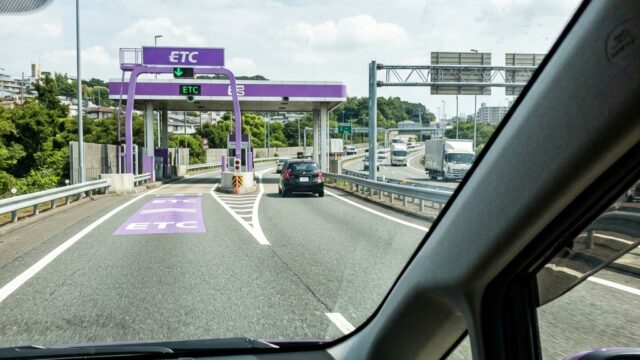
- Use the ETC Lane: Toll booths on this major artery are incredibly busy. The electronic ETC system is mandatory for speed.
- Pace Yourself: The Tohoku Expressway is the longest in Japan. Do not try to drive to Aomori without multiple stops.
- Stop at Hasuda: Use this first major SA to decompress from the intense Tokyo traffic and grab your first highway meal.
Mastering the Food Court Ticket System
The absolute most intensely confusing, highly stressful, deeply intimidating aspect of dining at any massive Japanese highway rest stop for an international tourist is the complete absence of traditional waiters and the heavy, absolute reliance on complex automated ordering systems.
Navigating the Complex Ticket Vending Machines (Shokkenki)
When you finally, nervously approach the massive, brightly lit food court inside Pasar Hasuda, you will absolutely not simply sit down at an empty table and wait patiently for a staff member to hand you a printed menu. Instead, you must first bravely, actively approach the large, heavily utilized banks of highly complex automated ticket vending machines (shokkenki) located directly in front of each individual restaurant stall. For a first-timer, these massive machines look incredibly intimidating, frequently covered entirely in complex Japanese characters (kanji) with absolutely zero English translation immediately visible on the main physical buttons.
However, you must absolutely, strictly avoid panicking or simply walking away in deep frustration. The highly logical, deeply efficient system is actually incredibly easy to master once you thoroughly understand the basic workflow. First, you must completely, thoroughly decide exactly what you want to eat by carefully studying the massive, highly detailed visual menus displayed directly above the machine. Once you have made your final choice, you simply insert your Japanese yen (cash or coins) directly into the brightly lit payment slot *before* pushing any selection buttons. Once the machine accurately registers your money, the corresponding buttons for the items you can afford will brilliantly light up. You confidently press the specific button for your desired meal, heavily collect your small printed paper ticket and your exact change, and then physically hand that specific ticket directly to the busy cooking staff entirely waiting behind the main stall counter. At highly modern, deeply advanced facilities like Pasar Hasuda, many of these massive machines now actually feature a highly convenient, deeply helpful “English” language toggle button located in the top corner of the digital touch screen, completely, flawlessly transforming a highly stressful, incredibly confusing ordeal into a highly simple, incredibly efficient transaction that you can complete in seconds.
Interpreting Japanese Menus and Plastic Food Displays
If you unfortunately encounter an older, highly traditional ticket machine that absolutely lacks any modern English translation features, completely understanding exactly what you are ordering can suddenly feel like an incredibly stressful, highly impossible guessing game. However, the deeply thoughtful, highly visual Japanese culinary culture has brilliantly, perfectly solved this massive communication barrier entirely through the heavy, prominent use of incredibly realistic, highly detailed plastic food models (sampuru). These incredible models are an absolute lifesaver for international drivers who cannot read complex kanji.
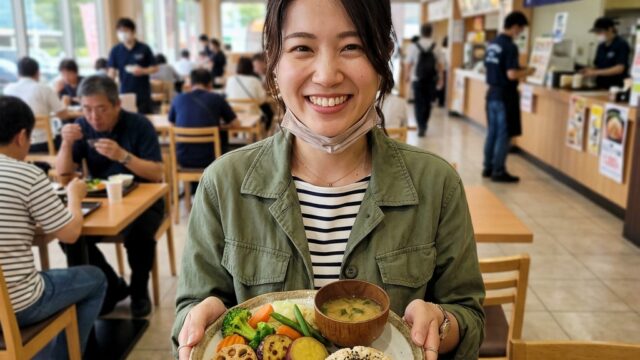
Almost every single restaurant stall inside the massive food court will actively, proudly display absolutely incredible, highly accurate, perfectly scaled plastic replicas of their specific meals directly in brightly lit glass cases located directly next to the confusing ticket machines. You must actively, heavily rely on these massive visual aids to guide your ordering process. Deliberately take your time to carefully, thoroughly inspect the incredible plastic bowls of rich ramen, the perfectly recreated crispy fried pork cutlets, and the highly detailed, perfectly arranged fresh sushi platters. Each specific plastic model will almost always have a small, clearly printed number directly next to it. You simply, easily cross-reference that specific number directly with the corresponding numbered button directly on the complex ticket machine. You absolutely do not need to read a single Japanese character to successfully, confidently order a highly complex, deeply authentic hot meal. By heavily, intelligently relying entirely on the visual language of the plastic food displays, you actively, successfully, and completely bypass the severe language barrier, entirely ensuring that you get exactly the delicious hot meal you deeply desire without any highly stressful, deeply confusing misunderstandings with the busy kitchen staff. It is a completely flawless, highly intuitive system designed specifically to help tired, hungry travelers order efficiently.
Essential Etiquette and Food Court Logistics
Once you have successfully, confidently conquered the highly intimidating ticket machines and ordered your hot food, you must quickly, smoothly navigate the deeply unspoken, highly specific social rules of actually sitting down and eating in the massive, chaotic space.
Securing a Table Before Ordering Your Food
The absolute most deeply critical, highly essential, entirely unwritten rule of successfully utilizing a massive, highly crowded Japanese highway food court is the concept of table reservation. During incredibly busy, highly congested peak lunch hours (typically between 11:30 AM and 1:30 PM) or major national holidays, the massive seating area inside Pasar Hasuda becomes an intensely competitive, highly chaotic battlefield. If you naively, foolishly wait until after you have successfully purchased your food ticket and collected your massive, heavy tray of steaming hot food to begin frantically searching for an empty chair, you will highly likely find yourself standing awkwardly in the middle of the aisle, holding hot soup, with absolutely nowhere to sit.
Therefore, it is absolutely, strictly mandatory to highly strategically, incredibly proactively secure your specific table *before* you even approach the complex ticket machines to begin your order. If you are actively traveling with a family or a group, you must clearly, deliberately designate one specific person to quickly find an empty table and physically remain seated there to fiercely guard it while the others order the food. If you are driving completely solo, you can confidently, safely claim an empty table by simply, deliberately leaving a highly visible, relatively inexpensive personal item directly on the table surface—such as a small packet of pocket tissues, a cheap plastic umbrella, a purchased bottle of green tea, or a small shopping bag. In highly safe, deeply respectful Japan, nobody will steal your designated table or your cheap placeholder item while you are standing in line. This highly specific, deeply essential cultural practice completely, flawlessly ensures you have a deeply comfortable, highly secure place to quietly relax the exact moment your heavy food is finally ready, drastically, significantly reducing intense travel stress and allowing you to peacefully enjoy your hard-earned meal without any frantic scrambling or awkward standing.
The Unspoken Rules of Returning Your Trays
In stark, complete contrast to many western food courts where highly dedicated, heavily utilized cleaning staff constantly roam the massive aisles rapidly clearing away dirty plates and massive piles of trash, the entire Japanese highway food court system relies completely, heavily on a deeply ingrained, highly respected culture of strict personal responsibility and extreme public cleanliness. You are expected to be completely responsible for your own mess from start to finish.
When you have finally, completely finished eating your incredibly satisfying, highly delicious hot meal, you absolutely, unequivocally must not simply abandon your dirty tray, empty bowls, and crumpled napkins directly on the communal table. Leaving a massive, dirty mess for the next tired traveler is considered highly rude, deeply disrespectful, and entirely unacceptable behavior in Japanese culture. Instead, you must carefully, deliberately gather all of your specific trash, neatly stack your empty bowls directly back onto your original plastic tray, and physically carry it entirely back to the specific restaurant stall where you initially purchased the food. Every single stall proudly features a clearly marked, highly visible “Return” (Kyakuseki or Henkyakuguchi) counter specifically designated for dirty dishes. Furthermore, if you used the highly convenient communal water stations, you must actively, carefully wipe up any minor spills you caused, and use the small provided rags to quickly wipe down your table surface for the next guest. By deeply, strictly adhering to this highly essential, completely unwritten rule of communal cleanliness, you actively, genuinely contribute to the incredibly pristine, highly maintained environment that makes massive Japanese highway facilities like Pasar Hasuda so deeply impressive, highly comfortable, and globally famous. It is an absolute requirement for all respectful visitors.
Culinary Delights Specific to Hasuda SA
While the massive, incredibly busy indoor food courts offer highly standard, deeply comforting dishes like ramen and curry, Pasar Hasuda is specifically, heavily famous for elevating the culinary experience by proudly featuring incredibly high-quality, highly specific local ingredients from Saitama.
Tasting Famous Saitama Pork and Local Udon
If you are deeply, highly interested in eating an incredibly hearty, highly satisfying, deeply authentic hot meal that perfectly, completely represents the highly specific, deeply celebrated agricultural bounty of Saitama Prefecture, you absolutely, unequivocally must aggressively seek out the specific food stalls actively, proudly serving dishes heavily featuring premium local pork. Saitama is heavily, widely famous throughout the Kanto region for producing incredibly high-quality, deeply flavorful, highly marbled pork that is exceptionally tender and rich.
You must absolutely try the deeply famous, highly addictive local Pork Bowl (Butadon). The absolutely incredible, highly dedicated kitchens located directly inside the massive facility painstakingly, carefully prepare incredibly thick, highly premium slices of fresh local pork, actively, repeatedly grilling them over incredibly hot charcoal while heavily, generously basting them in a deeply rich, highly sweet, intensely savory soy-based sauce until they are completely, perfectly caramelized. The massive, steaming bowls are typically heavily, generously topped with these perfectly cooked meat slices, completely covering the hot, highly polished white rice below. Alternatively, if you strongly prefer a highly traditional noodle option, you absolutely must try the deeply historic, completely authentic Musashino Udon. These incredibly thick, highly chewy, deeply rustic wheat noodles are heavily, locally famous for their incredibly dense, highly satisfying texture, typically served cold on a bamboo mat alongside a highly savory, deeply hot dipping broth heavily loaded with massive slices of that same premium local pork and large, sweet green onions. Eating these incredibly complex, highly regional, deeply authentic dishes at a bustling highway rest stop completely ensures you are deeply satisfied, incredibly full, and highly energized for the long, demanding drive north, proving that highway dining can be exceptional.
High-End Supermarket Shopping (Pasar Hasuda)
While the massive food courts are absolutely spectacular, one of the absolute most deeply unique, highly popular, incredibly defining features of Pasar Hasuda is its massive, sprawling, highly active indoor retail section that completely, incredibly resembles a highly premium, high-end Tokyo supermarket (depachika) rather than a simple highway souvenir stand.
Because the massive facility is geographically, strategically located so incredibly close to the massive Tokyo metropolis, the sprawling shops heavily, proudly, completely focus on incredibly high-quality, highly specific fresh produce, premium fresh meats, and highly elevated daily groceries, actively targeting Tokyo residents returning home from a weekend trip. You will reliably, instantly find an absolutely massive, completely overwhelming, highly beautifully presented variety of incredibly fresh, highly vibrant seasonal vegetables sourced directly from local Saitama farms, alongside massive, incredibly expensive, highly marbled cuts of premium Japanese Wagyu beef carefully packaged for the drive home. You can also easily find incredibly complex, highly delicate traditional Japanese sweets (wagashi) and premium local sake that make perfect gifts. For international tourists actively driving across the country, this massive, highly premium market presents an absolutely incredible, highly unique, entirely memorable opportunity to easily, quickly purchase incredibly healthy, deeply fresh, highly satisfying high-end snacks for the long road ahead, completely bypassing the sad, highly processed junk food typically found at standard, deeply boring gas stations. It completely allows you to heavily, deeply experience a genuinely authentic, highly local aspect of premium Japanese food culture that most foreign tourists completely miss when they strictly stick to standard convenience stores. This premium grocery experience elevates the entire highway journey.
Conclusion
Successfully, confidently navigating the highly complex, incredibly massive, highly busy food courts of the Japanese highway system is an absolutely phenomenal, deeply empowering, highly necessary skill for any serious road trip vacation. It completely, flawlessly highlights the massive, highly impressive organizational capabilities of the Japanese service industry and deeply showcases the country’s completely unparalleled, highly unique dedication to elevating basic roadside dining into a highly efficient, deeply delicious cultural experience. Navigating the highly complex, incredibly massive automated ticket machines and deeply understanding the strict, highly unspoken rules of table reservation requires careful, highly strategic, deeply meticulous observation and a profound, quiet patience. However, the massive, highly tangible, deeply satisfying reward for mastering these specific, highly essential systems is the incredible, highly unique, entirely memorable opportunity to actively, deeply experience premium highway facilities like the incredible Pasar Hasuda.
Hasuda SA is absolutely not just a simple, deeply boring, entirely utilitarian place to quickly refuel your rental car and rapidly grab a highly processed, sad snack. It is a massive, highly curated, deeply exciting, highly elevated culinary mega-destination entirely in its own right. From the completely unparalleled, incredibly delicious, highly famous local Saitama pork bowls and the deeply satisfying, highly authentic Musashino udon, to the absolutely incredible, highly modernized, beautifully designed premium supermarket shopping and the flawlessly clean communal dining areas, the rest stop completely changes how you view long-distance highway travel. By highly intelligently, deliberately, and strategically taking the necessary time to deeply learn and perfectly execute the highly specific etiquette of the Japanese food court, you actively, successfully, and completely transform a highly mundane, incredibly stressful highway transit into one of the absolute most deeply memorable, highly enjoyable, entirely unique culinary highlights of your entire Japanese road trip vacation. Grab your ticket, find your table, and eat like a local, fully confident in your new mastery of the system.