Vegan & Vegetarian Food Guide: What to Eat at Japan’s Highway Service Areas
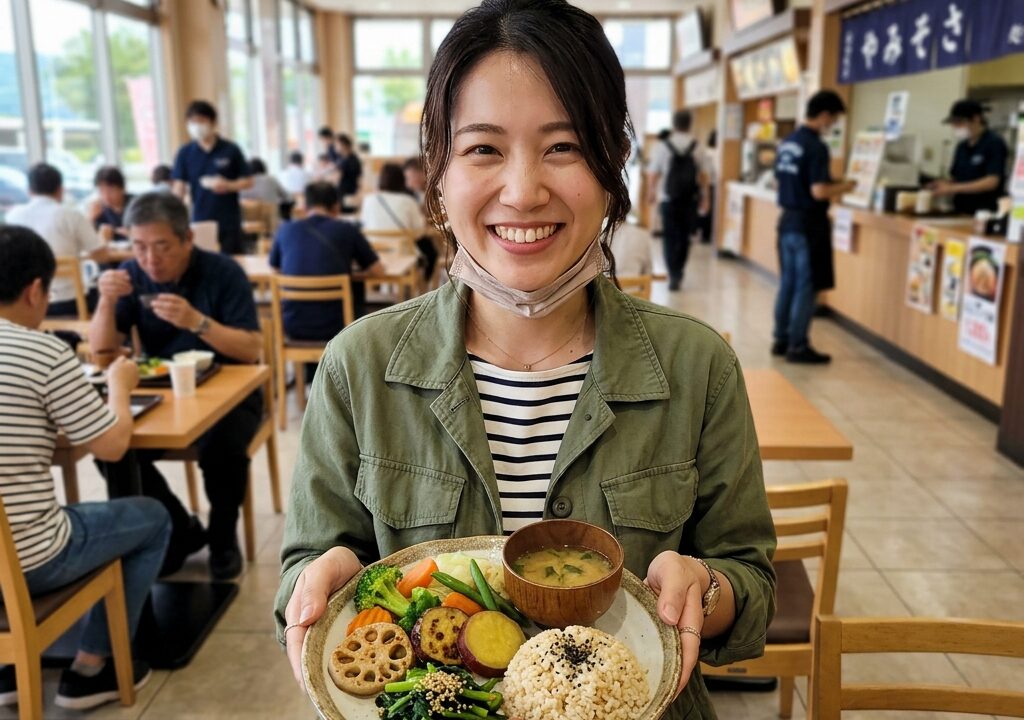
Japan is a paradise for food lovers, but for vegans and vegetarians, navigating the culinary landscape can sometimes feel like a daunting task. This challenge is often magnified when you are on a road trip, far from the internationalized menus of Tokyo or Kyoto, and relying on highway rest stops for your meals. While Japanese Service Areas (SA) and Parking Areas (PA) offer some of the highest quality highway food in the world, the concept of strict vegetarianism is still not widely understood in many rural areas, and hidden animal-based ingredients are common.
However, with a little knowledge and preparation, eating at a Japanese highway rest stop does not have to be a stressful experience for plant-based travelers. This comprehensive guide will help you decipher food court menus, navigate the incredibly well-stocked convenience stores, and identify the safest, most delicious vegan and vegetarian options available on the road. By learning a few key phrases and knowing exactly what to look for, you can fully enjoy the unique culinary culture of Japan’s expressways without compromising your dietary requirements.
The Challenge of Finding Vegetarian Food on the Road
The main hurdle for vegetarian and vegan travelers in Japan is not a lack of vegetables, but rather the pervasive use of animal-based broths and seasonings in seemingly plant-based dishes. Understanding this fundamental aspect of Japanese cooking is your first line of defense.
Hidden Ingredients to Watch Out For in Japan
In traditional Japanese cuisine, the base for almost all soups, sauces, and simmered dishes is “dashi.” Dashi is a savory stock that imparts the essential umami flavor to Japanese food. The most common type of dashi is made from bonito flakes (katsuobushi), which are dried and fermented skipjack tuna. This means that a simple bowl of vegetable soup, a dipping sauce for cold noodles, or even a plain-looking side dish of simmered pumpkin is very likely to contain fish extract.
Another hidden ingredient to be acutely aware of is pork or chicken extract (ekisu), which is frequently added to instant noodles, curry roux, and various savory snacks sold at highway kiosks. Even if a dish is explicitly labeled as “vegetable curry” or “vegetable ramen,” it almost certainly contains a meat-based broth unless it is explicitly marked as vegan or vegetarian. Mayonnaise in Japan is also ubiquitous; it is made with egg yolks and is frequently squirted over salads, savory pancakes (okonomiyaki), and even sushi rolls. Finally, be cautious with anything fried. While the vegetable tempura itself might be plant-based, it is often fried in the same oil as meat and seafood products, which may be an issue for strict vegans. Learning to spot these hidden animal products is crucial for maintaining your diet on the road.
Useful Japanese Phrases for Communicating Dietary Needs
Because the English term “vegetarian” in Japan is sometimes misunderstood to simply mean “someone who prefers vegetables but might still eat fish or chicken broth,” clear communication is vital when ordering food at a Service Area. It is highly recommended to learn a few specific phrases or, better yet, print them out on a card to show to the food court staff.
- Watashi wa bejitarian desu. (I am a vegetarian.)
- Niku to sakana wa taberaremasen. (I cannot eat meat and fish.)
- Katsuo dashi ya dobutsu no ekisu wa haitte imasu ka? (Does this contain bonito dashi or animal extracts?)
- Tamago to nyuseihin wa nuki de onegaishimasu. (Please remove eggs and dairy products.)
When you approach a vendor at a busy SA, politeness goes a long way. Start with a friendly “Sumimasen” (Excuse me) before presenting your dietary card. Many food courts operate via automated ticket vending machines with pictures. While these are convenient, they make it impossible to customize your order before paying. If you have strict dietary needs, it is best to find a staff member, point to the picture of the meal on the machine, and ask your questions before purchasing the ticket. While language barriers can sometimes lead to confusion, most Japanese service workers are incredibly accommodating and will do their best to help you find a safe option or modify a dish if possible.
Best Vegetarian Options at Food Courts
While large highway food courts can seem overwhelming, they usually consist of several distinct stations (e.g., ramen, udon, curry, set meals). Knowing which stations to approach will save you time and frustration.
Customizing Udon and Soba Noodle Dishes
Udon (thick wheat noodles) and soba (buckwheat noodles) are staples of Japanese highway dining. They are cheap, filling, and served incredibly fast. However, as mentioned earlier, the hot broth (tsuyu) they are served in almost always contains fish-based dashi.
If you are a pescatarian, standard hot udon or soba is a fantastic and easy option. If you are a strict vegetarian or vegan, you need to modify the order. The safest way to enjoy these noodles is to order them cold. Look for “Zaru Soba” or “Zaru Udon,” where the noodles are served chilled on a bamboo tray. You will receive a small cup of dipping sauce (which contains fish dashi). Simply ask the staff to hold the sauce by saying “Tsuyu nashi de onegaishimasu” (Without the dipping sauce, please). You can then eat the plain noodles flavored only with the provided condiments, which usually include chopped green onions, grated daikon radish, and wasabi. Some travelers even carry a small, travel-sized bottle of soy sauce (shoyu) from a convenience store to flavor their plain noodles, as soy sauce is strictly plant-based. While it might seem like a spartan meal, high-quality, freshly made soba noodles are actually quite delicious even with just a touch of soy sauce and wasabi.
Seeking Out Vegetable Tempura and Tofu Meals
Another relatively safe haven in the food court is the tempura station. Tempura refers to ingredients battered and deep-fried until light and crispy. Many large Service Areas have cafeteria-style tempura lines where you can pick individual items to place on a tray.
Look for vegetable options like sweet potato (satsumaimo), pumpkin (kabocha), eggplant (nasu), and lotus root (renkon). As long as you are comfortable with the possibility of shared frying oil, these are hearty, filling vegetarian options. Be careful to avoid items that look like vegetables but might be fish paste (kamaboko). You can combine a few pieces of vegetable tempura with a side bowl of plain white rice (gohan) for a satisfying meal. Furthermore, look for stations serving traditional Japanese set meals (teishoku). While the main dish is usually meat or fish, you might find a “Yudofu” (hot tofu) set, especially in the Kansai or Kyoto regions. Yudofu is simply soft tofu gently simmered in hot water or kelp broth (kombu dashi, which is vegan), served with a soy-based dipping sauce. It is a light, protein-rich, and authentically Japanese vegetarian option that is surprisingly common at larger rest stops.
Convenience Stores and Kiosks: A Vegan’s Best Friend
If the food court proves too difficult to navigate, the convenience stores (like 7-Eleven, Lawson, or FamilyMart) and local kiosks located inside the Service Areas are incredibly reliable backups for vegan travelers.
Safe and Filling Rice Balls (Onigiri) Options
The Japanese convenience store is a marvel of modern retail, and their rice balls (onigiri) are the ultimate fast food for road trippers. They are cheap, easy to eat while driving, and clearly labeled.
For vegetarians and vegans, the classic and completely safe options include the “Shio Musubi” (a simple rice ball flavored only with salt) and the “Umeboshi” (pickled plum) rice ball. Umeboshi is highly acidic and salty, providing a sharp, refreshing flavor that is very popular in Japan. Another excellent vegan option is the “Kombu” (kelp) rice ball. It is filled with sweet and savory simmered seaweed. Be careful, however, as some kombu fillings occasionally use fish extract in the seasoning, though it is less common. If you eat dairy and eggs, the “Tamago” (egg) or mayonnaise-based options are available, though they are not suitable for vegans. When in doubt, stick to the pickled plum or salted rice balls. They might seem simple, but the quality of the rice used in Japanese convenience stores is exceptionally high, making them surprisingly satisfying.
Snack Choices: Edamame, Nuts, and Sweet Potatoes
Beyond rice balls, the kiosks at highway rest stops are treasure troves of naturally vegan snacks. Because Japan has a strong agricultural tradition, many of the snacks are minimally processed and rely on the natural flavors of the ingredients.
In the refrigerated section of the convenience store, you can almost always find packets of lightly salted edamame (young soybeans), which are an excellent source of protein and completely vegan. You will also find various salads; just be sure to buy a dressing that is clearly oil-and-vinegar based, as creamy dressings often contain dairy or egg, and some clear dressings contain fish extract. In the snack aisles, look for roasted chestnuts (kuri) and sweet potatoes (satsumaimo), which are incredibly popular, especially in the autumn and winter months. Many Service Areas also feature outdoor stalls selling freshly roasted sweet potatoes (yaki-imo), which are steaming hot, naturally sweet, and incredibly filling. Mixed nuts, dried fruit, and plain potato chips (check the ingredients for chicken or beef powder, which is common in flavored chips) are also widely available. With these options, you can easily piece together a hearty and healthy plant-based meal from the kiosk alone.
Highlighting Vegetarian-Friendly Service Areas
While finding vegetarian food requires effort at most rest stops, some of the larger, more modernized Service Areas are beginning to cater to diverse dietary needs, making them excellent waypoints for international drivers.
Ebina SA (Tomei Expressway) Vegetarian Finds
Ebina SA on the Tomei Expressway is one of the busiest and largest rest stops in Japan, and its sheer size means it offers a wider variety of food than typical highway locations. While it does not have a dedicated vegan restaurant, its massive food court provides several adaptable options.
The bakeries at Ebina SA are legendary. While the famous melon pan contains dairy and eggs (and is therefore only suitable for vegetarians, not vegans), you can often find simpler, artisan breads like baguettes or plain rolls that are dairy-free. Furthermore, Ebina SA frequently hosts pop-up stalls and farmers market-style sections where local vendors sell fresh produce, including ready-to-eat fruits like strawberries, apples, and grapes, depending on the season. In the main food court, the sheer number of vendors means you have a higher chance of finding a stall willing to customize a dish—for example, making a vegetable stir-fry without meat or animal broth. The convenience stores here are also massively scaled up, ensuring they rarely run out of the vegan staples like pickled plum rice balls and edamame.
Kariya Highway Oasis (Isewangan Expressway) Food Options
The Kariya Highway Oasis, located near Nagoya, is essentially a massive shopping and entertainment complex connected to the highway. Because it caters heavily to local families on day trips as well as passing drivers, the food options are incredibly diverse.
Inside the main complex, you will find a large supermarket-style area called the “Fresh Food Market.” This is a massive advantage for vegan travelers. Instead of relying on pre-packaged convenience store food, you can buy fresh, locally grown vegetables, artisan tofu, and an array of fresh fruits. You can easily purchase a block of high-quality tofu, some fresh tomatoes, and soy sauce to create a healthy, raw vegan picnic to eat at the outdoor seating areas. Additionally, Kariya features several cafes and bakeries. While you must still ask about hidden ingredients, the larger, modern cafes are generally more accustomed to dietary questions than traditional noodle stalls. The combination of a fresh food market and numerous high-end food vendors makes Kariya Highway Oasis one of the most accommodating stops for travelers with specific dietary restrictions.
Planning Ahead for a Stress-Free Diet
While improvising meals at Service Areas is entirely possible, the best way to ensure you eat well and avoid frustration on your Japanese road trip is to do a little bit of planning before you hit the highway.
Using Apps to Locate Vegetarian Restaurants Near Highway Exits
One of the greatest advantages of driving a rental car is that you are not permanently confined to the expressway. If you are struggling to find suitable food at the rest stops, you can simply exit the highway, find a proper restaurant, and get back on.
To do this efficiently, utilizing smartphone apps is essential. The “HappyCow” app is the gold standard for finding vegan and vegetarian restaurants worldwide, and it works exceptionally well in Japan. Before you begin your drive, check the app for highly rated vegetarian restaurants located in towns along your route, particularly those close to major Interchanges (IC) or Smart ICs. For example, if you are driving on the Tomei Expressway, you might find a great vegan cafe in a town just five minutes off the Gotemba exit. Planning your major meals around these off-highway restaurants, and using the Service Areas primarily for bathroom breaks, coffee, and light snacks, takes the pressure off trying to decipher food court menus. Remember that exiting the highway means you will pay a toll, but if you have an ETC card and use the Expressway Pass (like the JEP), the financial impact of hopping on and off the highway is minimized.
Stocking Up on Fresh Produce at Highway Farmers Markets
Finally, one of the best strategies for eating vegan on the road in Japan is to embrace the local agriculture. Many medium to large Service Areas and Parking Areas feature a “Nokyo” (agricultural cooperative) stand or a local farmers market section.
These markets are an absolute treasure for plant-based travelers. They sell produce grown by local farmers, often at prices significantly lower than supermarkets in Tokyo. Depending on the region and the season, you can find incredibly sweet mikan (mandarin oranges) in Ehime, crisp apples in Nagano, or plump grapes in Yamanashi. You can also find locally produced fruit juices, dried sweet potatoes, and roasted nuts. By stocking up on these fresh, natural, and inherently vegan foods whenever you see a market stall, you build a stash of healthy snacks in your rental car. This ensures that even if you end up at a small, rural Parking Area late at night where the only food available is pork-based cup ramen, you will still have a delicious and satisfying supply of fresh Japanese produce to keep you going.