Japan Highway Service Areas Guide: SA vs PA, Food, Gas Stations, Restrooms & More
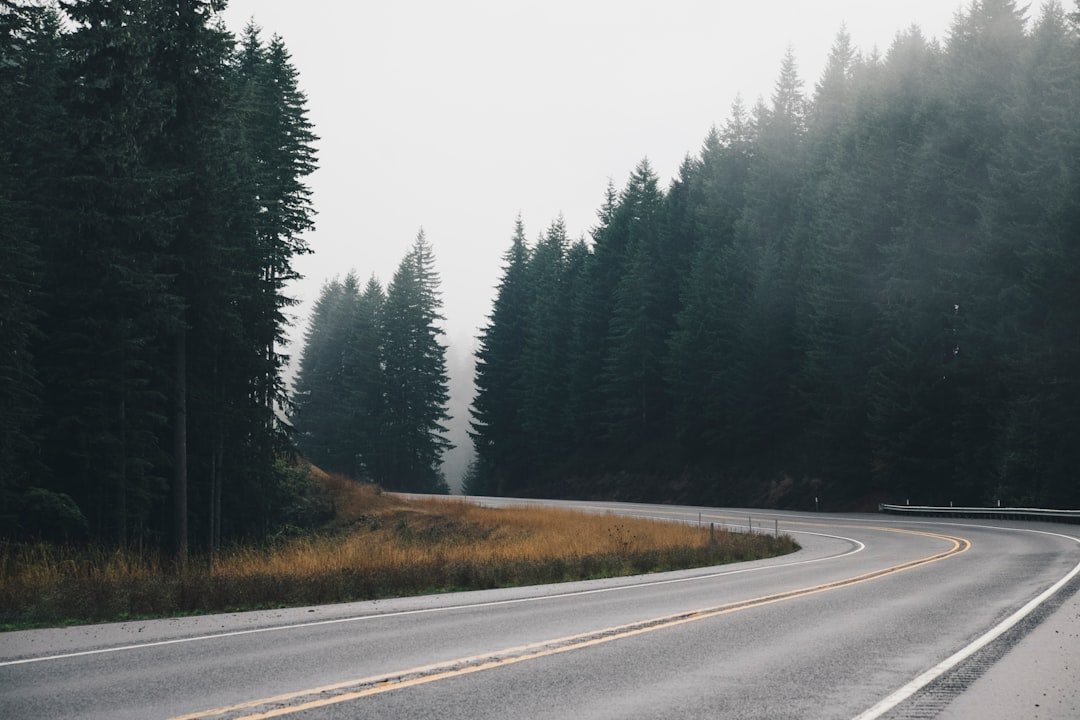
So, you’re renting a car in Japan and hitting the open road. Excellent choice! But before you start picturing scenic mountain drives and coastal cruises, there’s a crucial part of the Japanese road trip experience you need to know about: the highway rest stops.
Forget the bleak, functional rest stops you might be used to back home. In Japan, they’re called Service Areas (SA) and Parking Areas (PA), and they are destinations in themselves. Think of them as vibrant hubs of culture, food, and convenience that can significantly enhance your trip.
This guide will break down everything for first-timers, from the key differences between an SA and a PA to navigating the incredible food courts, spotless restrooms, and everything in between. Let’s get you ready to drive Japan like a pro.
What’s the Difference? SA (Service Area) vs. PA (Parking Area)
At first glance, Service Areas and Parking Areas might seem the same, but they serve slightly different purposes. Knowing the distinction will help you plan your stops better, whether you need a full meal and a gas top-up or just a quick bathroom break.
Service Areas (SA): Your All-in-One Road Trip Hub
Think of a Service Area (SA) as a full-fledged travel center. These are the larger, more comprehensive facilities you’ll find along Japan’s expressways, typically spaced about 50-60 kilometers apart. They’re designed for longer breaks, and their core facilities (like restrooms and parking) are almost always open 24/7. An SA is where you’ll find a wide range of amenities that can make your journey much more comfortable and enjoyable.
Most SAs feature large food courts with multiple restaurants, offering everything from classic ramen and udon to regional specialties you won’t find anywhere else. They also have extensive souvenir shops (known as *omiyage* shops) packed with local snacks, crafts, and exclusive highway merchandise. A 24-hour gas station is a standard feature, which is a lifesaver on long drives. You’ll also find information counters providing real-time traffic updates and local tourist info, though English support can be hit or miss. It’s always worth checking for maps and pamphlets, which often have English sections.
In recent years, many SAs have become more like entertainment complexes. It’s not uncommon to find amenities like Starbucks with incredible views (like the one at Fujikawa SA overlooking Mt. Fuji), bakeries selling famous melon bread (Ebina SA is legendary for this), dog runs for your furry friends, and even observation decks. Some, like the famous Kariya Highway Oasis, have gone even further, boasting Ferris wheels, hot spring foot baths, and farmers’ markets. They are much more than just a place to stretch your legs.
Parking Areas (PA): The Quick and Simple Pit Stop
Parking Areas (PAs) are smaller, more frequent, and more functional. You’ll typically find them every 15-20 kilometers between the larger SAs. Their primary purpose is to provide a safe place for drivers to pull over for a short rest, use the restroom, and grab a quick drink or snack. While they are less glamorous than SAs, they are incredibly convenient and just as vital to the highway ecosystem.
A standard PA will always have clean, well-maintained restrooms and a variety of vending machines selling both hot and cold beverages. Most will also have a small kiosk or shop selling snacks, magazines, and basic souvenirs. Some PAs have a small food counter serving simple dishes like soba or curry, but their operating hours are often limited, and they may close in the evening. Crucially, most PAs do not have gas stations, so don’t rely on them if your fuel gauge is flashing empty.
However, the line between SAs and PAs is blurring. Some newer PAs, especially on major routes like the Ken-O Expressway, have been upgraded with facilities that rival a small SA, including modern food courts and sophisticated shops. So, while the general rule of “SA is big, PA is small” holds true, don’t be surprised if you find a PA that exceeds your expectations.
Feature Service Area (SA) Parking Area (PA) Size & Scale Large, comprehensive facilities Smaller, more compact Frequency Approx. every 50-60 km Approx. every 15-20 km Gas Station Almost always present (often 24/7) Very rare Food Options Multiple restaurants, large food courts Small snack counter or just vending machines Shopping Large souvenir shops Small kiosk or shop Operating Hours Core facilities 24/7; shop/restaurant hours vary Shops & food counters have limited hours Best For Full meals, refueling, long breaks Quick restroom breaks, short rests
The Food Scene: More Than Just Vending Machine Snacks
The food at Japanese highway rest stops is a major highlight of any road trip. Forget greasy fast food. SA/PA gourmet, or *Gotōchi Gourmet* (local specialties), is a serious business, offering a delicious and accessible way to sample regional cuisine without ever leaving the expressway.
Food Courts & Local Specialties (Gotōchi Gourmet)
The heart of any SA is its food court. This is where you’ll find a bustling collection of counters serving up an incredible variety of dishes. The system is usually centered around ticket machines (*kenbaiki*). You select your meal from a display of plastic food models or photos, insert your cash or card, and receive a ticket. You then hand this ticket to the staff at the corresponding food counter and wait for your number to be called.
While this can be intimidating for non-Japanese speakers, it’s getting easier. Many newer machines have English language options. Even if they don’t, the pictures are a huge help. A great tip is to use the Google Translate app’s camera function to instantly translate the menu. If all else fails, look for signs with characters like 「名物」(meibutsu – specialty) or 「おすすめ」(osusume – recommendation). Ordering the local specialty is almost always a winning strategy. You might find yourself trying Hoto noodles in Yamanashi, Kishimen in Nagoya, or a fresh seafood bowl near the coast. For a more detailed guide to the ordering process, check out our guide on Navigating Japanese Rest Stop Food Courts: A Culinary Guide.
Souvenir Shops (Omiyage) & Unique Snacks
The souvenir shops, or *omiyage* shops, are a great place to find edible delights. In Japan, it’s customary to bring back gifts for family, friends, and coworkers from your travels, and these shops are perfectly curated for that purpose. You’ll find beautifully packaged boxes of cookies, cakes, and crackers, many of which are exclusive to that specific region or even that particular SA.
Beyond the gift boxes, these shops are a paradise for snack lovers. Be sure to look for the soft-serve ice cream counter. They often feature unique flavors made with local ingredients, like purple sweet potato, green tea from Shizuoka, or Shinshu apple from Nagano. You’ll also find freshly baked goods, savory skewers of grilled meat or fish cakes, and all sorts of drinks. Many shops offer free samples, so you can try before you buy. It’s the perfect opportunity to stock up on car snacks or find a unique gift to take home.
Essential Facilities: Gas, EV Charging, Restrooms & More
Beyond the food and fun, Japanese SAs and PAs excel at providing the practical facilities you need for a smooth and stress-free journey. From clean restrooms to always-available gas, the infrastructure is designed to keep drivers safe and comfortable.
Gas Stations & EV Charging: Staying Powered Up
Running out of fuel on a Japanese expressway is a situation you want to avoid. The key thing to remember is that gas stations are almost exclusively located at Service Areas (SAs). While there are rare exceptions, you should always plan your refueling stops around the SAs on your route. Most are open 24/7, so you don’t have to worry about getting stranded late at night.
Many highway gas stations are now self-service (*serufu*). The process can be a little daunting at first, but it’s manageable. The pumps will have color-coded nozzles: red for regular gasoline (レギュラー), yellow for high-octane (ハイオク), and green for diesel (軽油). Most rental cars in Japan use regular gasoline, but always double-check. The touch screens are usually in Japanese, but some have an “English” button. You’ll typically select your payment method (credit card or cash), fuel type, and whether you want a full tank (*mantan*). If you’re unsure, a full-service station (*furu sābisu*) is a great option, where an attendant will handle everything for you. Just say “Regular, mantan, kurejitto kādo de” (Regular, full tank, by credit card). Highway gas prices are slightly higher than on regular streets, so it’s wise to fill up before you get on the expressway if you can.
In recent years, many SAs and a growing number of PAs have also been equipped with EV charging stations. If you are driving an electric vehicle, check your route in advance using a navigation app or a service like PlugShare to see which rest stops offer chargers compatible with your car.
Restrooms: A Guide to Japan’s Clean and High-Tech Toilets
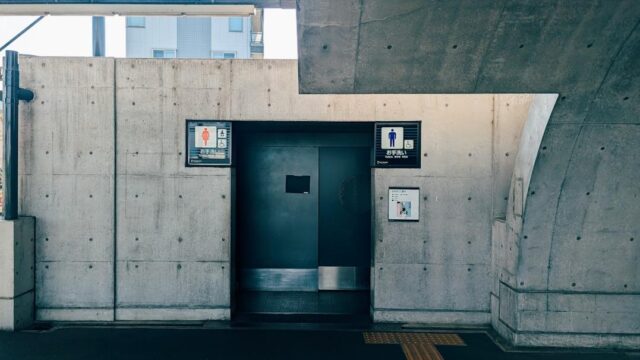
Japanese public restrooms are famously clean, and the ones at SAs and PAs are no exception. They are cleaned meticulously throughout the day and are almost always well-stocked with toilet paper. You will rarely encounter a dirty or unpleasant bathroom on a Japanese highway.
The vast majority of toilets are Western-style, and many are equipped with high-tech washlet seats featuring heated seats, bidet functions, and sometimes even a sound effect to mask noise. The control panel might look complex, but the basic flush button is usually clearly marked or is a large, obvious lever. Larger rest areas often have digital displays at the entrance showing which stalls are occupied, so you can find a free one quickly.
For families, the facilities are excellent. Most restrooms have a dedicated family or multipurpose stall that is spacious enough for a parent and child, and equipped with a baby changing table and a child seat to keep your little one safe while you use the facilities. Women’s restrooms typically include a separate, well-lit “powder room” area with large mirrors and counters, perfect for freshening up. For more details, see our Beginner’s Guide to Navigating Japanese Highway Restrooms.
Payments and Money: What You Need to Know
Navigating payments at highway rest stops is straightforward for the most part, but knowing what to expect can save you from any awkward moments at the checkout or ticket machine. A mix of payment methods is your best bet for a hassle-free experience.
Using Cash, Credit Cards, and IC Cards
Credit cards are widely accepted at most SAs and PAs. You can use them at restaurants, souvenir shops, and gas stations without any issue. Visa and Mastercard are the most commonly accepted, with American Express and Diners Club being slightly less common. However, it’s the food court ticket machines where things can get tricky. While newer machines accept credit cards and IC cards (like Suica or PASMO), many older ones are still cash-only.
For this reason, it’s highly recommended to always carry some Japanese yen with you. Having a few ¥1,000 and ¥5,000 notes on hand will ensure you can always use a vending machine or an old-school ticket machine without a problem. While larger SAs have ATMs, they aren’t always compatible with international cards, so it’s better to withdraw cash in the city before you head out. In summary: use your credit card for larger purchases at shops and gas stations, but keep cash ready for the food court and vending machines.
ETC: Your Key to a Smoother Drive
ETC (Electronic Toll Collection) is an absolute must-have for anyone renting a car in Japan. It’s a small card that you insert into a reader in your car, allowing you to pass through toll gates without stopping. The toll fee is automatically charged to the card, and you settle the bill when you return your rental car.
When you book your rental car, make sure you reserve a vehicle that comes with an ETC reader and also rent an ETC card from the car rental company. The convenience is undeniable. You’ll avoid long queues at the cash/credit card lanes, especially during busy periods. Plus, driving on urban expressways like Tokyo’s Shuto Expressway involves many toll gates, and fumbling for cash or a credit card each time is a major hassle and can be unsafe. Using ETC also often gives you access to small discounts on tolls, particularly on weekends and late at night. For a complete rundown, read our guide on Why You Should Always Book a Rental Car with an ETC Reader in Japan.
Beyond the Basics: Unique Features and Services
Once you’ve mastered the essentials of food, fuel, and finances, you can start to appreciate the extra touches that make Japanese SAs and PAs so special. These facilities are constantly improving, adding unique services that transform a simple rest stop into a memorable part of your journey.
Information Counters and Wi-Fi Access
Major Service Areas have dedicated information counters staffed by personnel who can provide up-to-the-minute traffic information, help you with directions, and offer pamphlets for local tourist attractions. While dedicated English-speaking staff are rare, they are incredibly helpful and will often use translation apps or point-to-charts to communicate. You’ll also find large digital screens displaying real-time expressway maps showing congestion (colored in red or orange) and any closures.
Free Wi-Fi is also becoming increasingly common. You may need to register with an email address to connect, but it provides a great opportunity to check your route, look up your next destination, or send a quick update to family back home. Connectivity can sometimes be spotty in more remote areas, but in major SAs on popular routes, it’s generally reliable. This is a huge benefit for international travelers who might be trying to conserve mobile data.
Special Amenities: From Dog Runs to Hot Springs
This is where Japanese rest stops really stand out. The range of special amenities is astounding and reflects a deep commitment to hospitality, or *omotenashi*. If you’re traveling with a pet, you’ll be delighted to find that many SAs now feature fenced-in dog runs where your canine companion can stretch their legs and play off-leash.
For human travelers, the amenities can be even more luxurious. Several SAs, particularly in areas known for their natural hot springs, have an *onsen* (hot spring bath) or at least an *ashiyu* (foot bath) on-site. Soaking your feet in a hot spring bath after a few hours of driving is an incredibly relaxing and uniquely Japanese experience. Other common features include children’s playgrounds, beautiful gardens, observation decks with panoramic views, and “Walk-in Gates” (*Puratto Pāku*) that allow people from the local area to access the SA’s shops and restaurants without getting on the expressway. Always check your map for SAs with special icons; you might discover a hidden gem.
Pro Tips for Your First Japanese Highway Road Trip
You’re almost ready to hit the road. With the basics covered, here are a few final, practical tips that will help you navigate the expressways like you’ve been doing it for years. These small bits of knowledge can make a big difference in the smoothness of your journey.
Navigating Inbound vs. Outbound Lanes
This is a critical concept to understand. Japanese expressways have separate rest stops for each direction of travel. These are referred to as “Inbound” (*nobori*, 上り) and “Outbound” (*kudari*, 下り). Generally, Inbound means you are traveling towards Tokyo, while Outbound means you are traveling away from it. On other routes, it typically means heading towards the region’s major city.
The crucial takeaway is that the SA/PA on one side of the highway is completely separate from the one on the other. If you pass the entrance to the rest stop you wanted to visit, you can’t just cross over. You’ve missed it, and you’ll have to wait for the next one. Therefore, it’s essential to plan your stops in advance. Use Google Maps or a Japanese navigation app to see which SAs and PAs are coming up on your side of the road. Their names will often be listed as, for example, “Ebina SA (Outbound)” to help you identify them.
Sleeping in the Car (“Shachuhaku”) is an Option
You will notice many cars and trucks parked at SAs and PAs overnight. This practice of sleeping in your car, known as *shachuhaku*, is very common and widely accepted in Japan. The 24/7 access to safe parking and clean restrooms makes rest stops an ideal place for drivers to take a long break or get a few hours of sleep on a multi-day journey.
If you decide to do this, there are a few etiquette rules to follow. Park in a standard car spot, not in the larger spaces reserved for trucks or in handicapped spots. Turn off your engine to avoid noise and exhaust fumes; idling is generally discouraged. Be quiet and respectful of other drivers who are also resting. While it’s generally very safe, it’s always wise to lock your doors and keep valuables out of sight. It’s a fantastic, budget-friendly option for breaking up a long drive, allowing you to wake up refreshed and ready for the next leg of your adventure. For a more in-depth look, our guide to Sleeping in Your Car in Japan: Rules, Manners, and Safe Highway Rest Stops has you covered.
Look for the Highway Stamp (Souvenir Stamp)
Here’s a fun and free souvenir you can collect on your journey. Almost every SA and PA has a unique commemorative rubber stamp, called a “Highway Stamp.” These stamps feature designs related to the local area, such as famous landmarks, regional products, or historical figures. It’s a popular hobby for Japanese road-trippers to collect these stamps in a notebook as a record of their travels.
The stamp station is usually located near the information counter, the main entrance of the souvenir shop, or sometimes just on a small table off to the side. You’ll see a stamp and an ink pad ready to be used. Bringing a small notebook or a few pieces of paper with you on your trip is a great idea. It’s a wonderful way to create a personalized and memorable keepsake of your Japanese road trip, and hunting for the stamp at each stop adds a fun, treasure-hunt element to your breaks.
Conclusion
Japan’s highway Service Areas and Parking Areas are far more than just functional pit stops; they are an integral and delightful part of the country’s travel culture. By understanding the simple distinction between a large, all-in-one SA and a smaller, convenient PA, you can plan your journey to perfectly match your needs, whether you’re looking for a gourmet meal or just a quick coffee. They turn a simple drive from point A to point B into a culinary and cultural exploration. Each stop offers a unique window into the local region, showcasing its specialty foods, crafts, and character. It’s a chance to stretch your legs and discover a new flavor of soft-serve ice cream or a local ramen dish you never knew existed.
The infrastructure is built with the user’s comfort and safety in mind. The unparalleled cleanliness of the restrooms, the reliability of the gas stations at SAs, and the increasing availability of English signage and payment options make them incredibly accessible for international visitors. Using practical tools like an ETC card will streamline the logistics, leaving you more time and energy to enjoy the experience. Remember to keep a little cash handy for older vending machines, but rest assured that modern conveniences are never far away. So, as you plan your Japanese road trip, don’t just think of SAs and PAs as places to pass through. Instead, build them into your itinerary. Look forward to the stops, be curious about what each one has to offer, and you’ll find that the journey itself can truly be as rewarding as the destination.