Navigating Japanese Rest Stop Food Courts: A Culinary Guide
For many international travelers, the phrase “highway rest stop food” conjures depressing images of lukewarm, highly processed hamburgers, stale sandwiches sitting under heat lamps, and overpriced, mediocre coffee. In Japan, however, this stereotype is completely, enthusiastically shattered. The food courts located within the massive Japanese highway Service Areas (SA) and Parking Areas (PA) are not merely functional fueling stations for tired drivers; they are fiercely competitive, high-quality culinary destinations in their own right. These sprawling dining complexes offer an incredibly diverse array of fresh, regional specialties, often prepared by trained chefs utilizing high-quality local ingredients. Navigating these bustling, sometimes chaotic food courts can be overwhelming for a first-time visitor due to the language barrier and unique ordering systems. This comprehensive guide will explain how to efficiently order, what specific regional dishes to actively look for, and how to elevate your road trip into a true gastronomic adventure.
The Unique Ordering System (Ticket Machines)
The most immediately striking difference between a Western rest stop and a Japanese SA food court is the almost universal absence of traditional cashiers taking your order at a counter. Instead, the vast majority of Japanese highway food courts utilize a highly efficient, automated ticket vending machine system (shokkenki). While this system drastically reduces wait times and keeps the line moving quickly, it can present a significant, intimidating hurdle for foreign tourists who cannot read Japanese characters and are unfamiliar with the process.
Navigating the Vending Machines
When you confidently approach the food court, you will typically see a massive, brightly lit array of identical ticket machines located prominently at the main entrance, often positioned directly beneath massive, colorful, highly illuminated display menus featuring mouth-watering photographs of the various available dishes. The absolute first and most crucial step is to carefully study these overhead visual menus from a distance before you even step up to the physical machine itself. Take your time to meticulously identify the specific dish you want, paying very close, deliberate attention to the corresponding numerical code or the exact price listed directly next to the picture. Do not stand directly in front of the machine while you casually browse or hesitate, as this is considered highly rude in Japan and will quickly cause a massive, visibly frustrated line of hungry truck drivers, busy businessmen, and exhausted families to form directly behind you.
Once you have confidently and finally made your firm selection, step directly up to the machine. The physical transaction process is highly streamlined and straightforward: first, insert your cash (bills or coins) into the clearly marked slots or firmly tap your accepted IC card (like a Suica or Pasmo, which are increasingly accepted at all major SAs). Only after the automated machine securely registers your payment will the various plastic buttons suddenly illuminate brightly, indicating exactly which specific items you currently have enough funds to afford. Press the specific, brightly lit button corresponding exactly to your previously chosen meal. The machine will instantly and loudly dispense a small, stamped paper ticket and any necessary change into the lower tray. It is highly critical to understand that on newer, highly modernized electronic machines, your specific order is automatically and instantaneously transmitted directly to the kitchen staff the exact moment you press the button. However, at older, slightly more rural or less updated Parking Areas, you may still be explicitly required to physically hand this small paper ticket directly to the staff working behind the main counter before they begin cooking. Always take a moment to carefully observe what the local Japanese customers immediately in front of you are doing to confirm the specific operating protocol for that particular rest stop location.
Deciphering the Ticket Numbers and Pickup
After successfully acquiring your ticket, the next major challenge is knowing exactly when and where to pick up your freshly prepared food. If the machine automatically transmitted your order to the kitchen, you will notice a large, prominently displayed electronic number printed on your paper ticket. You must then find an empty seat in the sprawling dining area and keep a very close eye on the large electronic display boards mounted high above the various kitchen counters, which strongly resemble the departure screens at a busy airport.
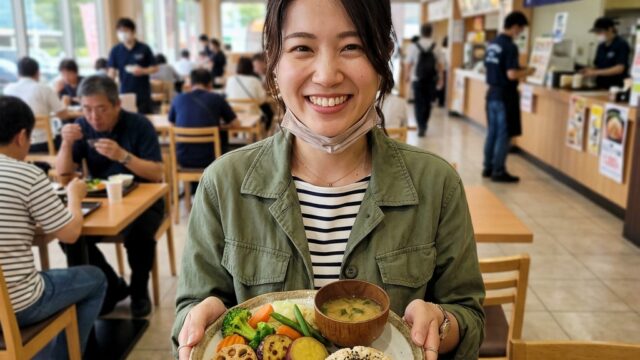
When your specific number flashes on the screen, often accompanied by an automated, cheerful chime or a verbal announcement in Japanese, your food is ready. You must quickly proceed to the designated pickup counter, present your paper ticket to the kitchen staff as undeniable proof of purchase, and carefully carry your heavy tray back to your table. Along the way, you will almost always pass a small, centralized self-service station. This is where you must collect your disposable wooden chopsticks (waribashi), small paper napkins, plastic spoons for curry, and pour yourself a complimentary cup of hot green tea (ocha) or cold filtered water from the automated dispensers. Crucially, when you have completely finished eating, you are strictly expected to physically carry your dirty tray and empty bowls back to the designated “return corner” (henkyakuguchi) located near the kitchen. Leaving your dirty dishes scattered on the table for someone else to clean up is considered a major faux pas and highly disrespectful to the staff.
- Seat Claiming: It is perfectly acceptable and expected to claim an empty table before ordering by leaving a personal item (like a scarf or a cheap umbrella) on the chair. Japan is exceptionally safe.
- Condiment Sharing: The soy sauce, chili powder (shichimi), and pickled ginger are usually located at a central station near the pickup counter. Season your food there; do not take the entire bottle back to your private table.
- Speed is Key: Highway food courts are designed for high turnover. Eat efficiently, clean up immediately, and vacate your table so waiting drivers can sit down. It is not a place to linger for hours.
- Trash Separation: When returning your tray, you must meticulously separate your remaining trash (burnable, plastic cups, leftover soup broth) into the specific, clearly marked bins provided.
Regional Specialties: Eating Locally on the Highway
One of the greatest joys of eating at Japanese Service Areas is the intense, almost obsessive focus on highly localized, regional cuisine (meibutsu). Unlike massive international fast-food chains that offer the exact same homogenized menu everywhere on earth, Japanese SA food courts actively strive to showcase the absolute best agricultural products and traditional dishes of the specific prefecture they are located in. This means your culinary options change dramatically and excitingly as you drive across the country.
The Meat Disciples: Beef, Pork, and Chicken
If you are traveling extensively through the rugged central, heavily mountainous prefectures, the Service Areas frequently feature incredibly high-quality, locally raised and intensely marbled meats that easily rival dedicated, highly rated city restaurants in terms of pure flavor. For example, if you are driving on the busy coastal Tomei Expressway directly through Shizuoka or tackling the winding Chuo Expressway through deep Gifu, you absolutely must actively seek out heavy dishes featuring premium, highly prized Wagyu beef. Many larger, newly renovated SAs proudly offer luxurious, steaming beef bowls (gyudon) or incredibly rich, dark, sizzling beef curry utilizing incredibly tender, highly marbled local cuts like world-famous Hida Beef or legendary Matsusaka Beef. While these specific, premium dishes are significantly more expensive than the standard, basic highway fare of plain noodles, they offer an incredible, highly accessible opportunity to sample absolutely world-class beef without the rigid formality or massive, intimidating expense of a high-end, exclusive Tokyo steakhouse. It brings gourmet dining directly to the driver’s seat.
Further south in the warmer Kyushu region, particularly when driving long stretches along the main Kyushu Expressway, the culinary focus shifts heavily and definitively to premium, locally raised black pork (kurobuta) and incredibly flavorful local free-range chicken. Here, you will find incredible, massive variations of classic tonkatsu (thick, deep-fried, perfectly breaded pork cutlets) served steaming hot over massive bowls of fluffy white rice, completely smothered in a rich, savory, slightly sweet egg and onion mixture (katsudon). In specific coastal areas like Miyazaki, you can easily find incredible local interpretations of Chicken Nanban—incredibly juicy, massive chunks of deep-fried chicken violently and thoroughly tossed in a tangy sweet and sour vinegar sauce and then aggressively smothered in a thick, rich, extremely chunky homemade tartar sauce. These are incredibly heavy, deeply satisfying, highly calorie-dense meals specifically designed by the local chefs to provide long-haul commercial truckers and weary, exhausted family road trippers with the massive, sustained energy required to stay focused and alert behind the wheel for hours on end. They represent the absolute, undeniable pinnacle of Japanese working-class comfort food, flawlessly executed with surprisingly high-quality, ultra-local ingredients.
The Noodle Belt: Ramen, Udon, and Soba
Hot, slurpable noodles are the absolute, undisputed, reigning king of the entire Japanese highway food court system, consistently providing a lightning-fast, incredibly hot, and deeply comforting meal that requires very little chewing or waiting. However, the specific type of noodle offered and the complex flavor profile of the soup broth change drastically and dramatically depending on your exact geographical location along the highway network. If you are driving extensively through the historic Kansai region (in the immediate vicinity of Osaka and Kyoto), you will inevitably encounter a heavy, dominant prevalence of Udon—thick, incredibly chewy, pure white wheat noodles served submerged in a very light, nearly clear, subtly sweet broth painstakingly made from high-quality kelp (kombu), dried bonito flakes, and light soy sauce. These elegant bowls are often beautifully topped with massive, incredibly crispy pieces of fresh shrimp tempura or large slices of sweet, perfectly seasoned fried tofu (the classic kitsune udon). It is a delicate, highly refined, surprisingly sophisticated flavor profile that is deeply satisfying without being overly heavy on the stomach, perfect for a mid-afternoon snack.
Conversely, if your epic road trip takes you far north into the snowy, rugged Tohoku region or up into the vast, freezing expanse of Hokkaido, the culinary focus shifts aggressively and necessarily to heavy, incredibly rich, highly caloric Ramen. The brutally colder northern climates absolutely demand a significantly heavier, more robust, fat-laden meal to keep the body warm. Here, you will easily find massive, steaming bowls of authentic Sapporo Miso Ramen, characterized entirely by a thick, incredibly savory, aggressively salty fermented soybean broth that is almost always fortified with a massive, melting pad of rich local butter and a very large handful of sweet, crunchy local corn. The ramen shops located directly inside the massive northern Service Areas are fiercely, intensely competitive, frequently featuring highly complex, closely guarded secret broths that have been painstakingly, slowly simmered for over ten hours in massive steel vats, utilizing massive amounts of local pork bones or heavily dried local sardines (niboshi). Slurping a massive, scalding hot bowl of rich, intensely fatty ramen while safely watching a freezing, violent snowstorm rage outside the massive, double-paned plate-glass windows of the rest stop is a quintessential, deeply comforting, and highly memorable Japanese winter driving experience that simply cannot be replicated.
Sweet Treats and Edible Souvenirs (Omiyage)
Beyond the savory main courses offered in the bustling food courts, Japanese Service Areas are absolutely legendary for their massive, highly curated selection of sweet treats, fresh bakery items, and intricately packaged edible souvenirs (omiyage). These massive retail sections are an integral, unavoidable part of the rest stop experience and offer an incredible opportunity to sample unique local flavors that you cannot easily find anywhere else in the country.
Soft Serve Ice Cream (Soft Cream)
It is a widely acknowledged, entirely unspoken, yet fiercely adhered-to rule of long Japanese road trips that you absolutely must purchase a towering cone of soft-serve ice cream (universally known locally as “soft cream”) at every single major Service Area you happen to stop at, regardless of the current season, the outside temperature, or how much you just ate for lunch. The massive highway authorities and local, highly proud agricultural cooperatives have successfully, brilliantly elevated this simple dairy treat into an incredibly competitive, highly creative, and highly lucrative regional art form. You will very rarely find just standard, boring vanilla or plain chocolate at a premium SA; instead, the available flavors are intensely, fiercely localized and often highly unusual, designed specifically to directly highlight and promote the absolute primary agricultural export of that exact, specific region of the country. It is a sugary geography lesson.
For instance, when driving slowly through the endless green tea plantations of Shizuoka Prefecture on the Tomei, you will inevitably and frequently encounter deep, incredibly rich, slightly bitter green Matcha (powdered tea) soft serve, strictly utilizing incredibly high-quality, locally grown tea leaves harvested directly from the surrounding hillsides. If you are carefully navigating through the vast, sunny fruit orchards of landlocked Yamanashi Prefecture on the Chuo Expressway, expect incredibly vibrant, shockingly fresh-tasting White Peach or intense Kyoho Grape flavors that taste exactly like biting into the raw fruit. In the massive dairy region of Hokkaido, the culinary focus is entirely on the sheer, uncompromising, raw quality of the local dairy output, resulting in pure milk-flavored ice cream that is impossibly rich, incredibly dense, and sublimely creamy, completely devoid of artificial flavorings. If you are adventurous, you may even encounter highly experimental, genuinely bizarre savory flavors like salty soy sauce, sinus-clearing green wasabi, or even jet-black squid ink (ikasumi) in certain rugged coastal regions. Trying these incredibly unique, highly localized, carefully crafted frozen treats is an incredibly fun, surprisingly cheap, and absolutely mandatory culinary adventure that perfectly, sweetly breaks up the tedious, hypnotic monotony of long hours spent staring at the grey highway asphalt.
The Culture of Omiyage
The deeply ingrained, highly formalized Japanese cultural concept of *omiyage*—the strict, unavoidable social obligation to purchase and bring back carefully selected, beautifully packaged local gifts for your extended family, close friends, and especially your office coworkers after any personal trip—is the absolute primary economic engine that drives the massive, sprawling retail sections of the highway Service Areas. These are absolutely not the cheap, tacky plastic keychains or flimsy shot glasses you might find at an American truck stop; they are incredibly high-quality, meticulously and beautifully presented boxes of highly prized regional edible delicacies. Entire, massive aisles within the rest stop are strictly dedicated to displaying specific local sponge cakes, intricately molded and perfectly toasted savory rice crackers (senbei), and beautifully, individually wrapped soft mochi (pounded sweet rice cakes) filled with regional ingredients like red bean paste or local fruit jams.
As a foreign tourist, simply browsing these massive, incredibly chaotic, brightly lit omiyage sections is highly entertaining in its own right and provides a fantastic, highly convenient opportunity to easily purchase unique, high-quality, uniquely Japanese souvenirs for the people back in your home country without having to hunt down specialty stores in Tokyo. Many major SAs explicitly and prominently highlight their absolute best-selling items with large signs and rankings, making it incredibly easy to quickly identify the most highly regarded, popular local specialties. Furthermore, you will frequently find small, dedicated, fully operational bakeries operating directly within the SA building, actively baking fresh, incredibly soft sugar-crusted melon bread (melon pan), deeply savory, deep-fried curry bread (kare pan), and various complex pastries consistently throughout the day. Grabbing a freshly baked, still-warm savory pastry from the bakery and a piping hot can of strong black coffee from a nearby automated vending machine is the absolute perfect, highly efficient, deeply satisfying breakfast before hitting the long highway early in the morning. The sheer, overwhelming variety and the incredibly high baseline quality of the sweet goods and baked items available ensure that you will absolutely never go hungry or lack for a sugar rush on a Japanese road trip.
| Region | Key Highway | Must-Try Savory Dish | Iconic Sweet / Snack |
|---|---|---|---|
| Shizuoka | Tomei Expwy | Sakura Ebi (Cherry Shrimp) Kakiage | Rich Matcha Soft Serve |
| Aichi/Nagoya | Tomei/Chuo | Miso Katsu (Pork with Red Miso) | Uiro (Chewy Sweet Rice Jelly) |
| Yamanashi | Chuo Expwy | Hoto Noodles (Thick flat noodles in miso) | Shingen Mochi (Mochi with Kinako/Syrup) |
| Hokkaido | Do-O Expwy | Rich Miso Butter Corn Ramen | Premium Raw Milk Soft Serve |
Conclusion
The massive, sprawling food courts proudly found within modern Japanese highway Service Areas are a massive, delightful, and highly unexpected revelation for international road trippers who have been heavily, negatively conditioned for decades to expect absolutely nothing but mediocre, overpriced, highly processed fast food during incredibly long highway drives in their home countries. They are highly efficient, fiercely competitive, deeply proud culinary hubs that reliably offer an incredible, surprisingly highly accessible window directly into the massive, sprawling diversity of authentic, regional Japanese cuisine. By successfully and confidently mastering the slightly intimidating, fully automated electronic ticket machine ordering system and properly understanding the unspoken, polite etiquette of navigating the bustling, high-speed dining room, you quickly unlock direct access to incredible, hot meals that genuinely rival the quality found in dedicated, standalone restaurants in the major cities, almost always at a significantly lower fraction of the total cost.
Whether you are aggressively slurping a massive, steaming, heavily fortified bowl of rich miso ramen to quickly warm up your body during a freezing, blinding northern Hokkaido blizzard, slowly savoring the incredibly delicate, highly refined flavors of perfectly fried, high-quality tempura udon in the historic Kansai region, or bravely, happily experimenting with bizarre, highly localized, brightly colored soft-serve ice cream flavors on a sweltering, humid summer afternoon on the coast, eating at a Japanese Service Area is an integral, highly memorable, absolutely essential part of the grand road trip journey itself. It completely and fundamentally transforms the basic, mundane biological necessity of simply eating while traveling into a continuous, exciting series of delicious, highly rewarding regional discoveries. Therefore, when meticulously planning your comprehensive Japanese driving itinerary, you should deliberately, strategically allocate highly significant amounts of travel time specifically to explore and enjoy these massive, culinary-focused facilities. Treat the vast highway network not merely as a fast, sterile, utilitarian way to simply get from Tokyo to Kyoto, but as an expansive, multi-day, incredibly delicious rolling culinary adventure that showcases the best of the country.