Navigating the Smart IC at Kokeizan PA: Essential Tips for ETC Rental Car Drivers
| Facility Feature | Crucial Strategy for Tourists |
|---|---|
| Smart IC Toll Gate | Come to a complete, dead stop at the barrier; never roll through. |
| No ETC Card? | Do not enter the Smart IC lane; you will be trapped and require police assistance. |
| Local Roads | Watch out for local speed traps and solid red triangle Stop signs immediately after exiting. |
Strict Rules for Using the Kokeizan Smart IC
The Absolute Danger of Entering Without an ETC Card
Kokeizan PA is a small, quiet facility in Gifu Prefecture that holds massive strategic value because it features an integrated ‘Smart IC’ (Smart Interchange). This automated exit drops you directly into the historic ceramics town of Tajimi, bypassing the massive commercial toll plazas. However, if you attempt to use this gate without understanding its absolute rules, you will cause a major traffic incident.
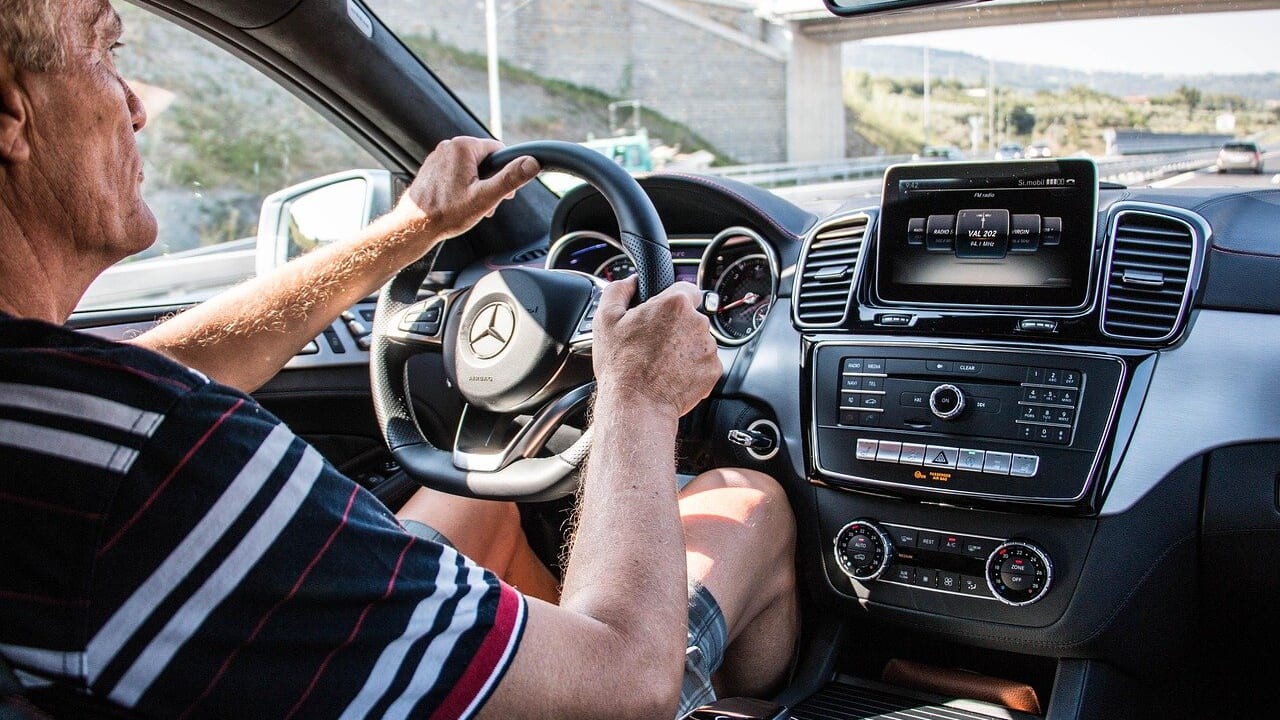
A Smart IC is entirely unstaffed and operates 100% via the Japanese Electronic Toll Collection (ETC) system. There are no ticket machines, no coin slots, and no human attendants to hand cash to. Many foreign tourists assume they can just pay cash at the gate. If you do not have an active ETC card properly inserted into your rental car’s reader, do not enter the Smart IC exit lane.
If you drive down the narrow concrete chute without a card, the barrier arm will remain locked down, and an alarm will sound. You cannot back up, and you cannot go forward. You are effectively trapped, blocking all local traffic trying to exit behind you. A remote operator will have to dispatch a physical highway patrol officer from a different location to manually process a cash payment and lift the gate, a humiliating process that will take 45 minutes to an hour.
The Mandatory Dead Stop and Error Recovery
Even if you have an active ETC card, you must understand the physical mechanics of the Smart IC gate. At massive mainline toll plazas in Tokyo, you can slowly roll through the ETC lane at 20 km/h. You cannot do this at a Smart IC.
The antennas here are weak and positioned directly next to the barrier. If you attempt to roll through, the barrier arm will not lift in time, and you will smash your windshield directly into the heavy metal bar. You must come to a complete, absolute dead stop at the thick white line painted on the asphalt. Wait for the digital sign to display your toll amount and the arm to lift fully before accelerating.
If you come to a dead stop and the barrier still does not open (often due to a loose card), never put your car in reverse. Reversing at any toll gate in Japan is highly illegal and incredibly dangerous. Put your car in park, activate your hazard lights, roll down your window, and press the red intercom button (呼出 – Call) on the pole next to you.
When the remote operator answers, simply say, “Hello, ETC error. English please.” Do not step out of your vehicle unless explicitly instructed to do so over the loudspeaker. The operator will likely ask you to hold your ETC card up to the security camera to verify the serial number before remotely lifting the gate.
- Never enter the Smart IC lane if you do not have a working ETC card.
- Come to a complete stop at the white line; rolling through will smash your windshield.
- If the gate fails, use the red intercom button; reversing your car is illegal.
Navigating Local Traffic After the Exit
Buying Fragile Ceramics in Tajimi City
The primary reason tourists utilize the Kokeizan Smart IC is its direct proximity to Tajimi City. This region produces nearly half of all ceramics in Japan (Mino ware). Exiting here drops you straight into an area dotted with historic kilns, ceramics museums, and artisan shops.
If you are driving a rental car, this is the ultimate opportunity to purchase fragile souvenirs. Carrying delicate ceramic bowls onto crowded bullet trains in Tokyo often results in broken pottery. By driving directly to the source, you can carefully pack your purchases into the padded trunk of your car, ensuring they survive the journey back to your hotel or the airport intact.
Keep in mind that parking in these historical districts is often limited to cramped dirt patches behind the kilns. If you rented a massive luxury SUV, you will struggle to navigate the tight alleyways. A standard compact car is vastly superior for exploring Japanese ceramics towns.
Beware of Speed Traps and Japanese Stop Signs
The moment the Smart IC barrier lifts, you must execute a rapid mental shift. The exit ramp from Kokeizan PA is short and deposits you directly onto local roads that move at a fraction of highway speeds. You must aggressively brake to bleed off your 100 km/h momentum down to a strict 40 km/h.
Local police are intimately aware that highway drivers carry their speed with them. Speed traps (often involving a police officer hidden behind a wall with a radar gun) are highly common just outside Smart IC exits. Getting pulled over for doing 60 km/h in a 40 km/h zone will result in a massive fine and a severe delay to your shopping trip.
Furthermore, be highly vigilant for Japanese stop signs immediately after the ramp. In Japan, stop signs are solid red triangles pointing downward with the word “止まれ” (Tomare). You must come to a complete, dead stop, look both ways, and proceed only when clear. Rolling through a red triangle stop sign is a major offense and a leading cause of rental car accidents at rural intersections.
Final Rest Before Entering the City
Because the Smart IC requires your full attention and deposits you instantly into complex local traffic, you should use Kokeizan PA as a final staging ground before you exit. Do not try to type in your GPS destination while rolling slowly down the exit ramp.
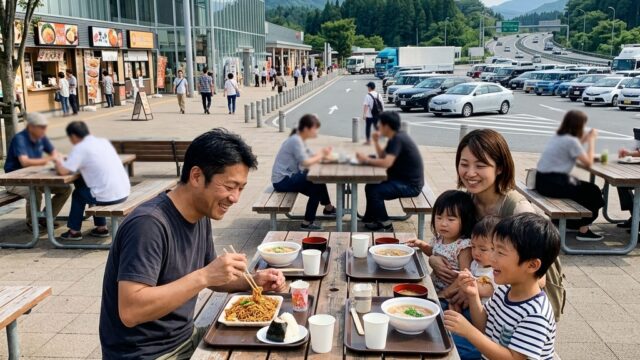
Park your car in the main lot, use the restrooms, and finalize your destination on your smartphone navigation app. If you are hungry, grab a bowl of the local Tajimi-style Udon at the food counter. The dark, salty broth provides excellent hydration and energy for the navigational challenges ahead.
By treating the Smart IC with respect and understanding its strict rules, you bypass massive traffic jams and unlock a highly efficient route into one of Japan’s most culturally rich regions.
If you need a comprehensive overview of how electronic tolling works, read our definitive guide on Understanding the ETC Card System for Foreign Drivers. For more tips on interacting with rural traffic and recognizing Japanese road signs, check out A Foreigner’s Guide to Driving on Rural Japanese Roads.