Top Japanese Highway Service Areas with On-Site Capsule Hotels and Sleeping Pods
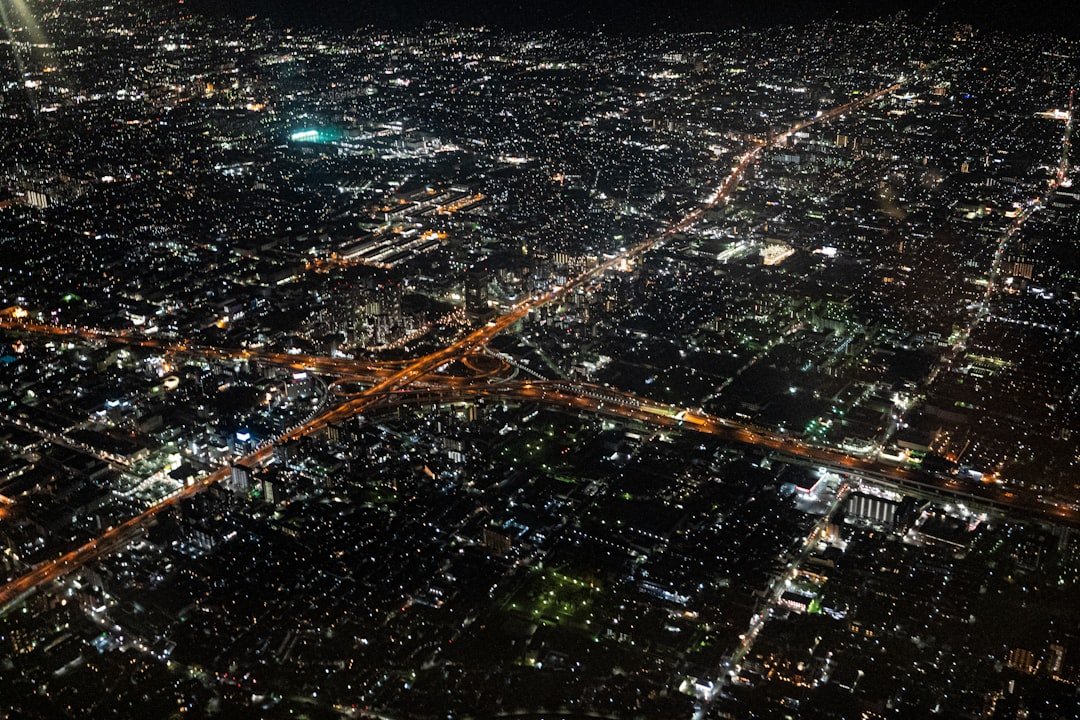
Driving across Japan offers incredible freedom, but finding a safe, comfortable place to sleep during a long road trip can be challenging for foreign travelers. While sleeping in your rental car is common at a Parking Area (PA), some of the larger Service Areas (SA) offer something much better: actual accommodation facilities, including on-site capsule hotels and comfortable sleeping pods. These rest stops allow you to get a real bed, take a hot shower, and wake up refreshed without ever leaving the expressway.
Why Choose Accommodations at a Japanese Service Area?
When planning a long drive, you might wonder if it is better to exit the expressway to find a regular hotel. However, staying directly on the highway network provides unique advantages that save both time and money for inbound tourists.
Saving Money on Expressway Tolls
Japanese expressway tolls can be expensive, and exiting the highway just to find a hotel means you will pay the toll up to that point, and then pay a new base toll when you re-enter the next day. By utilizing a hotel or sleeping pod located inside a Service Area (SA), you remain within the toll gate system. This means your journey is calculated as one continuous trip, which can be significantly cheaper, especially if you are not using an unlimited Expressway Pass. For budget-conscious travelers driving long distances, such as from Tokyo to Kyoto, staying on the highway is a smart financial decision.
Additionally, these highway accommodations are usually priced much lower than standard city hotels. A night in a capsule bed or a compact room at a rest stop typically costs a fraction of what you would pay if you exited the highway to stay in a nearby town. You also avoid the hassle of navigating local roads at night just to find your lodging.
Unmatched Convenience for Late-Night Drivers
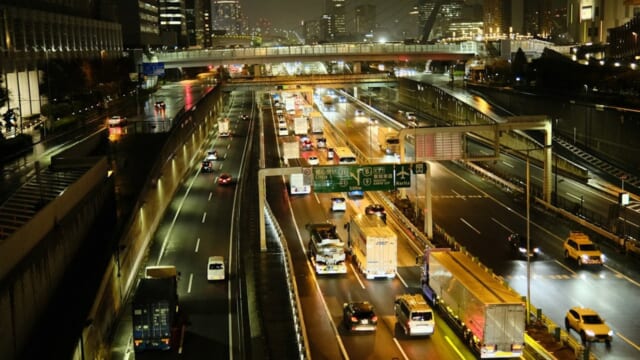
Driving late at night is a common strategy to avoid heavy traffic during peak seasons like Golden Week or Obon. When fatigue sets in at 2 AM, the last thing you want to do is search for an exit, navigate unfamiliar dark streets, and try to communicate with a local hotel receptionist who might not speak English. Service Area accommodations are designed exactly for this scenario. You simply pull into the parking lot, walk a few steps from your car, and check in.
Because these facilities cater specifically to drivers, they are open very late or even 24 hours a day. They also provide immediate access to food, since major SAs feature 24-hour convenience stores and late-night food courts. You can grab a quick midnight snack, take a refreshing hot bath, sleep comfortably for a few hours, and hit the road again at dawn without any delays. This convenience is a game-changer for maximizing your vacation time in Japan.
EXPASA Ashigara (Tomei Expressway): Rest Inn Toki Nosu
If you are traveling on the Tomei Expressway between Tokyo and Nagoya, the EXPASA Ashigara Service Area is one of the most famous and well-equipped stops. It features an excellent on-site hotel facility called “Rest Inn Toki Nosu” that is perfect for tired drivers.
Comfortable Rooms and Authentic Hot Springs
Rest Inn Toki Nosu is not just a basic sleeping pod; it operates more like a compact business hotel built directly into the Service Area building. They offer simple, clean private rooms equipped with proper beds, a TV, and essential amenities. It is a fantastic option for couples or small families who need real rest during a long drive towards Mt. Fuji or the Kansai region. The rooms provide enough soundproofing to block out the noise of the busy highway outside.
What makes this location truly special is the adjoining natural hot spring facility (Onsen). Japan is famous for its hot springs, and being able to soak in a real onsen without leaving the expressway is an incredible experience. The carbonated hot spring water helps soothe muscles stiff from hours of driving. Even if you don’t book a room to sleep, you can pay a small fee to use the baths and showers. For more recommendations on hot springs, check our guide on the 5 Best Japanese Highway Rest Stops with Natural Hot Springs (Onsen).
Dining and Facilities at EXPASA Ashigara
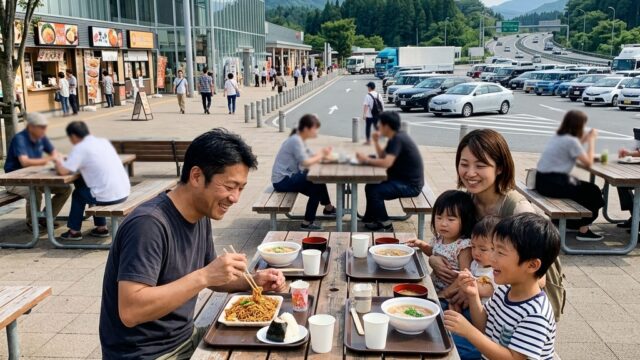
Staying at Rest Inn Toki Nosu means you have immediate access to everything EXPASA Ashigara has to offer. This is one of the largest rest stops in Japan, featuring a massive food court, numerous souvenir shops, and even a Starbucks. Whether you need a late-night bowl of ramen or a fresh coffee in the morning before hitting the road, the options are practically endless.
The facility also caters well to international tourists. Many of the ticket vending machines in the food court have English options, and the convenience store accepts all major international credit cards and IC cards. For travelers needing to do laundry, there are coin-operated washing machines and dryers available—a rare and highly appreciated feature for those on a multi-week road trip.
- Located on the Tomei Expressway (Outbound and Inbound access).
- Features Rest Inn Toki Nosu (Private rooms).
- Natural carbonated hot spring baths on-site.
- Extensive food court and 24-hour convenience store.
Taga SA (Meishin Expressway): Rest Inn Taga
The Meishin Expressway is the primary artery connecting Nagoya, Kyoto, and Osaka. If you are driving this route and need a place to crash, the Taga Service Area (Inbound towards Nagoya/Tokyo) offers an excellent accommodation facility known as Rest Inn Taga.
Private Sleeping Rooms and Coin Showers
Rest Inn Taga provides a very practical setup for travelers. They offer simple, affordable private rooms that can be rented by the hour or for a full overnight stay. This flexibility is perfect if you just need a three-hour nap to safely continue your journey or if you want a full eight hours of sleep. The rooms are basic but very clean, offering a flat bed, air conditioning, and a quiet space away from the bustling parking lot.
If you prefer to sleep in your rental car but still want to freshen up, Rest Inn Taga also provides excellent coin shower facilities. You can pay a few hundred yen to use a clean, private shower booth equipped with shampoo and body soap. Taking a hot shower in the middle of a long drive can completely reset your energy levels. They also have a dedicated relaxation room with massage chairs where you can unwind after dealing with highway traffic.
Accessibility and Surrounding Amenities
Taga SA is strategically located halfway between the major metropolitan areas of Kansai and Chubu, making it a very popular rest stop. The accommodation facility is easily accessible directly from the parking area. You don’t need to cross any complex bridges or walk far with your luggage.
The Service Area itself is equipped with a large food court featuring local Shiga prefecture specialties, including Omi beef dishes. There is a 24-hour convenience store where you can stock up on drinks, snacks, and even basic toiletries if you forgot to pack them. When planning your route through this region, understanding the difference between these large SAs and smaller PAs is crucial. Read our Japan Highway Service Areas Guide to learn more.
Highway Oasis Locations with Sleeping Facilities
In addition to standard Service Areas, Japan has a unique concept called a “Highway Oasis.” These are large recreational areas attached to the highway parking lots, often featuring parks, local markets, and sometimes extensive spa and sleeping facilities.
Kariya Highway Oasis (Isewangan Expressway)
Kariya Highway Oasis is one of the most famous highway stops in Japan, easily recognizable by its massive Ferris wheel. While it doesn’t have a traditional hotel with private rooms, it features a massive natural hot spring complex called “Kakitsubata Spa.”
Inside the spa facility, there are extensive relaxation lounges equipped with comfortable reclining chairs and mats where visitors can sleep. Many Japanese drivers use these lounges to take a long nap after a hot bath. It operates similarly to a capsule hotel’s common area. You pay the entrance fee for the spa, take a bath, and then rest in the lounge for several hours. It is an incredibly relaxing and budget-friendly way to recharge, though you won’t have the complete privacy of a dedicated hotel room. If you want to know more about this unique location, check out our article on the Kariya Highway Oasis.
Yoshinogawa Highway Oasis (Tokushima Expressway)
If your road trip takes you to the island of Shikoku, the Yoshinogawa Highway Oasis is a must-visit. Similar to Kariya, it features a fantastic local hot spring facility called “Minoda-no-Yu.”
They offer designated resting rooms where drivers can lie down and sleep on tatami mats. It provides a very traditional Japanese experience right off the highway. Resting on tatami after a long drive and a hot bath is incredibly restorative. The facility also overlooks the beautiful Yoshino River, providing stunning views that you won’t find at standard urban rest stops. This location perfectly demonstrates how Japanese highways integrate local culture and relaxation into the driving experience.
How to Book and Important Rules for Foreign Travelers
Using these highway accommodations is generally straightforward, but there are a few important rules and tips that foreign tourists need to know before arriving, especially regarding booking procedures and etiquette.
Booking in Advance vs. Walk-ins
While walk-ins are accepted at facilities like Rest Inn Toki Nosu and Rest Inn Taga, it is highly recommended to book in advance, especially during weekends and Japanese national holidays. These places are very popular with long-haul truck drivers and local tourists, and they can sell out quickly.
Unfortunately, their official booking websites are often only in Japanese. To secure a room, you might need to use browser translation tools to navigate the reservation process. Some facilities appear on major international booking sites like Booking.com or Agoda, but inventory is often limited. If you cannot book in advance, try to arrive early in the evening to secure a room or a sleeping spot in the relaxation lounges.
Etiquette and Payment Methods
When using these facilities, especially the relaxation lounges in spas or hot springs, it is important to observe local etiquette. The resting areas are strictly for sleeping and relaxing, so keep your voice down, silence your phone, and avoid having conversations. If you are using a tatami mat area, remember to take your shoes off before stepping on the mats.
Regarding payment, while most large Service Areas accept credit cards in their food courts and shops, it is always a good idea to have some Japanese Yen in cash. Some coin showers, massage chairs, and laundry machines only accept 100-yen coins. The hotel check-in desks generally accept major credit cards, but having cash ensures you won’t face any issues if you want to use the smaller vending amenities inside the facility.
| Facility Name | Expressway | Type of Accommodation | Hot Spring / Shower |
|---|---|---|---|
| Rest Inn Toki Nosu | Tomei Expressway (EXPASA Ashigara) | Private Rooms | Natural Onsen |
| Rest Inn Taga | Meishin Expressway (Taga SA) | Private Rooms | Coin Showers / Public Bath |
| Kariya Highway Oasis | Isewangan Expressway | Relaxation Lounge (Spa) | Natural Onsen |
| Yoshinogawa Highway Oasis | Tokushima Expressway | Tatami Resting Room | Public Bath |
Safety and Alternatives if Accommodations are Full
Sometimes you might arrive at a Service Area only to find that the hotel or sleeping lounge is completely full. In these situations, it is crucial to have a backup plan to ensure you get the rest you need to drive safely.
Sleeping in Your Rental Car
If all beds are taken, the most common alternative is to sleep in your rental car in the parking lot. This is completely legal and very common in Japan. In fact, many Service Areas have designated areas where large trucks and passenger cars park overnight. To make this comfortable, it is a good idea to bring eye masks, earplugs, and perhaps a small travel blanket.
When sleeping in your car, make sure to park in a well-lit area near the main building so you have easy access to the 24-hour restrooms and the convenience store. For safety and environmental reasons, you should turn off your engine while sleeping, as idling for long periods is discouraged. For a comprehensive guide on this topic, read our article on Sleeping in Your Car in Japan: Rules, Manners, and Safe Highway Rest Stops.
Finding Nearby Hotels via Smart Interchanges
If sleeping in the car is not an option for you, look for the nearest “Smart IC” (Smart Interchange). These are ETC-only exits located directly at many Service Areas and Parking Areas. They allow you to easily exit the highway, find a local hotel in the nearby town, and get back on the highway the next morning without having to drive to a major, busy interchange.
Many towns near major expressways have affordable business hotels or roadside motels (such as the Hatagoya chain) that cater specifically to drivers. Using your car’s navigation system or Google Maps, you can quickly locate a nearby hotel, exit via the Smart IC, and get a proper night’s sleep. Understanding how these special exits work is very helpful, so be sure to read our guide on Understanding Smart Interchanges: Japan’s ETC-Only Highway Exits.
Conclusion
Finding a comfortable place to sleep during a long Japanese road trip does not mean you have to exit the expressway and navigate unfamiliar towns. The unique accommodation facilities found at major Service Areas and Highway Oases provide an incredibly convenient, safe, and cost-effective way to get some real rest.
Whether you book a private room at Rest Inn Toki Nosu on the Tomei Expressway, grab a quick nap in the relaxation lounges of Kariya Highway Oasis, or just use the coin showers at Taga SA, these facilities are designed to make your journey smoother. They eliminate the stress of searching for late-night hotels and allow you to stay within the toll gate system, ultimately saving you money on your overall trip.
By taking advantage of these on-site capsule hotels and sleeping pods, you can maintain your travel schedule, avoid driving while fatigued, and experience a unique aspect of Japanese highway culture that most foreign tourists miss. Plan your route carefully, try to book in advance if possible, and enjoy the unparalleled convenience of Japan’s world-class highway rest stops.