The Ultimate Guide to Hot Meal Vending Machines at Japanese Parking Areas
Japan is globally famous for its incredible density of vending machines, selling everything from cold green tea to umbrellas. However, for foreign tourists driving on the expressways, the most fascinating discovery is often the “hot meal” vending machines found at certain Parking Areas (PA). These machines do not just dispense snacks; they deliver steaming hot bowls of noodles, toasted sandwiches, and rice dishes in a matter of seconds. This guide explores these unique culinary lifesavers that perfectly embody Japanese convenience culture.
The Wonder of Japanese Vending Machines
To understand the appeal of a hot meal vending machine, you must first appreciate the unique role vending machines (jidouhanbaiki) play in Japanese society. They are not merely for junk food; they are considered essential, highly reliable infrastructure, especially in remote areas or during late hours.
24-Hour Convenience for Drivers
When you are driving late at night across Japan, especially on long stretches of rural expressways, you will find that many small Parking Areas do not have 24-hour convenience stores or restaurants. The food counters often close by 8:00 PM. If you are hungry at 2:00 AM, the brightly lit row of vending machines might be your only option for miles.
This is where the hot meal vending machine becomes a true lifesaver. Instead of settling for a cold bag of potato chips, you can press a button and receive a hot, satisfying meal. This 24-hour availability is a massive comfort for long-haul truck drivers and road-tripping tourists alike. It allows you to maintain a flexible driving schedule without worrying about starving in the middle of the night. For a broader look at 24-hour facilities, read our guide on Best Highway Service Areas in Japan Open 24 Hours: Food, Restrooms & Convenience Stores.
The Nostalgia Factor
While modern Service Areas (SA) have extensive food courts, the hot meal vending machines are deeply associated with older, smaller Parking Areas. For many Japanese drivers, these machines represent a strong sense of “Showa-era” nostalgia (the period from the 1950s to the 1980s).
Eating a slightly soggy, piping hot toasted sandwich from a retro machine while standing in a quiet highway parking lot at midnight is considered a quintessential Japanese road trip experience. It is a gritty, charming alternative to the polished, crowded restaurants of the mega rest stops. Many food enthusiasts and bloggers actively hunt down these aging machines just to experience this specific nostalgic atmosphere.
Finding Retro Hot Meal Vending Machines
Finding these hot meal machines requires a bit of luck and knowledge. Because they are often old and require significant maintenance, they are slowly disappearing from the modern highway network, making them rare and exciting finds for tourists.
The Nichirei Hot Food Machines
The most common hot meal vending machine you will encounter is operated by the food company Nichirei. These large, usually yellow or orange machines are a staple at many mid-sized Parking Areas. They are relatively modern and very reliable.
Inside the machine, the food is stored frozen. When you insert your money and press a button, an internal microwave quickly heats the selected meal. You can actually watch a digital timer count down (usually taking about 90 to 120 seconds) while your food is prepared. These machines are a fantastic, reliable backup plan when all the restaurants at a rest stop are closed.
The Hunt for “Retro” Noodle Machines
The true holy grail for vending machine enthusiasts in Japan is the vintage noodle machine. These machines, often built in the 1970s and 80s, are mechanical marvels. Unlike the microwave-based Nichirei machines, these retro machines store pre-cooked noodles and toppings in a refrigerated state.
When you insert your coins, a complex internal mechanism spins the bowl to drain excess water, pours boiling hot broth over the noodles, and dispenses the steaming bowl to you in exactly 25 seconds. The Nixie tube timer counting down the seconds is iconic. Finding one of these working retro machines at a highway rest stop or a nearby roadside diner is an incredibly rare and memorable event.
- Nichirei Machines: Microwave-based, very common, serves rice dishes and snacks.
- Vintage Noodle Machines: Rare, mechanically pours hot broth over refrigerated noodles.
- Toast Machines: Dispenses foil-wrapped, grilled sandwiches.
What Kind of Food Can You Buy?
The variety of food available from these machines is surprisingly diverse, ranging from simple snacks to heavy, filling rice dishes designed to satisfy a hungry truck driver in the middle of the night.
The Nichirei Menu Options
The standard Nichirei microwave machines usually offer a menu of about six to eight items. The most popular options are usually hot snacks that are easy to eat in the car. This includes things like Takoyaki (fried octopus balls), Yakio-onigiri (grilled rice balls), and Taiyaki (a fish-shaped pastry filled with sweet red bean paste).
If you need a more substantial meal, these machines also dispense hot rice boxes. You can often find dishes like Yakisoba (fried noodles), Fried Chicken (Karaage) with French fries, or even a small Hamburger Steak with rice. While it is certainly not gourmet cuisine, the food is hot, salty, and surprisingly comforting when you are exhausted from driving.
Sandwiches and Burgers
Another classic category of vending machine food is the hot sandwich or burger. These are often dispensed from dedicated, older machines. The most famous is the hot toast machine. You insert your coins, and the machine heats up a sandwich (usually ham and cheese or corned beef) wrapped in thick aluminum foil.
Because it is heated intensely inside the foil, the bread gets wonderfully crispy on the outside while the cheese melts on the inside. The burger machines operate similarly, dispensing a hot burger in a small cardboard box. Eating a foil-wrapped grilled cheese sandwich under the dim lights of a rural Parking Area is a unique experience you won’t find in a guidebook.
The Famous Udon and Soba Machines
Of all the hot meal vending machines, the vintage Udon and Soba noodle machines are by far the most beloved. They represent the pinnacle of Japanese automated food technology from a bygone era.
How They Work and Taste
As mentioned earlier, these machines assemble the bowl of noodles mechanically. You usually have a choice between Tempura Udon (thick wheat noodles) or Tempura Soba (buckwheat noodles). The “tempura” is usually a simple, round fritter of fried batter and small vegetables (kakiage) that softens beautifully as it soaks in the hot broth.
The taste is incredibly nostalgic. The broth is usually a classic, slightly sweet soy sauce and dashi base. The noodles are soft, and the hot soup is exactly what you need on a freezing winter night drive. It is fast, hot, and delicious in a very simple, unpretentious way. To learn more about regional noodle variations on the highway, read our guide on Hidden Gem Parking Areas (PA): Small Stops with Surprisingly Good Local Food.
The Dedication of the Owners
It is important to note that these vintage noodle machines are not magically restocked by a massive corporation. Because they are so old, the companies that manufactured them no longer exist. Therefore, the owners of the rest stops or local diners who host these machines must maintain them personally.
They prepare the noodles, fry the tempura, and refill the machines by hand every single day. They also have to repair the complex 40-year-old mechanics themselves when they break down. When you buy a bowl of vending machine udon, you are actually eating food prepared by a dedicated local owner who is fighting to keep this nostalgic piece of highway culture alive.
How to Operate the Machines and Eat
Using a hot meal vending machine is simple, but there are a few practical tips to ensure you do not lose your money or burn your hands.
Payment and Preparation
First, these machines almost exclusively take cash, specifically 100-yen coins and 1,000-yen bills. Most hot meals cost between 300 and 500 yen. It is essential to have coins ready, as there is rarely a change machine available in the middle of the night at a small PA.
Once you insert your money and press the button, be patient. If it is a microwave machine, wait for the digital timer to hit zero before trying to pull the door open. When the food comes out, it will be in a small cardboard box or plastic tray. Be extremely careful. The containers are often piping hot straight out of the internal microwave.
Condiments and Disposal
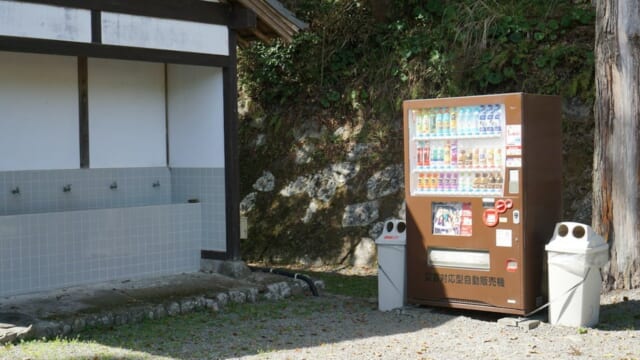
Next to the vending machines, you will usually find a small station with disposable wooden chopsticks (waribashi) and sometimes small packets of soy sauce or shichimi (seven-spice chili powder) for your noodles.
After you finish eating, you must dispose of the packaging properly. Japanese highway rest stops have very strict recycling rules. You will need to separate your chopsticks, the plastic tray, and any leftover food into the correct bins provided near the machines. Never leave your trash on the benches or in the parking lot. For a full breakdown of these rules, see our guide on Navigating Trash and Recycling Bins at Japanese Highway Service Areas.
| Food Type | Machine Type | Average Price | Best For |
|---|---|---|---|
| Takoyaki / Hot Snacks | Nichirei (Microwave) | ¥300 – ¥400 | Quick midnight snacking. |
| Rice Bowls / Meals | Nichirei (Microwave) | ¥400 – ¥500 | A filling late-night dinner. |
| Tempura Udon / Soba | Vintage Mechanical | ¥300 – ¥400 | Experiencing Showa-era nostalgia. |
| Hot Foil Sandwiches | Vintage Toast Machine | ¥250 – ¥300 | A crispy, comforting breakfast on the road. |
Best Parking Areas to Find Vintage Machines
While the modern Nichirei machines are fairly common across the country, finding the vintage mechanical machines requires some dedicated searching. Here are a few hints on where to look.
Gunma Prefecture: The Vending Machine Capital
If you are serious about finding vintage hot meal machines, you need to drive through Gunma Prefecture. While you might not find them directly on the main Kan-Etsu Expressway Service Areas, Gunma is famous for having numerous “Drive-in” diners located just off the highway exits on national routes.
Places like the “Drive-in Nanahoshi” or various retro arcades in Gunma are legendary for housing working vintage udon, burger, and toast machines. You can use a Smart IC (ETC-only exit) to quickly hop off the highway, visit a retro drive-in for a bowl of vending machine udon, and get right back on the road.
Older PAs on Regional Routes
You are also more likely to find older machines at small, aging Parking Areas (PA) on less busy regional expressways, rather than on the massive, modern Shin-Tomei Expressway. The older routes in the Tohoku or Chugoku regions still harbor a few of these mechanical treasures.
When you pull into a quiet, slightly outdated PA, always check the vending machine corner. Even if you don’t find a vintage noodle machine, the experience of grabbing a hot rice ball from a microwave machine in the dead of night is a memorable part of the Japanese road trip experience.
Conclusion
The hot meal vending machines found at Japanese Parking Areas perfectly encapsulate the country’s dedication to convenience and its deep sense of nostalgia. They are culinary safety nets that ensure no driver goes hungry, regardless of the time of day or the remoteness of the location.
For foreign tourists, buying a steaming hot meal from an automated machine in the middle of a dark parking lot is a unique and exciting cultural experience. Whether you are grabbing a quick box of fried chicken from a modern microwave machine or hunting down a legendary vintage udon dispenser, these machines offer a gritty, charming alternative to standard restaurant dining.
Next time you are driving late at night and feel your energy fading, do not despair if the main restaurants are closed. Pull into the next Parking Area, gather your 100-yen coins, and experience the simple, hot, and highly satisfying joy of Japanese vending machine food. It is a defining memory of any true Japanese road trip.