The Tohoku Expressway Adventure: Discovering Northern Japan
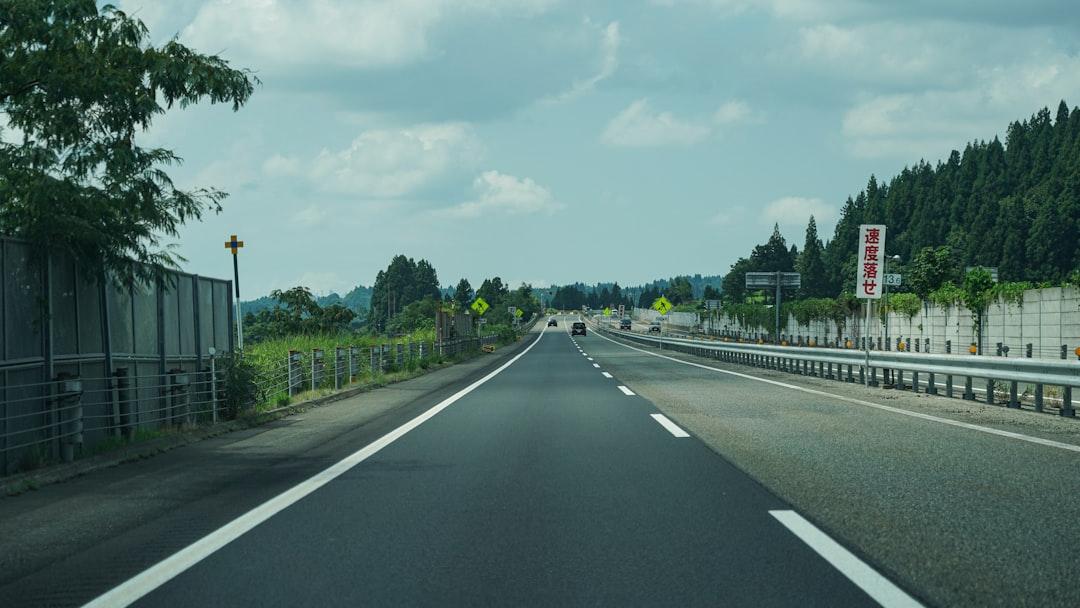
While the legendary “Golden Route” connecting Tokyo and Kyoto receives the vast majority of international tourist traffic, the true frontier for intrepid road trippers lies to the north. The Tohoku Expressway, Japan’s longest single continuous national highway, stretches over 679 kilometers from the urban sprawl of Saitama (just north of Tokyo) all the way to the northern tip of Honshu in Aomori Prefecture. This massive arterial route acts as the primary spine of the Tohoku region, an area characterized by deep, ancient forests, dramatic volcanic landscapes, rich samurai history, and some of the most vibrant traditional festivals in the country. Driving the Tohoku Expressway is an incredibly rewarding experience that allows you to completely escape the crowded tourist centers and discover a slower, more authentic, and deeply traditional side of Japan. This guide provides a comprehensive overview of the incredible destinations accessible via this monumental northern highway.
The Gateway to the North: Fukushima and Tochigi
The initial stage of the Tohoku Expressway carries you out of the dense, unending concrete of the Kanto plain and into the rolling, green mountains of Tochigi and Fukushima prefectures. This transition is rapid and dramatic, visually signaling the beginning of your northern adventure. This region serves as the perfect introduction to Tohoku, offering a blend of world-class historical sites and deeply comforting local food culture, easily accessible for travelers who may only have time for a short, weekend road trip from Tokyo.
The History of Nikko (Tochigi)
While technically located slightly off the main Tohoku Expressway (accessed via the highly convenient Nikko Utsunomiya Road branch), the incredibly historic city of Nikko is an absolute, non-negotiable mandatory stop on any northward journey out of Tokyo. It is famously the site of the Toshogu Shrine, the incredibly lavish, gold-leaf-covered mausoleum of Tokugawa Ieyasu, the founder of the powerful Tokugawa shogunate that effectively ruled Japan for over 250 years during the Edo period. Unlike the austere, minimalist wooden architecture found in the ancient temples of Kyoto, Toshogu is defined by its overwhelming, almost excessive ornamentation and incredibly bright colors. Every conceivable surface of the main complex is covered in incredibly detailed, vibrant wood carvings depicting mythical beasts, Chinese sages, and most famously, the “Three Wise Monkeys” (see no evil, hear no evil, speak no evil). It is a staggering, unforgettable display of wealth and absolute political power, set dramatically against the backdrop of a dense, ancient, and deeply atmospheric cedar forest.
Visiting Nikko by car provides a massive, undeniable advantage over relying on the crowded, often infrequent local bus system that most foreign tourists are forced to use. Beyond the main shrine complex at the base of the mountains, you can easily drive your rental car up the incredibly famous, twisting Irohazaka winding road to reach Lake Chuzenji and the towering Kegon Falls. This spectacular alpine lake sits at an elevation of 1,269 meters and offers a dramatic, cooling contrast to the oppressive humidity of the lowlands during the peak of summer, and provides some of the most spectacular, highly sought-after autumn foliage viewing in all of Japan during October. Having your own vehicle allows you to completely beat the massive tour groups to the popular observation decks early in the morning, and gives you the freedom to explore the quieter, less-visited shrines hidden much deeper in the cedar forests at your own relaxed pace. It completely transforms a stressful, crowded day trip into a relaxed, comprehensive exploration of one of Japan’s most important and visually stunning historical sites.
The Ramen Culture of Kitakata (Fukushima)
As you continue north across the border into Fukushima Prefecture, the focus shifts from grand history to essential local comfort food. The small, unassuming city of Kitakata, located a short drive west of the expressway, is recognized throughout Japan as one of the country’s three great “ramen capitals” (alongside Sapporo and Hakata). What makes Kitakata incredibly unique is not just the specific style of ramen, but the deep-rooted local culture surrounding it. The city is famous for *Asa-Ramen* (morning ramen). It is entirely common and culturally expected to eat a massive, steaming bowl of rich ramen for breakfast, with many local shops opening their doors at 7:00 AM to cater to early risers and factory workers.
Kitakata ramen is characterized by its distinctive noodles—thick, flat, highly highly curly, and surprisingly chewy, crafted using the abundant, high-quality local spring water. The broth is typically a light, clear, and incredibly savory soy sauce (shoyu) base, often fortified with rich pork bones and dried sardines (niboshi), providing a complex umami depth without being overly heavy or greasy. It is traditionally topped with generous, melt-in-your-mouth slices of roasted pork belly (chashu). Pulling off the highway early in the morning and joining the locals in a small, crowded shop for a breakfast bowl is a deeply authentic experience. With over 100 ramen shops scattered across the small city, having a rental car is essential for navigating the narrow streets, finding the highly-rated independent shops located off the main tourist drags, and participating in this unique, delicious local tradition before continuing your journey north.
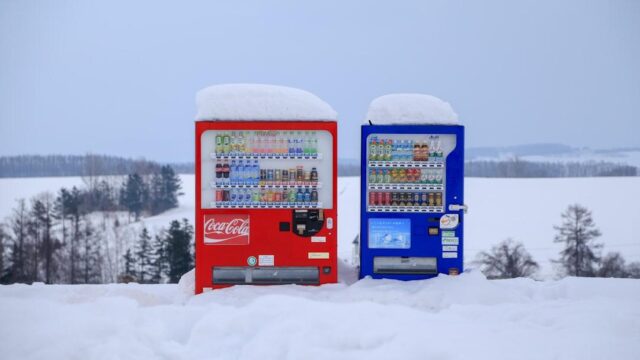
- Snow Tires: Absolutely mandatory from late November through April. Do not attempt this drive with standard summer tires under any circumstances.
- Chain Regulations: Be prepared for temporary “chain-only” zones during heavy blizzards, even if you have winter tires equipped. Ensure your rental includes them.
- Wiper Management: When parking overnight in Tohoku, always pull your windshield wipers up and away from the glass so they do not freeze solidly to the windshield.
- Fuel Additives: If renting a diesel vehicle in Tokyo, be aware that standard southern diesel can gel and freeze in extreme northern temperatures. Always refuel locally in Tohoku to get winter-grade diesel.
The Central Heartland: Miyagi and Iwate
As the Tohoku Expressway pushes deeper into the central portion of the region, the landscape opens up into massive agricultural valleys bordered by jagged, imposing mountain ranges. This is the historic heartland of the legendary Date Masamune, the “One-Eyed Dragon,” one of Japan’s most famous and powerful feudal lords. The central prefectures of Miyagi and Iwate offer a dramatic mix of modern, bustling urban centers, starkly beautiful coastlines, and deeply spiritual mountain retreats, providing a highly varied and engaging driving experience.
Exploring Sendai (Miyagi)
Sendai, the bustling capital of Miyagi Prefecture, is by far the largest city in the entire Tohoku region and serves as a major cultural, academic, and economic hub for the north. It is famously known throughout the country as the “City of Trees,” characterized by its wide, tree-lined boulevards, expansive parks, and extensive green spaces, making it a surprisingly pleasant and relatively easy city to navigate by car compared to the cramped, chaotic confines of Tokyo or Osaka. The city was originally founded by Date Masamune in the year 1600, and his profound historical legacy is inescapable wherever you look. You can drive directly up the steep hills to the site of Aoba Castle, located on a highly elevated plateau that overlooks the entire modern city and the Pacific Ocean in the distance. While the original wooden castle buildings themselves are long gone, the massive, imposing stone walls remain entirely intact, and the panoramic view from the iconic, dramatic equestrian statue of Masamune looking out over his domain is a mandatory photo opportunity for any visitor.
Sendai is also globally famous for its absolute signature culinary creation: *Gyutan* (thick-sliced, grilled beef tongue). Dozens of highly specialized restaurants throughout the city serve this incredible local delicacy. The tongue is thickly sliced, deeply scored to ensure tenderness, and grilled incredibly quickly over extremely hot binchotan charcoal, resulting in a piece of meat that is incredibly tender on the inside with a highly satisfying, slightly crunchy exterior, imbued with a deep, smoky flavor. It is traditionally served as a complete set meal with highly nutritious barley rice, a clear, incredibly savory slow-cooked oxtail soup, and a side of spicy pickled vegetables. Because the absolute best, most highly-rated Gyutan restaurants are often located in busy downtown pedestrian areas with strictly limited parking, you must actively research nearby coin parking lots before you arrive in the city center. Enjoying a massive, protein-heavy Gyutan lunch is the absolute perfect way to refuel your body and mind before driving further into the rugged, isolated mountains of the deep north.
The Rugged Sanriku Coast (Iwate)
While the main Tohoku Expressway runs efficiently inland through the wide central agricultural valleys, taking a deliberate, winding detour east to the Sanriku Coast in Iwate Prefecture is highly recommended for any travelers specifically seeking dramatic, untouched natural beauty. The Sanriku Coast is characterized by its massive, jagged cliffs, incredibly deep, rocky inlets, and incredibly powerful, churning ocean swells. This entire coastal area is famously rugged, remote, and wild, providing some of the absolute most spectacular, highly engaging coastal driving in the entire country, feeling entirely far removed from the heavily developed, industrialized coastlines of central Honshu. It is a drive that demands your full attention and completely rewards you with incredible vistas.
One of the most visually striking and famous destinations along this extensive coast is Jodogahama (Pure Land Beach) located in Miyako City. The beach is famous for its sharp, jagged, bright white volcanic rock formations rising dramatically out of incredibly clear, calm, emerald-green water, creating a stark, breathtakingly beautiful contrast against the dark green pine trees desperately clinging to the tops of the cliffs. It is a deeply serene, perfectly picturesque location that truly lives up to its heavenly name, strongly resembling a traditional Japanese zen rock garden scaled up to massive, geographical proportions. Having a rental car is the only realistic way to easily explore the various remote viewpoints along the jagged coastline, visit the numerous small, incredibly resilient working fishing ports, and sample the incredibly fresh local seafood, particularly the massive, highly prized Sanriku oysters, abalone, and sea urchin that the region is famous for. Driving this coast is a deeply humbling experience, highlighting the raw, often destructive power of the Pacific Ocean and the incredible, inspiring resilience of the local fishing communities that have called this rugged, isolated landscape home for centuries. It adds a crucial element of raw nature to the trip.
The Deep North: Akita and Aomori
The final, northernmost section of the Tohoku Expressway carries you into Akita and Aomori prefectures, the true “Deep North” of Japan. This area feels incredibly remote and isolated, heavily defined by its extreme, snowy winters, massive, untouched primeval beech forests, and deep, brooding volcanic lakes. The culture here is distinct, maintaining ancient traditions and dialects that have largely faded from the modernized southern regions. Driving through the Deep North is an exercise in discovering the quiet, enduring soul of rural Japan.
The Mystery of Lake Towada (Akita/Aomori)
Straddling the high-altitude border between Akita and Aomori prefectures, Lake Towada is the absolute largest caldera lake on the main island of Honshu and serves as the breathtaking, pristine centerpiece of the massive Towada-Hachimantai National Park. The lake was violently formed by a massive, catastrophic volcanic eruption thousands of years ago, resulting in incredibly deep, brilliantly blue water completely surrounded by incredibly steep, densely forested caldera walls that drop straight into the lake. Driving the winding, highly scenic roads that trace the entire perimeter of the lake provides a continuous series of spectacular, elevated viewpoints, particularly from the famous Hakka Pass Observatory located on the southern shore, which offers a sweeping, totally unobstructed panoramic view of the entire massive caldera and the surrounding mountain ranges. It is an incredibly dramatic landscape that highlights the intense geothermal history of the region.
Lake Towada is undeniably spectacular year-round, but it is truly legendary and heavily visited during the autumn leaf-viewing season (koyo). In late October, the dense deciduous forests completely surrounding the lake completely explode in vibrant, fiery shades of crimson, bright orange, and golden yellow, creating a stunning, highly photogenic visual contrast against the deep, dark sapphire blue of the water. Having a rental car is absolutely essential during this incredibly brief, peak season. It allows you to beat the massive, slow-moving tour buses to the best viewpoints early in the morning before the crowds arrive, and gives you the total freedom to explore the incredibly scenic Oirase Gorge, a beautiful, rocky mountain stream that flows directly out of the lake. You can drive the narrow road that perfectly parallels the gorge, stopping frequently at the numerous designated pull-offs to photograph the spectacular waterfalls and incredibly dense, colorful foliage. It is widely considered one of the absolute premier autumn driving experiences in the world, requiring complete mobility to fully appreciate.
The Aomori Nebuta Festival
If your road trip coincides with the first week of August, you must plan your itinerary around the Aomori Nebuta Festival. It is arguably the most visually spectacular, energetic, and famous summer festival in all of Japan. The festival is defined by its massive, incredibly intricate, illuminated floats (Nebuta) depicting fierce, grimacing samurai warriors, mythical gods, and historical battle scenes. These massive structures, constructed from carefully painted washi paper over complex wire frames, are mounted on wheeled wooden platforms and aggressively spun, tilted, and pushed through the dark city streets by teams of chanting, exhausted pullers.
The atmosphere during the festival is electric and entirely chaotic. The streets are filled with the deafening, hypnotic sound of massive taiko drums, high-pitched bamboo flutes, and the synchronized, screaming chants of thousands of *haneto* (costumed dancers) who follow the floats, leaping wildly into the air. What makes the Nebuta festival truly special is that it is highly participatory; anyone can join the dancers provided they rent and wear the traditional *haneto* costume. Navigating Aomori City by car during this week is incredibly challenging due to massive, city-wide road closures and a severe lack of parking. You must book a hotel with guaranteed parking several months in advance, or park at a distant suburban train station and take the local train into the city center. Experiencing the sheer, overwhelming energy of the Nebuta festival is the ultimate, unforgettable climax to a journey up the length of the Tohoku Expressway.
| Prefecture | Highlight Destination | Key Experience | Driving Note |
|---|---|---|---|
| Tochigi | Nikko Toshogu Shrine | Intricate samurai architecture and history. | Expect heavy traffic on the Irohazaka winding road in autumn. |
| Fukushima | Kitakata City | Morning ramen culture. | Navigate narrow residential streets to find independent shops. |
| Miyagi | Sendai City | Grilled Gyutan (beef tongue) and Aoba Castle. | Utilize coin parking lots when dining in the downtown core. |
| Aomori/Akita | Lake Towada / Oirase Gorge | Breathtaking caldera lake and autumn foliage. | Roads around the gorge are winding; watch for slow tour buses. |
Conclusion
Driving the complete length of the Tohoku Expressway is not merely a method of transportation; it is an immersive, highly rewarding multi-day exploration of Japan’s most historic, rugged, and culturally rich region. It offers a profound, highly necessary counter-narrative to the hyper-modernized, neon-lit, crowded image of Japan that is most frequently presented to international tourists. The Tohoku region heavily rewards travelers who are willing to stray from the established “Golden Route,” offering an incredibly diverse array of unique experiences. From eating massive, steaming bowls of ramen for breakfast in rural Fukushima to standing quietly before the incredibly lavish, gold-leafed grandeur of the Tokugawa shogunate in Nikko, and witnessing the sheer, chaotic, overwhelming energy of the Aomori summer festivals, the journey is constantly engaging. It is a region heavily defined by its enduring resilience, its deep, historical connection to the natural world, and its incredible, highly localized cuisine that utilizes the abundant natural resources of the north.
Having the complete freedom of a rental car is the absolute key to fully unlocking the true potential of the Tohoku region. The expressway provides the highly efficient, high-speed backbone for the long journey, but the real, memorable adventure lies in actively taking the local exits, driving down the winding, rural mountain passes, and exploring the small, isolated coastal fishing villages that are entirely inaccessible by the Shinkansen (bullet train). It allows you to dictate your own pace, linger for hours at spectacular, empty viewpoints, and discover the quiet, enduring soul of northern Japan entirely on your own terms, without relying on strict public transit schedules. Whether you are actively seeking world-class historical sites, dramatic, active volcanic landscapes, or simply a deep, quiet, uninterrupted connection with authentic rural Japanese culture, the Tohoku Expressway provides the ultimate, unforgettable northern road trip. It is a highly recommended itinerary for anyone looking to experience the true depth of the country.