Hokkaido Road Trip: Exploring Central Hokkaido via Do-O Expressway
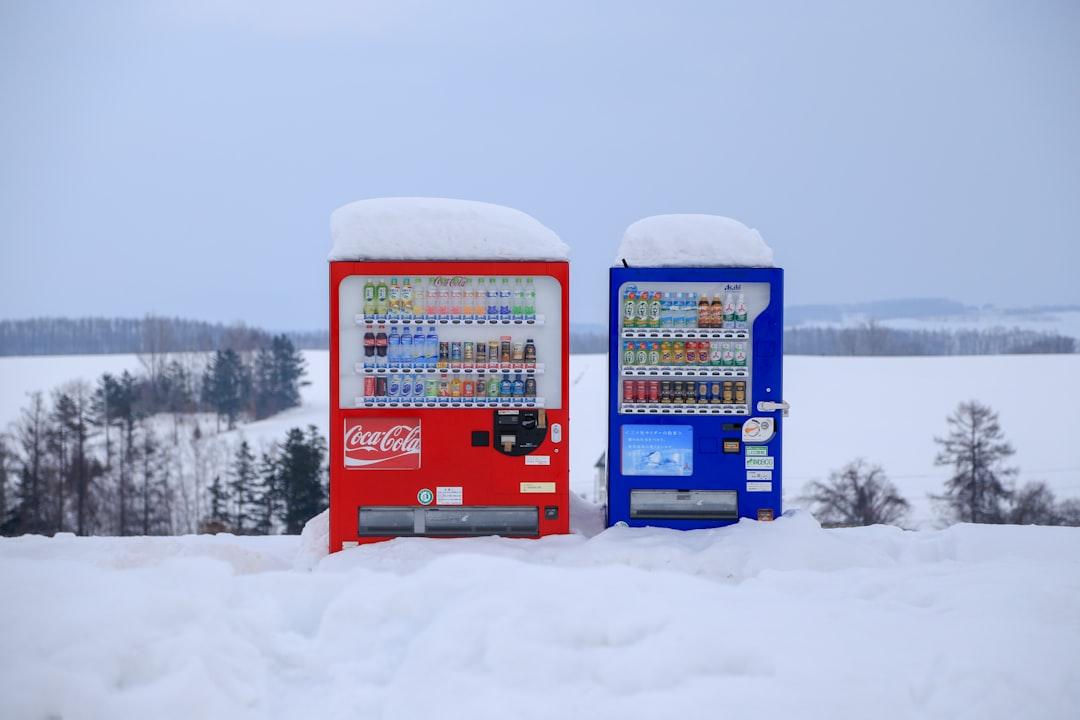
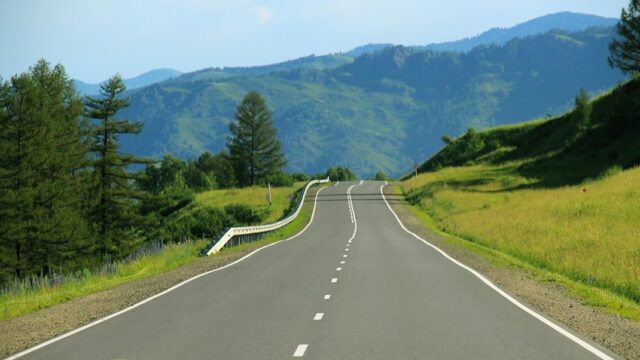
Hokkaido, Japan’s northernmost island, is a paradise for road trippers. Unlike the dense, tightly packed urban areas of Honshu, Hokkaido offers vast, sweeping landscapes, straight roads that stretch to the horizon, and a distinct lack of traffic once you leave the major cities. The best way to cover this massive amount of ground efficiently and comfortably is by using the Do-O Expressway, the main arterial highway that cuts right through the center of the island. Whether you are traveling in the vibrant green of summer or the snowy white of winter, driving in Hokkaido is an unforgettable experience.
This guide focuses on exploring Central Hokkaido, taking you from the bustling capital of Sapporo up towards the majestic Daisetsuzan National Park and Asahikawa. We will discuss the realities of driving on the Do-O Expressway, the best Service Areas (SA) to stop at for incredible local food, how to handle the unique driving conditions, and practical tips for renting a car in this region. If you want to see the best of Hokkaido on your own schedule, getting behind the wheel is the only way to go.
Getting Started: Navigating the Do-O Expressway
The Do-O Expressway is the backbone of Hokkaido’s road network. It runs vertically through the island, connecting the southern tip near Hakodate all the way up past Sapporo to Asahikawa, and further north to Shibetsu. For this central Hokkaido road trip, you will likely be starting in Sapporo or at New Chitose Airport and heading north.
Before you hit the road, it is essential to understand how this expressway operates, as it has a few distinct differences from the highways in Tokyo or Osaka. The distances between towns are much longer, and the weather plays a significantly larger role in your daily travel plans.
Understanding Tolls and the Hokkaido Expressway Pass
Driving long distances on Japanese expressways can get expensive quickly, and the Do-O Expressway is no exception. A one-way trip from Sapporo to Asahikawa will cost you around 3,500 to 4,000 yen in tolls. This is where you need to plan ahead. The absolute best tool for a foreign tourist driving in Hokkaido is the Hokkaido Expressway Pass (HEP). This pass allows for unlimited use of all expressways in Hokkaido for a fixed daily rate. You can arrange to rent the HEP along with an ETC (Electronic Toll Collection) card directly from your rental car agency when you pick up your vehicle.
Using the HEP with an ETC card means you never have to stop and pay cash at the toll booths. You simply drive slowly through the purple ETC lanes, and the gate opens automatically. The pass pays for itself very quickly if you are doing significant driving over a few days. For example, if you plan to drive from Sapporo to Furano, then up to Asahikawa, and back down to Chitose, the regular tolls would easily exceed the cost of a multi-day pass. If you are curious about how the electronic toll system works nationwide, you can check out this guide on How to Use ETC in Japan: A Complete Guide to Electronic Toll Collection. It is highly recommended to secure this pass in advance, especially during the busy summer tourist season, as rental agencies can sometimes run out of ETC cards.
Dealing with Wildlife and Long Distances
One of the biggest hazards of driving in Hokkaido, especially on the Do-O Expressway outside of the major city limits, is wildlife. Hokkaido is home to a large population of Ezo deer and red foxes. These animals frequently wander near or onto the roads, particularly at dawn and dusk. The expressway is lined with tall fences in many areas, but breaches happen, and wildlife collisions are a serious and common occurrence. You will see numerous yellow warning signs featuring a silhouette of a leaping deer; take these signs very seriously and reduce your speed, keeping a close eye on the shoulders of the road.
Additionally, the sheer distance between exits and Service Areas on the Do-O Expressway can catch some drivers off guard. Unlike the Tomei Expressway near Tokyo, where you might pass a rest stop every 15 minutes, in Hokkaido, you might drive for an hour without seeing a gas station. It is a golden rule in Hokkaido to never let your gas tank drop below half full. When you see a Service Area with a gas station, take the opportunity to top off your tank and use the restroom. The long, straight stretches of road can also lead to highway hypnosis, so taking frequent breaks is crucial for your safety.
Must-Visit Stop 1: Sunagawa SA (Outbound)
As you drive north from Sapporo towards Asahikawa, one of the most prominent and enjoyable places to take a break is Sunagawa SA. Located roughly halfway between the two cities, it is the perfect spot to stretch your legs and grab a bite to eat.
Sunagawa is a city known for its sweets, and the Service Area heavily reflects this local specialty. It is arguably the best rest stop on this section of the Do-O Expressway for anyone with a sweet tooth.
The Highway Oasis Connection
What makes Sunagawa SA particularly special is that it is directly connected to the Sunagawa Highway Oasis. A Highway Oasis is a unique Japanese concept where a standard highway rest stop is physically linked to a larger, locally run recreational or commercial facility located just outside the toll gates. You can park your car at the SA, walk into the Highway Oasis, enjoy the extensive facilities, and then return to your car and continue your journey without ever officially exiting the expressway or paying a toll.
The Sunagawa Highway Oasis is essentially a massive food and souvenir pavilion. It is far larger than a typical Service Area shop and features a wide variety of fresh local produce, high-end Hokkaido confectioneries, and a large food court. The building is designed to look like a European market hall, making it a bright and welcoming place to spend an hour. There is also a large indoor playground for children, which is a lifesaver for families on a long road trip. Because it serves both highway travelers and locals driving on the regular roads, it has a bustling, energetic atmosphere that you won’t find at smaller rest stops.
Indulging in Hokkaido Sweets and Dairy
Because Sunagawa is famous for its confectioneries, you absolutely must try the local treats available here. The Highway Oasis features dedicated counters for several famous Hokkaido dessert brands, including Kitakaro, which is renowned for its incredibly rich and crispy cream puffs (chou a la creme) and soft-serve ice cream. Buying a freshly made cream puff filled with sweet Hokkaido dairy cream is practically a requirement when stopping here.
Beyond the sweets, you can also find excellent savory options. The food court serves up hearty bowls of ramen, specifically Asahikawa-style shoyu (soy sauce) ramen, giving you a preview of the regional food before you even arrive in the city. You can also find fresh seafood bowls (kaisendon) utilizing ingredients brought in from the coastal towns. The quality of the food at the Highway Oasis is significantly higher than standard highway fare, making it a destination in itself rather than just a convenient pit stop.
Must-Visit Stop 2: Iwamizawa SA (Outbound)
If you need a break shortly after leaving Sapporo, before you reach Sunagawa, Iwamizawa SA is an excellent, slightly smaller option. It is located in the Sorachi region, an area historically known for coal mining and now famous for agriculture and wine production.
While not as massive as the Highway Oasis in Sunagawa, Iwamizawa SA offers a distinctly local charm and features some unique regional products that you won’t find anywhere else.
The Local Sorachi Region Specialties
Iwamizawa SA does an excellent job of showcasing the agricultural bounty of the Sorachi region. When you walk into the souvenir shop, you will immediately notice the focus on locally grown produce. Depending on the season, you can find fresh Hokkaido corn, melons, and potatoes sold directly by local farmers. The shop also features a surprising selection of local wines. The Sorachi area has been developing a strong reputation for its vineyards, and picking up a bottle of Hokkaido wine here makes for a fantastic and sophisticated souvenir or a great addition to your hotel room dinner later that night.
The Service Area also features a unique, somewhat nostalgic atmosphere. The region’s coal mining history is occasionally referenced in the local snacks and packaging. It’s a quieter, more relaxed stop compared to the bustling energy of the larger facilities. The restrooms are meticulously clean, and there are spacious grassy areas where you can walk your dog or simply sit and enjoy the fresh northern air. It provides a perfect, low-stress environment to regroup before tackling the longer stretches of the Do-O Expressway.
The Best Snacks for the Road
When it comes to grabbing a quick snack at Iwamizawa SA, the focus is again on local ingredients. One of the must-try items here is the “Bane” (horse) meat snacks, which are a regional specialty, though they might not be for everyone. If you prefer something more conventional, their freshly baked bread and pastries, made with high-quality Hokkaido wheat and butter, are phenomenal. Grab a melon pan (a sweet bread with a cookie crust) for the drive.
For a hot meal, the food court offers excellent curry rice and soba noodles. However, the real standout is their fried chicken (zangi), which is Hokkaido’s regional take on karaage. Zangi is typically marinated in a strong garlic and soy sauce mixture before frying, resulting in a deeply flavorful and crispy piece of chicken. Ordering a side of hot zangi and a local corn soup from the ticketing machine is a fantastic way to warm up, especially if you are traveling during the cooler months.
Driving in Hokkaido’s Winter Conditions
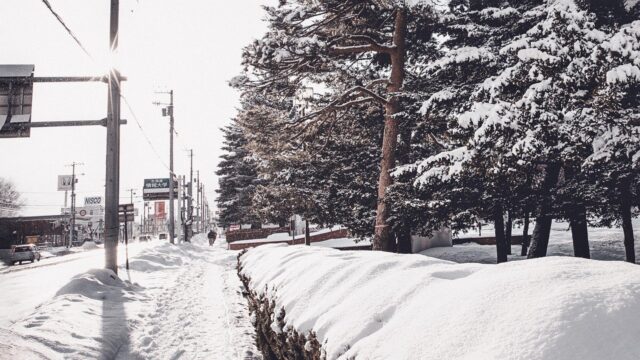
If you choose to do this road trip between late November and April, you are in for a visually stunning experience, but you must also be prepared for extreme winter driving conditions. The Do-O Expressway transforms into a corridor of white, and the rules of the road change significantly.
Winter driving in Hokkaido is not to be taken lightly. It requires specific preparation, a change in driving habits, and an understanding of the unique hazards presented by heavy snow and ice.
Mandatory Winter Tires and Equipment
First and foremost, you absolutely cannot drive in Hokkaido during the winter without studless snow tires. Fortunately, every major rental car agency in Hokkaido will equip their vehicles with snow tires as standard during the winter months, but it is always your responsibility to double-check this before driving off the lot. You do not need tire chains for driving on the Do-O Expressway, as the snow tires are sufficient and chains can damage the road surface. However, you should ensure your rental car comes with a snow brush and an ice scraper, which are essential for clearing your vehicle in the mornings.
You should also request a 4WD (four-wheel drive) or AWD (all-wheel drive) vehicle when booking your rental car. While a 2WD car with snow tires can manage the plowed expressway, a 4WD vehicle provides significantly better traction and stability, especially when navigating unplowed local roads or hotel parking lots off the highway. Always keep your gas tank as full as possible during the winter; if the expressway is closed due to a blizzard and you are stuck in traffic for hours, you will need the engine running to power the heater.
Navigating Whiteouts and Icy Roads
Driving on the Do-O Expressway in the winter requires intense concentration. The speed limit is typically reduced, and you should always adhere to the electronic signs indicating the safe speed. The biggest danger is not necessarily the snow itself, but “black ice”—a thin, nearly invisible layer of ice that forms on the road surface, particularly on bridges and near tunnel entrances. If you hit black ice, your car can lose traction instantly. The key is to drive smoothly: no sudden braking, no sharp steering, and no rapid acceleration.
Another major hazard is a “whiteout,” which occurs when strong winds blow loose snow across the road, completely obliterating your visibility. It can feel like driving inside a ping-pong ball. If you encounter a whiteout, slow down immediately, turn on your hazard lights, and use the red and white arrows suspended above the road (called “snow poles” or “yabane”) to guide you and show you where the edge of the road is. If visibility drops to zero, do not stop in the middle of the driving lane; carefully pull over to the shoulder or wait out the storm at the nearest Parking Area (PA) or Service Area (SA). For more information on winter driving, you can review our guide on Snow Tires vs. Chains: A Guide to Winter Car Rentals in Japan.
Essential Preparation and Rental Car Tips
A successful road trip in Hokkaido requires a bit more planning than renting a car in Tokyo. The distances are vast, the environment is rural, and the infrastructure is designed around the harsh winters.
Taking the time to prepare correctly will ensure you spend your time enjoying the stunning landscapes of Daisetsuzan National Park rather than stressing over logistics.
Choosing the Right Rental Car
When booking a rental car for Hokkaido, size and capability matter. If you are traveling with a family and luggage, do not rent a compact “Kei” car. While they are cheap and great for city driving, their small engines will struggle on long highway inclines, and they offer very little protection in the event of an accident with wildlife. Opt for a standard sedan, an SUV, or a minivan. An SUV is highly recommended year-round because the higher seating position gives you better visibility to spot deer on the roadside, and the robust suspension handles rural roads better.
Make sure you book your rental car well in advance, especially if you need specific equipment like an ETC card, the Hokkaido Expressway Pass, or a 4WD vehicle. English-speaking GPS units are widely available, but it is highly recommended to also use Google Maps on your smartphone via a reliable eSIM or portable Wi-Fi device, as Google Maps often has more up-to-date traffic and road closure information. When you pick up the car, ask the staff to show you how to open the gas tank, how to use the ETC reader, and how to operate the heating and defrosting systems.
What to Pack for the Drive
Because of the long distances between facilities, your car needs to be stocked with essentials. Always carry a small supply of water and non-perishable snacks in the car. If you break down or get stuck in traffic due to an accident or a snowstorm, you might be waiting a while for assistance.
- Sunglasses: The glare from the snow in winter or the bright summer sun on the long, straight roads can cause severe eye fatigue.
- A Trash Bag: Japanese rest stops have strict garbage sorting rules, and there are very few public trash cans outside of SAs and PAs.
- A Portable Phone Charger: Cold weather drains smartphone batteries rapidly, and you rely on your phone for navigation and emergencies.
- Warm Layers: Even in summer, evenings in Hokkaido can be chilly, and in winter, you need heavy coats in case you have to wait outside for a tow truck.
Finally, ensure you have the emergency contact number for your rental car agency saved in your phone, and know how to call the police (110) or an ambulance (119) in Japan. Being prepared for the unexpected is the best way to ensure peace of mind.
Conclusion
A road trip through Central Hokkaido via the Do-O Expressway is an adventure that offers some of the most breathtaking scenery in all of Japan. The wide-open spaces, the dramatic mountain ranges, and the sheer scale of the island make for a driving experience that is entirely unique. By understanding how to utilize the Hokkaido Expressway Pass, you can save a significant amount of money and travel efficiently between major hubs like Sapporo and Asahikawa. The Service Areas along the route, particularly the impressive Sunagawa Highway Oasis, provide fantastic opportunities to sample world-class Hokkaido dairy, sweets, and regional cuisine, elevating your rest stops from mere necessities to highlights of the trip.
However, driving here demands respect for the environment. Whether you are keeping a vigilant eye out for Ezo deer in the summer or navigating icy roads and whiteouts in the winter, safety and preparation must always come first. Renting the appropriate vehicle, keeping your fuel tank full, and utilizing the excellent facilities at the SAs and PAs will ensure your journey is smooth. With the right planning, the Do-O Expressway will serve as your gateway to the wild, beautiful heart of Hokkaido, providing a road trip you will remember for a lifetime.