The Ultimate Golden Route Road Trip: Tokyo to Kyoto by Car
The “Golden Route” between Tokyo and Kyoto is the undisputed classic Japanese itinerary, traversed by millions of foreign tourists every year. Traditionally, this highly efficient, well-worn path is conquered via the lightning-fast Shinkansen (bullet train), completely bypassing the vast stretches of land between the megacities in a blur of motion. However, choosing to drive this iconic route instead of taking the train fundamentally changes the entire nature of the journey, transforming a sterile, high-speed transit into a deeply immersive, multi-day exploration of central Japan’s incredible geographical and cultural diversity. A road trip allows you to break free from rigid railway schedules, discover hidden rural towns, access remote mountain passes, and experience the journey on your own entirely dictated terms. This comprehensive guide outlines the ultimate strategy for driving the Golden Route, detailing the best stops, essential logistical considerations, and the unparalleled freedom that comes with having your own wheels.
Planning the Route: Tomei vs. Chuo Expressways
When driving from Tokyo to Kyoto, you immediately face a critical, fundamental choice: which major expressway to take. Unlike the bullet train, which follows a single, straight path along the coast, the Japanese highway system offers two distinct, parallel arteries connecting the Kanto and Kansai regions. These are the coastal Tomei Expressway and the inland Chuo Expressway. Understanding the profound differences between these two routes is absolutely essential for planning an itinerary that aligns with your specific travel goals and driving preferences.
The Tomei Expressway (The Coastal Path)
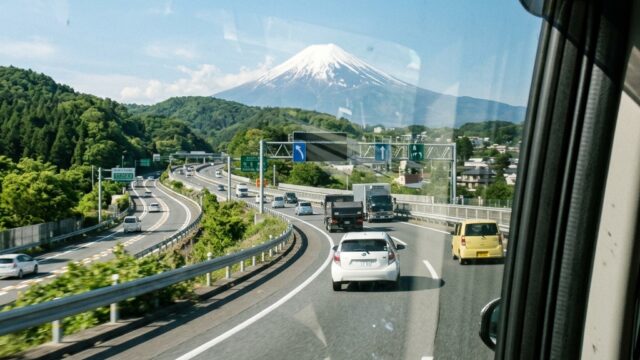
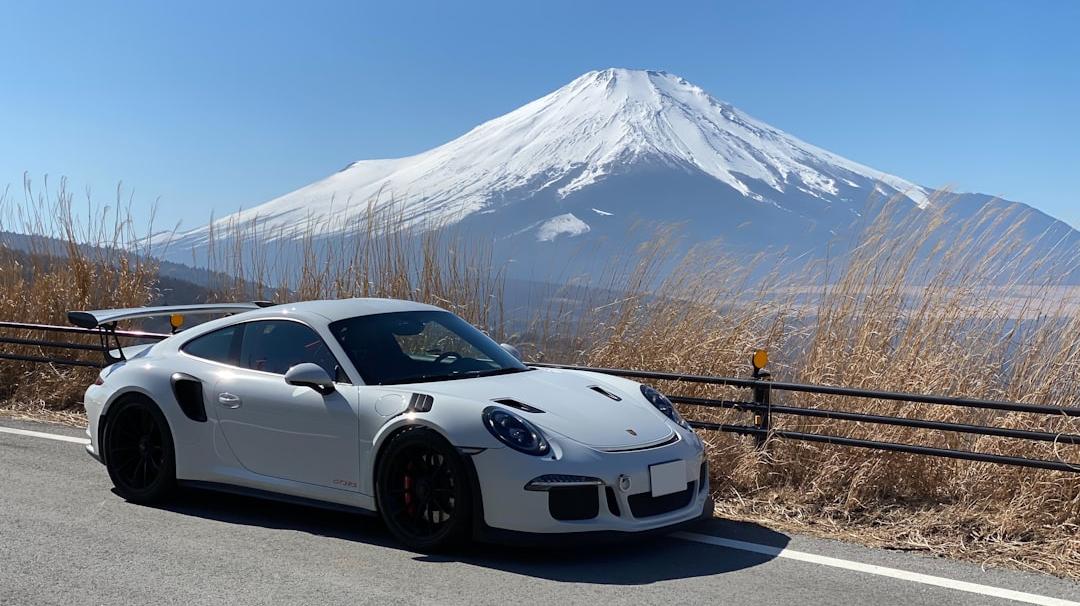
The Tomei Expressway is the absolute primary, oldest, and most heavily utilized highway connecting Tokyo, Nagoya, and ultimately Kyoto/Osaka. This historic route generally hugs the Pacific coastline, passing directly through the massive, sprawling industrial heartlands of Shizuoka and Aichi prefectures. The absolute primary draw of the Tomei for international road trippers is its unparalleled, highly consistent views of Mount Fuji. If the weather is clear, driving this specific route provides hours of spectacular, completely unobstructed vistas of the iconic, snow-capped volcano looming massive on the right side of your vehicle as you head west. It is a highly defining visual experience of driving in Japan, often serving as the absolute highlight of the entire trip.
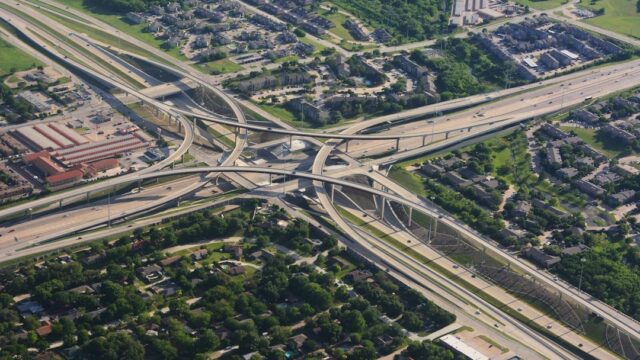
However, because the Tomei is the absolute primary economic artery of the country, it is perpetually crowded with massive fleets of heavy commercial long-haul trucks and aggressive, fast-moving commuter traffic. The pace is incredibly fast, and the driving requires constant, intense vigilance and confidence. Furthermore, this specific route is highly susceptible to severe, hours-long traffic jams, particularly during weekends, national holidays, and whenever a minor accident occurs, as there are very few viable alternative local roads to easily detour onto. Despite the often heavy traffic, the Tomei boasts some of the absolute best, most highly developed Service Areas (SA) in the entire country, featuring massive, diverse food courts, high-end regional souvenir shops, and even massive public onsen (hot springs) directly accessible from the parking lot, allowing you to soak while overlooking the ocean. It is the definitive route of choice if your absolute priority is seeing Mount Fuji and experiencing the sheer, hyper-efficient scale of modern Japanese infrastructure.
The Chuo Expressway (The Alpine Route)
For those who prefer dramatic mountain scenery and a slightly less frantic driving pace, the inland Chuo Expressway provides a spectacular alternative. Instead of following the flat, heavily industrialized coast, the Chuo cuts directly westward through the towering, rugged peaks of the Japanese Alps in Yamanashi and Nagano prefectures before dropping south toward Nagoya and Kyoto. The scenery on this route is incredibly dramatic, defined by deep, forested river valleys, sweeping mountain passes, and high-altitude lakes.
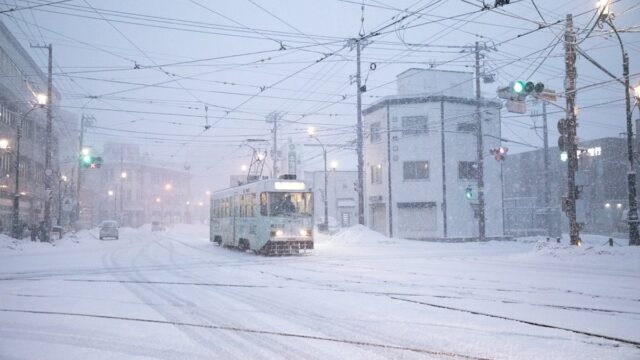
While the Chuo Expressway also offers excellent, albeit more distant, views of Mount Fuji (particularly around the Kawaguchiko area), its true appeal lies in its access to historical, alpine destinations. It provides incredibly easy access to the beautifully preserved post towns of the ancient Nakasendo trail, such as Tsumago and Magome, as well as the historic castle city of Matsumoto. The driving experience is generally characterized by less commercial truck traffic, but it requires navigating significantly more winding curves, steep gradients, and numerous long, dark tunnels cutting through the mountain ranges. In the winter months, the Chuo is highly prone to sudden, severe snowstorms and strict tire chain regulations, making it a more challenging proposition for inexperienced winter drivers. Ultimately, the Chuo is the superior choice for travelers seeking a deeper connection with traditional, rural Japan and dramatic alpine landscapes over coastal efficiency.
- The CEP (Central Expressway Pass): If you choose the Chuo Expressway route and plan to explore the surrounding alpine regions extensively, look into the CEP, which offers unlimited travel in the central area for a fixed daily rate.
- One-Way Drop Fees: Renting a car in Tokyo and returning it in Kyoto incurs a massive “drop-off fee,” often exceeding 30,000 JPY. You must factor this heavy surcharge into your road trip budget.
- ETC is Mandatory: Do not attempt this massive journey paying tolls in cash. A registered ETC card is absolutely mandatory for receiving weekend discounts and utilizing efficient Smart Interchanges along the route.
- Traffic Prediction: Always check the real-time traffic maps provided by NEXCO before departing in the morning. The Tomei can back up for 30 kilometers on a Sunday afternoon.
Essential Detours in the Shadow of Fuji
Regardless of whether you choose the coastal Tomei or the inland Chuo Expressway, the massive, imposing presence of Mount Fuji dominates the first half of the Golden Route journey. The true luxury of having a rental car is the ability to easily exit the massive expressways and deeply explore the spectacular lakes, rural villages, and winding mountain roads that surround the base of the volcano, areas that are often incredibly difficult and time-consuming to reach via the local bus networks.
Exploring the Fuji Five Lakes
If you have carefully chosen the inland Chuo Expressway, taking the Kawaguchiko exit is an absolute imperative for your journey. This massive exit deposits you directly into the heart of the Fuji Five Lakes region, a stunning, highly diverse collection of deep alpine lakes nestled directly at the northern, forested base of the volcano. While Lake Kawaguchiko is by far the most developed and internationally famous, offering incredible, perfectly symmetrical reflections of Fuji on calm, windless days, having a rental car allows you to easily and completely escape the dense, overwhelming tourist crowds tightly gathered around the main train station and the primary ropeway.
With your own vehicle, you can freely drive the narrow, incredibly winding roads around the pristine perimeter of the significantly less-visited lakes, such as Lake Saiko or Lake Shojiko, where the atmosphere is remarkably quiet, serene, and deeply rural. Here, you can easily access spectacular, completely hidden viewpoints completely devoid of massive tour buses, allowing for uninterrupted, highly creative photography. Furthermore, a car provides incredibly easy, direct access to the dense, highly atmospheric Aokigahara Forest (the famous Sea of Trees) and its fascinating, freezing subterranean ice caves, as well as the highly authentic, meticulously recreated traditional thatched-roof village of Iyashi no Sato. Without a private vehicle, navigating between these distinct, geographically spread-out locations relies entirely on an infrequent, often highly confusing local bus schedule that severely limits how much you can physically accomplish in a single day. A car completely transforms a highly stressful, rushed day trip into a deeply relaxed, comprehensive exploration of the entire northern Fuji region, allowing you to discover secluded cafes and hidden shrines entirely at your own pace.
The Izu Peninsula (A Coastal Escape)
If you have deliberately opted for the coastal Tomei Expressway, taking a dedicated detour south onto the incredibly rugged Izu Peninsula offers an incredible, highly refreshing contrast to the heavily industrialized, densely populated mainland. The Izu Peninsula is essentially a massive, highly active volcanic playground jutting dramatically out into the deep Pacific Ocean, characterized by sheer, plunging cliffs, deeply hidden coves, and some of the absolute highest-quality, most historic onsen (hot springs) in all of central Japan. It is a region heavily defined by its raw, untouched natural beauty.
Driving the incredibly scenic eastern coastal road (Route 135) provides spectacular, sweeping ocean views at every turn, while the twisting, heavily forested mountain roads of the deep interior lead directly to spectacular, massive waterfalls (such as the highly famous Kawazu Seven Waterfalls) and incredibly historic, deeply atmospheric ryokan (traditional inns) hidden deep in the isolated valleys. The wild western coast of the peninsula offers arguably the absolute most spectacular, highly sought-after sunset views in the entire country, with the massive, imposing silhouette of Mount Fuji clearly visible across the deep, dark waters of Suruga Bay. The public transportation network on the massive Izu Peninsula is notoriously slow, heavily disjointed, and highly inconvenient, making a rental car the absolute, undeniable key to fully unlocking its rugged, hidden beauty. Spending a quiet night at an isolated, luxurious coastal ryokan here, falling asleep to the rhythmic sound of crashing waves, is the absolute perfect, highly necessary antidote to the frantic, overwhelming energy of Tokyo before continuing your long, demanding journey west toward the ancient temples of Kyoto.
Navigating the Historical Heartland
As you leave the dominant sphere of Mount Fuji behind and push further west into the central prefectures of Aichi, Gifu, and Shiga, the focus of the road trip shifts significantly from dramatic natural landscapes to deep, rich samurai history. This vast central region was the primary battleground where the fate of modern Japan was fiercely decided centuries ago, and a rental car allows you to easily access the incredibly preserved castles, ancient trails, and historic battlefields that shaped the nation.
The Ancient Nakasendo Trail
If you are traveling via the incredibly scenic inland Chuo Expressway, you have the incredible, highly unique opportunity to intercept the Nakasendo, one of the absolute primary, highly regulated historical walking routes that connected Edo (Tokyo) to Kyoto during the strict feudal era. While hiking the entire massive trail takes weeks of dedicated effort, driving allows you to easily, efficiently visit the incredibly preserved “post towns” (juku) where weary foot travelers, merchants, and powerful samurai lords once rested for the night. The most internationally famous and visually stunning of these historic towns are Tsumago and Magome, located deep in the rugged, heavily forested Kiso Valley.
These specific towns have painstakingly, meticulously preserved their traditional Edo-period wooden architecture, completely and strictly banning modern overhead power lines, neon advertising signs, and highly modern construction techniques along the main historic thoroughfares. Walking down the sloping, perfectly laid cobblestone streets lined with dark wooden ryokan inns and traditional craft shops feels exactly like stepping directly onto a carefully curated, incredibly immersive movie set. While the towns themselves are strictly pedestrian-only during the day to preserve the atmosphere, massive, highly convenient parking lots are located at the immediate entrances for visitors. Driving between these incredibly historic towns, rather than relying on the very limited, infrequent local train and bus connections, allows you to arrive very early in the morning, long before the massive, slow-moving tour groups descend from the cities, granting you the incredibly rare opportunity to experience the deep, quiet, profound atmosphere of ancient Japan in near total isolation.
The Castles of Nagoya and Hikone
Regardless of your chosen expressway route, you will eventually and inevitably funnel toward the massive, heavily industrialized hub of Nagoya. While frequently bypassed by foreign tourists rushing through on the Shinkansen, Nagoya holds massive, undeniable historical significance for the country. Nagoya Castle, while largely a massive modern concrete reconstruction internally due to wartime bombing, remains an incredibly imposing, visually stunning structure from the outside, highly famous for the massive, solid gold *shachihoko* (mythical tiger-fish) proudly adorning its towering, multi-tiered roof. It is a powerful symbol of the city’s historical wealth and strategic importance.
However, the absolute true historical gem of this central region lies slightly further west, beautifully situated on the eastern shores of the massive Lake Biwa. Hikone Castle is an incredible rarity; it is one of only twelve castles in all of Japan that has miraculously retained its original, highly authentic wooden keep, having somehow survived centuries of brutal feudal warfare, devastating fires, and aggressive modern modernization efforts. The incredibly steep, highly defensive wooden stairs inside the ancient keep offer a visceral, incredibly physical understanding of harsh feudal military architecture and samurai defense strategies. The vast castle grounds are completely spectacular, particularly during the brief, incredibly intense cherry blossom season in early April, when the moat is entirely surrounded by pink blossoms. Having a rental car allows you to easily bypass the massive, often highly congested urban sprawl of central Nagoya if you wish, driving directly to these specific, historic sites entirely at your own pace, and seamlessly integrating them into your journey before making the final, highly anticipated, triumphant approach into the ancient capital of Kyoto. It elevates the final leg of the journey significantly.
| Route Choice | Primary Highway | Key Visual Highlight | Driving Challenge |
|---|---|---|---|
| The Coastal Route | Tomei Expressway | Close, consistent views of Mt. Fuji. | Heavy commercial trucks; severe weekend traffic jams. |
| The Alpine Route | Chuo Expressway | Japanese Alps; Kiso Valley. | Winding mountain passes; strict winter chain regulations. |
| The Izu Detour | Route 135 / Izu Skyline | Rugged coastlines; ocean sunsets. | Extremely steep, narrow coastal roads. |
| The Fuji Detour | Route 139 | Fuji Five Lakes; Aokigahara Forest. | Heavy tourist traffic near major lake viewpoints. |
Conclusion
Driving the iconic Golden Route from Tokyo to Kyoto is a massive, incredibly rewarding undertaking that fundamentally alters your entire perspective of Japan and its diverse geography. It allows you to transition seamlessly from the blinding, hyper-modern neon canyons of Shinjuku to the quiet, highly atmospheric misty cedar forests of the ancient Nakasendo trail, and finally to the quiet, deeply traditional Zen temples of Kyoto, entirely under your own power and strictly on your own personal schedule. It explicitly forces you to engage directly with the massive, often ignored physical reality of the country that exists in the vast spaces between the major Shinkansen stations, revealing a highly complex landscape heavily defined by incredibly rugged coastlines, towering active volcanoes, and enduring, meticulous historical preservation.
However, executing this ultimate freedom requires highly significant logistical planning and a highly realistic, generous travel budget. You must carefully weigh the massive financial cost of the mandatory one-way drop-off fee, physically and mentally prepare for the intense, incredibly fast-paced reality of Japanese expressway driving near the megacities, and deliberately choose a primary route—the coastal Tomei or the alpine Chuo—that directly aligns with your specific, personal travel goals. By thoroughly understanding the complex tolling system, actively utilizing the world-class Service Areas for rest and local food, and bravely venturing off the main concrete highways to explore the hidden rural gems, you elevate a simple, functional transit journey into the defining, completely unforgettable adventure of your Japanese vacation. The Shinkansen is undeniably, objectively faster, but the open road offers an absolutely unmatched depth of cultural and physical experience that cannot be replicated on a train.