Tokyo to Nagano Drive: Best Rest Stops for Skiers and Snowboarders
Every winter, thousands of international travelers land in Tokyo, rent a car, and immediately head west towards the snow-covered mountains of Nagano. The drive from the massive metropolis of Tokyo to the world-class ski resorts of Hakuba, Nozawa Onsen, and Shiga Kogen is a beautiful transition from urban density to alpine winter wonderland. Taking the expressway is the most efficient way to get there, but it also offers an incredible opportunity to experience Japan’s famous highway rest stops. These stops are perfect for grabbing a hot meal, stocking up on snacks, and taking a crucial break before navigating snowy mountain roads.
This guide will focus on the best route for skiers and snowboarders driving from Tokyo to Nagano, primarily using the Kan-Etsu Expressway and the Joshin-Etsu Expressway. We will highlight the specific Service Areas (SA) and Parking Areas (PA) that are absolute must-visits, offering the best local food and facilities to prepare you for the slopes. If you are packing up your rental car with ski gear and heading into the Japanese Alps, this practical guide will ensure your road trip is as enjoyable as the skiing itself.
The Route: Kan-Etsu and Joshin-Etsu Expressways
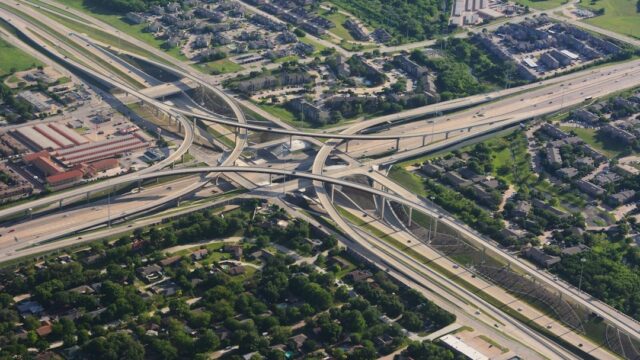
The journey from Tokyo to Nagano usually begins on the Kan-Etsu Expressway, a major artery heading north out of the capital. Once you reach the Fujioka Junction (JCT) in Gunma prefecture, you will transition onto the Joshin-Etsu Expressway, which cuts directly west through the mountains into Nagano. The total drive time can range from three to five hours depending on your exact destination and traffic, making rest stops incredibly important.
This route is famously scenic, but it is also one of the heaviest trafficked routes during the winter months. Understanding how to navigate it efficiently, including where to stop and what to expect regarding tolls, is key to a stress-free start to your ski holiday.
Managing Expressway Tolls and Weekend Traffic
Driving from Tokyo to the major Nagano ski areas is a significant distance, and the tolls reflect that. A one-way trip for a standard rental car will typically cost between 5,000 and 7,000 yen. To make this process seamless, you absolutely need an ETC (Electronic Toll Collection) card. Ensure your rental car agency provides one before you leave Tokyo. With an ETC card, you can glide through the purple toll lanes without stopping to fumble for cash or a credit card. Furthermore, the ETC system often automatically applies discounts for weekend and holiday travel, which is when most people head to the mountains.
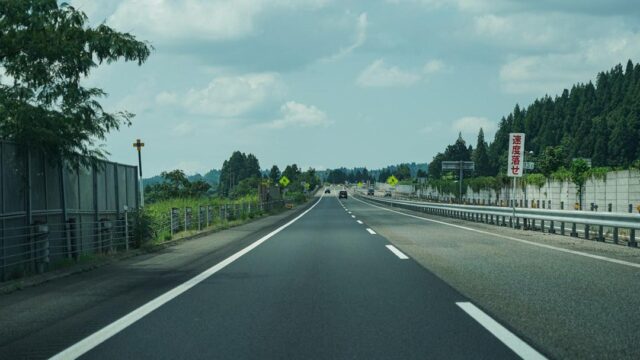
Speaking of weekends, you must be prepared for heavy traffic if you are leaving Tokyo on a Friday night or Saturday morning. The Kan-Etsu Expressway is notorious for massive traffic jams (jutai) during peak ski season. The electronic signboards above the highway will display the traffic information, usually indicating the length of the jam in kilometers (e.g., “15km渋滞”). If you hit a major traffic jam, do not try to push through for hours without a break. This is precisely when the Japanese Service Areas shine. Pulling into an SA to wait out the worst of the traffic with a hot bowl of ramen is a common and highly recommended strategy for Tokyo locals and tourists alike.
Preparing Your Rental Car for the Mountains
Before you even get onto the expressway, your rental car needs to be ready for the conditions you will face in Nagano. The golden rule for driving to Nagano in the winter is that you must have studless snow tires. Standard summer tires or “all-season” tires are incredibly dangerous and often illegal on the snowy mountain roads leading to the resorts. Ensure that your rental contract explicitly states that the car is equipped with winter tires. If you are renting in Tokyo, agencies do not always provide them by default, so you must request them in advance. For a deeper understanding of winter preparation, see our article on Snow Tires vs. Chains: A Guide to Winter Car Rentals in Japan.
In addition to tires, consider the size of the vehicle. If you are bringing your own skis or snowboards, you will need an SUV, a minivan, or a car with a roof rack. Trying to cram four adults and their winter gear into a compact car for a four-hour drive is a recipe for a miserable trip. Make sure the car has a functional ice scraper and snow brush; you will need them every morning in Nagano. Finally, keep your gas tank topped up. If there is an accident or heavy snow causes the expressway to close, you do not want to be stuck idling without enough fuel to keep the heater running.
Must-Visit Stop 1: Miyoshi PA (Outbound)
Shortly after getting onto the Kan-Etsu Expressway from Tokyo, you will encounter Miyoshi PA. While it is technically classified as a Parking Area (PA) rather than a larger Service Area (SA), Miyoshi is exceptionally well-equipped and serves as the perfect first stop to gather your bearings and grab breakfast.
Because it is so close to Tokyo, it acts as a staging ground. It is where you double-check your gear, grab a coffee, and get into the road trip mindset before the real driving begins.
The Perfect Breakfast and Coffee Stop
Miyoshi PA has been recently renovated and features a modern, clean, and very welcoming atmosphere. Unlike the massive, bustling SAs further down the road, Miyoshi feels a bit more curated and manageable. If you are leaving Tokyo early in the morning to beat the ski traffic, this is the best place to stop for a proper breakfast. The food court here opens early, and they serve excellent traditional Japanese breakfast sets, which usually include grilled fish, rice, miso soup, and natto. It is a hearty, warming meal that provides great energy for a day on the slopes.
If you prefer a Western-style start, there is an excellent bakery section offering freshly baked breads, savory pastries, and high-quality coffee. Grabbing a hot coffee and a curry bread (kare pan) for the road is a popular choice. The PA also features a small convenience store where you can stock up on bottled water, energy drinks, and Japanese road trip snacks like Pocky or rice crackers. Because it is located before the major traffic bottlenecks usually occur, stopping here allows you to fuel up your body before potentially sitting in stop-and-go traffic further north.
Local Saitama Souvenirs and Atmosphere
Even though you are just barely out of Tokyo, Miyoshi PA is located in Saitama Prefecture, and the souvenir shop reflects this. It is a great opportunity to browse regional snacks that you might not find in the city center. Saitama is known for its sweet potatoes (satsumaimo), and you will find numerous snacks and sweets featuring this ingredient. A hot, freshly roasted sweet potato is an incredible snack to eat in the car on a cold winter morning.
The atmosphere at Miyoshi PA is generally very relaxed, catering heavily to families and groups starting their weekend getaways. The restrooms are immaculate—a hallmark of Japanese highway facilities—and feature heated toilet seats, which you will deeply appreciate during the winter months. There is also a small outdoor area where you can stretch your legs. Overall, Miyoshi PA provides a gentle, high-quality introduction to the Japanese expressway rest stop culture before you tackle the more intense driving ahead.
Must-Visit Stop 2: Yokokawa SA (Outbound)
As you transition onto the Joshin-Etsu Expressway and begin the climb into the mountains, you absolutely must stop at Yokokawa SA in Gunma Prefecture. This Service Area is famous nationwide and is considered a destination in itself.
Yokokawa SA is deeply tied to the history of the local railway and offers one of the most famous and unique food experiences you can have on any Japanese highway.
The Legendary Toge no Kamameshi
The primary reason to stop at Yokokawa SA is to eat “Toge no Kamameshi.” This is a famous type of ekiben (railway bento box) that originated in the town of Yokokawa. The meal consists of rice cooked with soy sauce and dashi broth, topped with chicken, bamboo shoots, shiitake mushrooms, quail eggs, and chestnuts. What makes it truly special is that it is served in a heavy, authentic Mashiko clay pot, which you are allowed to keep and take home as a souvenir.
The Service Area itself is themed around the old Shin-Etsu Main Line railway that used to run through this mountainous pass before the Shinkansen (bullet train) was built. In fact, a real, decommissioned train carriage is permanently parked inside the food court area, and you can actually eat your Kamameshi sitting inside the vintage train car. It is an incredibly nostalgic and fun experience. The Kamameshi is warming, deeply flavorful, and the perfect comforting meal as you head into the snowy high country. They sell thousands of these pots every day, so the food is always fresh and hot.
Sweets and Gunma Specialties
Beyond the famous Kamameshi, Yokokawa SA offers a fantastic array of local Gunma specialties. Gunma is famous for its konjac (konnyaku), a gelatinous food made from a root vegetable that is very healthy and filling. You can find konjac prepared in dozens of ways here, from savory stews to sweet, fruit-flavored jellies. They make excellent, lightweight snacks to keep in the car for when you need a quick energy boost on the ski slopes.
The Service Area also features a large, beautifully designed garden area. While it might be covered in snow during your ski trip, it still provides a serene backdrop for a break. If you have a sweet tooth, look for the local Gunma dairy products, particularly the rich soft-serve ice cream or the locally produced yogurts. The facilities at Yokokawa SA are massive, ensuring that even on a busy Saturday morning, you won’t have to wait long to use the pristine restrooms or grab a coffee before continuing the final, steepest leg of your drive into Nagano.
Must-Visit Stop 3: Matsushiro PA (Outbound)
After passing through the long tunnels of the Joshin-Etsu Expressway and finally entering Nagano Prefecture, the landscape opens up. As you get closer to Nagano City and the major ski resort turn-offs, Matsushiro PA is your final essential stop.
This Parking Area is the perfect place to make your last preparations before leaving the highway, ensuring you have everything you need before heading into the deep snow of the resort towns.
Shinshu Soba and Local Nagano Apples
Nagano Prefecture (historically known as Shinshu) is famous across Japan for two things above all else: soba (buckwheat noodles) and apples. Matsushiro PA is the perfect place to sample both. The food court here serves excellent Shinshu Soba. Because the climate in Nagano is perfect for growing buckwheat, the noodles here have a stronger, more distinct flavor than you might find in Tokyo. Eating a bowl of hot tempura soba while looking at the snow-capped peaks in the distance is a quintessential Nagano experience.
In the souvenir shop, you will find an overwhelming variety of apple products. From fresh, massive Fuji apples (depending on the exact season) to apple juices, apple pies, and apple-flavored cookies, the selection is fantastic. Grabbing a few bottles of 100% local Nagano apple juice is highly recommended. It is incredibly refreshing and much higher quality than standard supermarket juice. These local items also make excellent gifts to bring back to your friends or colleagues if you are traveling with a group.
Final Rest and Weather Checks
Matsushiro PA is strategically located just before the major interchanges where drivers split off toward Hakuba, Nozawa Onsen, or Shiga Kogen. Therefore, it is the crucial point to do a final check of the weather and road conditions.
- Check the Electronic Boards: Look for any notices regarding local road closures due to avalanches or heavy snowfall.
- Use the Restroom: Once you leave the expressway, public restrooms become much harder to find on the mountain roads.
- Clear Your Car: If it has been snowing while you drove, take a moment to brush any accumulated snow off your headlights and roof before tackling the winding local roads.
- Confirm Navigation: Ensure your GPS is set to your exact hotel, as finding addresses in snowy resort towns at night can be very difficult.
Taking a ten-minute break at Matsushiro PA to ensure everything is in order will make the final, often challenging drive up to the ski resort much safer and less stressful.
Winter Driving and Safety in Nagano
Driving in Nagano during the winter is a completely different experience from driving in Tokyo. The expressways are incredibly well-maintained by fleets of snowplows, but the weather can change rapidly, and the conditions demand respect.
Understanding how to handle your rental car in heavy snow and freezing temperatures is vital for your safety and the safety of others on the road.
Dealing with Chain Regulations
Even if your rental car has the mandatory studless snow tires, there are times when the snowfall is so severe that the highway authority implements “Chain Restrictions” (チェーン規制). During a strict chain restriction, even vehicles with snow tires may be required to put on physical tire chains to proceed on certain steep sections of the Joshin-Etsu Expressway.
If this happens, you will be directed by officials to pull into a designated chain-fitting area (usually a large SA or a specific pull-off point). If you do not have chains, you will not be allowed to continue until the restriction is lifted. However, if you are driving a 4WD or AWD vehicle with high-quality snow tires, you are often exempt from standard chain restrictions, which is why renting a 4WD vehicle is so highly recommended for ski trips. If you are ever unsure, pull into a Service Area and ask the staff or check the information desk. They can provide the most current updates on which sections of the road require chains.
Driving on Icy Mountain Roads
The most dangerous condition you will face is not deep snow, but ice. As you exit the expressway and begin the climb to resorts like Shiga Kogen or Hakuba, the roads will become winding and steep. During the day, the snow may melt slightly, only to freeze into a solid sheet of “black ice” as soon as the sun goes down.
When driving on these icy local roads, your mantra should be “smooth and steady.” Do not make sudden steering movements, do not slam on the brakes, and do not accelerate aggressively. Increase the distance between you and the car in front of you significantly. If you start to slide, do not panic and slam the brakes; instead, steer gently into the skid and let off the accelerator. Rely on engine braking (shifting into a lower gear) to slow down on steep descents rather than riding your brake pedal. If the conditions feel too dangerous, pull over safely and wait, or call your accommodation for advice.
Conclusion
The drive from Tokyo to the ski resorts of Nagano is a spectacular journey that bridges the gap between Japan’s urban center and its wild, snowy mountains. By utilizing the Kan-Etsu and Joshin-Etsu Expressways, you can make the trip efficiently, but it is the Service Areas and Parking Areas along the way that truly elevate the experience. Starting your morning with a proper breakfast at Miyoshi PA, indulging in the famous Kamameshi inside a vintage train car at Yokokawa SA, and sampling local apple juice at Matsushiro PA turns a standard road trip into a cultural and culinary adventure.
However, the beauty of the Nagano winter comes with serious driving responsibilities. Ensuring your rental car is equipped with studless snow tires, ideally with 4WD, is non-negotiable. You must remain vigilant of the weather, prepared for traffic jams during peak weekends, and cautious of icy mountain roads once you leave the highway. By planning your stops, driving smoothly, and utilizing the excellent facilities provided by the Japanese expressway system, your road trip will be safe, comfortable, and the perfect start to an incredible skiing holiday in the Japanese Alps.