Tokyo to Osaka by Car: Best Highway Route, SA Stops, Tolls & Driving Tips
Driving from Tokyo to Osaka offers a unique perspective on Japan, allowing you to see the country beyond the popular Shinkansen route. You can set your own schedule, explore sights along the way, and experience a unique part of Japan’s driving culture: its excellent highway rest stops.
But hitting the expressways in a foreign country can be intimidating. Which route is best? How much are the tolls? And what exactly is an “SA/PA”?
This guide provides all the essential information you need for a smooth and enjoyable drive between Japan’s two largest cities.
Choosing Your Route: Shin-Tomei vs. Tomei Expressway
When you plug “Osaka” into your GPS from Tokyo, you’ll see two main options for most of the journey: the Tomei Expressway and the Shin-Tomei Expressway. They run roughly parallel to each other but offer very different driving experiences. Think of it as choosing between the scenic, classic route and the modern, efficient one.
The Shin-Tomei Expressway: Faster, Straighter, and Modern
If your main goal is to get to Osaka efficiently and with the least amount of stress, the Shin-Tomei Expressway is your best bet. Opened in sections starting from 2012, it’s newer, wider, and straighter than its older counterpart. The lanes are more spacious, the curves are gentler, and a long stretch between Gotemba JCT and Hamamatsu-Inasa JCT even has a speed limit of 120 km/h (about 75 mph), which is the fastest you can legally drive in Japan. This makes for a much more relaxed driving experience, especially if you’re not used to Japan’s “keep left” system.
The service areas, branded as “NEOPASA,” are modern and well-equipped. They’re bright, clean, and designed with today’s travelers in mind. You’ll find stylish food courts with a huge variety of options, immaculate restrooms, and spacious parking lots. The downside? The route is mostly inland, so you won’t get those classic ocean or Mt. Fuji views. It’s also a popular route for long-haul trucks, so expect to share the road with many professional drivers. It’s the practical choice for a comfortable, straightforward drive.
The Tomei Expressway: The Classic Route with Great Mt. Fuji Views
For those with a bit more time and a desire for iconic scenery, the original Tomei Expressway is a fantastic choice. This is the classic artery connecting Tokyo and Nagoya, and it hugs the Pacific coastline for long stretches. This means you’ll be treated to some great views of the ocean and, on a clear day, postcard-perfect shots of Mt. Fuji. Key photo opportunities like the Fuji River bridge (between Fuji IC and Shimizu JCT) are famous among Japanese drivers for their stunning backdrop of the mountain.
The Service Areas (SAs) on the Tomei are older, but many have been beautifully renovated. They have a certain classic charm and often feature more local, traditional food stalls. The road itself is a bit more challenging than the Shin-Tomei, with tighter curves and more hills. It can also get more congested, especially around major cities. However, if cruising along the coast with Mt. Fuji in view sounds like your ideal road trip, the Tomei Expressway is the way to go. You can even mix and match, using the Tomei for the scenic parts and switching over to the Shin-Tomei to save time.
Essential Stops: Our Top 3 Service Area (SA) Picks
Japanese highway rest stops, known as Service Areas (SAs) and Parking Areas (PAs), are destinations in themselves. SAs are the larger ones, always equipped with gas stations, restaurants, and souvenir shops. PAs are smaller, often just with restrooms and vending machines, though some larger ones rival SAs. Here, you’ll find quality ramen, local delicacies, and extensive shopping. Here are three must-visit spots on your way to Osaka.
Ebina SA (Tomei Expressway): Japan’s Busiest and Most Famous Rest Stop
Think of Ebina SA as a giant food-themed department store that happens to be on a highway. It’s consistently ranked as Japan’s busiest SA, and for good reason. The food selection is extensive. You can find everything from high-end sushi and tonkatsu restaurants to a massive food court that feels like a bustling *depachika* (department store food hall).
But Ebina is most famous for its melon pan (melon bread), a sweet bun with a crispy, cookie-like crust. The “Porutogaru” bakery here is well-known and often has a line. Don’t leave without trying one. Because it’s so popular, it can get very crowded, especially on weekends. Parking can be a challenge, but the experience is worth it. Most food vendors have picture menus, and major signs are in English, making it relatively easy for international visitors to navigate. For a deeper dive, check out our Ebina SA Guide: Navigating Japan’s Busiest and Most Famous Highway Rest Stop.
NEOPASA Suruga Bay Numazu (Shin-Tomei Expressway): Ocean Views and Premium Food
If you’ve chosen the Shin-Tomei route, you have to stop at NEOPASA Suruga Bay Numazu. This SA is built on a bluff overlooking Suruga Bay, offering one of the best views from any highway in Japan. On a clear day, you can see the deep blue water of the bay and the Izu Peninsula in the distance. The entire facility is designed to maximize this view, with large windows in the food court and an outdoor observation deck complete with telescopes.
The food here focuses on the fresh seafood caught in the bay. You can get incredible *kaisen-don* (sushi bowls), grilled fish, and other local specialties. It’s a far cry from typical highway food. There’s also a section inspired by the nearby town of Numazu’s connection to a port in France, featuring a high-end bakery and cafes. It’s a perfect spot to relax, stretch your legs, and enjoy a meal with a million-dollar view.
Kariya Highway Oasis (Isewangan Expressway): A Rest Stop with a Ferris Wheel?
Yes, you read that right. As you get closer to Nagoya, just off the main route on the Isewangan Expressway, you’ll find Kariya Highway Oasis. This place redefines the concept of a rest stop. It’s more like a small entertainment complex. The main attraction is the 60-meter-tall Ferris wheel, which gives you a great view of the surrounding area, but that’s just the beginning.
This massive complex also features a natural hot spring facility (*onsen*) where you can soak your tired muscles, a farmers’ market selling fresh local produce, and a gourmet food court. It’s incredibly family-friendly, with playgrounds and wide-open spaces. It’s also famous for its deluxe restrooms. Even if you don’t have time for a full onsen experience, the *ashiyu* (foot bath) is a fantastic way to recharge before the final leg of your drive. Learn more about this incredible place in our article, Kariya Highway Oasis: The Ultimate Japanese Rest Stop Experience.
Understanding Expressway Tolls and the ETC System
Japan’s expressways are incredibly well-maintained, but they come at a cost. The toll system can seem confusing at first, but with a little preparation, it’s easy to manage. Here’s a breakdown of the costs and the essential technology that will simplify your journey: the ETC card.
How Much Does It Cost? A Toll Fee Estimate
The expressway toll from Tokyo to Osaka depends on the exact route, the time of day, and whether you use an ETC card. As a general estimate, a standard car driving from the Tokyo IC to the Suita IC (which serves Osaka) will cost around ¥11,500 to ¥14,000.
Tolls are calculated based on distance, but there are various discounts available. For example, there are often discounts for driving late at night (midnight to 4 am) or on weekends and national holidays. These discounts are typically only applied if you are using an ETC card. You can pay with cash or a credit card at the “General” (一般) lane at toll gates, but it’s slower and you’ll miss out on the savings.
Route (Tokyo IC to Suita IC) Standard Toll (Cash/Credit) Standard ETC Toll ETC Late Night Discount Tomei/Meishin Expressway ~ ¥13,830 ~ ¥11,540 ~ ¥8,100
Why You Absolutely Need an ETC Card
ETC (Electronic Toll Collection) is Japan’s automated toll payment system. When you rent a car, make sure to also rent an ETC card. It’s a small card that you insert into a reader mounted on the dashboard or windshield. You’ll hear a Japanese voice confirm the card has been inserted. With this, you can use the purple “ETC” lanes at toll gates.
There are significant benefits. First, you don’t need to stop. Just slow down to about 20 km/h (12 mph), and the barrier will lift automatically. This saves time and hassle, especially in busy urban areas. Second, as mentioned, you get access to significant discounts. The rental fee for the card is minimal (usually around ¥330 for the whole trip), and the savings on a long drive like Tokyo-Osaka will easily cover that cost. Finally, some newer highway exits, called Smart ICs (Smart Interchanges), are ETC-only. Having a card gives you more options for getting on and off the expressway. For a complete rundown, read our guide on Why You Should Always Book a Rental Car with an ETC Reader in Japan.
Key Driving Tips for Japan’s Expressways
Driving in Japan is generally safe and orderly. The roads are in excellent condition, and drivers are courteous. However, there are a few key rules and customs to be aware of to ensure a stress-free journey.
Speed Limits, Lanes, and Overtaking
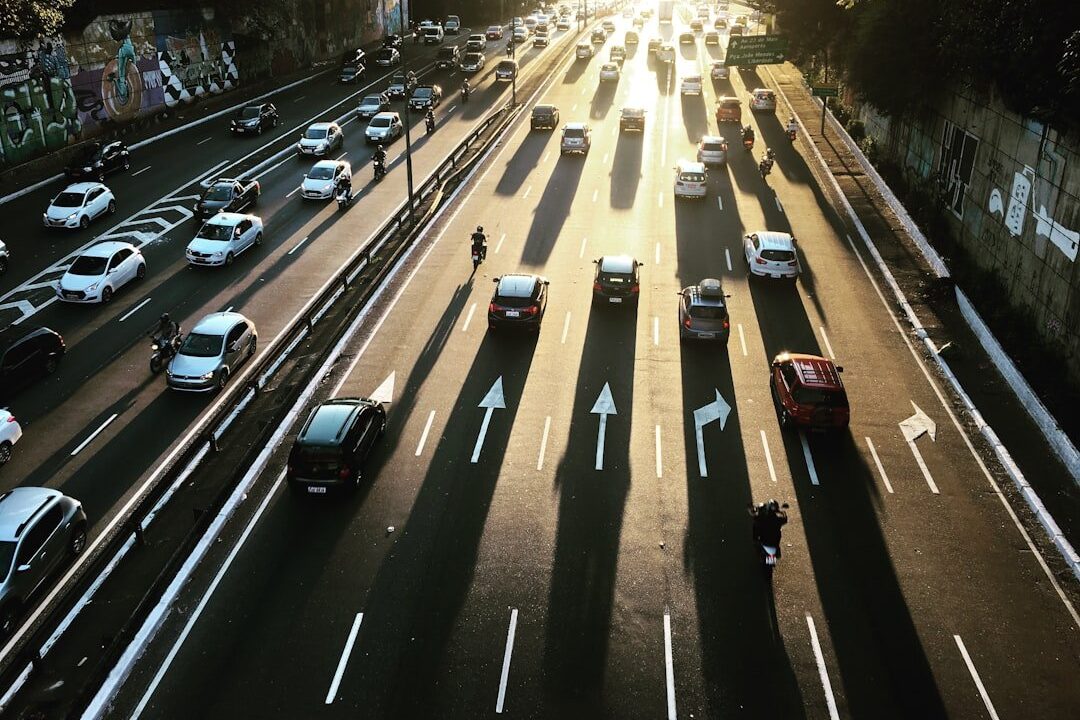
The standard speed limit on most expressways is 100 km/h (about 62 mph). As mentioned, some sections of the Shin-Tomei allow up to 120 km/h. Always pay attention to the posted digital signs, as limits can change due to weather or construction. Japan is very strict about the “keep left” rule. The left lane is the primary driving lane, regardless of your speed. The right lane is strictly for overtaking. You should only be in the right lane when you are actively passing another vehicle. Once you’ve passed, you must move back into the left lane. Lingering in the right lane is considered poor etiquette and can attract the attention of the highway patrol.
You will also see electronic signs in Japanese providing real-time traffic information. Even if you can’t read them, look for icons. A red car symbol with “渋滞” (jūtai) and a distance like “10km” means there’s a 10-kilometer traffic jam ahead. Being aware of this can help you decide whether to take a break at the next SA to wait it out. For more details, check out our article on Highway Speed Limits in Japan: What You Need to Know Before Driving.
Navigating Junctions (JCT) and Reading Signs
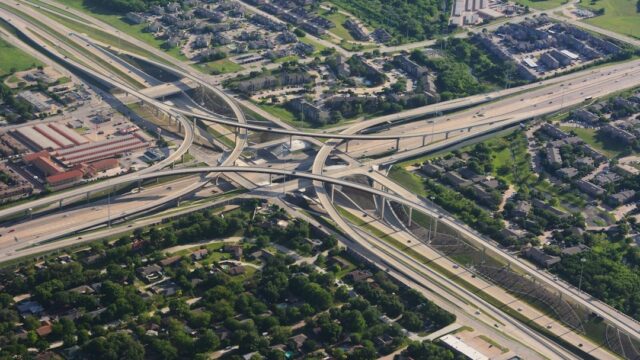
Highway interchanges, known as Junctions (JCT), can be complex, especially around major metropolitan areas like Tokyo, Nagoya, and Osaka. Your GPS will be your best friend here, but it’s crucial to also pay attention to the overhead signs. Thankfully, all major highway signs are written in both Japanese and English. They are color-coded: green signs are for expressways, and blue signs are for regular national highways.
The signs will give you plenty of warning before your exit or JCT, typically at the 2km, 1km, and 500m marks. Make sure you are in the correct lane well in advance. Last-minute, sudden lane changes are extremely dangerous. If you accidentally miss your exit, do not stop or back up. It’s incredibly unsafe. Just continue to the next exit, get off the expressway, and use your GPS to reroute. There’s often a special lane at the toll booth to explain the mistake to an attendant, but navigating this without Japanese can be tricky. It’s much safer to just re-route.
Renting a Car for Your Tokyo to Osaka Trip
Choosing the right rental car is the first step to a successful road trip. From compact city cars to family-sized vans, there’s a vehicle for every type of traveler. Here’s what to consider before you book.
Choosing the Right Vehicle
Your choice of car depends on three things: the number of people, the amount of luggage, and your budget. For one or two people with light luggage, a compact car or even a *kei* car (the smallest class of vehicle) is economical and easy to park. For a family or group with several large suitcases, a minivan or station wagon is a must. Remember that trunk space in Japanese cars can be smaller than what you’re used to.
- ETC Reader: Ensure the car is equipped with an ETC reader and rent an ETC card.
- English GPS: Confirm that the car’s navigation system can be set to English.
- Vehicle Size: Choose a car that comfortably fits your group and all your luggage.
- Fuel Efficiency: Consider a hybrid model to save on gas for this long journey. We have a detailed comparison in our article, [The Great Debate: Renting Hybrid vs. Gasoline Cars for Your Japanese Road Trip](https://en.sapa-highway.com/pros-cons-renting-hybrid-vs-gasoline-cars/).
Most major rental companies like Toyota Rent a Car, Times, and Nippon Rent-A-Car have websites in English and are accustomed to serving international customers. Booking in advance, especially during peak travel seasons, is highly recommended.
Essential Booking and Pickup Checklist
To rent a car in Japan, you’ll need your passport, your driver’s license from your home country, and an International Driving Permit (IDP). The IDP must be issued under the 1949 Geneva Convention. Be aware that some countries issue permits under different conventions, which are not valid in Japan. Double-check this before your trip.
When you book, you’ll be offered insurance options. Basic insurance is included, but it’s wise to add the Collision Damage Waiver (CDW) and Non-Operation Charge (NOC) coverage. This will minimize your financial liability in case of an accident. At pickup, thoroughly inspect the car with the staff member for any pre-existing scratches or dents and make sure they are noted on the rental agreement. Finally, confirm the type of fuel the car takes—it will usually be “Regular” (レギュラー), and you’ll be expected to return the car with a full tank of gas. Most highway SAs have gas stations, so it’s easy to fill up before you reach your destination.
Frequently Asked Questions (FAQs)
Planning a long drive in a new country naturally comes with questions. Here are quick answers to some of the most common ones.
How long does the drive take?
Without any stops and in ideal traffic conditions, the drive from central Tokyo to central Osaka takes about 6 to 7 hours. However, to truly enjoy the journey and make a few stops at the great SAs along the way, you should plan for 8 to 10 hours. Traffic can be a major factor. Avoid starting your trip on a Friday evening or a holiday morning if you can. During major Japanese holidays like Golden Week (late April/early May) and Obon (mid-August), the expressways can become extremely congested, and the drive could take much longer.
Can I pay tolls with a credit card?
Yes, you can. If you don’t have an ETC card, you’ll use the “General” lane, which is typically marked with a green sign (一般). At most toll booths, you can hand your ticket and credit card to the attendant. Some are automated, requiring you to insert the ticket first, then your credit card. Visa, Mastercard, and Amex are widely accepted. However, for convenience and discounts, we strongly recommend using an ETC card.
What about gas stations and restrooms?
You’ll never have to worry about finding a gas station or a clean restroom on the main expressways. Every Service Area (SA) has a gas station, and most are open 24/7. Parking Areas (PAs) sometimes have gas stations, but not always. It’s a good idea to fill up when your tank gets to about half-full. While shops and restaurants in SAs usually have set hours, restrooms and vending machines are always available. They are completely free and famously clean.
Conclusion
The drive from Tokyo to Osaka is one of Japan’s great road trips. It offers a unique perspective on the country, connecting the modern energy of Tokyo with the vibrant, historical soul of Osaka. While the Shinkansen is an icon of efficiency, driving allows you to embrace the journey itself. It’s about the freedom to pull over for a great view of Mt. Fuji and the fun of trying a delicious local snack at a bustling Service Area.
Good preparation is key. Choosing the right route—the fast Shin-Tomei or the scenic Tomei—sets the tone for your trip. Reserving a suitable rental car equipped with an ETC card will save you time, money, and stress at the toll gates.
More importantly, don’t treat the drive as a chore. The highway rest stops are not just for refueling and bathroom breaks; they are cultural touchstones. Try the famous melon pan at Ebina SA, savor fresh seafood with a view at NEOPASA Suruga Bay Numazu, or even ride a Ferris wheel at Kariya Highway Oasis. These experiences are as much a part of the trip as the final destination. By following these tips, your drive can be more than just getting from point A to B—it can be a highlight of your trip to Japan. So buckle up, enjoy the ride, and drive safely.