Tokyo to Hakone by Car: Best Highway Route, SA Stops & Mt. Fuji Views
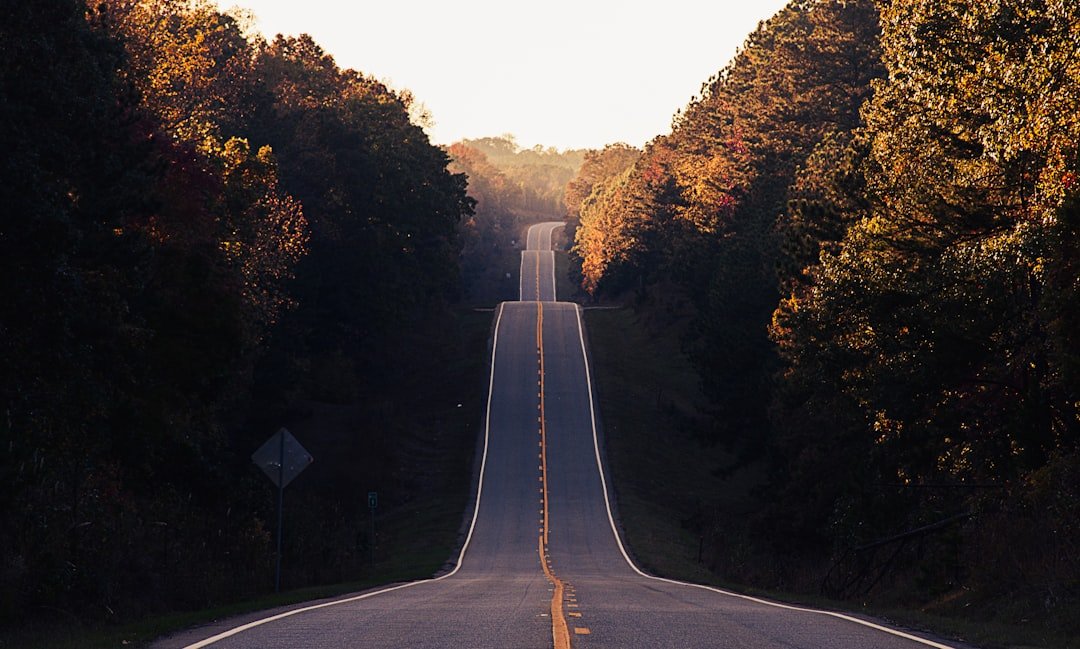
Driving from Tokyo to Hakone is more than just a trip; it’s an experience. Forget cramming onto a train. With your own rental car, you get the freedom to explore at your own pace, and more importantly, you get to experience one of Japan’s most interesting cultural touchstones: the highway Service Area, or “SA.”
This guide is for anyone renting a car in Japan and looking to make the popular journey to the hot spring town of Hakone. We’ll break down the best route, explain the essential ETC card, and show you which rest stops are destinations in their own right, packed with incredible food. And of course, we’ll point out the best spots to get that perfect, unobstructed photo of Mt. Fuji. Let’s get on the road.
Getting Started: Your Tokyo to Hakone Drive Checklist
Before you even turn the key, a little bit of prep work will make your drive from the bustling city to the serene mountains much smoother. Here’s what you need to sort out to ensure a good start to your road trip.
Renting a Car and the Essential ETC Card
When you book your rental car, make sure to request two things: a vehicle with an English-language GPS navigation system and, crucially, an ETC (Electronic Toll Collection) reader with a rental ETC card. Seriously, don’t skip the ETC card. Japanese highways are toll roads, and while you *can* pay with cash or a credit card at the toll gates, it’s a hassle. You have to find the “General” (一般) lane, wait in line, and deal with payment. With an ETC card, you just drive slowly through the purple “ETC” lane, and the toll is automatically charged. It’s seamless. Most rental car companies offer them for a small fee (around 330 yen for the rental period), and you just settle the total toll amount when you return the car. It’s one of the single best things you can do to make your driving experience in Japan easier. For more details, check out our guide on Why You Should Always Book a Rental Car with an ETC Reader in Japan.
The process is simple: the rental staff will insert the card into the reader for you, which is usually located in the glove box or near the driver’s side sun visor. You’ll hear a polite Japanese voice confirming the card is inserted. When you pass through a toll gate, it will beep and display the fee. You don’t need to do anything else. This small card is the key to stress-free highway travel, allowing you to focus on the road and the scenery instead of worrying about which lane to be in or having the right amount of cash ready.
Setting Your GPS: Which Route to Take?
Your main route will be the Tomei Expressway. From central Tokyo areas like Shinjuku or Shibuya, your GPS will likely guide you onto the elevated Shuto Expressway first, which can feel a bit like a maze. Don’t worry, just follow the navigation prompts closely. It will eventually connect you to the Tomei Expressway at the Yoga Interchange (IC). Set your destination in the GPS to your hotel in Hakone or a central point like “Hakone-Yumoto Station.” The drive itself, without heavy traffic, should take about 90 minutes to two hours. Toll fees will typically be around ¥3,000 to ¥4,000 one-way, depending on where you get on and off the expressway.
A quick tip for navigation: While the car’s built-in GPS is great, it’s also smart to have Google Maps or another app running on your phone as a backup. This can give you more up-to-the-minute traffic updates. If you see a lot of red on the map ahead, it might be a good time to think about pulling into a Service Area for a coffee break and letting the congestion clear up. Using a reliable app can also help you compare toll costs for different routes, though the Tomei is almost always the most direct path to Hakone.
The Main Route: Navigating the Tomei Expressway
The Tomei Expressway is one of Japan’s most important and busiest highways, connecting Tokyo with Nagoya. It’s a modern, well-maintained road that’s generally easy to drive on. Here’s a quick rundown of what to expect on this major highway.
What to Expect on the Tomei Expressway
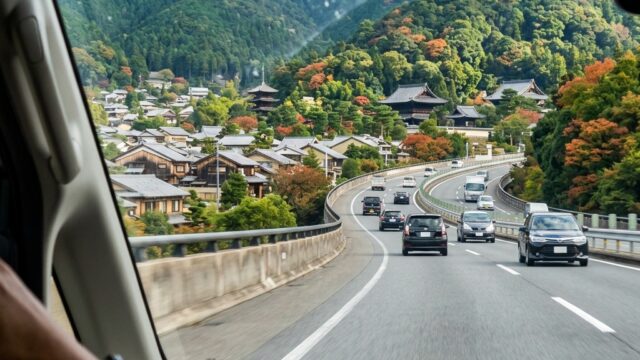
For most of the journey to Hakone, the Tomei Expressway is a wide, three-lane highway in each direction. The speed limit is typically 100 km/h (about 62 mph), but always pay attention to the digital signs, as limits can change due to weather or construction. Remember, in Japan, you drive on the left, and the rightmost lane is for passing only. Don’t cruise in the far-right lane; pass the vehicle ahead of you and then move back to the middle or left lane. This is a key piece of Japanese driving etiquette that will keep traffic flowing smoothly.
You’ll encounter a fair number of tunnels and gentle curves, but the road is engineered for safe, high-speed travel. The surface is incredibly smooth, and lane markings are clear. Electronic signboards are common, displaying traffic information. While mostly in Japanese, they often use simple graphics—a red car icon with a “km” number indicates the length of a traffic jam ahead. You’ll find the road well-lit at night and clearly marked, making it relatively easy to navigate even for first-timers. The key is to stay alert, maintain a safe following distance, and enjoy the ride.
Exiting for Hakone: Atsugi IC vs. Gotemba IC
As you approach Hakone, your GPS will give you a couple of options for exiting the Tomei Expressway. The two most common exits are Atsugi IC and Gotemba IC. Which one you choose depends on your final destination within the Hakone area and what you want to see along the way.
Atsugi IC (Interchange): This is the more traditional and often quicker route to the main hot spring town of Hakone-Yumoto and the eastern side of Lake Ashi. After exiting at Atsugi, you’ll be directed onto a smaller toll road called the Odawara-Atsugi Road (often shortened to “Oda-Atsu”). It’s a straightforward drive that takes you directly into the heart of the onsen area. If your goal is to get to your ryokan and start relaxing as soon as possible, this is usually the best bet. The downside is that you don’t get the dramatic, up-close views of Mt. Fuji on this final leg of the journey.
Gotemba IC (Interchange): If you’re staying in the Sengokuhara area, the northern part of Lake Ashi, or if you want to visit the Gotemba Premium Outlets, this is the exit for you. The big advantage of this route is the scenery. As soon as you exit the expressway, you’re treated to spectacular, in-your-face views of Mt. Fuji (weather permitting). The drive from Gotemba into Hakone takes you over winding mountain passes that are beautiful, though they can be a bit more challenging for inexperienced drivers. If great Fuji views are a priority and you don’t mind a slightly longer, more scenic approach, choose the Gotemba IC.
The Highlight of Your Drive: Must-Visit Service Areas (SA)
Forget the simple, vending-machine-only rest stops you might be used to. In Japan, Service Areas (SAs) are destinations. They are clean, safe, and packed with amazing food, unique souvenirs, and often, incredible views. On the Outbound (Hakone-bound) journey, two SAs on the Tomei Expressway are absolute must-visits.
Ebina SA (Outbound): Japan’s Busiest and Most Famous Rest Stop
About 30-40 minutes after getting on the Tomei from Tokyo, you’ll see signs for Ebina SA. Pull in. This isn’t just a rest stop; it’s a multi-story food and shopping complex and is famously the busiest SA in Japan. The variety of food options here is staggering. The second-floor food court, known as “EXPASA Ebina,” has everything from ramen from famous chains to steak bowls and udon. You’ll likely order from a ticket machine with pictures, making it easy even if you don’t speak Japanese. Just get your ticket, find a seat, and wait for your number to be called. It’s an efficient system that lets you try many different things.
But the real star at Ebina SA is the food sold at the first-floor stalls. You absolutely must try the “Melon Pan” (melon bread) from the “Porutogaru” bakery. It’s a sweet bun with a cookie-like crust that’s shaped like a melon, and Ebina’s version is famous. There’s almost always a line, but it moves quickly and is well worth the wait. Beyond the food, the souvenir shop is enormous. You can buy classic Tokyo Banana cakes, local specialties from the surrounding Kanagawa prefecture, and even some early Hakone souvenirs. The restrooms are also famously clean and modern, often featuring well-equipped powder rooms for women and family-friendly facilities. If you only make one stop, make it Ebina SA.
Ashigara SA (Outbound): Relax with Mt. Fuji Views and a Foot Bath
If Ebina is the bustling city of rest stops, Ashigara SA is the scenic resort. Located further down the Tomei, closer to Hakone, this SA’s main draw is its fantastic view of Mt. Fuji. On a clear day, the view from the observation deck and many of the restaurants is simply incredible. It’s the perfect place to grab a coffee, sit outside, and soak in the impressive scenery you came to see. This SA feels more relaxed and spacious than Ebina. It’s branded as “EXPASA Ashigara” and has a great selection of restaurants and food stalls that feature local specialties from Shizuoka Prefecture, like Fujinomiya Yakisoba and Shizuoka Oden.
What truly sets Ashigara SA apart, however, is its wellness facilities. There’s a full-fledged hot spring facility connected to the rest stop, with baths offering views of the surrounding nature. If you don’t have time for a full bath, there’s also a free “Ashiyu” (foot bath) located outside. Taking off your shoes and soaking your feet after a couple of hours of driving is a wonderful and uniquely Japanese experience. The SA also has a dog run, a playground for kids, and even coin-operated massage chairs. It’s the perfect final stop to relax and get into the onsen mindset before you arrive in Hakone. Comparing the two, Ebina is about food and energy, while Ashigara is about views and relaxation. Consider a quick stop at both!
Capturing the Perfect Shot: Best Mt. Fuji Viewing Spots from the Highway
The drive from Tokyo to Hakone offers some of the most iconic and accessible views of Mt. Fuji in all of Japan. Seeing that perfect, snow-capped cone emerge on the horizon is a moment you won’t forget. Here’s where to look and where to stop for the best photo opportunities.
From the Driver’s Seat: Key Viewing Sections
As you drive along the Tomei Expressway, Mt. Fuji will be on your right-hand side. The mountain will start to peek out after you pass the Hatano-Nakai IC, but the views get really good around the Oi-Matsuda IC. From this point until the Gotemba IC, you’ll be treated to a series of spectacular, ever-changing perspectives of the mountain. The stretch just before Ashigara SA is particularly famous for its clear, panoramic views. Of course, the driver needs to keep their eyes on the road! This is a job for your co-pilot. Have the camera ready.
The best time for clear views is typically in the morning, especially during the cooler months from autumn to spring when the air is less hazy. A crisp winter morning often provides the sharpest, most brilliant views of Fuji-san. In summer, the mountain is often shrouded in clouds, especially during the afternoon, so an early start is highly recommended if the view is a priority for your trip. Even on a cloudy day, be patient; sometimes the clouds part for just a few minutes, revealing the peak.
Safe & Scenic Photo Ops at SAs and PAs
Driving and snapping photos is dangerous, so it’s essential to pull over at designated spots to safely capture the moment. Luckily, the Tomei Expressway is dotted with Service Areas (SAs) and smaller Parking Areas (PAs) that are perfectly positioned for Fuji-gazing. These are your best bets for that frame-worthy shot.
Location Best Feature Notes Ashigara SA (Outbound) Unobstructed Panoramic View The best all-around option. Has a dedicated observation deck and plenty of space. You can frame your shot with cherry blossoms in the spring. Ayuzawa PA (Outbound) Quieter, Classic View A smaller and less crowded alternative to Ashigara. Offers a beautiful, classic view of Mt. Fuji. Great for a quick, peaceful photo stop. Komakado PA (Outbound) Up-close and Personal This PA is much closer to the mountain, offering a very different, more imposing perspective. You can really appreciate the scale of Fuji from here. Gotemba IC Area Dramatic Valley Views After you exit at Gotemba, the local roads winding towards Hakone (like Route 138) offer some of the most dramatic views, with the mountain towering over the valley. Find a safe place to pull over.
Among these, Ashigara SA is the undeniable champion. It’s designed with the view in mind, so you’ll find plenty of great angles. For those looking to escape the crowds, Ayuzawa PA is a hidden gem. It’s a simple Parking Area without the extensive shops of an SA, but its vantage point is excellent. Don’t forget that many of these locations are featured in our guide to the Top Service Areas for Breathtaking Mt. Fuji Photo Spots, where you can find even more options for your journey.
Practical Tips for a Smooth Drive
Driving in a foreign country can be intimidating, but Japan’s expressways are incredibly well-managed and safe. With a few key pieces of information, you’ll feel comfortable on the road in no time. Here are some practical tips to handle tolls, traffic, and other on-the-road necessities.
Tolls, Traffic, and Timing Your Trip
We’ve already stressed the importance of getting an ETC card, which makes paying tolls automatic. If for some reason you don’t have one, you must use the “General” (一般) lane, which is usually marked in green. Here, you can pay with cash or a credit card. At the entrance, you might take a ticket, and at the exit, you’ll hand it to an attendant or insert it into a machine to pay. With ETC, you just cruise through the purple lane. If you accidentally enter the wrong lane, don’t panic. Pull up to the gate, press the intercom button, and an attendant will help you.
Traffic, especially leaving Tokyo, can be heavy. To avoid the worst of it, try not to leave on a Friday evening or a Saturday morning. These are peak times for weekend getaways. Similarly, returning to Tokyo on a Sunday afternoon or evening almost guarantees you’ll hit a major traffic jam, particularly around the Yamato Tunnel on the Tomei. The best times to travel are mid-week or very early in the morning (before 7 AM) on weekends. Use Google Maps or a local app like Navitime to check real-time traffic conditions before you depart. A little planning can save you hours of frustration.
- Leave Early: Aim to be on the expressway before 7:00 AM, especially on weekends and holidays.
- Travel Mid-Week: If your schedule allows, driving on a Tuesday, Wednesday, or Thursday is significantly quieter.
- Check Real-Time Traffic: Use apps like Google Maps to check for congestion (shown in red) before you leave.
- Plan Your Return: Avoid heading back into Tokyo between 3:00 PM and 8:00 PM on a Sunday. Either leave Hakone in the morning or wait until later in the evening.
Fueling Up and Restroom Breaks
Gas stations are available at all major Service Areas and are typically open 24/7. EV charging stations are also increasingly common. You’ll see two types of gas stations: full-service (where an attendant fills your tank) and self-service (セルフ). At a full-service station, just roll down your window and say “Regular, mantan,” which means “regular gasoline, full tank.” They’ll take care of the rest and you can pay with cash or a card. Self-service pumps have clear instructions, often with English options on the touchscreen. Remember to check which type of fuel your rental car takes—it’s almost always “regular” (レギュラー).
One of the pleasant surprises of a Japanese road trip is the quality of the restrooms. Every SA and PA has impeccably clean, free public toilets. They are equipped with modern amenities like heated seats, bidet functions (Washlet), and often have spacious stalls, separate powder rooms, and family-friendly facilities with changing tables. Even the smallest Parking Area will have a clean restroom and a row of vending machines for drinks. You never have to worry about finding a decent place to stop, which is a huge relief on a long drive. If you’re new to Japanese restrooms, our Beginner’s Guide to Navigating Japanese Highway Restrooms can prepare you for the experience.
Arriving in Hakone and Beyond
Congratulations, you’ve made it! After exiting the expressway, the driving experience changes as you enter the beautiful but challenging mountain roads of Hakone. Here’s what to expect as you navigate the final stretch of your journey and some thoughts for the drive back.
Navigating Hakone’s Winding Roads
Once you’re off the Tomei Expressway, the roads in Hakone become narrower and much curvier. This is especially true for the “Old Tokaido Road” (Kyukaido) and the routes that climb up toward the Hakone Open-Air Museum or Owakudani. Drive defensively and be prepared for large tour buses to come around blind corners—they will expect you to yield. The speed limits are much lower here, so take your time and enjoy the lush scenery.
Parking can be a challenge, particularly on weekends and holidays. Most major attractions like the Hakone Ropeway stations, the Open-Air Museum, and the Hakone Shrine have paid parking lots, but they can fill up quickly. Arrive early to secure a spot. Many ryokans and hotels offer free parking for guests, which is a major perk of driving. One final, important note: if you are traveling between December and March, be aware of the potential for snow and ice. The roads can become slippery, and you may need a car equipped with winter tires or snow chains. Check the weather forecast and road conditions before you go.
The Return Trip: Inbound SAs and Final Tips
The fun isn’t over when you head back to Tokyo. The Inbound (Tokyo-bound) side of the expressway has its own set of excellent Service Areas. Ebina SA (Inbound) is just as massive as its Outbound counterpart and is a great place to stop for a final meal or to pick up any souvenirs you forgot to buy. Ashigara SA (Inbound) also offers fantastic last-chance views of Mt. Fuji, this time in your rearview mirror.
As mentioned before, be mindful of return traffic into Tokyo, especially on a Sunday afternoon. The jam near the Yamato Tunnel is infamous. If you can, plan a late dinner at an SA to wait out the worst of the congestion. When you return your rental car, remember that the standard policy is to refill the gas tank to full. Find a gas station near the rental office before you drop it off. The rental staff will finalize your ETC toll charges, and you’ll pay for everything at once. Keep your rental agreement and receipts, and you’ll be all set.
Conclusion
Driving from Tokyo to Hakone is far more than a simple A-to-B journey. It’s a fantastic introduction to the freedom of exploring Japan by car and a fascinating look into the unique culture of its highway rest stops. By choosing to drive, you trade the rigid schedule of public transport for the flexibility to stop wherever you please, whether it’s for a famous melon pan at Ebina SA, a relaxing foot bath with views of Mt. Fuji at Ashigara SA, or an impromptu photo session at a scenic overlook. The Tomei Expressway is more than just asphalt; it’s a corridor lined with great food, comfortable facilities, and some of the most iconic landscapes in the country.
Preparing for the trip is straightforward. Ensuring your rental car comes with an ETC card is the single most important step for a hassle-free experience at the toll gates. By timing your departure to avoid the worst of Tokyo’s notorious traffic, you can turn a potentially stressful drive into a relaxing and enjoyable part of your vacation. The journey itself, from navigating the wide-open lanes of the expressway to the winding mountain roads of Hakone, offers a fulfilling sense of adventure. It gives you a closer connection to the landscape and daily life in Japan that many tourists miss. So, get behind the wheel, plan a few delicious stops, and get ready for a drive that will be as memorable as the destination itself.