Top Service Areas for Breathtaking Mt. Fuji Photo Spots
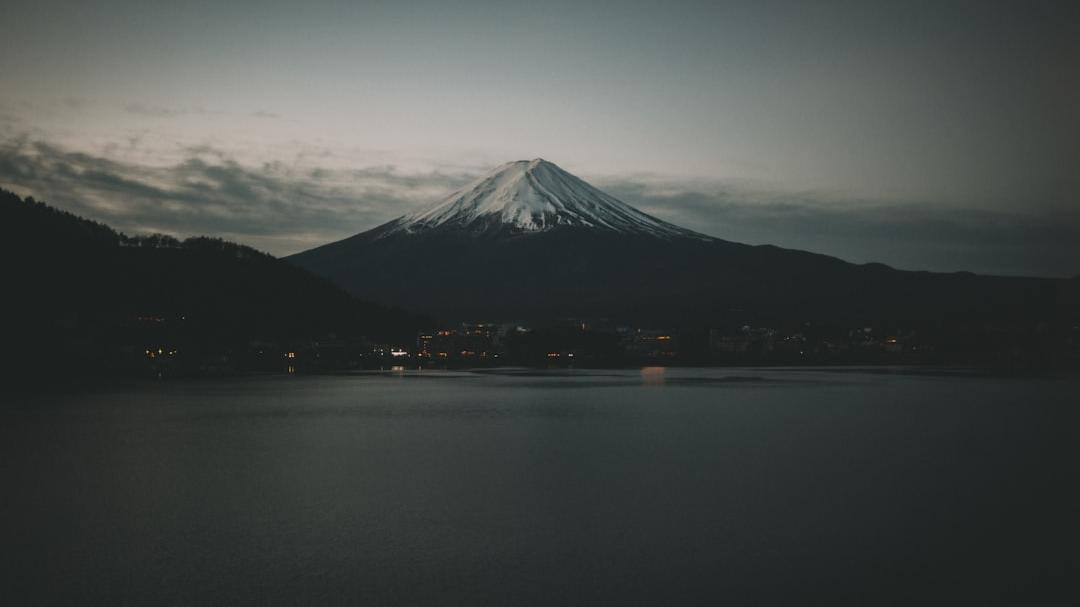
For many international travelers driving across Japan, catching a clear glimpse of Mount Fuji is a primary objective. The iconic, snow-capped volcano is not just a geographical landmark; it is a profound cultural symbol and the undeniable centerpiece of the Japanese landscape. While there are countless designated viewpoints around the Fuji Five Lakes and Hakone regions, some of the most spectacular and unexpected views of the mountain are actually found right on the highway network. The operators of the Tomei Expressway and the Chuo Expressway have strategically designed specific Service Areas (SA) and Parking Areas (PA) to maximize their proximity to the mountain, transforming routine rest stops into incredible photographic destinations. These facilities offer elevated observation decks, unobstructed panoramas, and unique vantage points that you simply cannot access from local roads. This guide highlights the absolute best Service Areas for photographing Mount Fuji, allowing you to capture stunning, professional-quality images while taking a break from your drive.
The Tomei Expressway: Southern Perspectives
The Tomei Expressway is the primary coastal artery connecting Tokyo and Nagoya, running along the southern base of Mount Fuji. This route offers some of the closest and most dramatic views of the mountain, particularly during the winter months when the air is crisp and the summit is heavily snow-capped. The Service Areas along this stretch are massive, highly developed commercial hubs that cater specifically to tourists hoping to catch a glimpse of the iconic peak. The southern perspective often provides the “classic” view of Fuji, with its perfectly symmetrical cone dominating the horizon.
EXPASA Ashigara (Downline/Westbound)
When traveling westbound from Tokyo toward Nagoya or Kyoto, the Ashigara Service Area (officially branded as EXPASA Ashigara) is widely considered the premier location for Mount Fuji photography. Located in Shizuoka Prefecture, this massive facility sits at a relatively high elevation, meaning the mountain appears to loom incredibly large right over the parking lot. The operators have recognized the photographic potential of this site and have constructed a massive, multi-tiered outdoor observation deck specifically for tourists. This deck is situated away from the main building, ensuring that your view is entirely unobstructed by passing trucks or glaring highway lights, providing a pristine, wide-angle panorama of the mountain. It is arguably the most famous and frequently photographed rest stop view in the entire country, drawing thousands of visitors during peak holiday seasons.
The best time to photograph from Ashigara is usually the early morning, just after sunrise, when the mountain is bathed in soft, golden light and the cloud cover is typically at its lowest. During the winter, the sheer proximity of the Service Area to the snow-covered peak creates a breathtaking contrast against the clear blue sky. Even if you arrive later in the day, the sheer size of the mountain from this vantage point is staggering. Beyond the observation deck, Ashigara also features a unique hot spring facility (onsen) on the second floor of the main building, allowing you to literally soak in a restorative bath while staring out massive picture windows directly at Mount Fuji. It is an unparalleled experience that elevates this location far beyond a standard highway rest stop, making it an absolute must-visit destination for anyone traveling the Tomei Expressway with a camera in hand. You can easily spend an hour here just exploring the different photographic angles from the various outdoor terraces. The combination of perfect infrastructure and stunning natural beauty makes it an unbeatable location.
Fujikawa Service Area (Upline/Eastbound)
For those traveling eastbound toward Tokyo on the Tomei Expressway, the Fujikawa Service Area offers a drastically different, yet equally spectacular, perspective. Situated further west than Ashigara, Fujikawa provides a wider, more expansive view that incorporates the surrounding landscape. The defining feature of this location is the way the Fuji River (Fujikawa) cuts through the foreground, leading the eye directly toward the mountain in the distance. This natural leading line makes for incredibly strong photographic compositions, adding depth and context to the massive volcano rising in the background. It is a favorite spot for landscape photographers seeking a more dynamic shot than just a simple portrait of the peak.
The facility itself features a dedicated viewing promenade lined with telescopes and informative plaques detailing the geography of the area. One of the most popular photographic challenges at Fujikawa is attempting to capture the Shinkansen (bullet train) as it crosses the bridge over the river in the middle distance, with Mount Fuji towering ominously behind it. This requires patience and a good zoom lens, but capturing the iconic train and the iconic mountain in a single frame is a defining image of modern Japan. Furthermore, the Fujikawa Service Area is famous for its local food stalls, meaning you can set up your tripod, wait for the perfect light or the passing train, and enjoy freshly made Fujinomiya yakisoba or local green tea soft serve ice cream while you shoot. It combines excellent infrastructural design with profound natural beauty, offering a multifaceted experience that caters perfectly to traveling photographers.
- Seasonality: Winter (December to February) offers the highest probability of clear skies and a fully snow-capped peak.
- Time of Day: Early morning (before 9:00 AM) is crucial. Clouds rapidly form around the summit as the day warms up.
- Weather Apps: Use local weather radar apps to check cloud cover specifically over the Yamanashi and Shizuoka regions before you stop.
- Flexibility: If the mountain is hidden on your outbound journey, plan to stop at a different SA on your return trip.
The Chuo Expressway: Northern Highland Views
While the Tomei Expressway hugs the coast, the Chuo Expressway cuts directly through the mountainous interior of the country, passing to the north of Mount Fuji. The Service Areas along this route offer a completely different aesthetic. From the Chuo, you are often viewing the mountain across the vast expanse of the Fuji Five Lakes region or over dense, rugged forests. The air is typically cooler and clearer at these higher altitudes, and the perspectives often feel more wild and remote compared to the highly developed southern route. This northern view frequently showcases a more rugged, less perfectly symmetrical side of the volcano, providing unique photographic opportunities.
Suwako Service Area (Both Directions)
Located on the shores of Lake Suwa in Nagano Prefecture, the Suwako Service Area is geographically further from Mount Fuji than the stops on the Tomei Expressway, but its extreme elevation and unobstructed sightlines make it a legendary photography spot. The Service Area actually provides sweeping panoramic views of the entire lake and the surrounding Alps, with Mount Fuji visible in the far distance on clear days. The sheer scale of the landscape visible from this one parking lot is difficult to comprehend; it feels less like a highway rest stop and more like a dedicated mountaintop observatory. The crisp, clean mountain air at this altitude often results in incredibly sharp, high-contrast images, free from the heavy smog that can sometimes plague the lower coastal routes.
The photographic appeal of Suwako lies in the dramatic foreground it provides. Shooting across the expansive, reflective surface of Lake Suwa, with the sprawling city lights below and Mount Fuji anchoring the distant horizon, creates a deeply layered, complex image. It is particularly spectacular during the “blue hour” just after sunset, when the city lights begin to twinkle and the silhouette of the mountain stands out against the darkening sky. The Service Area itself is equipped with a large, elevated deck specifically designed for this purpose, featuring detailed topographical maps to help you identify the various peaks in the distance. Additionally, Suwako also features an onsen facility, making it incredibly popular with long-haul truck drivers and tourists alike who want to soak in hot thermal waters while watching the sun set over the Japanese Alps and Mount Fuji. It is a stunning, expansive location that rewards photographers who appreciate wide, dramatic landscapes over tight, zoomed-in portraits of the mountain. The opportunity to capture the lake, the city, and the volcano all in one massive, sweeping frame is truly unmatched anywhere else on the highway system.
Hatsukari Parking Area (Downline/Westbound)
If you are looking for a more intimate, less commercialized viewing experience on the Chuo Expressway, the Hatsukari Parking Area is a hidden gem. Unlike the massive, bustling Service Areas like Ashigara or Suwako, Hatsukari is a smaller, quieter PA. It does not have massive food courts or hot springs; instead, its primary draw is its incredibly unique geographical positioning. Nestled deep in a valley, the parking area is surrounded by steep, heavily forested hills. However, there is a specific, perfectly aligned gap in the surrounding topography that provides a direct, framed view of Mount Fuji’s summit. This natural V-shape acts like a physical telephoto lens, concentrating the viewer’s attention entirely on the distant peak.
The highway designers recognized this unique sightline and constructed a small, dedicated viewing platform just off the edge of the parking lot. Because the view is framed by the dark, wooded hills in the immediate foreground, Mount Fuji appears incredibly prominent and almost cinematic, like a painting hung at the end of a long hallway. This natural framing forces the viewer’s eye directly to the snow-capped peak, creating incredibly strong, focused compositions. It is a quieter, more contemplative spot to photograph the mountain, free from the crowds and commercial noise found at the larger facilities. The lack of extensive infrastructure here means that light pollution is minimal, making it an excellent spot for long-exposure photography in the early morning before the sun fully crests the surrounding hills. For photographers who prefer natural framing over sweeping panoramas, Hatsukari offers a unique, specialized vantage point that is highly prized by local landscape enthusiasts. It is the perfect location for someone seeking a peaceful moment with the mountain, far away from the chaotic tour buses that frequent the larger stops. Taking the time to pull over here is always rewarding for serious photographers.
Advanced Photography Strategies
Getting a great snapshot of Mount Fuji from a Service Area is relatively easy on a clear day, but capturing a truly spectacular, professional-quality image requires a bit more planning and the right equipment. The unique environment of a highway rest stop presents specific challenges, such as dealing with light pollution from the facility itself, navigating around crowds during peak season, and shooting through the inevitable atmospheric haze that often obscures distant mountains in Japan. Understanding how to mitigate these factors is key to elevating your photography.
Equipment Recommendations for Highway Shooting
To truly take advantage of the views from these Service Areas, a smartphone camera is often insufficient. While modern phones take excellent wide shots, they struggle when trying to compress the distance between the foreground and the massive mountain in the background. A dedicated camera with a versatile zoom lens (such as a 70-200mm or even a 100-400mm) is highly recommended. These telephoto lenses allow you to “pull” Mount Fuji closer, compressing the perspective and making the mountain appear much larger and more dominant in the frame, especially when shooting from slightly more distant locations like Suwako or Fujikawa. The ability to zoom in past the immediate foreground of the parking lot is absolutely essential for creating clean, distraction-free images.
Furthermore, a sturdy tripod is absolutely essential, particularly if you are shooting during the prime hours of early morning or late evening when the light is low. The observation decks at these Service Areas can vibrate slightly from the constant movement of heavy trucks on the adjacent highway, so a heavy tripod helps ensure your shots remain tack-sharp. A circular polarizing filter is also highly beneficial; it helps cut through the atmospheric haze that frequently plagues Japanese landscapes, deepening the blue of the sky and increasing the contrast of the snow on the mountain’s peak. Finally, because these Service Areas are brightly lit at night for safety, a lens hood is crucial to prevent unwanted glare and lens flares from the overhead parking lot lights from ruining your exposure. Coming prepared with this specific gear will drastically improve your hit rate and ensure you leave with images you are proud to print. Using a remote shutter release can also help eliminate the final bit of camera shake, guaranteeing the sharpest possible image of the iconic peak. Taking a few extra minutes to set up your equipment properly makes a massive difference in the final result.
Timing and Composition Tactics
The single most important factor in photographing Mount Fuji is timing. The mountain is notoriously shy, frequently creating its own microclimate that results in heavy cloud cover obscuring the peak, even on seemingly sunny days. The golden rule is to arrive as early as possible. Between dawn and 9:00 AM, the air is usually at its coolest and clearest, and the mountain is most likely to be visible. As the sun warms the land, moisture rises and rapidly forms clouds around the summit, often completely hiding it by midday. Therefore, if you are serious about photography, plan to hit your chosen Service Area right at sunrise, grab a coffee from the vending machines, and head straight to the observation deck.
When composing your shots from a Service Area, try to incorporate elements of the facility or the highway itself to provide scale and context. While a tight shot of the peak is beautiful, an image that includes the sweeping curves of the expressway, the steady stream of headlights in the pre-dawn darkness, or the silhouette of a passing truck can tell a much more compelling story about a Japanese road trip. Do not just stand at the main viewing plaque; walk the perimeter of the parking area to find unique angles that utilize the architectural elements of the rest stop as leading lines toward the mountain. By blending the profound natural beauty of the volcano with the massive, hyper-modern infrastructure of the expressway network, you create dynamic, uniquely Japanese images that capture the essence of traveling through this incredible country.
| Expressway | Service Area | Key Feature | Best For |
|---|---|---|---|
| Tomei (Westbound) | EXPASA Ashigara | Massive multi-tiered deck; onsen. | Huge, looming, unobstructed portraits of the peak. |
| Tomei (Eastbound) | Fujikawa SA | Fuji River in foreground; Shinkansen. | Dynamic landscapes; capturing trains and the mountain. |
| Chuo (Both) | Suwako SA | Views over Lake Suwa and city lights. | Wide panoramas; “blue hour” and sunset photography. |
| Chuo (Westbound) | Hatsukari PA | Natural framing through a forested valley. | Focused, intimate compositions; avoiding large crowds. |
Conclusion
The strategic placement of Service Areas and Parking Areas along the Tomei and Chuo Expressways proves that Japanese highway design is not solely concerned with vehicular efficiency; it is also deeply invested in celebrating the natural beauty of the country. These facilities transform necessary pit stops into incredible destinations, offering travelers unparalleled access to some of the most spectacular views of Mount Fuji available anywhere in Japan. By providing elevated decks, clear sightlines, and even hot springs with panoramic windows, the operators ensure that the journey itself is just as memorable as the final destination. It is a level of thoughtful, aesthetic infrastructure planning that is truly unique to the Japanese expressway system, blending modern engineering with an ancient reverence for the natural landscape.
For international visitors with a passion for photography, planning your road trip itinerary around these specific locations is highly recommended. Instead of randomly pulling over when you happen to spot the mountain, utilizing these developed viewpoints ensures you have a safe, elevated, and well-positioned vantage point to capture professional-quality images. Whether you prefer the looming, massive presence of the peak from EXPASA Ashigara, the dynamic river compositions at Fujikawa, the sweeping lake panoramas at Suwako, or the quiet natural framing of Hatsukari, there is a highway rest stop perfectly suited to your photographic style. Armed with a good zoom lens, a sturdy tripod, and the dedication to arrive early in the morning, you can turn a simple driving day into an incredibly successful photographic expedition, capturing the profound beauty of Mount Fuji without ever leaving the comfort of the expressway network. These Service Areas are a testament to the fact that sometimes, the best view of Japan is found right on the side of the road, waiting patiently for you to simply pull over and look.