Best Highway Service Areas for Buying Rare Japanese Sake and Local Brews
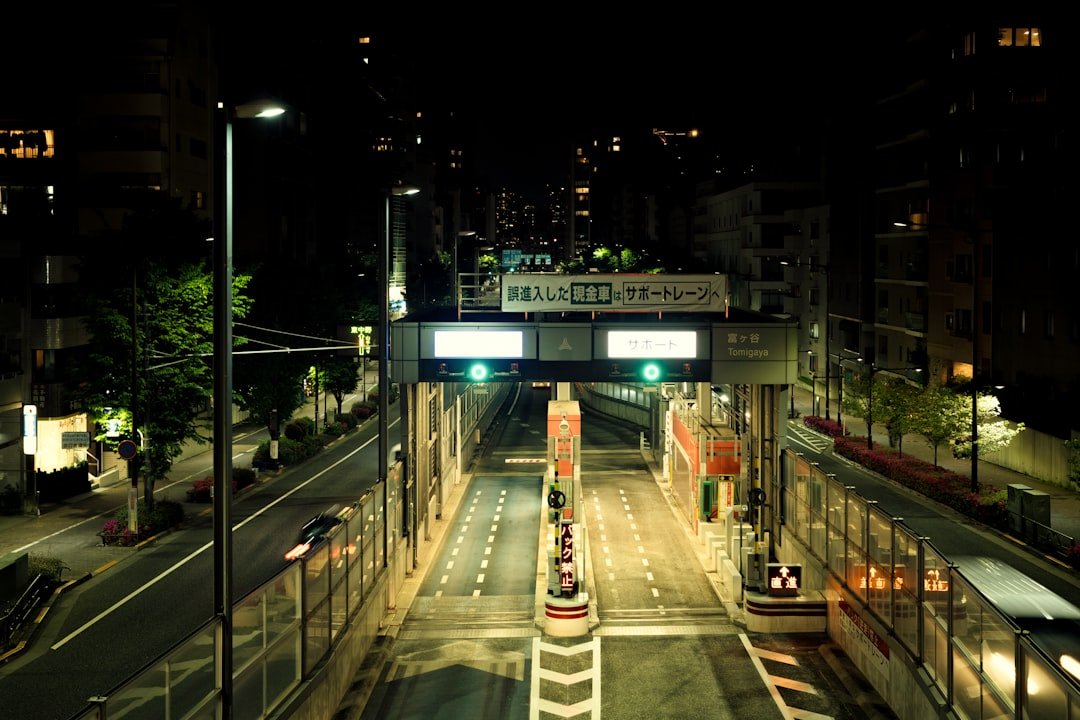
A road trip across Japan offers more than just scenic views and historical landmarks; it is a profound journey through the country’s diverse culinary landscape. For many international visitors, exploring regional Japanese sake (Nihonshu) and local craft brews is a major highlight. Surprisingly, you do not need to hunt down obscure liquor stores in deep rural towns to find these treasures. The major highway Service Areas (SA) across Japan have evolved into fantastic regional marketplaces, offering some of the best and rarest local alcohols directly on the expressway.
Discovering Japan’s Sake Culture on the Expressway
When you think of a highway rest stop, high-end regional liquor is probably not the first thing that comes to mind. However, Japanese Service Areas act as dedicated showcases for their respective prefectures, actively promoting local industries and agriculture to travelers passing through.
The Role of Service Areas as Regional Hubs
In Japan, a Service Area is much more than a place to refuel and use the restroom. They are massive commercial complexes designed to highlight the very best products of the surrounding region. Because sake brewing is deeply tied to local geography—relying heavily on the specific quality of regional rice and local spring water—it represents the ultimate local souvenir (omiyage).
Service Area managers work directly with small, local breweries (kuramoto) that might not have the distribution networks to sell their products in Tokyo or Osaka. By stocking these rare bottles on the highway, the SA provides travelers with exclusive access to small-batch sake that would otherwise be very difficult to find. This transforms a simple rest stop into a curated tasting gallery of regional Japanese culture.
A Convenient Way to Shop for Souvenirs
For foreign tourists traveling by rental car, buying alcohol at a Service Area is incredibly convenient. Glass bottles of sake are heavy and fragile, making them difficult to carry on trains or buses. When you buy them at an SA, you can carefully pack them directly into the trunk of your car.
Furthermore, the large souvenir shops (kiosks) inside the Service Areas are highly organized. They typically feature dedicated sections for local liquors, often clearly labeled with tasting notes and brewery information. This makes it much easier to browse and select a bottle compared to wandering through a standard supermarket. If you are looking for other unique regional items, be sure to check out our guide on the Best Highway Rest Stops for Local Japanese Souvenirs (Omiyage).
Understanding Sake Classifications at Rest Stops
Before you start filling your shopping basket at a Service Area, it is helpful to understand the basic classifications of Japanese sake. The labels can be confusing if you cannot read Japanese, but knowing a few key terms will help you choose a bottle that matches your taste preferences.
Junmai, Ginjo, and Daiginjo
Sake is primarily classified by how much the rice is milled (polished) before brewing, and whether any brewer’s alcohol is added. The term “Junmai” means the sake is made purely from rice, water, yeast, and koji mold, with no added alcohol. Junmai sake tends to have a richer, more robust rice flavor.
“Ginjo” and “Daiginjo” refer to sake made with highly polished rice, fermented at lower temperatures. These are considered premium categories. Daiginjo is the highest grade, often presenting a very delicate, fruity, and floral flavor profile. If you see “Junmai Daiginjo” on a label at a Service Area, you are looking at a top-tier, pure rice sake. These premium bottles make excellent gifts to take back home.
Sweet vs. Dry (Amakuchi vs. Karakuchi)
Another crucial distinction when buying sake is whether it is sweet (Amakuchi) or dry (Karakuchi). Many Service Areas provide small informational cards next to the bottles that display a scale indicating the Sake Meter Value (SMV or Nihonshu-do).
A positive number (e.g., +4 or +5) indicates a dry sake, which pairs exceptionally well with savory meals like grilled meats or heavily seasoned dishes. A negative number (e.g., -2) indicates a sweeter sake, which can be delightful as an aperitif or paired with lighter fare. Understanding these basic terms will help you navigate the impressive selections found at major highway stops.
- Junmai: Pure rice sake (no added alcohol), robust flavor.
- Daiginjo: Premium sake with highly polished rice, often fruity and light.
- Karakuchi: Dry sake (positive SMV number).
- Amakuchi: Sweet sake (negative SMV number).
Top Service Areas for Sake in the Tohoku Region
The Tohoku region in northern Japan is legendary for its sake production. The harsh winters, pristine mountain water, and high-quality rice create the perfect environment for brewing crisp, clean, and highly sought-after sake. Driving the Tohoku Expressway offers incredible access to these regional treasures.
Chojahara SA (Tohoku Expressway)
Located in Miyagi Prefecture, the Chojahara SA (both Inbound and Outbound) is a fantastic stop for sake enthusiasts. Miyagi is famous for producing very high-quality, crisp, and dry sake. The souvenir shop here dedicates a significant amount of shelf space to local Miyagi breweries, including famous names like Urakasumi and Ichinokura.
What makes this Service Area special is that they often stock limited-edition seasonal bottles. In the winter, you might find freshly pressed, unpasteurized sake (Shiboritate), while in the autumn, they offer mature “Hiyaoroshi” sake. These seasonal variations are highly prized in Japan and are wonderful discoveries for international travelers driving through the region.
Kunimi SA (Tohoku Expressway)
Further north on the Tohoku Expressway, located in Fukushima Prefecture, is the Kunimi SA. Fukushima consistently wins top awards in national sake competitions, and the selection at this Service Area reflects that high standard.
Here, you can find bottles from small, artisanal breweries nestled in the Aizu region of Fukushima. The staff often highlight specific bottles with handwritten notes explaining the flavor profile and recommending food pairings. Finding a rare bottle of Aizu sake at this highway stop is much easier than trying to locate a specialty liquor store in Tokyo. If you are planning a trip to this area, read our guide on The Tohoku Expressway Adventure: Discovering Northern Japan for more itinerary ideas.
Exploring Local Brews along the Chuo Expressway
The Chuo Expressway cuts right through the mountainous heart of Japan, connecting Tokyo with Nagano and Aichi prefectures. This region, often referred to as the Japan Alps, is another powerhouse of sake production, utilizing the incredibly pure snowmelt water from the high peaks.
Suwa Lake SA (Chuo Expressway)
The area around Lake Suwa in Nagano Prefecture is home to numerous historic sake breweries. The Suwa Lake SA (Inbound and Outbound) heavily promotes the products of these local kuramoto. The region’s sake is generally characterized by a smooth, clean taste that reflects the purity of the local water.
One of the highlights of shopping at Suwa Lake SA is that you can often find sake packaged in beautiful, traditional ceramic bottles or small, decorative barrels (komodaru). These make absolutely stunning souvenirs or gifts. The SA also features a natural hot spring bath, so you can relax with a view of the lake before buying a bottle of local sake to enjoy later at your hotel. For more details on this scenic route, see our guide on Driving the Japan Alps: A Guide to the Chuo Expressway.
Dangozaka SA (Chuo Expressway)
Located closer to Tokyo in Yamanashi Prefecture, Dangozaka SA (Outbound) is one of the busiest and most popular rest stops on the Chuo Expressway. While Yamanashi is primarily famous for its wine (which we will discuss later), it also produces excellent sake using water sourced from the foothills of Mt. Fuji.
The souvenir section at Dangozaka SA is massive and meticulously organized. You can find premium bottles from famous local breweries such as Shichiken, known for its elegant and refined flavor profile. The SA often features special displays highlighting award-winning local liquors, making it very easy for foreign tourists to identify the best quality options available.
Best Stops for Craft Beer and Regional Liquors
While sake is the traditional favorite, Japan has experienced a massive boom in regional craft beer and unique local liquors, such as fruit wines and shochu. The highway Service Areas have quickly adapted to this trend, offering excellent selections of these modern beverages.
Craft Beer at NEOPASA Surugawan Numazu (Shin-Tomei Expressway)
Shizuoka Prefecture has a thriving craft beer scene, and the NEOPASA Surugawan Numazu (both directions) on the Shin-Tomei Expressway is a great place to sample it. This modern Service Area often stocks a variety of local craft beers, including those from famous regional breweries like Baird Beer.
You can find everything from crisp, locally hopped IPAs to rich stouts brewed with regional ingredients like local fruits or even matcha green tea. Buying a few bottles of local craft beer is a fantastic way to unwind at your hotel after a long day of navigating the expressways. It provides a taste of the modern Japanese culinary landscape that is very different from traditional sake.
Yamanashi Wine at Futaba SA (Chuo Expressway)
Yamanashi Prefecture is the undisputed capital of Japanese wine production, famous primarily for its Koshu white wine. If you are driving on the Chuo Expressway, the Futaba SA is an essential stop for wine lovers.
The souvenir shop at Futaba SA features a dedicated “wine corner” that resembles a high-end liquor store. They offer a vast selection of local Yamanashi wines, ranging from affordable daily table wines to premium, award-winning vintage bottles. Japanese wine, particularly Koshu, is known for its delicate, crisp profile that pairs perfectly with sushi and light Japanese cuisine. Picking up a bottle here is highly recommended.
| Service Area (SA) | Expressway | Region / Prefecture | Specialty Liquor |
|---|---|---|---|
| Chojahara SA | Tohoku Expressway | Miyagi | Crisp, dry Sake & Seasonal releases |
| Kunimi SA | Tohoku Expressway | Fukushima | Award-winning Aizu region Sake |
| Suwa Lake SA | Chuo Expressway | Nagano | Smooth Sake in decorative bottles |
| Futaba SA | Chuo Expressway | Yamanashi | Premium local Koshu Wine |
| NEOPASA Surugawan Numazu | Shin-Tomei Expressway | Shizuoka | Regional Craft Beer (Baird Beer etc.) |
Important Rules for Buying and Transporting Alcohol in a Rental Car
While buying local alcohol at a Service Area is convenient and fun, foreign tourists must be aware of the strict laws regarding alcohol consumption and transportation while driving in Japan.
Japan’s Zero Tolerance Policy for Drinking and Driving
Japan has incredibly strict laws regarding drinking and driving. The legal blood alcohol limit is effectively zero (0.03%), which means even a single sip of beer or sake can put you over the legal limit. The penalties for driving under the influence are severe, including massive fines, immediate arrest, and potential deportation.
Furthermore, passengers can also be heavily fined if they allow a person who has consumed alcohol to drive, or if they provide alcohol to a driver. Because of this zero-tolerance policy, you will never find alcohol available for immediate consumption (like cold beer or sake by the glass) in the food courts or restaurants at Japanese Service Areas. All alcohol sold at SAs is strictly packaged for taking home as a souvenir.
Safely Transporting Alcohol in Your Vehicle
When you purchase alcohol at a Service Area, it will usually be wrapped in protective material to prevent breakage. It is crucial that you place these bottles in the trunk of your rental car, out of reach of the driver and passengers.
Having an open container of alcohol in the passenger cabin is strongly discouraged and can lead to misunderstandings if you are stopped by the police at a toll gate or during a routine inspection. The alcohol you buy on the highway should remain sealed and stored securely in the back of the car until you reach your final destination for the night. For more information on understanding highway rules and police enforcement, read our guide on Understanding Speed Cameras and Police Traps on Japanese Highways.
Conclusion
The extensive network of Japanese Service Areas provides much more than just a place to rest; they offer a unique and highly accessible window into the country’s rich regional alcohol culture. For international travelers driving a rental car, these highway stops present the easiest and most convenient way to purchase rare, high-quality Japanese sake, craft beer, and local wine.
Whether you are exploring the award-winning sake of Fukushima at Kunimi SA on the Tohoku Expressway, or browsing the extensive Yamanashi wine selection at Futaba SA on the Chuo Expressway, you are guaranteed to find exceptional regional specialties that are difficult to locate elsewhere. The Service Area managers take great pride in curating these selections to highlight the best of their local breweries and vineyards.
When you purchase these beautiful bottles as souvenirs or for evening enjoyment at your hotel, always remember to prioritize safety. Japan’s strict zero-tolerance laws for drinking and driving mean that all alcohol must remain securely sealed and stowed in your trunk while on the road. By following these rules and taking advantage of the incredible selections available on the expressways, you can safely elevate your Japanese road trip with the authentic flavors of local brewers.