Experience Japanese Souvenir Shopping Like a Local: Best Kiosks on the Tomei Expressway
So, you’ve rented a car in Japan and you’re ready to hit the open road. Awesome choice! Driving gives you the freedom to explore at your own pace, but let me tell you about one of the best-kept secrets of Japanese road trips: the highway Service Areas (SA) and Parking Areas (PA).
Forget everything you know about dreary roadside rest stops. In Japan, they are destinations in themselves, packed with incredible food, clean facilities, and most importantly for us, amazing souvenir shops. These aren’t just your average tourist traps; they’re where locals stop to buy “omiyage” – beautifully packaged gifts for friends, family, and coworkers.
This guide is all about the Tomei Expressway, the main artery connecting Tokyo with Nagoya. We’ll show you which SAs are worth the stop, what to look for, and how to shop for souvenirs like a seasoned Japanese driver. Let’s get started.
Why Japanese Highway Service Areas are a Souvenir Hunter’s Paradise
Before we dive into specific locations, it’s worth understanding why these places are so special. A Japanese Service Area, or SA, is much more than a place to refuel your car and grab a quick coffee. They are vibrant hubs of local culture, showcasing the best products from the surrounding region.
More Than Just a Rest Stop: The “Omiyage” Culture
In Japan, there’s a strong culture of bringing back gifts, or “omiyage,” from your travels. It’s a way of sharing your experience with others. Highway SAs have tapped into this tradition perfectly. Instead of offering generic, nationwide souvenirs, each SA focuses on selling products that are unique to that specific prefecture or town. This means the snacks you find at a stop in Shizuoka will be completely different from those near Tokyo.
This is why you’ll see so many beautifully wrapped boxes of cookies, cakes, and crackers. They are designed to be easily transported and given as presents. For a traveler, this is fantastic. You can pick up authentic, high-quality local gifts without having to detour into a busy city center. It’s a convenient and genuinely Japanese way to shop.
What to Expect: From Local Snacks to Exclusive Merchandise
The variety is staggering. You’ll find everything from savory rice crackers (senbei) flavored with local ingredients like wasabi or shrimp, to delicate sweets like mochi filled with red bean paste. Many SAs also have their own exclusive items that you literally cannot buy anywhere else. This could be a special flavor of a famous snack, a collaboration with a local character, or a freshly baked good that draws crowds from miles around.
Beyond food, you can often find local crafts, keychains featuring regional mascots, and even high-quality products like sake or green tea. The souvenir shops, often called “baiten” or simply kiosks, are well-organized, clean, and a joy to browse. It’s a treasure hunt where every stop reveals something new and delicious. For a deeper dive into what makes these places tick, check out our general guide to Japanese Highway Service Areas.
Navigating the Tomei Expressway: Tokyo to Nagoya
The Tomei Expressway is one of Japan’s most important and busiest highways, linking the country’s largest metropolitan areas. It’s the classic route for anyone driving towards Mt. Fuji, Hakone, Izu Peninsula, and onward to the Chubu and Kansai regions. Naturally, it’s lined with some of the best SAs in the country.
Understanding Inbound vs. Outbound (Upline vs. Downline)
This is a crucial concept for highway driving in Japan. You’ll see signs for “Inbound” (上り, nobori) and “Outbound” (下り, kudari). On the Tomei Expressway:
- Inbound (上り) means you are traveling towards Tokyo.
- Outbound (下り) means you are traveling away from Tokyo (towards Nagoya).
A Service Area with the same name, like “Ebina SA,” exists on both sides of the highway, but they are separate facilities. Sometimes they sell similar products, but often they have unique shops and different layouts. Your car’s GPS will know which one you can access based on your direction of travel, but it’s good to be aware of this distinction when planning your stops.
Essential Tips for Your Tomei Road Trip
A little preparation goes a long way. To make your journey smoother, keep these points in mind. You’ll be zipping through toll gates and navigating parking lots like a pro.
- Get an ETC Card: Seriously, this is a game-changer. An ETC (Electronic Toll Collection) card lets you drive through toll gates without stopping. Most rental car companies offer them for a small fee. It saves time and hassle. We can’t stress this enough; read up on why you should always book a rental car with an ETC reader.
- Avoid Peak Times: The Tomei can get incredibly congested, especially on weekend mornings (outbound) and evenings (inbound), and during national holidays like Golden Week or Obon. If you can, travel on a weekday.
- Parking Smarts: The big SAs like Ebina can get packed. Follow the attendants’ directions. Look for the green lights above parking spots, which indicate they are vacant. Our guide to navigating SA parking has more tips.
- Cash is Still Handy: While major shops and restaurants take credit cards, some smaller stalls or vending machines might be cash-only. It’s always a good idea to have a few thousand yen on hand.
Must-Visit SA on the Tomei: Ebina SA, The King of Service Areas
If you only have time for one stop, make it Ebina SA in Kanagawa Prefecture. It’s arguably the most famous and busiest Service Area in all of Japan, and for good reason. It’s massive, modern, and absolutely overflowing with food and shopping options.
Outbound (Towards Nagoya): A Foodie and Souvenir Haven
The outbound Ebina SA is your first major stop after leaving the Tokyo metro area, and it feels like a small shopping mall. The souvenir shop is huge, offering a “greatest hits” collection of famous Tokyo snacks like Tokyo Banana, alongside popular treats from the Yokohama and Hakone areas. This is a perfect place to grab something if you forgot to buy gifts in the city.
But the real star here is the food. Ebina SA is famous for its “Melon Pan” (a sweet bun with a crispy, cookie-like crust). There’s often a line at the “Porutogaru” bakery, but it’s worth the wait. The sheer number of food stalls and restaurants is incredible, making it a great place to have a meal before continuing your journey. For a complete rundown, check out our in-depth guide to Ebina SA.
Inbound (Towards Tokyo): Last-Chance Souvenir Shopping
Heading back to Tokyo? The inbound Ebina SA is your final opportunity to snag some regional goodies. The focus here shifts slightly, with a fantastic selection of souvenirs from Shizuoka, Hakone, and Kanagawa. Did you forget to buy that box of cookies you saw near Mt. Fuji? There’s a good chance you’ll find it here.
The inbound facility is also enormous and features a great food court. It’s an excellent place to pick up some last-minute gifts before you return your rental car and face the city bustle. Both sides of Ebina SA are a true spectacle and represent the pinnacle of the modern Japanese Service Area experience. Don’t miss it.
Ashigara SA: Great Food, Mt. Fuji Views, and Unique Souvenirs
Located closer to Mt. Fuji in Shizuoka Prefecture, Ashigara SA offers a slightly more relaxed atmosphere than Ebina, but with an unbeatable trump card: spectacular views of the iconic mountain on a clear day. It’s operated under the “EXPASA” brand, which means it’s a large, high-quality facility.
Outbound (Towards Nagoya): Souvenirs with a View
As you drive deeper into Shizuoka, the souvenir selection at the outbound Ashigara SA reflects the change in scenery. You’ll find a massive array of products themed around Mt. Fuji, from cookies shaped like the mountain to towels printed with its image. This is also where you’ll start to see more Shizuoka specialties, such as green tea-infused snacks and products made with wasabi from the Izu Peninsula.
The facility has a large observation deck on the second floor, perfect for getting that classic photo of your car with Mt. Fuji in the background. Grabbing a coffee and a local snack to enjoy while taking in the view is a quintessential Japan road trip experience. We’ve listed it as one of the top SAs for Mt. Fuji photo spots.
Inbound (Towards Tokyo): A Relaxing Stop with Local Treats
The inbound Ashigara SA is just as impressive. It also boasts incredible Mt. Fuji views and even has a public bathhouse and coin-operated massage chairs, making it a fantastic place to unwind after a long drive. The souvenir shop is excellent, featuring products from the Gotemba area, including local craft beer from Gotemba Kogen Brewery.
One of the unique features here is the “Ashiyu” foot bath, where you can soak your tired feet while gazing at Mt. Fuji. It’s a small luxury that makes a huge difference. If you’re debating between stopping at Ebina or Ashigara, our comparison guide can help you decide which one better fits your trip.
Hidden Gems: Smaller SA/PA with Amazing Local Finds
While the massive SAs get most of the attention, some of the smaller and mid-sized stops offer a more focused, local shopping experience. Don’t overlook them! These are the places where you can find truly unique items that aren’t available at the larger, more commercialized SAs.
Fuji River SA (Fujikawa SA): The Ultimate Mt. Fuji Photo Op
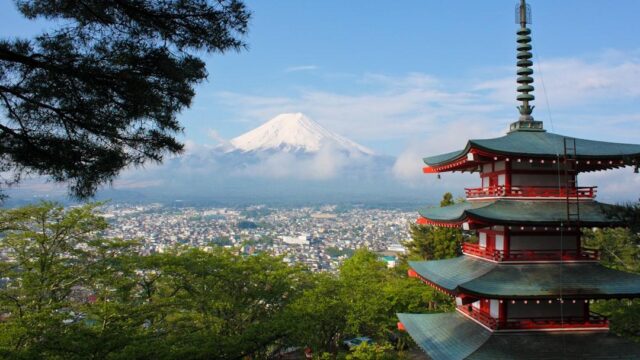
Fuji River SA, also known as Fujikawa SA, is famous for one thing above all else: its jaw-dropping, unobstructed view of Mt. Fuji across the Fuji River. The outbound facility even has a Ferris wheel (“Fuji Sky View”) that offers an even more spectacular panorama. It’s arguably one of the best photo spots on the entire expressway.
The souvenir shop here is fantastic, focusing on specialties from central Shizuoka. Look for snacks made with “sakura ebi” (tiny pink shrimp), a local delicacy from Suruga Bay. You’ll also find “Abe-kawa Mochi,” a soft rice cake dusted with sweetened soybean flour, which is a classic Shizuoka treat. The Starbucks here has huge windows facing the mountain, making it one of the most scenic coffee shops in Japan. It’s a key stop on any Tokyo to Mt. Fuji drive.
Hamanako SA: A Lakeside Oasis with Shizuoka Delicacies
This is one of the most unique SAs in Japan, as it’s built on a peninsula stretching into Lake Hamana. The views of the lake are beautiful, and it’s a very pleasant place to take a break. Hamanako SA is known as a “lover’s sanctuary,” and you’ll see love-themed decorations and photo spots around the facility.
For souvenir hunters, this is the prime spot to buy goodies from the Hamamatsu area. The undisputed king of Hamamatsu souvenirs is the Unagi Pie. Despite its name, this flaky, buttery cookie doesn’t actually contain eel (“unagi”), but it’s an incredibly famous and delicious snack. You’ll also find other products related to the area’s famous eel and gyoza. As you approach Nagoya, this is your last big chance to stock up on Shizuoka’s finest omiyage before entering Aichi Prefecture. It’s a must-visit on the drive from Tokyo to Nagoya.
Practical Tips for Shopping at Highway Kiosks
Shopping at a Japanese SA is generally straightforward, but a few tips can help you navigate the experience smoothly. Knowing what to expect regarding payment and product labeling will make your souvenir hunt even more enjoyable.
Payment Methods and Tax-Free Shopping
Most souvenir shops at major Service Areas accept credit cards (Visa, Mastercard, etc.). You’ll also find that many registers accept payment with IC cards like Suica or Pasmo, which is very convenient. However, at smaller Parking Areas (PAs) or individual food stalls, it’s possible they might be cash-only, so it’s always wise to have some yen with you.
Here’s a very important point for international visitors: souvenir shops at highway Service Areas do not offer tax-free shopping. The tax-free scheme is generally only available at designated stores in cities, airports, and major shopping centers. All prices you see at the SA will include the 10% consumption tax. Don’t expect to be able to show your passport for a tax refund here.
Understanding Food Samples and Expiration Dates
Many shops have plastic food models (“shokuhin sampuru”) on display, showing you exactly what the product inside the box looks like. Some popular items may also have tasting samples available. If you see an open box with toothpicks, you are welcome to try one piece. It’s a great way to discover a new favorite snack.
When buying food items, be sure to check the expiration date. Look for the characters 賞味期限 (Shomi-kigen), which means “best before.” The date is usually printed in a Year/Month/Day format (e.g., 2024.12.31). While many boxed cookies and crackers have a long shelf life, be careful with “nama” (fresh/raw) sweets like mochi or cakes, as they often need to be eaten within a few days.
Conclusion
Driving on Japan’s expressways is about more than just getting from point A to point B. The journey itself is a huge part of the adventure, and the Service Areas are the perfect punctuation marks along the way. The Tomei Expressway, with its lineup of world-class SAs like Ebina and Ashigara, offers an incredible opportunity to dive into Japan’s rich “omiyage” culture and taste the unique flavors of each region you pass through.
From the bustling, mall-like atmosphere of Ebina to the scenic, relaxing vibe of Hamanako, each stop provides a different experience. By planning a few key stops for souvenir shopping, you not only get to stretch your legs but also collect a delicious and authentic set of memories from your road trip. So next time you’re cruising down the Tomei, don’t just pass by these roadside gems. Pull over, explore the kiosks, and discover the wonderful world of Japanese highway souvenirs. Happy and safe driving