Understanding Speed Cameras and Police Traps on Japanese Highways
Driving in Japan is generally a very safe and pleasant experience. The expressways are impeccably maintained, the drivers are usually courteous, and the scenery is spectacular. However, international visitors renting a car in Japan must be acutely aware of how traffic laws are enforced, particularly concerning speed limits. The Japanese police take speeding very seriously, and the methods they use to catch offenders can be unexpected if you are used to driving in North America or Europe.
Getting caught speeding in Japan is not just a minor inconvenience; the fines are incredibly steep, and if you are caught going significantly over the limit, it can involve mandatory court appearances that will completely ruin your vacation. This guide will explain exactly how speed limits are enforced on Japanese expressways, how to identify different types of speed cameras (Orbis), what to look out for regarding unmarked police cars, and how to drive safely to avoid a very expensive ticket.
The Japanese Approach to Speed Limits
Before discussing how they catch speeders, it is crucial to understand the speed limits themselves. Compared to many western countries, the speed limits on Japanese expressways can feel surprisingly low.
The standard maximum speed limit on most major Japanese expressways (like the Tomei Expressway or Chuo Expressway) is 100 km/h (about 62 mph). On many rural or winding mountain expressways, the limit drops to 80 km/h (50 mph) or even 70 km/h.
The Reality of the Flow of Traffic
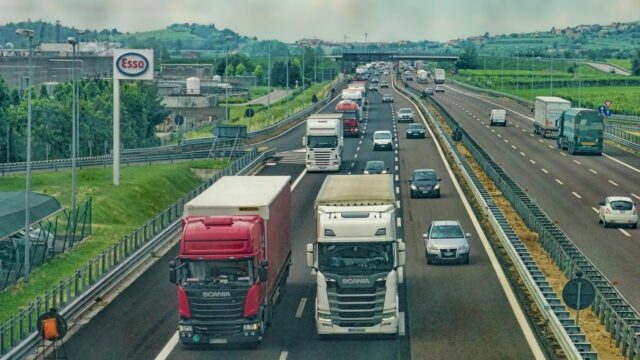
If you drive exactly at 100 km/h on a major expressway, you will quickly notice that the “flow of traffic” in the right-hand passing lane is moving significantly faster than you are. Many local drivers comfortably cruise at 110 or 120 km/h. This creates a confusing situation for foreign drivers: if everyone is speeding, is it safe to speed?
The unwritten rule in Japan is that there is a slight tolerance margin, but it is not a guarantee. While you might not get pulled over for going 5 km/h over the limit, driving 20 or 30 km/h over the posted limit puts you in severe danger of triggering a speed camera or being targeted by a police patrol. As a tourist driving a rental car (which often have “Wa” or “Re” on the license plate, making you easily identifiable as a renter), the absolute safest strategy is to stay in the left lane and adhere strictly to the posted speed limit. Do not feel pressured to match the speed of the fastest cars in the passing lane. If you need a refresher on the basics of highway driving, review our guide on Navigating Urban Expressways: How to Survive the Shuto Expressway in Tokyo.
The Severity of Speeding Fines
The financial penalties for speeding in Japan are structured based on exactly how far over the limit you were driving. The fines escalate rapidly.
If you are caught driving 15 to 20 km/h over the limit on an expressway, the fine is typically around 12,000 to 15,000 yen. However, if you are caught driving more than 40 km/h over the limit on an expressway (e.g., driving 140 km/h in a 100 km/h zone), the situation changes from a simple traffic ticket to a criminal offense. You will not just pay a fine on the spot; you will be required to appear in summary court, and the fine can easily exceed 80,000 or 100,000 yen. For a tourist, navigating the Japanese legal system to pay a criminal traffic fine is a nightmare that will likely require you to alter your flight plans. This is why understanding the enforcement methods is so critical.
Automated Speed Cameras (Orbis System)
The most common way drivers get caught speeding in Japan is by automated speed cameras. In Japan, these systems are collectively referred to as “Orbis” (オービス).
Unlike police cars, Orbis cameras never sleep, and they are strategically placed on long, straight stretches of highway where drivers are most likely to unintentionally (or intentionally) accelerate past the speed limit.
Identifying Orbis Cameras
The Japanese government is actually quite fair about Orbis cameras: they are required by law to warn you before you reach one. As you drive down the expressway, look for large, rectangular blue (or sometimes white) signs suspended over the road or placed on the shoulder. These signs will have Japanese text that reads “自動速度取締機設置路線” (Automated Speed Enforcement Device Installed Route).
When you see one of these warning signs, a camera is usually coming up within the next one to two kilometers. Often, there will be two or three warning signs spaced out before you actually reach the device. The cameras themselves are usually massive grey or white boxes mounted on gantries directly over the driving lanes. They are very obvious if you know to look for them. If you speed past an Orbis camera, it will emit an incredibly bright red flash, photographing your license plate and the driver’s face.
What Happens if You Are Flashed?
If you trigger an Orbis camera while driving a rental car, you cannot simply ignore it and fly home. The police will trace the license plate to the rental car agency.
The rental agency will then identify you as the driver based on your rental contract. Because the notification process takes several weeks, you will likely have already returned the car and left the country by the time the ticket arrives at the rental agency. When this happens, the rental agency will charge the fine (plus a hefty administrative fee) directly to the credit card you used to book the car. If the charge fails, they will ban you from renting from them in the future and may share your information with other agencies. It is an inescapable system, which is why paying attention to the blue warning signs is the most important habit you can form while driving in Japan.
Unmarked Police Cars (Fukumen Patoka)
While Orbis cameras are stationary and warn you of their presence, unmarked police cars are mobile, stealthy, and actively hunt for speeders.
In Japan, unmarked police cars are called “Fukumen Patoka” (覆面パトカー), which literally translates to “masked patrol cars.” They are the biggest fear of local drivers who like to speed.
How to Spot a Fukumen Patoka
The Japanese police do not use sports cars or aggressive-looking SUVs for their unmarked fleet. Instead, they use the most boring, standard-looking sedans possible. The most common vehicle used as a Fukumen Patoka is the Toyota Crown, typically in silver, white, or black. They are designed to blend perfectly into standard highway traffic.
However, there are a few subtle clues that can help you identify them. First, look at the rear windows; they are almost always heavily tinted. Second, look closely at the roof. Fukumen cars have a specialized panel on the roof that pops open to reveal a red siren light when they are pulling someone over. When the light is hidden, you can sometimes still see the faint outline of the square panel. Finally, observe the driver and passenger. There are always two officers in a Fukumen, and they are usually wearing light blue uniforms and white helmets, even inside the car. If you are cruising in the passing lane and notice a spotless silver Toyota Crown pacing you from the left lane, with two helmeted figures inside, slow down immediately.
The Pull-Over Process
The way a Fukumen operates is by pulling in behind a speeding car and pacing it to record its speed. They must pace you for a certain distance to get a legally binding reading.
If they determine you are speeding, the red light will pop out of the roof, the siren will blare, and a digital sign will pop up in their rear window flashing instructions in red Japanese text (usually saying “パトカーに続け” – Follow the patrol car). They will pull in front of you and guide you to the nearest safe area, which is usually a Service Area, a Parking Area, or an emergency pull-off zone. Once stopped, they will show you the recorded speed and write the ticket. While some highway patrol officers speak a little English, you should not expect it. Be polite, hand over your International Driving Permit (IDP) and passport, and accept the ticket. Arguing with Japanese police on the side of the highway is never a winning strategy.
Safe Driving Habits for Tourists
The best way to deal with speed cameras and unmarked police cars is to simply not give them a reason to target you.
As a tourist, your priority should be enjoying the scenery and arriving safely, not setting a personal record for the fastest drive between Tokyo and Kyoto.
Utilizing Adaptive Cruise Control
Most modern rental cars in Japan come equipped with advanced safety features, including Adaptive Cruise Control (ACC). This is your best defense against accidental speeding.
- Set It and Forget It: Once you are on the expressway, set the cruise control to exactly the posted speed limit (e.g., 100 km/h).
- Stay in the Left Lane: The left lane is the cruising lane in Japan. Only use the right lane to pass significantly slower vehicles (like heavy trucks).
- Let Aggressive Drivers Pass: If someone is tailgating you while you are doing the speed limit, do not speed up. Safely move to the left lane and let them pass. Let them get the ticket instead.
By letting the car manage your speed, you remove the risk of your foot getting heavy on long, straight downhill sections where Orbis cameras are frequently located. It also significantly reduces driving fatigue on long road trips.
Monitoring GPS and Navigation Apps
While the physical blue signs are the official warning for Orbis cameras, technology provides an excellent backup. The built-in GPS navigation systems in Japanese rental cars will often issue a verbal warning (in Japanese) when you are approaching a known speed camera location.
If you prefer to use your smartphone, apps like Google Maps or Navitime will also frequently alert you to upcoming speed traps. However, do not rely entirely on apps to save you from Fukumen (unmarked police cars), as they are mobile and unpredictable. The combination of using your cruise control, staying out of the passing lane unless necessary, and keeping a watchful eye out for silver Toyota Crowns will ensure your Japanese road trip remains stress-free and devoid of expensive fines.
Conclusion
Understanding how speed limits are enforced on Japanese expressways is a critical part of planning your road trip. The penalties for speeding are severe, and the enforcement methods—ranging from massive automated Orbis cameras to stealthy, unmarked Toyota Crowns—are highly effective.
By familiarizing yourself with the blue warning signs that precede Orbis cameras and learning to spot the subtle clues of a Fukumen patrol car, you can protect yourself from unexpected fines. However, the most effective strategy is the simplest: respect the posted speed limits, utilize your rental car’s cruise control, and stick to the left cruising lane. Driving in Japan is a beautiful experience that should not be rushed. By taking your time and driving defensively, you can enjoy the stunning coastal views and world-class Service Areas without the lingering anxiety of a flashing red light in your rearview mirror.