Navigating Urban Expressways: How to Survive the Shuto Expressway in Tokyo
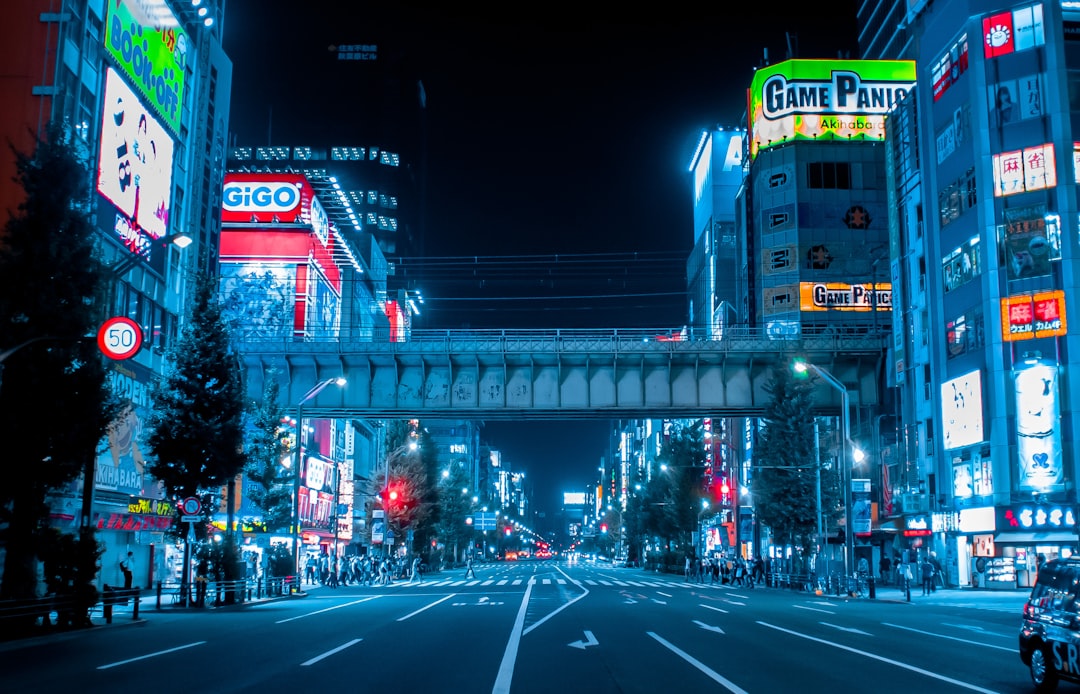
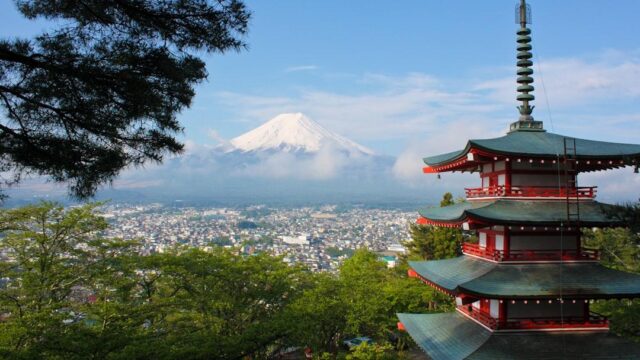
For many international tourists, the dream of a Japanese road trip involves cruising alongside Mount Fuji, exploring the expansive countryside of Hokkaido, or island-hopping across the Seto Inland Sea. However, if you rent your car at Narita Airport, Haneda Airport, or anywhere within central Tokyo, your idyllic road trip must first begin with a trial by fire: navigating the Metropolitan Expressway network, universally known as the “Shuto Expressway” (首都高, Shutokou).
The Shuto Expressway is unlike any other highway system in the world. It was rapidly constructed ahead of the 1964 Tokyo Olympics, crammed into the existing, dense urban grid. Instead of blasting through neighborhoods, the engineers built the highway directly over the city’s rivers, canals, and existing surface streets. The result is a chaotic, multi-layered rollercoaster of tight curves, blind on-ramps, subterranean tunnels, and exits that seemingly drop out of the sky. For a first-time foreign driver, it can be an intensely intimidating experience. This guide will provide you with the specific survival strategies required to navigate the Shuto Expressway safely, helping you escape the urban maze and begin your true Japanese road trip with your sanity intact.
The Unique Challenges of the Shutokou
The Shuto Expressway defies almost all standard rules of highway engineering. It prioritizes maximizing space over driving comfort, which leads to several unique hazards that you must anticipate before you even turn the ignition key.
The Terror of the Blind, Right-Hand Merge
In almost every country that drives on the left side of the road, highway on-ramps enter from the left, allowing you to merge into the slowest lane of traffic. On the Shuto Expressway, this logic frequently does not apply. Because the highway is built above narrow rivers and between skyscrapers, the engineers had to squeeze the entry ramps wherever they could fit them.
This means you will frequently encounter on-ramps that merge directly into the fast, right-hand passing lane. Furthermore, because space is so limited, these ramps often have virtually zero merging distance. You will drive up a steep, curving ramp, and the moment you reach the top, you are immediately dumped into the high-speed lane with no runway to match the speed of the traffic. You must check your right-side mirror and over your right shoulder aggressively while climbing the ramp. Do not hesitate; you must accelerate hard to match the flow of traffic, or come to a complete stop at the top of the ramp (which is terrifying but sometimes necessary) and wait for a gap. Understanding the unspoken rules of merging, such as the Zipper Merge and the “Thank You” Hazard Lights, is absolutely critical when dealing with these brutal urban on-ramps.
Tight Curves, Tunnels, and Speed Limits
The Shuto Expressway was not built for speed; it was built for volume. Because it follows the meandering paths of Tokyo’s old waterways, the road is incredibly winding. You will encounter sharp, 90-degree curves suspended hundreds of feet in the air, often banked aggressively. Consequently, the speed limit on the Shuto Expressway is much lower than the national standard.
The absolute maximum speed limit is usually 60 km/h (about 37 mph), and on the tightest inner-city loops, it drops to 50 km/h or even 40 km/h. Despite these low limits, local taxis and commercial drivers who drive the route daily will often navigate these curves at terrifying speeds. Do not attempt to keep up with them. Stick to the posted speed limit, stay in the left lane whenever possible, and be hyper-vigilant for the sudden appearance of brake lights. The route also dives frequently into complex underground tunnel networks, most notably the massive Yamate Tunnel. When you enter these tunnels, the GPS signal on your smartphone will instantly die. This is why relying on your vehicle’s integrated navigation system is crucial; for a detailed breakdown of why this is necessary, read our guide on Google Maps vs. Built-in Car Navigation.
Strategies for a Stress-Free Exit
The ultimate goal when driving the Shuto Expressway as a tourist is simply to get off it and onto the wider, more relaxed national expressways (like the Tomei or Chuo) heading out of the city. Achieving this requires careful preparation and an understanding of the tolling system.
Route Planning and Avoiding Rush Hour
The most effective way to survive the Shuto Expressway is to avoid its worst aspects entirely. Timing is everything. The network is completely paralyzed during the morning rush hour (7:00 AM to 9:30 AM) and the evening commute (5:00 PM to 8:00 PM). If you attempt to leave Tokyo during these times, you will spend two hours sitting in bumper-to-bumper traffic on an elevated bridge. Plan to pick up your rental car and hit the road either mid-day or very early in the morning on a weekend.
Before you start driving, study your route on Google Maps while you are still parked. Understand exactly which major route number you need to follow. The Shuto Expressway uses a numbered route system (e.g., C1 for the Inner Circular Route, Route 3 for the Shibuya Line heading to the Tomei Expressway). Memorize the route number and the color associated with it on the overhead signs. Do not try to read the names of the exits in English while navigating a tight curve at 60 km/h; simply follow the large yellow numbers in the green shields painted on the signs and directly on the asphalt. The road surface itself will often have colored lines painted on it guiding you to the major outbound junctions; trust the paint over your GPS if the two conflict.
The ETC System is Mandatory for Your Sanity
While you can technically drive on the Shuto Expressway and pay cash at the toll booths, doing so is highly discouraged. The toll gates are often located in awkward, cramped locations, and scrambling for coins while local traffic honks behind you adds an immense layer of unnecessary stress. Furthermore, the Shuto Expressway recently transitioned to a distance-based toll system. If you use cash, you are automatically charged the maximum possible toll regardless of how short your trip was.
Renting an ETC (Electronic Toll Collection) card is absolutely vital for urban driving. With an ETC card, the toll gates read your entry and exit points and charge you the exact, discounted distance rate. More importantly, it allows you to glide through the toll plazas at 20 km/h without stopping, maintaining the flow of traffic and drastically reducing your anxiety. Make sure the rental agency properly installs the card and the reader confirms it is active before you merge into the urban chaos. If you need a refresher on the mechanics of the system, review How to Use ETC in Japan: A Complete Guide.
Conclusion
Driving the Shuto Expressway is undoubtedly the most intense part of a Japanese road trip, but it is entirely manageable if you approach it with caution, preparation, and the right tools. It is a spectacular feat of engineering, and driving it provides a distinctly cyberpunk view of Tokyo that you cannot get anywhere else.
To ensure you survive the concrete jungle and reach the open road safely, remember these critical survival tactics:
- Beware the right-side merge: On-ramps frequently dump you directly into the fast passing lane with zero merging distance. Accelerate hard and check your blind spots aggressively.
- Trust the built-in Car Navi: Your smartphone GPS will fail in the massive underground tunnels; rely on the car’s built-in system to track your position.
- Follow the numbers, not the names: Memorize your route number (e.g., Route 3, C1) and follow the painted numbers on the signs and the asphalt.
- Avoid peak hours: Never attempt to navigate out of Tokyo between 7:00-9:30 AM or 5:00-8:00 PM unless you want to sit in endless traffic.
- Rent an ETC Card: Cash tolls are more expensive and highly stressful at cramped urban gates. ETC allows you to roll through smoothly.
By anticipating the blind merges, respecting the low speed limits, and trusting the route numbers, you will successfully navigate the world’s most complex urban highway and begin your Japanese adventure with confidence.