How to Survive Highway Traffic Jams (Obon & Golden Week) in Japan
Renting a car and hitting the open road is one of the best ways to explore the hidden corners of Japan. The freedom to pull over at a scenic viewpoint or discover a tiny village is an incredible experience. But there are two times of the year when that dream can turn into a parking lot nightmare: Golden Week in late April/early May and the Obon holiday in mid-August.
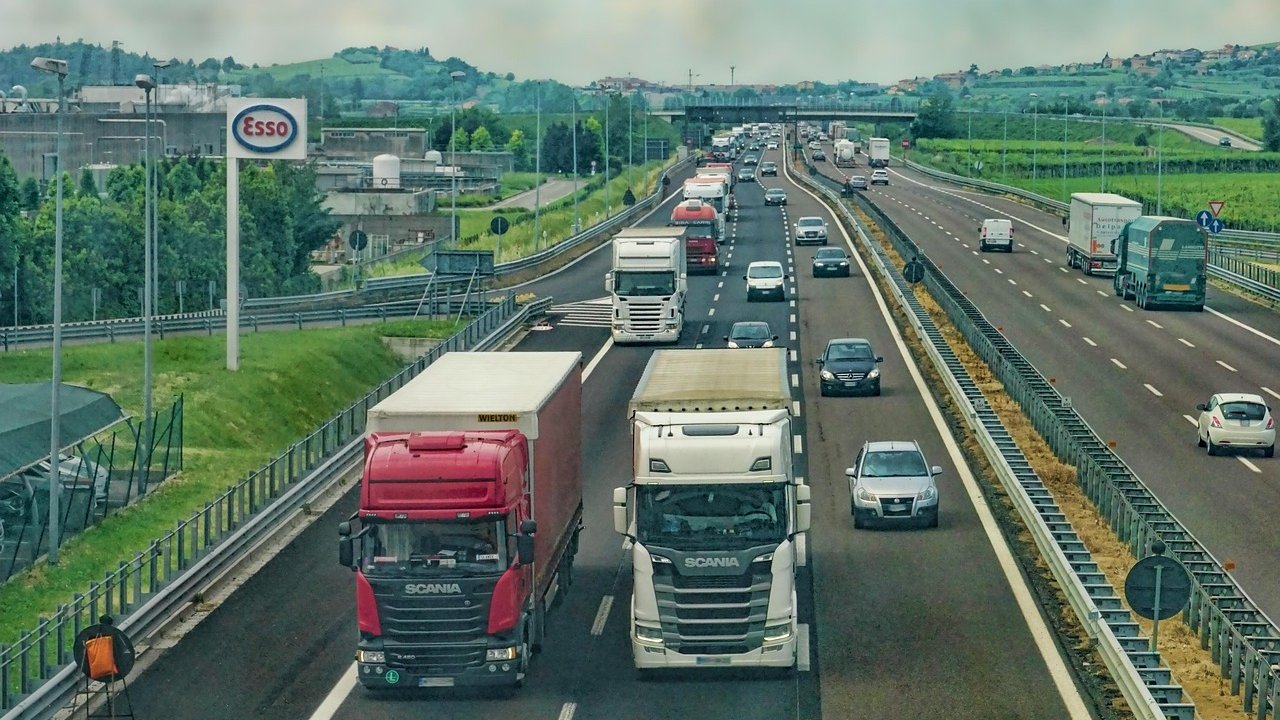
Imagine traffic jams stretching for 30, 40, or even 50 kilometers. This isn’t an exaggeration; it’s the reality of driving during Japan’s peak holiday seasons. Millions of people head out of the major cities all at once to visit family or take a vacation.
But don’t cancel your road trip just yet. Getting stuck in traffic is a massive headache, but with a bit of local knowledge and smart planning, you can not only survive it but maybe even find a way to enjoy the unique culture of Japan’s highway rest stops. This guide is here to give you the practical, real-world advice you need to navigate these chaotic periods.
What Are Obon and Golden Week? Understanding Japan’s Peak Travel Seasons
Before we dive into survival tactics, it’s crucial to understand *why* these traffic jams happen. These aren’t just long weekends; they are deeply ingrained parts of Japanese culture that cause a nationwide migration. Knowing the context will help you appreciate the scale of the challenge and plan accordingly. For a general overview, you can also check out our article on what to expect during Golden Week and Obon traffic.
Golden Week: The Late April/Early May Holiday Rush
Golden Week is a collection of four national holidays packed into a seven-day period, usually starting around April 29th and ending around May 5th. Many companies shut down for the entire week, giving almost everyone in the country a long, simultaneous vacation. It’s the perfect opportunity for people to take their first big trip of the year.
This mass exodus from cities like Tokyo, Osaka, and Nagoya means the main arteries, like the Tomei and Chuo Expressways, become completely clogged. The traffic heading out of the cities is heaviest on the first couple of days of the holiday period, while the return traffic peaks on the last two days. It’s a predictable pattern, but the sheer volume of cars is staggering. If you’re planning a drive from Tokyo to Kyoto during this time, a trip that normally takes 5-6 hours could easily stretch to 10-12 hours or more.
Obon: The Mid-August Ancestral Tradition
Obon, which typically occurs around the middle of August, is a Buddhist tradition for honoring the spirits of one’s ancestors. While not an official national holiday, it’s one of the most important family events of the year, and most companies grant their employees several days off. This results in a massive “homecoming” rush, where millions of people travel from the big cities back to their hometowns in more rural parts of Japan.
This is often referred to as the “great migration,” and it creates some of the worst traffic jams of the entire year. The expressways become rivers of red tail lights, especially on the outbound routes around August 11th-13th and the inbound routes around August 15th-16th. Unlike Golden Week, which is more for leisure travel, Obon is a deeply felt family obligation for many, making the traffic almost unavoidable for a large portion of the population. Driving during this period requires immense patience and a solid game plan.
Pre-Trip Planning: Your First Line of Defense Against Traffic
You can’t control the number of cars on the road, but you can control how you approach your journey. Spontaneity is great for a normal road trip, but during Golden Week and Obon, meticulous planning is your best friend. A few hours of research before you leave can save you countless hours of frustration sitting in traffic.
Timing is Everything: When to Hit the Road
The single most effective way to beat the crowds is to travel when everyone else is asleep. The worst of the traffic jams typically builds from around 6:00 AM and lasts well into the afternoon. Your best bet is to leave extremely early or late at night. Many Japanese drivers will hit the road between midnight and 4:00 AM. It sounds intense, but the highways are remarkably clearer during these hours. As a bonus, you can take advantage of the late-night discount on expressway tolls if you’re using an ETC (Electronic Toll Collection) card.
Before you go, check the traffic predictions. Websites like the NEXCO (Nippon Expressway Company) provide detailed congestion forecasts, though they are primarily in Japanese (Google Translate works well enough to get the gist). For real-time updates, Google Maps and Waze are invaluable. You can also look into Japanese navigation apps like Navitime, which often have more accurate traffic data. Check out our guide to the top apps for checking highway conditions for more options.
Choosing Your Route Wisely: Expressways vs. Local Roads
The major expressways connecting big cities are guaranteed to be jammed. Think of the Tomei Expressway between Tokyo and Nagoya or the Kan-Etsu Expressway heading towards Niigata. While your GPS might suggest these as the fastest routes, they can become the slowest during peak season.
Consider alternative routes, even if they look longer in distance. Sometimes, a slightly more roundabout expressway is less congested than the main one. For example, the Shin-Tomei Expressway often flows better than the older Tomei Expressway. Don’t be afraid to take local roads for parts of your journey, but be strategic. While they can offer a nice change of scenery, they are often slow due to traffic lights and lower speed limits. The best approach is often a hybrid one: use local roads to bypass a specific, well-known bottleneck on the expressway, then get back on when the traffic clears up. This requires active navigation and a bit of adventurous spirit, but it can make a huge difference.
Essential Gear and Supplies for a Long Haul
When you’re facing a potential 10-hour standstill, your rental car becomes your home on wheels. Preparing for the worst-case scenario is key. Assuming you *will* get stuck is the right mindset. This means packing everything you need to stay comfortable, hydrated, fed, and sane for an extended period.
In-Car Comfort and Entertainment
Keeping morale high is half the battle, especially if you’re traveling with children. Before you leave, load up tablets with movies and games. Download playlists, podcasts, or audiobooks for the adults. A dead phone is a disaster, so make sure you have car chargers and fully charged power banks for everyone.
Simple comfort items can make a world of difference. Neck pillows can help you or your passengers nap more comfortably. A small blanket is great for when the AC gets too cold. Sunshades for the windows are essential, as the sun beating down on you in stationary traffic can be draining. If you’re traveling with little ones, our guide to renting a car with a baby in Japan has more specific tips. Think of your car as a cozy survival pod, and pack accordingly.
Stocking Up on Food, Drinks, and Emergency Supplies
While Japan’s Service Areas (SAs) are amazing, they will be incredibly crowded. Don’t rely on them for all your needs. Before getting on the expressway, stop at a supermarket or convenience store. Stock a cooler with plenty of water, tea, and other drinks. Dehydration is a real risk. Pack easy-to-eat snacks like onigiri (rice balls), sandwiches, nuts, and fruit that don’t require preparation.
Here’s a pro tip that might sound extreme but is genuinely practical: pack a portable emergency toilet. You can buy these at home improvement stores or online. When you’re stuck in a jam miles away from the next rest stop, especially with kids, it can be a lifesaver. Also, include a roll of paper towels, wet wipes, and plastic bags for trash. Finally, fill up your gas tank before you get on the expressway. Highway gas stations are more expensive, and you don’t want to risk running out of fuel while idling in traffic. For more info, see our guide on how to use highway gas stations in Japan.
Mastering the Service Area (SA) and Parking Area (PA)
During a traffic jam, Japan’s highway rest stops—Service Areas (SAs, larger facilities with restaurants and gas stations) and Parking Areas (PAs, usually smaller with just restrooms and vending machines)—transform from convenient pit stops into chaotic sanctuaries. Knowing how to navigate them efficiently is a critical survival skill.
The Battle for Parking and Restrooms
Finding a parking spot at a major SA like Ebina or Ashigara during peak season can feel like winning the lottery. Be prepared to circle the lot for a while. A good strategy is to head to the far end of the parking lot, away from the main building, as most people try to park as close as possible.
The restrooms will have long lines, especially for women. Here’s an insider tip: many SAs have more than one restroom facility. The one right at the main entrance is always the busiest. Look for another set of restrooms further down, perhaps near the gas station or at the other end of the building—they are often less crowded. If you just need a quick bathroom break, consider stopping at a smaller, less popular PA instead of a famous SA. The facilities might be simpler, but the lines will be much shorter. Our beginner’s guide to highway restrooms can help you know what to expect.
Food, Fuel, and Finding Information
The food courts will be packed, with every table taken. If you’re with a group, have one person grab a table while the others order food. Or, even better, buy takeaway items from the food stalls or the souvenir shop and eat in your car. Many SAs are famous for their local specialties, so it’s still worth exploring.
While some larger SAs on major routes might have English menus, don’t count on it. Most use a ticket vending machine system for ordering, which is often only in Japanese. Look for pictures on the buttons, or use a translation app on your phone. The staff are usually helpful if you politely ask for assistance. Inside the main building, look for the “Highway Information” terminal. These digital screens provide real-time traffic maps, showing where the congestion is, estimated travel times, and any accidents. It’s an essential tool for deciding whether to wait it out or look for an alternate route. Learn more about the food experience in our guide to navigating rest stop food courts.
On-the-Road Tactics: Staying Safe and Sane in Bumper-to-Bumper Traffic
You’ve done all the planning, but you still find yourself in a sea of cars. Now it’s all about your mindset and how you handle the situation from behind the wheel. Staying calm and driving defensively is paramount.
Driving Techniques and Etiquette
When traffic is crawling, it’s easy to get distracted. Maintain a safe following distance from the car in front of you. This gives you more time to react and avoids the constant, tiring cycle of hitting the gas and then the brakes. Stay in your lane as much as possible; frequent lane changes rarely save you much time and increase the risk of an accident.
Be aware of Japanese driving etiquette. The right lane on the expressway is for passing only. Even in a traffic jam, don’t linger there. You might also see drivers flash their hazard lights for a couple of seconds after someone lets them merge. This is a common way of saying “thank you.” A little politeness goes a long way in reducing collective stress on the road. For more on this, check out our article on the unspoken rules of Japanese highways.
Keeping Your Cool and Managing Driver Fatigue
Traffic jams are mentally exhausting. The driver, in particular, needs to stay focused but also relaxed. Put on some calming music or an engaging podcast. If you have a co-pilot, switch driving duties every couple of hours. Even if you’re not moving much, the concentration required is draining.
Whenever you manage to stop at an SA or PA, take a proper break. Get out of the car, stretch your legs, and walk around for at least 15 minutes. If you feel drowsy, do not try to power through it. Pull over at the next rest stop and take a 20-30 minute nap. Japanese highways are very safe, and you’ll see many local drivers doing the same thing. It’s far better to arrive a little later than to risk an accident due to fatigue. Sleeping in your car for a short rest is perfectly acceptable and a common practice.
Alternatives to Driving During Peak Seasons
After reading all this, you might be wondering if driving is worth the hassle. During these specific peak weeks, it’s a fair question. If your itinerary is flexible, it’s worth considering other modes of transportation that are immune to road traffic.
The Shinkansen: Japan’s High-Speed Solution
The Shinkansen (bullet train) is, without a doubt, the most efficient and stress-free way to travel between major cities during Golden Week and Obon. It’s fast, punctual, and completely unaffected by what’s happening on the expressways. A journey from Tokyo to Osaka that could take 12 hours by car is a comfortable 2.5 hours by train.
The catch, of course, is that everyone else has the same idea. Train tickets for this period sell out weeks, sometimes even a month, in advance. You absolutely must book your reserved seats as early as possible. You can try for non-reserved seats, but be prepared to stand for the entire journey, packed in like sardines. If you can secure a ticket, however, the Shinkansen is the superior choice for long-distance travel during these holidays.
Domestic Flights and Highway Buses
For very long distances, such as from Tokyo to Fukuoka or Sapporo, flying is a viable option. Just like the Shinkansen, flights get booked up far in advance, and prices surge, so early booking is critical. Remember to factor in the time and cost of getting to and from the airports, which can be located far from the city center.
Highway buses are the most budget-friendly option, but they offer the worst of both worlds. They are subject to the exact same traffic jams as cars, so a scheduled 8-hour trip could easily become a 15-hour ordeal. The only advantage is that you’re not the one driving, so you can try to sleep or watch movies. Overnight buses are a popular choice as they save on a night’s accommodation, but be prepared for potential delays throwing your morning plans into disarray.
Conclusion
Driving in Japan during Golden Week or Obon is a serious challenge, but it’s not an impossible one. The key is to shift your mindset from “getting there as fast as possible” to “making the journey manageable and even enjoyable.” Meticulous planning is non-negotiable. By choosing your travel times wisely, packing your car like a survival kit, and using the highway rest stops strategically, you can mitigate much of the stress. Embrace the chaos as part of the adventure. The crowded SA/PA you stop at might have some of the most delicious regional food you’ll try on your trip. The slow pace might force you to notice the stunning mountain scenery you’d otherwise speed past. Above all, prioritize safety. Stay patient, stay alert, and take breaks when you need them. With the right preparation and attitude, you can conquer the traffic and create a road trip story you’ll be telling for years to come.