The Best Highway Parking Areas in Japan with Children’s Museums and Playgrounds
Embarking on a long family road trip across Japan can be an incredible adventure, offering unparalleled flexibility to explore rural areas and hidden gems. However, any parent knows that keeping young children entertained while confined to a car seat for hours is a universal challenge. The inevitable restless energy and choruses of “are we there yet?” can quickly turn a scenic drive into a stressful ordeal. Fortunately, the operators of Japan’s expressways are acutely aware of this, and they have transformed their Service Areas (SA) and Parking Areas (PA) into significantly more than just places to refuel and use the restroom. Across the country, you will find rest stops intentionally designed as family destinations, featuring expansive indoor playgrounds, outdoor parks, and even full-scale children’s museums. These facilities are absolute lifesavers for traveling parents, providing safe, engaging environments where children can burn off energy, stretch their legs, and reset their moods before getting back on the road. This guide highlights the best family-focused rest stops in Japan, turning necessary pit stops into memorable highlights of your vacation.
The Concept of the “Highway Oasis”
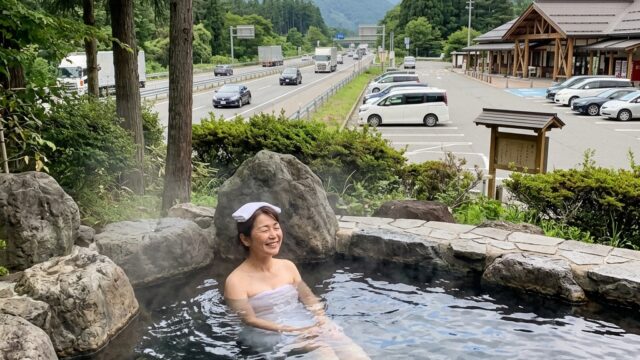
In Japan, a specific tier of rest stops is officially designated as a “Highway Oasis” (ハイウェイオアシス). These are not standard service areas; they are massive facilities directly connected to the expressway, but they are also accessible from local public roads. This unique setup allows them to integrate deeply with the surrounding community, often incorporating extensive municipal parklands, recreational facilities, and cultural attractions right alongside the standard food courts and gas stations.
Expansive Outdoor Play Areas
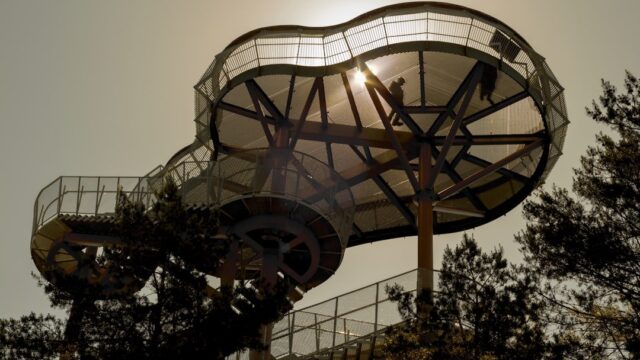
The defining feature of most Highway Oasis locations is the sheer amount of outdoor space dedicated to recreation. When you pull into one of these facilities, you are often stepping out of your car and directly into a sprawling public park. These parks frequently feature massive, multi-level jungle gyms, long roller slides that utilize the natural topography of the hills, and expansive grassy fields perfect for letting toddlers run freely without the worry of nearby traffic. After hours of sitting in a cramped car, the physical release these parks provide is invaluable. The equipment is universally well-maintained, safe, and often themed around the local region’s culture or nature. The sheer scale of these playgrounds often dwarfs the municipal parks found in large cities, providing a truly impressive space for children to play and explore safely.
For example, the Yoshinogawa Highway Oasis on the Tokushima Expressway features beautifully landscaped areas where families can walk along the river, while the Kariya Highway Oasis near Nagoya boasts an actual Ferris wheel and a mini amusement park. These are not small, token playgrounds tucked behind a gas station; they are primary attractions that draw local families on weekends. Spending an hour at a Highway Oasis allows your children to get a serious physical workout, which almost guarantees a quieter, more peaceful atmosphere once everyone is back in the car. It is a strategic stop that pays massive dividends for the rest of your driving day, transforming a restless child into a tired, happy one. The ability to seamlessly integrate a major physical activity into a long driving day without having to navigate off the expressway and find parking in an unfamiliar town is an incredible logistical advantage that Japanese highways provide to traveling families. It makes the journey itself enjoyable. These amazing playgrounds are specifically designed to tire out hyperactive children before long stretches of driving.
Integrating Local Culture and Education
Beyond just physical play, many Highway Oasis locations incorporate elements of local culture, agriculture, and education, making the stop enriching as well as entertaining. You will often find petting zoos featuring regional farm animals, botanical gardens showcasing local flora, and even small interactive exhibits about the history of the area. This turns a simple rest stop into a miniature educational field trip. For international families, it is a fantastic, low-pressure way to introduce children to Japanese culture without the stress of navigating a crowded, major tourist attraction in a big city. The hands-on nature of these exhibits ensures that children remain engaged and actually learn something about the regions they are passing through, rather than just staring at a screen in the back seat.
Furthermore, the integration with the local community means the food available at a Highway Oasis is often exceptional. You can find massive farmers’ markets selling fresh, locally grown fruits—like massive strawberries in the winter or sweet peaches in the summer—which make for perfect, healthy car snacks. Some locations even offer family-friendly workshops, such as simple crafts using local materials or fruit-picking experiences if the season is right. The philosophy behind the Highway Oasis is that the journey itself should be enjoyable, and by providing these rich, multifaceted environments, they ensure that families are genuinely refreshed and enriched before continuing their travels across the country. Allowing your children to participate in a quick, traditional craft workshop or sample freshly harvested local produce at a highway rest stop creates wonderful, unexpected memories that often rival the planned destinations of the trip itself.
- Signage: Look for the words “Highway Oasis” (ハイウェイオアシス) on the green highway signs, often accompanied by a tree or park icon.
- Size: They are significantly larger than standard SAs and PAs.
- Facilities: Always feature extensive parks, playgrounds, and often unique attractions like Ferris wheels or museums.
- Local Access: They function as both a highway rest stop and a local community park.
Interactive Children’s Museums
While outdoor parks are common, some specific rest stops elevate the family experience by hosting fully functional, indoor children’s museums. These are absolute game-changers, particularly on days when the weather is uncooperative. Whether you are dealing with the intense heat and humidity of a Japanese summer, torrential rain, or winter snow, these indoor facilities provide a guaranteed sanctuary of entertainment and education right on the highway.
The Mibu Highway Park (Toy Museum)
One of the most famous examples of this is the Mibu Highway Park, located on the Kita-Kanto Expressway in Tochigi Prefecture. This massive rest stop is directly connected to the Mibu-machi Toy Museum (壬生町おもちゃ博物館). Tochigi has a long history of toy manufacturing, and this museum is a vibrant celebration of that heritage. The facility is enormous, featuring multiple floors of interactive exhibits designed entirely for children. There are massive ball pits, climbing structures shaped like giant toys, and countless areas where children can physically play with classic and modern Japanese toys, from intricate model trains to traditional wooden crafts. The museum frequently rotates its interactive exhibits, ensuring that there is always something new and exciting to discover, even if you travel the route multiple times.
For parents, it is an incredibly nostalgic experience, while for children, it is nothing short of paradise. The museum is designed to encourage hands-on interaction, meaning children are not just looking at displays; they are actively playing, building, and exploring. Because it is directly accessible from the highway, you do not even need to exit the toll gate to visit; you simply park your car, walk through the connecting gate, and spend a few hours in the museum before returning to your vehicle and continuing your journey. It is a seamless, brilliant integration of a major attraction into the highway infrastructure, and it is entirely capable of turning a grumpy, car-sick child into one who is thrilled about the road trip. It is highly recommended to plan your itinerary specifically to hit this stop if you are traveling north from Tokyo with young ones, as it provides the perfect mid-point break to maintain everyone’s sanity. The sheer scale and quality of this facility truly blur the line between a highway rest stop and a major standalone tourist destination.
Educational Science Centers
Other rest stops focus their indoor facilities on science and nature. For example, some locations connected to national parks or areas of unique geological interest feature interactive science centers. These centers often include hands-on exhibits explaining local wildlife, earthquake mechanics, or the engineering behind the massive bridges and tunnels that make the expressway system possible. These exhibits are designed to be highly tactile, featuring buttons to push, levers to pull, and interactive screens that engage children on multiple sensory levels. The focus is always on interactive learning, ensuring that complex scientific concepts are presented in a fun, accessible manner that captures the attention of young minds.
These educational centers provide a fantastic opportunity to sneak some learning into the vacation while keeping the children entertained. They are particularly useful for older children who might have outgrown standard jungle gyms. They provide context to the landscapes you are driving through; a child who has just learned about volcanic activity at a rest stop exhibit will be much more engaged when looking out the window at the mountains an hour later. The quality of these facilities rivals standalone museums in major cities, proving that Japanese highway operators view their role as much more than just providing gas and bathrooms; they are actively working to enrich the travel experience for the entire family. Furthermore, these centers often host small weekend workshops or science demonstrations led by enthusiastic staff, adding an extra layer of engagement for traveling families lucky enough to pass through at the right time. For parents, walking through these exhibits with their children offers a wonderful chance to bond over shared discoveries, turning a simple bathroom break into a meaningful educational moment that enhances the overall impact of the vacation. The knowledge gained here often sparks fascinating conversations for the remainder of the car ride.
Dedicated Indoor Playrooms
Not every rest stop can host a massive museum, but the vast majority of recently renovated, larger Service Areas (SAs) now include dedicated indoor playrooms specifically designed for toddlers and infants. These smaller spaces are crucial for families traveling with very young children who cannot yet safely navigate the massive outdoor jungle gyms but still desperately need time out of their car seats.
The “Kids Corner” (キッズコーナー)
These indoor spaces are universally referred to as a “Kids Corner” (キッズコーナー). They are typically located inside the main building, often adjacent to the food court or the nursing rooms, allowing parents to easily supervise their children while grabbing a coffee or a quick meal. The design of a Kids Corner is highly standardized for safety. They are always enclosed by low, soft walls, preventing toddlers from wandering out into the busy food court. The floors and all the play structures are heavily padded with soft mats to prevent injuries from inevitable falls. The use of bright, engaging colors and simple, safe toys makes these areas immediately appealing to young travelers seeking a break from the monotony of the car interior.
Inside, you will usually find safe, soft building blocks, small slides, and interactive wall panels. The environment is always spotlessly clean, as shoes are strictly prohibited inside the padded area. This provides a safe, contained space where infants can practice crawling and toddlers can interact with other traveling children without the stress of a large, crowded outdoor playground. For parents, the Kids Corner is an absolute sanctuary; it allows you to sit down, relax, and take your eyes off your child for a few minutes, knowing they are in a completely safe, enclosed, and padded environment. It is a small feature, but on a long driving day, the mental break it provides to the adults is just as important as the physical break it provides to the children. The strict hygiene protocols ensure that parents can confidently let their infants explore without worrying about dirty surfaces. By offering a designated space specifically for the youngest travelers, highway operators acknowledge that keeping a baby happy is often the most challenging aspect of any road trip, and they have provided the perfect solution. You will likely find yourself seeking these out consistently.
Integration with Family Dining
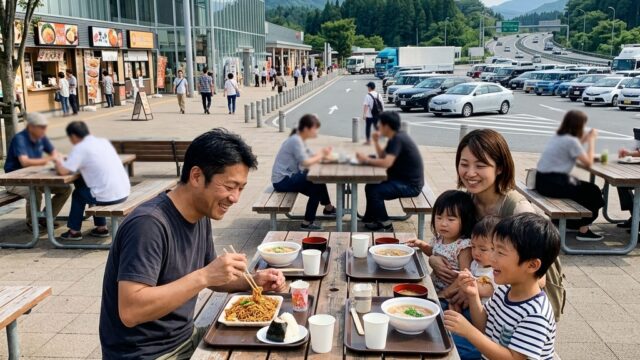
The strategic placement of the Kids Corner is what makes it so brilliant. By locating it near the food court, highway operators have solved one of the greatest challenges of family travel: eating a meal in peace. Many modern Service Areas feature specialized family seating areas—low tables with padded floors (zashiki style) or booths with designated spaces for strollers—located immediately next to the play area. This allows one parent to eat their ramen or udon while the other supervises the children playing just a few feet away, easily swapping roles as needed. This simple layout adjustment eliminates the stress of trying to keep a toddler seated at a traditional restaurant table while waiting for food to arrive.
Furthermore, the food courts themselves are incredibly accommodating to families. You will always find high chairs readily available, and the restaurants frequently offer dedicated “Kids Meals” (お子様ランチ – Okosama Lunch), which usually feature child-friendly portions of curry, fried chicken, or noodles, often served on plates shaped like bullet trains or cars and accompanied by a small toy. The sheer convenience of having a clean, safe play area located directly next to a wide variety of affordable, family-friendly food options makes stopping for lunch at a Japanese SA a relaxing, enjoyable experience rather than a stressful chore. It is a level of integrated family hospitality that is unmatched anywhere else in the world. It proves that the designers of these facilities have deeply considered the practical realities of traveling with children and have built the environment specifically to alleviate those common pain points.
| Facility Type | Best For | Key Features |
|---|---|---|
| Highway Oasis | All Ages / Active Play | Massive outdoor parks, roller slides, open fields, local markets. |
| Children’s Museum | All Ages / Bad Weather | Interactive exhibits, toys, science centers, indoor exploration. |
| Kids Corner | Toddlers & Infants | Soft padded floors, enclosed areas, safe blocks, near food courts. |
| Nursing Rooms | Babies | Private feeding areas, hot water for formula, changing tables. |
Practical Tips for Traveling Parents
To maximize the benefits of these incredible family facilities, it is important to plan your route and understand the amenities available. While the infrastructure is fantastic, navigating a busy rest stop with children still requires some strategic forethought, especially during peak travel seasons like Golden Week or the Obon summer holidays.
Utilizing the Highway Map
The most important tool for a traveling family is the highway map or the official expressway smartphone app. These resources meticulously categorize every single rest stop. Do not just stop at the first parking area you see when the children start getting fussy. Instead, look for the icons indicating a large Service Area (SA) or a Highway Oasis. The maps will use specific symbols to denote the presence of a “Kids Corner,” a nursing room, or an outdoor park. By planning ahead and communicating the plan to your children, you can manage their expectations and significantly reduce the frequency of complaints from the back seat. This level of transparency helps young children understand the timeline of the trip, making them feel more involved and less anxious about how long they will be confined to their car seats.
If you are planning a five-hour drive, purposefully structure your itinerary around a one-hour stop at a major Highway Oasis right in the middle of the journey. Treat the rest stop as an actual destination on your itinerary, not just a necessary evil. By promising the children a visit to a “toy museum” or a “giant roller slide,” you give them something specific to look forward to, which dramatically improves their behavior in the car. It shifts the narrative from “we have to drive for hours” to “we are driving to the giant park.” This proactive approach, heavily utilizing the available information to choose the best possible facilities, will save you immense amounts of stress on the road. It transforms the travel time from a boring necessity into an engaging part of the overall adventure. Taking ten minutes the night before to map out your stops is the best investment a parent can make.
Essential Items for the Rest Stop
While Japanese facilities are incredibly well-equipped, bringing a few essential items from the car will make your rest stop experience smoother. Always bring a small towel or wipes. While the Kids Corners are spotlessly clean, the outdoor parks at a Highway Oasis can be dusty or muddy, especially if your children are using the large roller slides or playing in the water features often found in the summer. Having wipes ready before getting back into the rental car is crucial for keeping the vehicle clean. A small plastic bag to hold any slightly damp or muddy clothes is also highly recommended, as it prevents the rest of your luggage from getting dirty during the drive.
Additionally, always have a dedicated bag with a change of clothes easily accessible in the main cabin of the car, rather than buried deep in the trunk. The outdoor parks are so expansive and engaging that children frequently get sweaty, dirty, or wet while playing. Being able to quickly change them into fresh, comfortable clothes in the expansive family restrooms before strapping them back into their car seats will ensure they are comfortable (and more likely to fall asleep) for the next leg of the journey. Finally, consider bringing a small, reusable shopping bag; the local markets at the Highway Oasis are often irresistible, and you will likely find yourself buying fresh local snacks or small souvenirs to enjoy in the car. Being prepared with these few simple items ensures that you can take full advantage of the messy, physical play available at the rest stops without worrying about the logistical cleanup afterward. Having this dedicated “rest stop kit” ready in the passenger footwell will make every single stop significantly faster and more efficient, allowing you to maximize playtime for the kids and relaxation time for the parents.
Conclusion
The approach to highway rest stops in Japan represents a fundamental shift in how we view road travel. Instead of treating the journey as a grueling endurance test to be survived, the Japanese expressway system, particularly through the Highway Oasis concept and the integration of children’s museums, treats the journey as an integral part of the vacation itself. The operators understand that a family’s comfort and happiness dictate the success of the trip, and they have invested massive resources into ensuring that children are entertained, safe, and comfortable. They recognize that a peaceful car ride is the ultimate luxury for traveling parents.
For international families exploring Japan by rental car, these facilities are nothing short of a revelation. They provide safe havens where children can play freely and parents can genuinely relax, all without ever leaving the highway network. From the padded, spotlessly clean Kids Corners designed for crawling infants to the expansive, multi-level outdoor parks that will exhaust even the most energetic pre-teens, the infrastructure is designed to cater to every stage of childhood. By utilizing this guide and strategically planning your stops around these incredible family-focused facilities, you will transform your Japanese road trip from a logistical challenge into a deeply enjoyable, memorable adventure for the entire family, proving that sometimes the best parts of a vacation are found right on the side of the road. Embracing this infrastructure will undoubtedly make driving one of your favorite ways to explore the country with your family. The convenience, safety, and sheer entertainment value offered by these rest stops are truly world-class, setting a standard that ruins you for highway travel anywhere else in the world. They turn a dreaded car ride into a joyous family event.