Kyoto to Amanohashidate: Exploring Northern Kyoto by Expressway
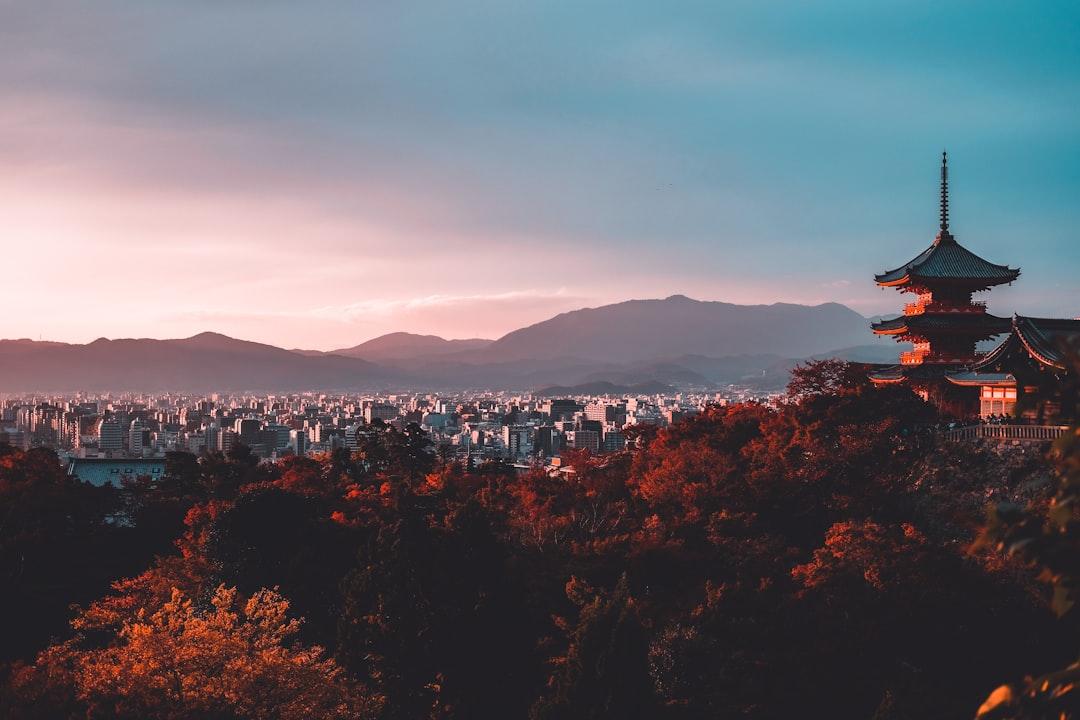
When most international visitors think of Kyoto, they picture the dense, historic city center filled with ancient temples, bustling geisha districts, and crowded bamboo groves. However, Kyoto Prefecture stretches far to the north, all the way to the rugged coastline of the Sea of Japan. This northern region, known as “Kyoto by the Sea,” offers a completely different, much quieter, and arguably more scenic experience than the urban center. The crown jewel of this northern area is Amanohashidate, a pine-covered sandbar that is considered one of Japan’s three most scenic views.
While you can take a train to Amanohashidate, renting a car and driving there via the Kyoto Jukan Expressway gives you unparalleled freedom. It allows you to explore the rural countryside, visit hidden coastal fishing villages like Ine, and experience the excellent Service Areas along the route. This guide will walk you through the practicalities of driving from central Kyoto to Amanohashidate, highlighting the best route, essential stops, and what you need to know about driving in this beautiful, less-traveled part of Japan.
Navigating the Kyoto Jukan Expressway
The drive from central Kyoto (near Kyoto Station) to Amanohashidate takes approximately two hours under normal traffic conditions. The primary route you will take is the Kyoto Jukan Expressway. This highway was fully completed relatively recently, and it dramatically cuts down the travel time between the southern urban areas and the northern coast.
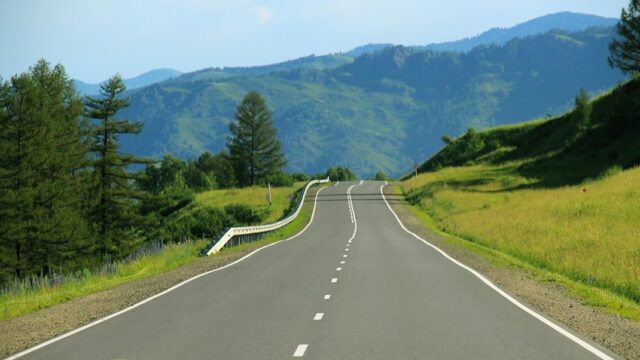
The Kyoto Jukan Expressway is generally a very smooth, two-lane highway that winds its way through deep valleys and rural farmland. It is significantly less crowded than the Meishin Expressway or the Tomei Expressway, making for a very pleasant and relaxing drive.
Managing Tolls and City Exits
Before you get onto the open highway, you must navigate your way out of Kyoto city. The traffic in central Kyoto can be frustrating, with narrow streets, numerous buses, and a heavy volume of bicycles. Rely heavily on your rental car’s GPS to find the most efficient route to the nearest interchange, which is usually the Kutsukake IC on the western edge of the city. Once you pass through the toll gates, the urban sprawl quickly gives way to green mountains.
The toll for a standard passenger car from Kutsukake IC to the Miyazu-Amanohashidate IC is roughly 2,600 yen one way. As always when renting a car in Japan, having an ETC (Electronic Toll Collection) card makes this process completely seamless. You can drive through the purple ETC lanes without stopping, and the toll will be settled when you return the car. If you do not have an ETC card, you must use the green “General” (一般) lanes. It is a very straightforward system, but the convenience of ETC cannot be overstated, especially if you plan to make multiple stops or side trips.
Preparing for Rural Mountain Driving
As you drive north on the Kyoto Jukan Expressway, you will notice the landscape becoming increasingly rural. You will pass through several long tunnels as the highway cuts through the Tamba Mountains. While the expressway itself is wide and well-lit, you should be prepared for the driving conditions once you exit the highway near the coast. The local roads leading to Amanohashidate and the surrounding villages like Ine are often narrow, winding, and hug the coastline tightly.
If you are traveling in the winter months (December to March), you must be aware that northern Kyoto receives significant snowfall. The weather can be drastically different from central Kyoto; it might be clear and sunny at Kyoto Station, but snowing heavily in Miyazu. If you plan a winter trip, you must ensure your rental car is equipped with studless snow tires. In the summer and autumn, the drive is incredibly scenic, but you should still watch out for sudden rain showers that can make the mountain roads slippery. Always keep your headlights on while driving through the numerous tunnels.
Must-Visit Stop 1: Kyotamba PA (Outbound)
About halfway through your journey, you will reach the Kyotamba area. The best place to stop and take a break is the Kyotamba PA (which is integrated with the Kyotamba Ajimu no Sato Roadside Station, or “Michi-no-Eki”).
This stop is essential not just for a restroom break, but because it offers some of the best local agricultural products in the entire prefecture. It perfectly captures the rural charm of the Tamba region.
The Bounty of the Tamba Region
The Tamba region of Kyoto is famous nationwide for its high-quality agricultural produce, particularly its black soybeans (Tamba Kuromame) and chestnuts (Tamba Kuri). When you enter the large retail area at Kyotamba PA, you will be greeted by an overwhelming selection of products featuring these local ingredients. You can find everything from roasted black soybeans (which make an excellent, healthy driving snack) to rich, sweet chestnut pastries and cakes. In the autumn, you can even buy fresh, massive Tamba chestnuts directly from local farmers who set up stalls outside.
Beyond the beans and chestnuts, the facility functions as a massive farmers’ market. Depending on the season, you will find incredibly fresh, locally grown vegetables, mushrooms, and fruits at prices significantly lower than you would find in Kyoto city supermarkets. It is a fantastic place to buy edible souvenirs or even fresh fruit to snack on in your hotel room later. The atmosphere is vibrant and deeply local, providing a stark contrast to the polished, international vibe of central Kyoto.
Excellent Local Food Court Options
If you are hungry for a full meal, the food court at Kyotamba PA is highly recommended. Because it is tied to a Michi-no-Eki, the focus is heavily on local ingredients rather than generic fast food. One of the most popular dishes here is the Kuromame Udon—thick wheat noodles that have been infused with the famous black soybeans, giving them a distinct color and a slightly nutty flavor. It is a unique dish that you are unlikely to find outside of this specific region.
Another excellent option is the local Tamba beef. While not as internationally famous as Kobe or Wagyu, Tamba beef is incredibly high quality, and you can often find it served here in rice bowls (gyudon) or as a hearty croquette. You order your food using a standard ticketing machine, which is usually equipped with pictures to help you make your selection. Eating a hot bowl of Kuromame Udon while looking out at the surrounding green mountains is the perfect way to break up the drive before continuing north to the coast.
Must-Visit Stop 2: Yura River Bridge and Local Roads
While not a formal Service Area, one of the most spectacular parts of this road trip happens shortly after you exit the Kyoto Jukan Expressway at the Miyazu-Amanohashidate IC.
To truly experience “Kyoto by the Sea,” you should take a slight detour along the coastal Route 178 before heading directly to the sandbar. This area offers some of the most iconic and photogenic views in the region.
The Iconic Yura River Railway Bridge
If you drive slightly east along Route 178 towards the town of Yura, you will encounter the Yuragawa Bridge (Yura River Railway Bridge). This is a very low, single-track railway bridge that stretches across the wide mouth of the Yura River, just before it empties into the Sea of Japan. When the local Kyoto Tango Railway train crosses the bridge, it appears as if the train is gliding directly on the surface of the water. It is an incredibly popular spot for photography.
There are several small, safe pull-off areas along the road where you can park your rental car and wait for a train to pass. Even without a train, the view of the wide river meeting the ocean is stunning. Driving along this coastal road requires a slow pace and careful attention, as it is occasionally narrow and shared with local fishermen and cyclists. Taking this short detour perfectly sets the mood for the relaxed, coastal atmosphere of northern Kyoto.
Approaching Amanohashidate
As you loop back towards Amanohashidate, you will drive along the coast of Miyazu Bay. The approach to the famous sandbar is beautiful, but parking can be tricky during peak tourist seasons (especially during the Golden Week holidays in May or the Obon festival in August). It is highly recommended to rely on your GPS to find a designated municipal parking lot near either the Chion-ji Temple (on the southern end) or the Motoise Kono Shrine (on the northern end).
- Avoid driving directly into the narrow streets immediately adjacent to the sandbar.
- Look for the large, paved municipal lots marked with a blue “P” sign.
- Parking usually costs around 500 to 1,000 yen for the day. Have small cash (100-yen coins) ready, as many smaller lots do not accept credit cards or IC transit cards.
- Once parked, the best way to explore the sandbar is by renting a bicycle from a local shop.
By securing your parking early in the day, you can comfortably spend hours walking or cycling across the pine-covered sandbar, taking the cable car up to the observation decks, and enjoying the famous “Matanozoki” (looking at the view upside down through your legs) without worrying about your rental car.
Extending the Trip: The Fishing Village of Ine
One of the greatest benefits of driving to Amanohashidate is that it gives you the mobility to visit Ine. Ine is a small, incredibly picturesque fishing village located about 30 minutes north of Amanohashidate by car.
Ine is famous for its “Funaya” (boat houses), traditional wooden structures built directly over the water, where the first floor serves as a garage for fishing boats and the second floor is the living quarters.
Driving to Ine and Parking
The drive from Amanohashidate to Ine follows Route 178 along the dramatic, rocky coastline. The road is well-maintained but can be narrow in sections, so drive cautiously and enjoy the spectacular ocean views. Public transportation to Ine exists but is infrequent, making a rental car the absolute best way to reach it. When you arrive in Ine, the geography is very tight, as the village is squeezed between the steep mountains and the sea.
You must not park randomly on the narrow streets of the village, as it will block local traffic and the fishermen. There is a large, designated municipal parking lot near the Ine Bay Sightseeing Boat terminal, and another smaller lot further into the village at the Ine Tourist Information Center. Park your car in one of these official spots and explore the village on foot or by taking one of the free community bicycles available near the parking areas. The atmosphere in Ine is incredibly quiet and nostalgic, and it feels like stepping back in time.
Experiencing the Funaya Culture
Once parked, the best way to experience the Funaya is from the water. You can take the larger sightseeing boat, but for a more intimate experience, you can hire a local “Sea Taxi” (small boats operated by local fishermen) to take you on a tour of the bay. They will explain the history of the boat houses and often let you feed the local seagulls and eagles that flock to the boats.
After your boat ride, visit one of the few cafes or restaurants that have been converted from old Funaya. Eating fresh sashimi caught that morning in the bay, while sitting on a wooden balcony directly over the water, is an unforgettable experience. Driving to Ine perfectly complements a visit to Amanohashidate, transforming a standard sightseeing trip into a comprehensive exploration of Kyoto’s unique and beautiful maritime culture.
Conclusion
Driving from central Kyoto to Amanohashidate via the Kyoto Jukan Expressway is a journey that reveals a completely different side of Japan’s ancient capital. Leaving the crowded temples behind for the serene, rural landscapes of the Tamba region and the rugged coastline of the Sea of Japan is incredibly rewarding. The drive is straightforward and relaxing, made even better by utilizing the ETC system for smooth toll gate transitions. Stopping at the Kyotamba PA allows you to experience the rich agricultural bounty of the region, from black soybeans to massive chestnuts, before you even reach the coast.
Having a rental car provides the crucial flexibility needed to fully enjoy this northern region. It allows you to take scenic detours to the Yura River Railway Bridge, easily navigate the parking areas around the famous Amanohashidate sandbar, and, most importantly, extend your trip to the stunning, historic boat houses of Ine. By preparing for the rural driving conditions and respecting the local parking regulations in small fishing villages, your road trip to “Kyoto by the Sea” will be a seamless and deeply memorable adventure.