Chubu Centrair to Takayama Road Trip: The Best Highway Stops for History Lovers
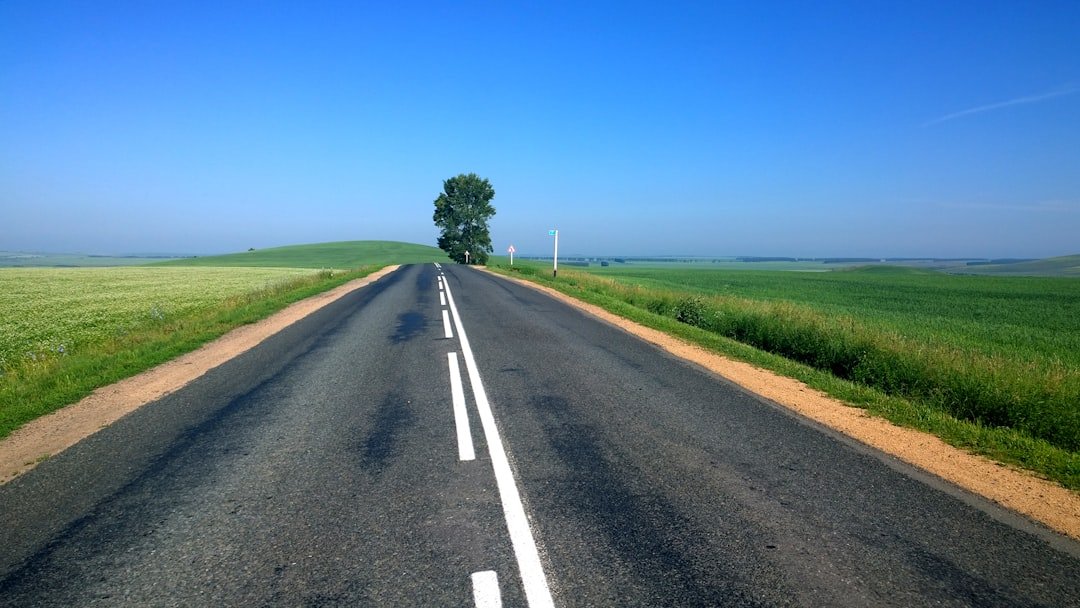
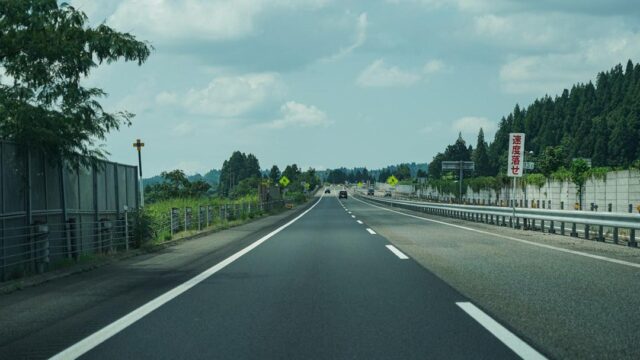
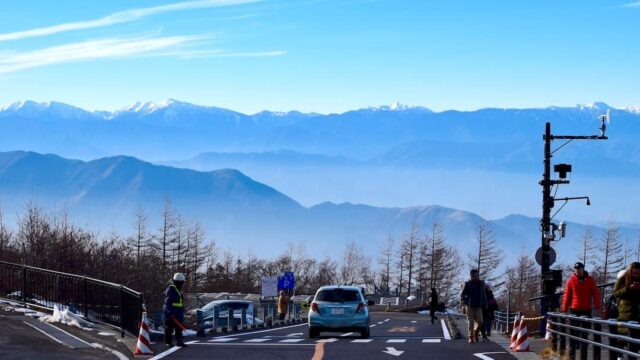
Arriving at Chubu Centrair International Airport (NGO) and renting a car opens up one of Japan’s most historically rich regions. Driving north towards the traditional town of Takayama via the Tokai-Hokuriku Expressway is an incredible experience that allows you to see the beautiful Japanese countryside at your own pace. This route connects the modern, bustling industrial hub of Nagoya with the preserved merchant streets of the Edo period nestled high in the Hida Mountains. This guide will walk you through the best highway rest stops where you can taste local foods, buy unique souvenirs, and take a much-needed break on your historical road trip.
Planning Your Route from Chubu Centrair to Takayama
Before you hit the road, it is crucial to understand the logistics of driving from the airport to the mountainous regions of Gifu Prefecture. Proper planning will ensure your journey is smooth, safe, and stress-free.
Picking Up Your Rental Car and Getting on the Expressway
When you land at Chubu Centrair International Airport, picking up your rental car is a straightforward process, but there are a few important steps you should follow. The rental car counters are conveniently located in the Access Plaza, just a short walk from the arrival lobby. Major international and domestic companies like Toyota Rent a Car, Nippon Rent-A-Car, and Nissan Rent a Car operate here, offering vehicles equipped with English navigation systems. When you approach the counter, make sure you have your passport, home country driver’s license, and your International Driving Permit (IDP) ready. Without the correct IDP, you will not be allowed to rent a vehicle under any circumstances, as Japanese law is very strict regarding foreign drivers.
After completing the paperwork and inspecting the car for any existing scratches or damage, it is time to hit the road. The airport is built on an artificial island in Ise Bay, meaning your drive begins by crossing the Centrair Line toll bridge connecting the airport to the mainland. From there, you will merge onto the Chita-Hanto Expressway and eventually connect to the Tokai-Hokuriku Expressway, which is the main artery leading straight north into the mountains toward Takayama. Driving in Japan means staying on the left side of the road, and while traffic around Nagoya can be dense, the roads are incredibly well-maintained and clearly signposted in both Japanese and English.
If you are unfamiliar with navigating urban areas in Japan, take a moment to familiarize yourself with the car’s GPS system before leaving the parking lot. Most rental cars have navigation systems that allow you to input your destination using a phone number or a Mapcode, which is highly recommended as typing English addresses can sometimes yield inaccurate results. As you transition from the urban expressways around Nagoya to the scenic, winding paths of the Tokai-Hokuriku Expressway, you will notice a significant change in the landscape. For a comprehensive look at navigating this specific route and finding the best stops along the way, check out our guide on the Nagoya to Takayama: Scenic Expressway Route & Must-Stop SA/PA. Taking your time to understand the route will make your road trip to Takayama a memorable adventure.
Understanding Tolls and the Central Nippon Expressway Pass (CEP)
Driving on Japanese expressways is not free, and the toll fees can quickly add up, especially on a long-distance road trip from Chubu Centrair to Takayama. When planning your budget, it is essential to understand how the toll system works and how you can save money as a foreign tourist. The most efficient way to pay for tolls is by using an ETC (Electronic Toll Collection) card, which you can rent along with your vehicle at the airport counter. The ETC card allows you to drive through the toll gates without stopping to pay with cash or a credit card; the fees are simply recorded on the card, and you pay the total amount when you return the car.
If you plan on doing a significant amount of driving over several days, you should absolutely look into purchasing the Central Nippon Expressway Pass (CEP). The CEP is a special pass available exclusively to foreign visitors holding a short-term tourist visa. It offers unlimited use of designated expressways in the central Japan region, including the route from Nagoya to Takayama, for a flat daily fee. For example, a multi-day pass can often pay for itself with just one round trip between the airport and the Hida Mountains, making it an incredibly cost-effective option for your road trip. You must request the CEP when you book your rental car, as it needs to be linked to your rented ETC card.
When you approach a toll gate, you will see different lanes marked with colored signs. The purple lanes are exclusively for ETC users, while the green lanes are for drivers paying with cash or credit cards. If you have an ETC card inserted into the reader in your rental car, simply slow down to 20 km/h and drive through the purple lane; the gate will automatically open, and the display will show the toll amount. If you are not using an ETC card, you will need to take a paper ticket from the machine when entering the expressway and hand it to an attendant (or insert it into a machine) at the exit gate to pay your fare. Understanding this system early on will save you a lot of confusion, and if you plan to explore more of the central mountainous region, our guide on Driving the Japan Alps: A Guide to the Chuo Expressway provides excellent insights into managing tolls and finding scenic stops in the area.
Essential Stops on the Tokai-Hokuriku Expressway
The Tokai-Hokuriku Expressway is famous for its breathtaking mountain scenery and fantastic rest areas. Taking breaks at these facilities is not only essential for safe driving but also an opportunity to experience regional culture and history firsthand.
Seki Service Area (SA): The City of Samurai Swords
As you head north from Nagoya on the Tokai-Hokuriku Expressway, one of the first major rest stops you will encounter is Seki Service Area (SA). The city of Seki is internationally renowned for its centuries-old tradition of sword making, dating back to the Kamakura period. This rich historical heritage is proudly displayed and celebrated right inside the Service Area, making it a must-visit stop for history lovers and anyone interested in traditional Japanese craftsmanship. Taking a break here feels less like stopping at a highway facility and more like visiting a mini-museum dedicated to the art of the blade.
Inside the main building of Seki SA, you will find a dedicated corner showcasing beautiful, handcrafted Japanese knives, scissors, and even replica samurai swords. The craftsmanship is truly extraordinary, and these items make for fantastic, high-quality souvenirs that you can actually use in your daily life back home. If you are looking for a unique gift for a cooking enthusiast, the chef’s knives sold here are highly recommended for their sharpness and durability. The staff are usually very helpful, and some of the displays include English explanations detailing the history of the forging techniques used by local artisans for over 700 years.
Beyond the blades, Seki SA offers a wonderful selection of local food that reflects the culinary traditions of Gifu Prefecture. The food court is bustling with travelers enjoying hot bowls of soba noodles, deep-fried pork cutlets, and fresh local vegetables. If you want a quick snack for the road, look for the outdoor stalls selling freshly grilled skewers and steamed buns. The facility also features exceptionally clean restrooms, a large parking lot, and a 24-hour convenience store where you can stock up on drinks and snacks for the next leg of your journey. Taking a full hour to explore Seki SA is highly recommended to fully appreciate the historical context it provides before you continue your drive deeper into the mountains.
Gujo Hachiman Parking Area (PA): A Glimpse of the Water City
Further north along the Tokai-Hokuriku Expressway, you will come across Gujo Hachiman Parking Area (PA). While a Parking Area is typically smaller than a Service Area, this particular stop offers a charming introduction to the nearby town of Gujo Hachiman, famous for its pristine waterways, traditional summer dance festivals, and the production of incredibly realistic plastic food replicas. Stopping here provides a great opportunity to stretch your legs, breathe in the fresh mountain air, and get a taste of the local culture before you reach Takayama.
One of the highlights of Gujo Hachiman PA is its focus on regional specialties and handmade crafts. The souvenir shop, though compact, is packed with interesting items that represent the surrounding area. You will find small, beautifully crafted food replicas—the kind you see displayed in restaurant windows across Japan—which make for fun and quirky souvenirs. Additionally, the shop sells locally produced sweets, preserved foods, and traditional textiles that highlight the artisanal skills of the Gifu region. It is a fantastic place to pick up unique gifts that you might not find in the larger, more commercialized rest stops closer to the major cities.
When it comes to food, Gujo Hachiman PA does not disappoint. The small food court serves up comforting, hearty dishes perfect for travelers driving through the cooler mountain climate. One of the local favorites you should try is the “Keichan,” a traditional dish made of marinated chicken stir-fried with cabbage and other seasonal vegetables in a rich miso sauce. It is savory, deeply satisfying, and pairs perfectly with a bowl of steaming white rice. The seating area offers lovely views of the surrounding forested hills, providing a peaceful environment to relax. By the time you finish your meal and hop back into your rental car, you will feel refreshed and ready to tackle the remaining mountainous stretch of the expressway toward Takayama.
Navigating Mountain Roads Safely
Driving through the Hida Mountains is a spectacular experience, but it requires careful attention and preparation. The expressway features numerous tunnels, steep inclines, and winding sections that demand your full concentration to ensure a safe and enjoyable trip.
Driving Etiquette and Speed Limits in the Hida Mountains
When you drive on the Tokai-Hokuriku Expressway toward Takayama, you will quickly notice that the terrain becomes increasingly rugged and mountainous. This section of the highway includes some of the highest elevation roads in Japan, as well as an extensive network of long tunnels. It is crucial to adhere to the local driving etiquette and observe the speed limits carefully. Generally, the speed limit on Japanese expressways is 100 km/h, but in mountainous regions and inside tunnels, the limit is often reduced to 80 km/h or even 70 km/h for safety reasons. Always keep an eye out for the round speed limit signs and adjust your speed accordingly, as speed cameras are frequently positioned along these stretches.
One of the most important rules of driving etiquette on Japanese highways is keeping to the left lane unless you are overtaking another vehicle. The right lane is strictly designated as the passing lane. Once you have passed a slower-moving vehicle, you should safely merge back into the left lane. This rule is strictly followed by Japanese drivers, and lingering in the passing lane can cause traffic buildup and is considered very rude. Additionally, when driving through the long tunnels common on this route, remember to turn on your headlights, maintain a safe following distance, and avoid unnecessary lane changes, as the enclosed space can make sudden maneuvers dangerous.
If you need to pass a large truck or a slower vehicle on a steep incline, use your turn signals early and check your blind spots carefully before merging into the passing lane. You will often see drivers briefly flashing their hazard lights after someone lets them merge or changes lanes to make way for them. This is known as the “Thank You Hazard” and is a polite way to show appreciation on the road. Understanding these unspoken rules will make your driving experience much smoother and help you blend in with the local traffic. Being respectful of the rules and the environment ensures that everyone has a safe journey through the beautiful Hida Mountains.
Weather Considerations and Seasonal Driving Tips
The weather in the mountainous regions of Gifu Prefecture can be unpredictable and changes rapidly depending on the season and the elevation. If you are planning your road trip to Takayama during the winter months (from late November to early April), you must be prepared for heavy snowfall and icy road conditions. It is absolutely essential to rent a car equipped with studless winter tires, and you should specifically request them when making your reservation, as they are not always provided by default. Driving on summer tires in this region during winter is extremely dangerous and illegal in snowy conditions.
During the summer months, the region experiences high humidity and frequent, sudden rain showers, especially in the afternoons. When driving through heavy rain, reduce your speed, turn on your headlights to increase your visibility to other drivers, and be cautious of hydroplaning on the wet asphalt. The Tokai-Hokuriku Expressway has excellent drainage systems, but heavy downpours can still create hazardous conditions. It is also a good idea to check the weather forecast before you set out and listen to the highway radio broadcasts, which provide real-time updates on weather and traffic conditions ahead.
In autumn, the drive from Chubu Centrair to Takayama offers some of the most spectacular fall foliage views in all of Japan. The mountains turn vibrant shades of red, orange, and yellow, drawing large crowds of tourists and local drivers. During this peak season, expect heavier traffic, especially on weekends and public holidays, and plan for your travel time to take longer than usual. To avoid the worst of the congestion, try to start your drive early in the morning and take frequent breaks at Service Areas. Regardless of the season, maintaining a conservative driving speed and staying alert to changing weather conditions will ensure that your historical road trip remains safe and enjoyable from start to finish.
Must-Try Local Foods at Highway Rest Stops
One of the greatest joys of a Japanese road trip is sampling the regional cuisine available at highway rest stops. The route to Takayama offers an abundance of unique, high-quality dishes that highlight the agricultural wealth of Gifu Prefecture.
Hida Beef Skewers and Regional Wagyu Delights
When traveling towards Takayama, you are entering the heartland of Hida Beef, one of Japan’s most premium and highly prized varieties of Wagyu. You do not need to wait until you reach a fancy restaurant in the city to taste this incredible meat; you can actually enjoy it right at the highway Service Areas along the Tokai-Hokuriku Expressway. Stopping for a quick snack of Hida Beef is a quintessential part of the road trip experience and offers a delicious introduction to the local food culture. The meat is famous for its intricate marbling, tender texture, and rich, buttery flavor that melts in your mouth.
At larger facilities like Seki SA and Hirugano Kogen SA, you will find outdoor food stalls and indoor food courts offering various Hida Beef delicacies. The most popular and accessible option is the Hida Beef skewer (kushi-yaki). These skewers feature bite-sized pieces of premium beef grilled to perfection over hot coals, often seasoned simply with a pinch of local salt or a light soy-based glaze to let the natural flavor of the meat shine. Eating a hot, juicy beef skewer outside in the crisp mountain air is an unforgettable culinary experience that perfectly complements your historical journey.
In addition to skewers, you might also find Hida Beef croquettes (korokke), which are deep-fried patties made of mashed potatoes mixed with savory minced Wagyu. They are crispy on the outside, soft on the inside, and incredibly satisfying. Some food courts even offer hearty Hida Beef rice bowls (gyudon) or rich beef curry if you are looking for a more substantial meal. These highway dining options provide high-quality regional food at reasonable prices, proving that Japanese rest stops offer culinary experiences far superior to typical fast food. Be sure to arrive with an empty stomach so you can fully enjoy the incredible Wagyu delights waiting for you on the road to Takayama.
Gohei Mochi and Traditional Sweet Treats
No road trip through the mountainous regions of central Japan is complete without trying Gohei Mochi, a traditional local snack that has been enjoyed by travelers and locals alike for centuries. This rustic, hearty treat is deeply tied to the history of the area and provides a sweet and savory contrast to the rich Hida Beef. Gohei Mochi is essentially a skewered, pounded rice cake that is coated in a thick, sweet, and savory glaze made from a mixture of soy sauce, miso, sesame, and sometimes crushed walnuts or peanuts. It is then grilled over an open flame until the outside becomes beautifully caramelized and slightly charred.
You can find freshly grilled Gohei Mochi at almost every Service Area and Parking Area along the Tokai-Hokuriku Expressway. The aroma of the roasting miso glaze is incredibly enticing and will likely draw you toward the outdoor food stalls the moment you step out of your rental car. The texture of the rice is uniquely satisfying—slightly chewy but distinct from the smooth texture of traditional mochi, as the rice grains are only partially mashed. It is a warm, comforting snack that is perfect for taking a quick break from driving, especially on a chilly autumn or winter day.
Aside from Gohei Mochi, the rest stops in this region offer a variety of other traditional sweet treats. Keep an eye out for sweets made with local chestnuts, especially during the autumn season, such as chestnut soft serve ice cream or sweet bean paste cakes filled with whole roasted chestnuts. You might also find beautifully packaged traditional Japanese sweets (wagashi) that make excellent gifts or snacks for later in your trip. Sampling these traditional treats not only provides a delicious sugar boost for the driver but also connects you directly to the culinary heritage of the historic region you are exploring.
Restrooms, Facilities, and English Accessibility
Japanese highway rest stops are world-renowned for their cleanliness, extensive facilities, and high-tech amenities. Understanding how to navigate these areas will make your stops efficient and comfortable, even if you do not speak Japanese.
Using High-Tech Toilets and Finding Clean Restrooms
One of the most pleasant surprises for foreign travelers driving in Japan is the exceptional quality of the restrooms at highway Service Areas and Parking Areas. The facilities along the Tokai-Hokuriku Expressway are meticulously maintained, spacious, and consistently spotless. Whether you stop at a large SA like Seki or a smaller PA, you can expect a high standard of hygiene. The restroom buildings are usually located near the center of the parking lot and are clearly marked with large, universally recognizable pictograms, making them very easy to locate immediately after you park your car.
Inside, you will find modern, high-tech Japanese toilets equipped with a variety of features designed for comfort and hygiene. These electronic bidets (often branded as Washlets) typically include heated seats, adjustable water sprays, and automated flushing mechanisms. The control panels are usually located on the wall next to the toilet or attached to the seat itself. While the buttons are primarily labeled in Japanese, they almost always feature clear, intuitive icons: a spray icon for the bidet, a music note icon for a privacy sound generator (which plays the sound of running water to mask noises), and a square icon for stopping the water flow. Taking a moment to familiarize yourself with these icons will ensure a comfortable experience.
In addition to standard stalls, Japanese highway restrooms also provide excellent family-friendly and accessible facilities. You will frequently find spacious multi-purpose restrooms designed for wheelchair users, parents with strollers, and those needing ostomy facilities. These rooms are equipped with sliding doors, handrails, and diaper-changing tables. Many rest stops also offer dedicated nursing rooms and powder rooms for applying makeup. The commitment to cleanliness and user comfort is truly impressive, and you will quickly find that taking a restroom break on a Japanese highway is a stress-free and remarkably pleasant part of your road trip.
Navigating Food Courts and Buying Tickets
The food courts at Japanese Service Areas offer a fantastic variety of hot, freshly prepared meals, but the ordering process might be unfamiliar to first-time visitors. In most facilities along the expressway, ordering food is a highly automated and efficient process centered around ticket vending machines. When you enter the food court, you will typically see a display of plastic food replicas or large menus with photos of the available dishes, ranging from ramen and udon noodles to curry rice and local specialties. Take your time to browse these displays and decide what you want to eat before approaching the machines.
Once you have made your choice, locate the corresponding ticket vending machine. Many modern machines now feature touchscreens with an English language option, which makes the process incredibly simple. If the machine only has physical buttons and Japanese text, do not worry; the buttons almost always have small photos of the dishes, and the prices are clearly displayed in Arabic numerals. Insert your cash (most machines accept bills and coins) or tap your IC card (like Suica or Pasmo), and press the button for your desired meal. The machine will dispense a small paper ticket and your change.
In some older food courts, you need to hand this ticket to the staff at the cooking counter, who will then give you a numbered buzzer that vibrates when your food is ready. However, in many modern Service Areas, the vending machines are directly linked to the kitchen. In this case, your order is automatically transmitted, and your ticket will have an order number printed on it. You simply find a seat, wait for your number to be called or displayed on a digital screen above the counter, and then collect your meal. After you finish eating, remember to return your empty tray and dishes to the designated return area (usually marked “Return” or with a tray icon), as cleaning up after yourself is standard etiquette in Japan.
Making the Most of Your Road Trip to Takayama
A road trip from Chubu Centrair to Takayama is more than just a drive from point A to point B; it is an opportunity to immerse yourself in the natural beauty and deep history of central Japan. A little extra preparation will ensure you maximize the experience.
Packing Essentials for a Comfortable Expressway Drive
To ensure your drive through the Hida Mountains is as comfortable and enjoyable as possible, packing the right essentials in your rental car is crucial. First and foremost, always keep your passport, International Driving Permit, and rental agreement easily accessible in the glove compartment. You should also have some cash on hand. While credit cards and electronic payments are widely accepted at major Service Areas, smaller Parking Areas, rural gas stations, or local shops near Takayama may only accept cash. Having a mix of coins and small bills is especially useful for older vending machines and toll gates if you are not using an ETC card.
Comfort is key during a long drive, so consider dressing in comfortable layers. The temperature can vary significantly between the coastal area around Chubu Centrair Airport and the higher elevations of Takayama, especially in the spring and autumn. Bring sunglasses to reduce glare on bright days, as the sun reflecting off the mountain roads can be quite strong. It is also a great idea to download offline maps on your smartphone via Google Maps before you leave the airport. While the car’s GPS is reliable, having a backup map on your phone ensures you will never lose your way, even if you pass through a remote mountainous area with weak cellular reception.
- Valid Passport and International Driving Permit (IDP)
- Cash (Japanese Yen in small bills and coins)
- Sunglasses and comfortable layered clothing
- Smartphone with offline maps downloaded
- Reusable water bottle and a small trash bag for the car
Finally, keep a small trash bag in the car. Unlike in many other countries, public trash cans are quite rare in Japan, even in cities. You will find designated sorting bins at the highway rest stops, so you can easily dispose of your accumulated travel trash when you take a break. Keeping your rental car tidy will make the journey much more pleasant for everyone inside.
Integrating Highway Stops into Your Overall Itinerary
When planning your itinerary from the airport to Takayama, try to view the highway rest stops not just as places for a quick restroom break, but as actual destinations that enhance your travel experience. The drive typically takes about two and a half to three hours under normal traffic conditions, but you should allocate at least four hours to allow for leisurely stops, meal breaks, and unexpected discoveries. Rushing through the expressway means missing out on the unique regional culture presented at places like Seki SA and Gujo Hachiman PA.
Consider planning your stops around meal times to take advantage of the local food offerings. For instance, you might schedule a late breakfast or early lunch at a large Service Area where you can sample Hida Beef skewers or fresh soba noodles. If you are traveling with children, look for facilities with expansive outdoor areas or small parks where they can run around and burn off some energy after sitting in the car. Planning your rest stops strategically also helps combat driver fatigue, which is especially important if you have just arrived in Japan after a long international flight and are dealing with jet lag.
Furthermore, these rest stops often provide excellent tourist information centers stocked with free English brochures and maps of the surrounding areas. You can pick up valuable information about local festivals, hidden historical sites, and seasonal events happening in Takayama or the nearby Shirakawa-go villages. By taking the time to explore the Service Areas and integrating them seamlessly into your travel schedule, you transform a simple transit drive into a rich, engaging part of your Japanese historical adventure.
Conclusion
Embarking on a road trip from Chubu Centrair International Airport to the historic town of Takayama via the Tokai-Hokuriku Expressway is one of the most rewarding ways to explore central Japan. By renting a car, you gain the freedom to travel at your own pace, escape the constraints of train schedules, and discover the hidden gems nestled within the stunning Hida Mountains. This route offers a perfect blend of modern driving convenience and deep, traditional culture, making it an ideal journey for history lovers and adventurous travelers alike.
As you have seen, the highway rest stops along this route are far more than just places to refuel and use the restroom. Facilities like Seki SA and Gujo Hachiman PA are cultural experiences in their own right, offering everything from exquisite samurai swords and artisan crafts to mouth-watering local delicacies like Hida Beef skewers and sweet Gohei Mochi. By planning your stops strategically and taking the time to explore these Service Areas, you add immense value to your overall travel experience. Remember to secure your ETC card and Central Nippon Expressway Pass (CEP) to make toll payments seamless and cost-effective, and always adhere to the local driving etiquette to ensure a safe and respectful journey.
Navigating the mountain roads, understanding the high-tech facilities, and embracing the unique offerings of Japanese expressways will undoubtedly become cherished memories of your trip. Whether you are marveling at the seasonal foliage, enjoying a hot bowl of regional noodles in a bustling food court, or carefully driving through the long, engineered tunnels that cut through the ancient mountains, every aspect of this drive is a testament to Japan’s harmonious blend of the old and the new. Drive safely, take frequent breaks, and enjoy every moment of your historical road trip to beautiful Takayama.