Tokyo to Nagoya by Car: Best Highway Route, Service Areas & Rest Stops
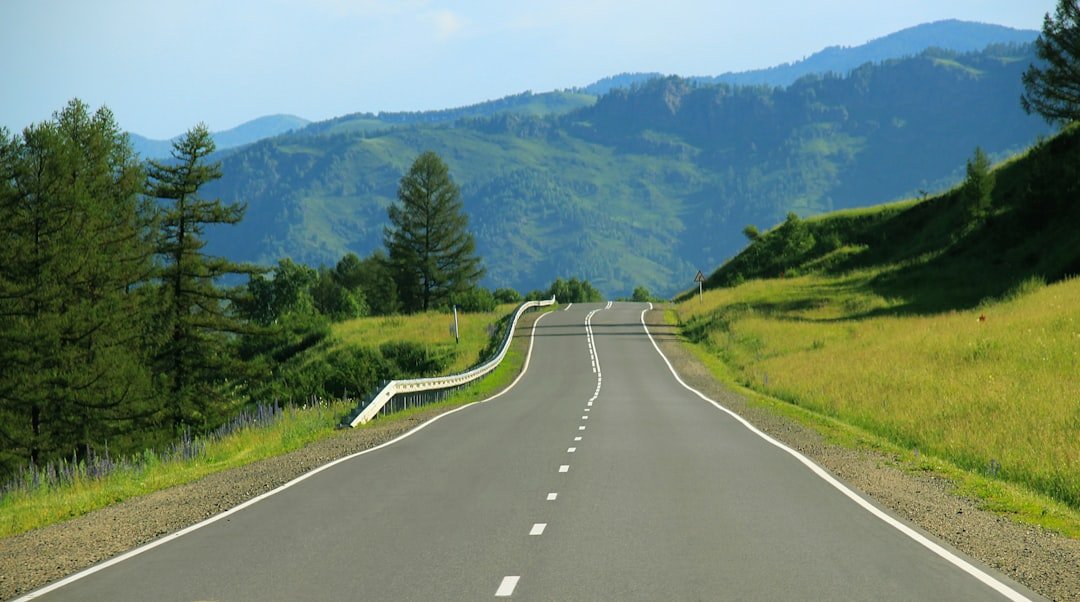
Driving from Tokyo to Nagoya is a great way to see a slice of Japan’s “Golden Route” at your own pace. While the Shinkansen bullet train is incredibly fast, renting a car gives you the freedom to explore hidden gems, stop whenever you see something interesting, and truly experience the journey. But for a first-timer, it can be a bit daunting. Which expressway should you take? Where are the best places to stop for food and a break?
This guide is here to answer all your questions. We’ll break down the best routes, highlight the must-visit rest stops, and give you practical tips to make your road trip smooth and enjoyable. Forget what you might expect from a typical rest stop. In Japan, many are destinations in themselves, packed with excellent food, unique souvenirs, and impressive facilities. Let’s get on the road!
Choosing Your Route: Tomei vs. Shin-Tomei Expressway
When you plug “Nagoya” into your GPS from Tokyo, you’ll see two main options for the majority of the journey: the Tomei Expressway and the Shin-Tomei Expressway. They run roughly parallel to each other but offer very different driving experiences. Choosing the right one depends on your priorities—speed and ease, or classic views and famous stops.
The Classic Route: Tomei Expressway
The Tomei Expressway is the original highway connecting Japan’s two major urban centers. It’s been around for decades and, as a result, feels a bit more “classic.” The route often winds along the coastline, offering beautiful glimpses of the Pacific Ocean and, on a clear day, some of the most iconic views of Mt. Fuji you can get from a car. Many of Japan’s most famous and historic Service Areas (SAs) are located along this route, making it a popular choice for those who want to make the journey part of the adventure.
However, its age and popularity come with downsides. The road has more curves and can feel a bit narrower than its modern counterpart. It’s also a primary route for commercial trucks, which means you’ll be sharing the road with a lot of heavy traffic. This, combined with the sheer volume of cars, makes it more prone to traffic jams, especially around major junctions and during peak travel times like weekends and holidays. If you’re a road trip enthusiast who enjoys scenic drives and exploring famous rest stops like Ebina SA or Ashigara SA, the Tomei is an excellent choice. Just be prepared for a potentially slower and more demanding drive.
The Modern Route: Shin-Tomei Expressway
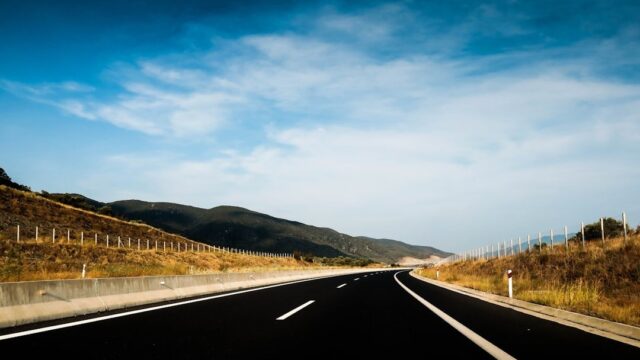
Opened in stages from 2012, the Shin-Tomei Expressway is the newer, faster, and more straightforward option. It was engineered for efficiency and safety, featuring wider lanes, gentler curves, and a higher speed limit of 120 km/h (about 75 mph) on certain stretches, which is the fastest in Japan. The route cuts a more direct path through the mountains, meaning you’ll spend more time in long, well-lit tunnels rather than hugging the coast. While this makes for a less scenic drive, it also means you’re less susceptible to closures or speed reductions from high winds or waves, which can affect the coastal Tomei.
The Shin-Tomei is generally less congested, making for an easier and more relaxed drive, especially for those new to Japanese highways. The rest stops, branded as “NEOPASA,” are modern, spacious, and designed to be highly functional destinations with excellent food courts and clean facilities. If your main goal is to get from Tokyo to Nagoya as quickly and stress-free as possible, the Shin-Tomei is hands-down the better option. It’s perfect for drivers who prioritize comfort and efficiency over a classic, scenic route.
Our Recommendation & How to Switch Between Them
So, which one should you pick? For most international visitors renting a car for the first time, we recommend the Shin-Tomei Expressway for its ease of driving and lower stress levels. You’ll get to Nagoya faster and with less fatigue. However, if you have time and want the full Japanese highway experience, the Tomei Expressway is worth the effort for its views and famous SAs.
The great news is you don’t have to commit to just one! The two expressways connect at the Gotemba Junction (JCT) in Shizuoka. A great strategy is to mix and match. For example, you could take the speedy Shin-Tomei on your way to Nagoya and then enjoy the scenic Tomei on your return trip to Tokyo. This way, you get the best of both worlds. The toll fees are virtually identical for both routes, so the choice really comes down to your personal preference for the day.
Essential Prep: ETC Cards, Tolls, and Driving Time
Before you hit the road, a little preparation goes a long way. Understanding how tolls work and what to expect in terms of cost and time will make your journey much smoother. Here’s what you need to know about the practical side of driving on Japan’s expressways.
Why You Absolutely Need an ETC Card
When you rent a car in Japan, you’ll almost always be offered an ETC (Electronic Toll Collection) card for a small fee. Our advice: always say yes. An ETC card is a small card you insert into a reader mounted on the dashboard or windshield. As you approach a toll gate, you simply drive slowly through the designated purple “ETC” lane. A sensor communicates with your card, the toll is automatically recorded, and the gate lifts. You settle the total amount with the rental car company when you return the vehicle.
The convenience is a game-changer. You won’t have to fumble for cash or a credit card, figure out which non-ETC lane to use, or try to communicate with a toll booth attendant in Japanese. It completely removes the stress of paying tolls. Furthermore, some highway exits, known as Smart ICs (ETC-only Interchanges), are only accessible to cars with an ETC card. These often provide convenient access to attractions or less-congested local roads. While there are some ETC-specific discounts, the primary benefit for a tourist is the sheer, hassle-free convenience. Seriously, it’s a must-have. For a deeper dive, check out our guide on Why You Should Always Book a Rental Car with an ETC Reader in Japan.
Estimated Tolls and Driving Duration
The drive from Tokyo to Nagoya is a significant one, and the expressway tolls reflect that. As of 2023, you can expect the one-way toll fee to be approximately ¥7,500 to ¥8,500, depending on your exact entry and exit interchanges. This cost is consistent whether you take the Tomei or Shin-Tomei.
In terms of time, without any traffic, the drive itself takes about 4 to 5 hours. However, that’s an optimistic estimate. A more realistic travel plan should budget for 6 to 7 hours, which accounts for one or two rest stops for food, fuel, and stretching your legs. Traffic is the biggest variable. If you’re traveling on a Friday evening, a weekend, or during a national holiday period like Golden Week or Obon, you can expect significant delays. Always check Google Maps or a Japanese navigation app for real-time traffic conditions before you depart. Leaving Tokyo very early in the morning (before 7 AM) is often the best strategy to beat the worst of the outbound traffic.
Must-Visit Service Areas (SA) on the Tomei Expressway
The Tomei Expressway is home to some of Japan’s most famous rest stops. These are not just places to refuel; they are full-blown destinations that offer a taste of local culture and cuisine. For the purpose of this guide, a Service Area (SA) is a large rest stop, almost always equipped with a gas station, multiple restaurants, and extensive shopping facilities.
Ebina SA (Outbound): Japan’s Busiest & Most Famous Rest Stop
Just a short drive from Tokyo, Ebina SA is often the first major stop for people heading west, and it’s an experience in itself. It holds the title of being Japan’s busiest service area, and once you step inside, you’ll understand why. It’s less of a rest stop and more of a multi-story food paradise and shopping mall. The sheer variety of food options is staggering, from quick-service ramen and udon stalls to proper sit-down restaurants.
The one thing you absolutely must try here is the famous “Melon Pan” (melon bread) from the “Porto Canto” bakery. It’s a sweet bun with a crispy, cookie-like crust that’s shaped like a melon. They sell thousands of these every day, and there’s often a line, but it’s well worth the wait. The souvenir shop is equally impressive, offering everything from Tokyo-themed gifts to local specialties from the Kanagawa region. While many signs have English, the ticket machines at the food court can be Japanese-only. Don’t worry—most have pictures, so you can just point to what you want when you hand your ticket to the kitchen staff. For a full breakdown, see our Ebina SA Guide: Navigating Japan’s Busiest and Most Famous Highway Rest Stop.
Ashigara SA (Outbound): Views of Mt. Fuji and a Place to Relax
Located near the Gotemba interchange, Ashigara SA (branded as EXPASA Ashigara) is another major stop on the Tomei. Its biggest claim to fame is the stunning, unobstructed view of Mt. Fuji you can get from the viewing deck on a clear day. It’s one of the best photo opportunities on the entire route, making it a mandatory stop for shutterbugs. This is also a fantastic place to stretch your legs, with plenty of green space and even a dog run.
Beyond the views, Ashigara offers a fantastic array of food and shops in a clean, modern facility. You can find local Shizuoka delicacies, including snacks and soft-serve ice cream flavored with wasabi (it’s surprisingly delicious and refreshing!). A real highlight, however, is the on-site bathing facility, “Rest Inn Tokinosumika,” which offers hot spring baths with a view of the mountain. Soaking in a hot bath mid-road trip is a uniquely Japanese experience that can melt away hours of driving fatigue. If you’re looking for that perfect shot of Japan’s most famous peak, we’ve rounded up the Top Service Areas for Breathtaking Mt. Fuji Photo Spots.
Hamanako SA (Outbound): A Resort-like Stop on a Lake
As you get closer to Nagoya, you’ll come across Hamanako SA, which boasts one of the most beautiful settings of any service area in Japan. It’s built on a peninsula that juts out into Lake Hamana, offering panoramic water views from almost everywhere in the facility. The atmosphere here is more relaxed and resort-like compared to the bustling SAs closer to Tokyo. It’s even designated as a “Lover’s Sanctuary,” complete with a special monument where couples can take photos, making it a popular spot for a romantic break.
The food court and restaurants here make the most of the location, with a focus on local specialties from Lake Hamana. The must-try dish is unagi (freshwater eel). You can enjoy it grilled over rice in various styles, from a simple *unadon* rice bowl to the more elaborate *hitsumabushi*, a Nagoya-style dish where you can enjoy the eel in three different ways. There’s also a sightseeing boat that departs from the SA, offering short cruises on the lake if you have extra time. It’s a wonderful place for a final, scenic break before you complete the last leg of your journey to Nagoya.
Top Picks on the Shin-Tomei Expressway: NEOPASA Stops
The rest stops on the Shin-Tomei Expressway are all part of the modern “NEOPASA” brand. These facilities are new, bright, and very well-designed, with a focus on comfort and high-quality offerings. While they might lack the old-school charm of some Tomei stops, they make up for it with cleanliness, space, and a curated selection of food and shopping.
NEOPASA Surugawan-Numazu (Outbound): Ocean Views and Premium Food
This is one of the first major SAs you’ll encounter on the Shin-Tomei, and it sets a high standard. The entire building is designed to resemble a luxury cruise ship, and its hillside location provides a spectacular panoramic view of Suruga Bay. A walk out to the “Ocean View Deck” is a must; on a clear day, the deep blue water and coastline are breathtaking. Inside, the facility is anchored by a central food court surrounded by various specialty shops.
The culinary highlight here is the fresh seafood. Given its proximity to the bay, you can find excellent kaisen-don (sashimi rice bowls) and sushi at very reasonable prices. There’s also a premium supermarket, “Isetan,” which is a rarity for a highway rest stop, offering high-quality local produce, bento boxes, and gourmet souvenirs. The restrooms are spotless, and because it’s a newer facility, you’ll find more English-language signage and menus, making it very user-friendly for international visitors. It’s a stylish and relaxing place to take your first break.
NEOPASA Shizuoka (Outbound): A Taste of Shizuoka’s Best
As the name suggests, this NEOPASA is a showcase for all things Shizuoka. The prefecture is famous for green tea, wasabi, and a certain type of fish-cake hotpot called Shizuoka Oden. You can find all of these and more at the food court and souvenir shops. It’s the perfect place to try authentic matcha-flavored soft-serve ice cream or buy high-quality green tea to take home. The oden, characterized by its dark, savory broth and the use of a dried fish powder topping (*dashi-ko*), is a comforting and authentic local dish perfect for a quick lunch.
One of the most unique features of NEOPASA Shizuoka is the presence of real retail stores. You might find a trendy apparel shop or a lifestyle goods store, which feels more like a small shopping mall than a highway stop. For a while, it was also famous for a life-sized Gundam model display (check for current exhibitions). It’s a great stop for families and anyone interested in sampling the specific flavors and culture of the Shizuoka region in one convenient location.
NEOPASA Okazaki (Outbound): A Massive, All-in-One Stop Near Nagoya
This is the last major service area before you reach Nagoya, and it’s one of the largest on the Shin-Tomei. It’s an “integrated” SA, meaning both the inbound and outbound lanes share one massive central facility, which gives it a grand, bustling atmosphere. This is your last chance to grab a bite and pick up souvenirs before diving into the city, and the selection is top-notch.
The food court is heavily focused on Nagoya-meshi (Nagoya’s specialty cuisine). This is a fantastic opportunity to get a preview of the city’s famous flavors. You can find restaurants serving *miso-katsu* (pork cutlet with a rich red miso sauce), *kishimen* (flat udon noodles), and *Taiwan ramen*. The famous Nagoya-based miso-katsu chain, Yabaton, even has a branch here. The souvenir shop is enormous and features a huge range of Nagoya- and Aichi-themed gifts, so you can tick off your omiyage shopping list before you even arrive. For more details on this fantastic facility, see our piece on Maximizing Your ETC Card on the Shin-Tomei: A Pit Stop at NEOPASA Okazaki.
Practical Tips for a Smooth Drive
Driving in a foreign country can have its quirks. Japan’s highways are incredibly well-maintained and safe, but knowing a few practical details will help you navigate them like a local and avoid any common pitfalls. Here are some essential tips to keep in mind.
- Gas Stations: Found at almost every Service Area (SA), but rarely at smaller Parking Areas (PA). Prices are slightly higher than on local roads. Look for signs indicating “Self” (セルフ) or “Full Service” (フルサービス).
- Restrooms: Japanese highway restrooms are famously clean, free, and well-equipped, usually with Western-style toilets and high-tech washlets. They are a point of national pride.
- Driving Etiquette: Japan drives on the left. The right lane is for passing only; return to the left lane after overtaking. Using hazard lights for a few flashes is a common way to say “thank you” to a driver who lets you merge.
- Information Counters: Larger SAs have information counters where you can get free highway maps and ask for directions. Staff may not speak fluent English, but they are always helpful and will try their best to assist you.
Gas Stations, Restrooms, and Other Facilities
You’ll find gas stations at nearly every Service Area (SA). They are open 24/7, but be aware that they are often absent at the smaller Parking Areas (PA). It’s a good idea to refuel when your tank is about half-full, just to be safe. Prices on the expressway are typically about 10-15 yen per liter more expensive than on local roads. Pay close attention to whether a station is “Self” (セルフ) or “Full Service” (フルサービス). At a full-service station, an attendant will fill your car for you; you just need to tell them the type of fuel (“Regular” or “High-Octane”) and how much (“Full tank”).
Japanese highway restrooms are renowned for their cleanliness. They are free, plentiful, and meticulously maintained. You can expect to find heated seats, washlet functions (bidet), and even sound-masking “privacy” buttons. Many SAs also provide free hot and cold water or green tea from dispensers, comfortable seating areas, and designated smoking zones. If you’re traveling with kids, larger SAs often have play areas and dedicated nursing rooms. For a more detailed look, you can read our Beginner’s Guide to Navigating Japanese Highway Restrooms.
Understanding Japanese Highway Signs and Rules
Navigating is generally straightforward thanks to excellent signage. Most major signs on expressways include English romanization below the Japanese characters. Highway signs have a green background. Key terms to know are IC (Interchange) for exits and entrances, and JCT (Junction) for where expressways merge or split. Your GPS will be your best friend, but it’s helpful to have a general idea of the major JCTs on your route, like Gotemba JCT (where Tomei and Shin-Tomei meet) and Toyoda JCT (where you’ll likely transition towards central Nagoya).
The default speed limit on most expressways is 100 km/h (about 62 mph), but this can vary. Look for the circular signs with numbers. As mentioned, some sections of the Shin-Tomei allow up to 120 km/h. Remember, Japan drives on the left side of the road. The rightmost lane is strictly for passing. After you overtake a vehicle, it is proper etiquette to move back into the left or center lane. Lingering in the passing lane is frowned upon.
What Are SA and PA Anyway? A Quick Guide
You’ll see signs for both “SA” and “PA” all along the highway, and you might wonder what the difference is. While the lines have blurred in recent years, there’s a general distinction between these two types of rest stops that’s helpful for planning your breaks.
Service Area (SA): The All-in-One Destination
Think of a Service Area (SA) as a major, full-service rest stop. They are designed for longer breaks and are typically spaced about 50-60 kilometers apart. By official definition, an SA is a facility that has parking, restrooms, and food service. In reality, they offer much more. You are almost guaranteed to find a gas station, multiple restaurants or a large food court, a substantial souvenir shop, and an information desk at any given SA.
Many SAs have become destinations in their own right, featuring unique themes, local specialty foods, and sometimes even attractions like a Ferris wheel or a hot spring. They are the ideal places to stop for a proper meal, do some souvenir shopping, and refuel both your car and yourself. If you see a sign for an SA and you’re feeling a bit tired or hungry, it’s always a safe and reliable bet for a quality break. The larger ones, like Ebina or Ashigara, are essentially small entertainment complexes.
Parking Area (PA): The Quick-Stop Solution
A Parking Area (PA), on the other hand, is generally smaller and more functional. They are spaced more frequently, often every 15-20 kilometers, and are intended for shorter breaks. The most basic PAs might only have restrooms and a few vending machines. However, many modern PAs have expanded significantly and can be surprisingly well-equipped. It’s common to find a small food stall serving snacks like ramen or curry, a convenience store, and a modest souvenir corner.
The key difference is that most PAs do not have a gas station or a full-service restaurant. They are perfect for a quick bathroom break, grabbing a coffee from a vending machine, or for a driver to take a short nap. Don’t underestimate them, though; some PAs have developed a reputation for a specific, delicious local food item and have become popular stops. They provide flexibility, ensuring you’re never too far from a safe place to pull over and rest.
Conclusion
Driving from Tokyo to Nagoya is more than just getting from point A to B; it’s an opportunity to experience Japan in a way that train travel simply can’t offer. The freedom to chart your own course, discover unexpected viewpoints, and immerse yourself in the country’s unique highway culture turns a simple drive into a core part of your adventure. The journey itself, punctuated by stops at world-class service areas, becomes a memorable highlight.
Choosing between the scenic, classic Tomei Expressway and the modern, efficient Shin-Tomei Expressway allows you to tailor the drive to your own style. Whether you’re chasing the perfect photo of Mt. Fuji from Ashigara SA, hunting down the famous melon bread at Ebina SA, or enjoying the sleek comfort of a NEOPASA on the Shin-Tomei, you’re engaging with a unique aspect of modern Japanese life. These aren’t just rest stops; they are culinary and cultural hubs that proudly showcase the best of their local regions. From fresh seafood in Suruga Bay to the rich flavors of Nagoya-meshi, it’s a journey for your taste buds, too.
With a little preparation, like securing an ETC card for stress-free travel, and an adventurous spirit, anyone can confidently navigate this popular route. The roads are safe, the facilities are immaculate, and the experience is deeply rewarding. So, load up your playlist, grab some snacks for the road, and get ready to discover the Japan that lies between the big cities. The drive from Tokyo to Nagoya is a fantastic introduction to the joys of a Japanese road trip, and we hope this guide helps you make the most of every kilometer.