Driving the Shimanami Kaido: The Ultimate Seto Inland Sea Island-Hopping Guide
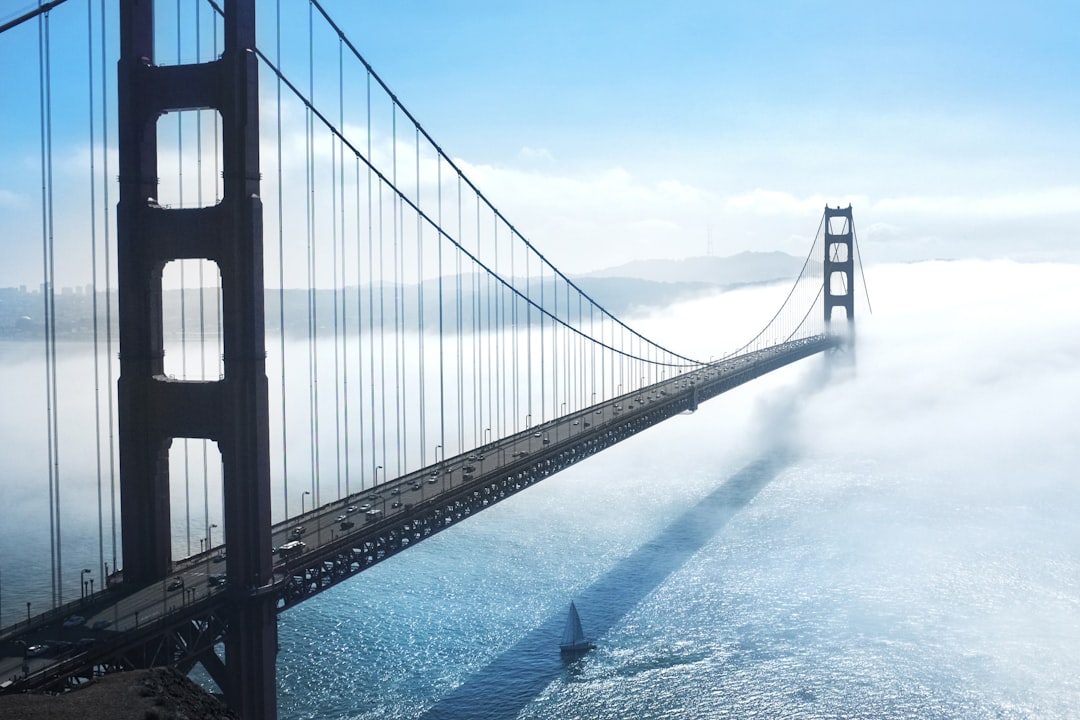
The Shimanami Kaido is widely celebrated as one of the premier cycling routes in the world, drawing athletes and enthusiasts from across the globe. However, what many international tourists overlook is that this spectacular 60-kilometer route connecting Japan’s main island of Honshu to Shikoku is also an unparalleled driving experience. The Nishiseto Expressway, which runs concurrently with the cycling path, offers drivers sweeping panoramic views of the Seto Inland Sea, an incredible array of local citrus-themed rest stops, and the unique flexibility to explore hidden island corners that are simply too steep or remote to reach by bicycle.
Renting a car and driving the Shimanami Kaido allows you to island-hop at your own pace, completely independent of ferry schedules or physical stamina limitations. You can stop at high-elevation observation decks for sunset, visit secluded beaches, and easily transport local souvenirs like fresh mandarin oranges and artisanal salt. However, navigating this specific toll road system, interacting with the heavy cycling traffic, and knowing which islands are actually worth exiting the expressway for requires some careful planning. This guide will provide everything you need to know to execute a flawless road trip across the Seto Inland Sea, detailing the best driving routes, the most rewarding Service Areas (SA), and the practicalities of the unique toll system.
Preparing for the Island-Hopping Drive
Before you hit the road, understanding the infrastructure of the Shimanami Kaido is essential. Unlike a standard cross-country highway, this route is essentially a series of massive suspension bridges connecting six distinct islands. This unique geography dictates how the tolls work and how you should plan your overall time.
Understanding the Tolls and the ETC System
The Nishiseto Expressway is entirely a toll road, and because it relies on several massive engineering marvels (the bridges), the tolls can be relatively expensive. If you drive straight through from Onomichi (Honshu side) to Imabari (Shikoku side) without exiting on any of the islands, the standard cash toll for a regular passenger car is just under 5,000 yen. However, the true joy of the Shimanami Kaido is exiting the expressway to explore the local towns on each island. If you pay with cash and exit at multiple islands, the individual segment tolls will add up to a significantly higher total cost.
This makes renting an ETC (Electronic Toll Collection) card absolutely mandatory for this specific road trip. By using an ETC card, you not only breeze through the toll gates without stopping to fumble for change, but you also qualify for substantial discounts, particularly on weekends and national holidays. The system automatically calculates the cheapest possible rate based on your entry and exit points. When booking your rental car in Hiroshima or Matsuyama, ensure you explicitly request an ETC card add-on. If you are entirely new to this system and want to understand exactly how to navigate the purple toll gates, our guide on How to Use ETC in Japan: A Complete Guide to Electronic Toll Collection will give you the confidence you need before you reach the first bridge.
Sharing the Road with Cyclists
One of the most unique aspects of driving the Shimanami Kaido is that you are sharing the infrastructure with thousands of cyclists. While the bicycles have their own dedicated, separated paths on the massive suspension bridges, the situation changes entirely once you exit the expressway and drive on the local island roads. On the islands, cyclists and cars share the same coastal routes. You will frequently encounter large groups of cyclists riding on the designated “Blue Line” painted on the left side of the road.
As a driver, you must exercise extreme caution and patience. The local roads on islands like Ikuchi and Oshima are often narrow, winding, and lack broad shoulders. When overtaking cyclists, you are legally and morally obligated to leave a very wide berth—at least 1.5 meters of space. Do not attempt to overtake on blind corners, and absolutely never honk your horn to pressure them to move over, as this is considered highly aggressive and illegal in Japan unless preventing an immediate collision. Remember that you are in a climate-controlled vehicle while they are physically exerting themselves; allow them the right of way whenever ambiguous situations arise. If you want a broader understanding of local driving etiquette, reading about the Unspoken Rules of Japanese Highways can help you blend in seamlessly with local drivers.
Must-Visit Islands and Scenic Rest Stops
While it is possible to drive the entire route in about an hour, doing so completely misses the point of the Shimanami Kaido. You should dedicate a full day to this drive, exiting the expressway multiple times to explore. Each of the six main islands has its own distinct character, local delicacies, and stunning viewpoints.
Ikuchijima: The Citrus and Art Island
Roughly halfway across the route lies Ikuchijima, arguably the most culturally vibrant island on the Kaido. As you exit the expressway here, you will immediately notice the sprawling citrus groves covering the hillsides. The island is famous across Japan for its lemons, and the local shops sell everything from lemon cakes to lemon-infused olive oils. The absolute highlight of Ikuchijima is the Kosanji Temple complex. This massive, incredibly colorful temple took decades to build and features architectural replicas of famous religious structures from all over Japan. Behind the temple sits the “Miraishin no Oka,” a sprawling, surreal monument built entirely from brilliant white Italian marble. The stark white stone against the deep blue of the Seto Inland Sea creates one of the most stunning photo opportunities in the country.
After exploring the temple, you must visit the local “Dolce” gelato shop located right on the coastal road. They specialize in gelato made from locally grown citrus, including the tart Setoda lemon and the incredibly sweet Hakata salt flavor. Eating a refreshing gelato while sitting on a bench watching the ferries cross the narrow straits is a quintessential Shimanami experience. Ikuchijima is also relatively flat along the coast, making it a very easy and relaxing place to drive your rental car compared to the steeper, more mountainous islands.
Oshima Island and the Kirosan Observatory
As you approach the Shikoku side of the route, you will cross onto Oshima Island. This island is less about cultural landmarks and entirely about natural beauty and sweeping panoramas. Oshima is rugged and mountainous, and it is here that you will find the absolute best viewpoint on the entire Shimanami Kaido: the Kirosan Observatory Park.
Accessing the observatory requires driving up a very steep, winding, and narrow mountain road. This is precisely why having a rental car is such an advantage; while it is possible to cycle up, it is a grueling climb that defeats many casual riders. At the summit, the observatory structure is actually built into the hillside, designed by renowned architect Kengo Kuma to blend seamlessly with the environment. From the viewing platforms, you have a completely unobstructed, 360-degree view of the Kurushima-Kaikyo Bridge—the longest suspension bridge structure in the world—sweeping majestically across the swirling tidal currents below. If you can time your drive to arrive at Kirosan Observatory just before sunset, the view of the sun dipping behind the islands, painting the sky and the bridge in brilliant shades of orange and purple, is a sight you will never forget.
Conclusion
Driving the Shimanami Kaido transforms a famous cycling route into an incredibly flexible and relaxing coastal road trip. By utilizing an ETC card to manage the tolls and taking the time to exit the expressway and explore the local islands, you unlock the true beauty of the Seto Inland Sea.
To ensure your island-hopping adventure is safe and memorable, keep this essential checklist in mind:
- ETC is mandatory: Secure an ETC card with your rental to get significant discounts when exiting and re-entering the expressway on multiple islands.
- Respect the Blue Line: Cyclists share the local island roads. Always give them plenty of space and never overtake on blind mountain curves.
- Stop at Ikuchijima: Exit the highway to explore the surreal white marble of Kosanji Temple and eat the famous local lemon gelato.
- Drive up to Kirosan: Use your car to easily access the Kirosan Observatory on Oshima Island for the best sunset view of the massive suspension bridges.
- Pace yourself: Don’t just drive straight through. Allocate at least a full day to properly explore the unique culture and food of the Seto Inland Sea.
With the freedom of a rental car, the Shimanami Kaido becomes much more than just a bridge; it becomes one of the most scenic, culturally rich, and rewarding road trips in all of Japan.