The Ultimate Kyushu Volcanic Drive: Hot Springs and Scenic Routes
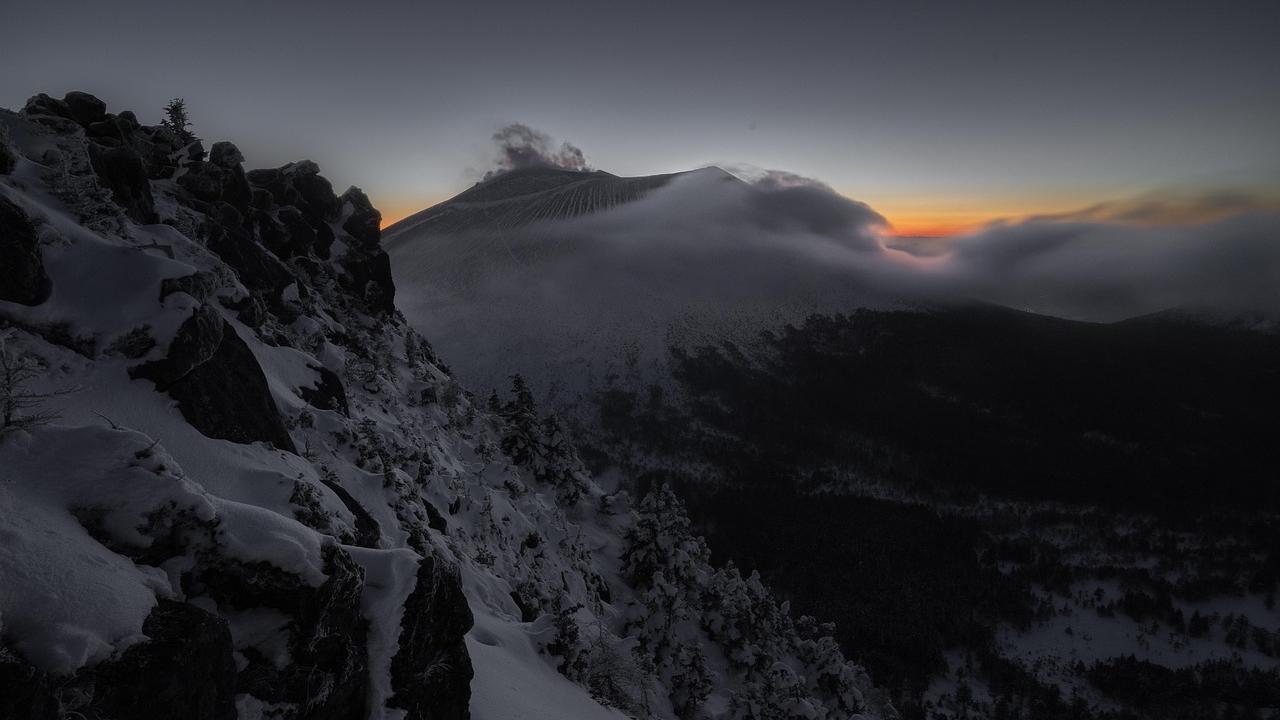
When international travelers plan a road trip in Japan, the standard routes between Tokyo, Kyoto, and Osaka often dominate the conversation. However, for those seeking a truly dramatic, otherworldly landscape combined with some of the best natural hot springs on the planet, the southern island of Kyushu offers an unmatched driving experience. Kyushu is defined by its active volcanoes, massive calderas, and steaming geothermal vents, making it a rugged and breathtaking environment to explore by rental car. Driving through this region allows you to witness the raw power of the earth firsthand, traversing mountain passes that cut through ancient craters and stopping at secluded onsen (hot spring) towns that are inaccessible by major train lines. This guide will walk you through the ultimate Kyushu volcanic drive, highlighting the most spectacular routes, the essential Service Areas (SA) to rest at, and the unique geothermal experiences you can only find on this dynamic island.
The Trans-Kyushu Expressway Experience
The backbone of your volcanic road trip is the Kyushu Expressway, which runs vertically down the center of the island, connecting the major hubs of Fukuoka in the north to Kagoshima in the south. From this main artery, you can branch off onto regional expressways and scenic toll roads that penetrate deep into the mountainous interior. Driving the Trans-Kyushu route is unlike driving on the mainland; the elevation changes are dramatic, the tunnels are long and frequent, and the scenery alternates between dense, primeval forests and sudden, sweeping views of smoking volcanic peaks. It is a route that demands a reliable rental car and a sense of adventure.
Navigating the Mountain Terrain
While the main Kyushu Expressway is generally well-maintained and easy to navigate, the true beauty of this drive lies in the secondary routes like the Oita Expressway, which cuts east towards Beppu, or the various scenic toll roads around Mount Aso. These mountain routes can be steep, winding, and prone to sudden weather changes. It is highly recommended to rent a vehicle with a slightly larger engine (such as a 1500cc compact or an SUV) rather than a basic “kei” car (yellow license plate), as the steep inclines will strain a smaller engine, making for a loud and slow ascent. Furthermore, because these roads climb to high altitudes, you may encounter fog, heavy rain, or even snow during the winter months, so ensuring your rental car has appropriate tires is crucial. The dramatic twists and turns of these mountain passes provide some of the most exhilarating driving in Japan, rewarding confident drivers with panoramic vistas at every corner.
You must also be prepared for the physical demands of driving these winding roads. Unlike the straight, flat coastal highways, the constant need for steering adjustments and speed modulation on these mountain passes can quickly lead to driver fatigue. It is essential to utilize engine braking when descending long, steep grades to prevent your brakes from overheating. This involves shifting your automatic transmission into a lower gear (often marked as “L” or “2” or using paddle shifters if available), allowing the engine’s natural resistance to slow the vehicle down without constantly riding the brake pedal. Furthermore, these mountain roads often lack the frequent convenience stores found in urban areas, meaning you must plan your bathroom breaks and fuel stops more strategically. Always ensure you have a full tank of gas before leaving the main expressway and venturing into the high-altitude regions, as running out of fuel on a remote mountain pass is a surefire way to ruin your vacation. By preparing adequately and choosing the right vehicle, you can safely navigate the challenging terrain and fully appreciate the dramatic, rugged beauty that defines the Kyushu driving experience.
The Role of High-Altitude Service Areas
Because navigating these mountainous expressways can be physically and mentally demanding, the Service Areas scattered along the route play a vital role in ensuring a safe journey. In Kyushu, these high-altitude rest stops are often destinations in their own right, offering spectacular observation decks that look out over the volcanic valleys below. For example, the Kusu SA on the Oita Expressway is famous for its panoramic views of the surrounding mountains and its fresh, crisp air. Taking frequent breaks at these facilities is not just about resting your eyes; it is about immersing yourself in the environment. You will find that the air pressure changes as you climb, and stepping out at these high-altitude stops allows you to physically feel the scale of the volcanic landscape you are traversing. These SAs also provide critical weather information for the passes ahead, which is essential for safe driving in such unpredictable terrain.
Many of these high-altitude rest stops also serve as vital hubs for local agriculture, meaning the food available is often incredibly fresh and uniquely regional. You might find stalls selling hot, freshly steamed sweet potatoes grown in the volcanic soil, or rich dairy products sourced from the cattle that graze on the high-altitude plateaus. The contrast between the cold mountain air outside and the warm, comforting food inside the Service Area is a deeply satisfying aspect of the Japanese road trip. Furthermore, because these facilities are built in such remote locations, they often feature incredible architectural designs that blend seamlessly with the natural environment, utilizing local timber and stone. Spending thirty minutes at a place like Kusu SA allows you to stretch your legs, enjoy a high-quality meal, check the latest weather radar for the road ahead, and appreciate the incredible infrastructure that makes traversing these rugged mountains not just possible, but genuinely enjoyable. It is highly recommended to plan your itinerary around these specific stops, treating them as integral waypoints rather than mere conveniences.
- Engine Size: Avoid 660cc Kei cars; opt for a 1.5L engine or larger for steep inclines.
- Weather Checks: Mountain weather changes rapidly. Always check the highway information boards at Service Areas.
- Winter Driving: If visiting between December and March, snow tires or chains may be required on high passes.
- Fuel Planning: Gas stations can be sparse on secondary mountain routes; always fuel up before leaving the main expressway.
The Majesty of Mount Aso
No volcanic drive in Kyushu is complete without visiting Mount Aso, located in the center of the island in Kumamoto Prefecture. Mount Aso is not just a single peak; it is one of the largest active calderas in the world, with a circumference of over 100 kilometers. The sheer scale of the caldera is difficult to comprehend until you are actually driving through it. The landscape inside the caldera contains entirely self-sufficient towns, expansive farmlands, and the smoking, active central peaks.
Driving the Aso Panorama Line
To truly experience the scale of the caldera, you must drive the Aso Panorama Line. This winding, incredibly scenic route takes you from the caldera floor up toward the active central crater, Nakadake. The drive is characterized by sweeping grasslands (known as *kusasenri*) where horses and cattle graze peacefully against the backdrop of smoking volcanic vents. There are numerous designated viewpoints along the route where you can pull your rental car over safely to take photographs. The contrast between the lush, green grazing lands and the barren, rocky terrain near the active crater is stark and beautiful. This drive offers a sense of vastness and open space that is extremely rare in densely populated Japan, making it a highlight of the entire road trip.
The Aso Panorama Line is arguably one of the most famous driving routes in all of Japan, frequently featured in automotive commercials and travel magazines. As you ascend, the road twists and turns, revealing new, breathtaking perspectives of the caldera walls that stretch to the horizon. It is a route that demands to be driven with the windows down, allowing you to smell the earthy, sulfuric air and feel the cool mountain breeze. During the spring and summer months, the grasslands are a vibrant, emerald green, while in the autumn, they turn a golden, silvery hue as the pampas grass catches the sunlight. Even in winter, when the landscape is stark and occasionally dusted with snow, the stark beauty of the dormant volcanic rock is mesmerizing. Because the road is so popular, it is highly recommended to drive it early in the morning to avoid the tour buses and enjoy the serene, majestic atmosphere in relative solitude. This allows you to pull into the various observation parking areas without fighting for a spot, giving you ample time to take in the sheer geological magnitude of the Aso caldera.
Accessing the Active Crater
Depending on the volcanic alert level, which fluctuates based on toxic gas emissions and seismic activity, you may be able to drive your rental car almost all the way to the edge of the Nakadake crater via a dedicated toll road. Standing at the rim and peering into the bubbling, turquoise-colored acid lake while smelling the strong sulfur in the air is an unforgettable, humbling experience. However, it is absolutely critical to check the current alert level before making the drive up, as the crater is frequently closed for safety reasons. Even if the crater itself is closed, driving the surrounding roads and viewing the smoking peak from a safe distance is still incredibly rewarding. The geothermal energy of Mount Aso defines the entire region, and feeling that power beneath your tires is the essence of a Kyushu road trip.
When the alert level permits access, the final drive up the Mount Aso Toll Road is an experience that feels entirely disconnected from the rest of Japan. The vegetation completely disappears, replaced by a harsh, lunar landscape of grey ash, jagged black lava rocks, and scattered concrete bunkers designed to protect visitors in the event of a sudden eruption. The smell of sulfur becomes intense, serving as a visceral reminder that you are standing on top of a highly active geological formation. You park your car in a designated lot near the crater rim and walk the final few meters to peer into the steaming abyss. The sound of the roaring vents and the sight of the violently boiling crater lake is simultaneously terrifying and awe-inspiring. This level of intimate access to an active volcano is rare anywhere in the world, and the fact that you can drive a standard rental car almost directly to the crater rim is a testament to the unique infrastructure of the region. Always respect the warning sirens and follow the instructions of the local staff immediately if the gas levels rise unexpectedly.
Beppu and Yufuin: The Onsen Capitals
Heading east from Mount Aso via the Yamanami Highway (another spectacular driving route) brings you to Oita Prefecture, universally recognized as the onsen (hot spring) capital of Japan. The two most famous towns in this region are Beppu, a bustling coastal city defined by its countless steaming vents, and Yufuin, a refined, upscale resort town nestled at the base of Mount Yufu. Having a rental car is the best way to explore both towns efficiently, allowing you to bypass the crowded bus routes and access the more secluded, private baths hidden in the surrounding hills.
The Steaming Streets of Beppu
Approaching Beppu by car is a surreal experience. From the highway overlooking the city, you will see hundreds of plumes of white steam rising from the buildings, making the entire city look as though it is on fire. This steam comes from the sheer volume of geothermal vents powering the local bathhouses. While in Beppu, having a car allows you to easily navigate the “Hells of Beppu” (Jigoku Meguri)—a series of spectacular, uniquely colored hot springs designed for viewing rather than bathing. You can easily drive between the blood-red “Chinoike Jigoku” and the cobalt-blue “Umi Jigoku,” parking comfortably at each site. Furthermore, a car allows you to venture up into the Myoban area, located higher in the hills, where you can bathe in milky, sulfur-rich waters while enjoying panoramic views of the steaming city and the ocean below.
The true value of a rental car in Beppu, however, is the ability to escape the main tourist circuits and discover the hidden, local bathhouses that dot the residential neighborhoods. These small, unpretentious establishments, often costing only a few hundred yen to enter, offer the most authentic and intensely hot bathing experiences in the city. Navigating the narrow, winding streets to find these hidden gems is an adventure in itself. Additionally, a car allows you to easily transport yourself to restaurants specializing in “Jigoku Mushi” (hell steaming), a unique cooking method where fresh vegetables, seafood, and meats are cooked using the naturally occurring, superheated geothermal steam. Driving through the city, with steam billowing from storm drains and venting from the roofs of houses, creates a unique atmosphere that is both slightly chaotic and incredibly charming. Beppu is a city completely defined by the volcanic energy beneath it, and exploring it by car provides the flexibility to experience all of its distinct, steaming neighborhoods at your own pace.
The Refined Charm of Yufuin
In contrast to the energetic, slightly chaotic vibe of Beppu, Yufuin offers a more tranquil, luxurious onsen experience. The town is built around the picturesque Lake Kinrin and is famous for its boutique shops, cafes, and high-end ryokans (traditional inns). While the main street can be crowded with pedestrians, a rental car allows you to book accommodations on the quiet outskirts of town, where you can enjoy private, open-air baths (rotenburo) with unobstructed views of the twin peaks of Mount Yufu. Driving in Yufuin requires some patience, as the roads are narrow and heavily trafficked by tourists, but the ability to easily transport your luggage to a secluded ryokan and then drive out to the surrounding highlands for a morning coffee makes the rental car invaluable.
The beauty of Yufuin lies in its deliberate preservation of a rural, traditional aesthetic. There are no towering concrete hotels here; instead, you find beautifully designed, low-rise structures that blend perfectly with the surrounding rice paddies and forests. Having a car means you are not restricted to the accommodations located within walking distance of the train station. You can choose to stay in a ryokan nestled deep in the surrounding hills, where the only sounds you hear at night are the wind in the trees and the gentle flow of the hot spring water. The morning mist that frequently blankets the town, created by the contrast between the cold mountain air and the hot geothermal water, makes the drive down from your hillside accommodation into the town center feel incredibly magical. Furthermore, your car allows you to easily access the start of the Yamanami Highway, a spectacular driving route that connects Yufuin back towards the Aso caldera, offering some of the most breathtaking, elevated scenery in all of Kyushu. The flexibility provided by your rental vehicle allows you to fully customize your Yufuin experience, blending high-end luxury with genuine, remote tranquility.
Sakurajima: The Smoking Island
Continuing south on the Kyushu Expressway brings you to Kagoshima Prefecture, located at the southernmost tip of the island. Here, the landscape is dominated by Sakurajima, one of the most active volcanoes in the world. Sakurajima sits just across a narrow bay from the city of Kagoshima, constantly puffing smoke and occasionally blanketing the city in a fine layer of ash. The unique geography of this area provides one of the most dramatic driving experiences in the country.
Taking Your Rental Car on the Ferry
The most exciting way to experience Sakurajima is to drive your rental car directly onto the Sakurajima Ferry from Kagoshima port. The ferry operates 24 hours a day and the crossing takes only about 15 minutes. Driving your car onto the large vessel, parking it on the lower deck, and heading up to enjoy a quick bowl of the famous ferry udon noodles while watching the smoking volcano draw closer is a classic Kagoshima experience. It is a seamless process, and it perfectly highlights how well-integrated the transportation infrastructure is in Japan, even when dealing with active volcanic islands. Once you disembark on Sakurajima, you have complete freedom to explore the island at your own pace.
The logistics of taking a car onto a ferry might initially seem daunting to a foreign driver, but the system in Kagoshima is incredibly streamlined and efficient. You simply drive up to the toll gate, pay the fee (which is surprisingly affordable and based on the length of your vehicle), and follow the attendant’s precise hand signals to park tightly on the lower deck. You do not even need to make a reservation; you simply show up and board the next available vessel. The short fifteen-minute crossing provides spectacular views of the Kagoshima city skyline receding and the massive, smoking bulk of the volcano dominating the horizon ahead. If you are lucky, you might even witness a minor eruption—a common occurrence characterized by a sudden, booming sound and a fresh plume of dark ash rising into the sky. Disembarking is just as simple; you return to your car, start the engine, and drive directly off the ramp onto the volcanic island, ready to begin your exploration without any of the hassle or waiting associated with bus tours. It is the absolute most convenient and exciting way to access Sakurajima.
Driving the Lava Road
Once on Sakurajima, you can drive the coastal road that circles the base of the volcano. The landscape here is stark and rugged, heavily scarred by massive historical eruptions. You will drive past fields of jagged, hardened black lava rock, which contrast sharply with the deep blue waters of Kinko Bay. There are several observation points where you can park and hike a short distance to get a closer look at the lava fields and the active crater above. Because ash falls frequently, you may find that the roads are slightly dusty, and you might need to use your windshield wipers to clear the ash away—a uniquely Kagoshima driving hazard. The ability to circumnavigate an active, smoking volcano in the comfort of your own rental car is an adventure that you simply cannot replicate anywhere else in Japan.
The drive around the island takes approximately one hour if you do not stop, but you should plan for at least three hours to fully appreciate the various observation points and historical sites. The Arimura Lava Observatory, located on the southern side of the island, is a mandatory stop. Here, you can walk along paved paths that wind directly through the massive lava flows from the 1914 eruption, offering an incredibly close look at the hardened, jagged rock formations with the towering, active crater looming directly overhead. It is a stark reminder of the destructive power of nature. While driving, you will notice that the local infrastructure is uniquely adapted to the volcanic environment; schools have concrete shelters to protect children from sudden ash falls, and specialized street sweepers constantly patrol the roads to clear away the fine, abrasive dust. Keep in mind that depending on the wind direction, your rental car may be covered in a fine layer of grey ash by the time you leave the island. This is completely normal and simply adds to the authenticity of the experience, though you should avoid using the windshield wipers dry, as the abrasive ash can scratch the glass; always use plenty of washer fluid.
| Destination | Key Attraction | Best Driving Route |
|---|---|---|
| Mount Aso | Massive Caldera & Active Crater | Aso Panorama Line |
| Beppu | Steaming Cityscape & “Hells” | Oita Expressway |
| Yufuin | Luxury Ryokans & Mt. Yufu Views | Yamanami Highway |
| Sakurajima | Active Volcano & Lava Fields | Sakurajima Ferry & Coastal Road |
| Ibusuki | Natural Sand Baths | Ibusuki Skyline |
Ibusuki and the Southern Tip
If you continue driving south from Kagoshima city, you will eventually reach the Satsuma Peninsula and the coastal resort town of Ibusuki. The drive down the Ibusuki Skyline, a scenic toll road that traces the mountainous spine of the peninsula, offers incredible views of Kinko Bay and Sakurajima in the distance. This southern region offers a completely different type of geothermal experience, one that is deeply tied to the coastal environment and the history of the area.
The Unique Sand Baths
Ibusuki is famous worldwide for its *Sunamushi* (sand baths). Because the geothermal heat here is located right on the shoreline, the beach sand itself is naturally heated from below. Visitors change into a light cotton yukata, lie down on the beach, and are buried up to their necks in the heavy, hot sand by attendants. The weight of the sand combined with the intense geothermal heat causes you to sweat profusely, detoxifying the body while you listen to the sound of the ocean waves crashing just a few meters away. Having a rental car allows you to easily access these sand bath facilities, many of which are located slightly outside the main town center, and provides a comfortable, private space to relax and cool down afterward.
The experience of a sand bath is fundamentally different from a traditional hot water onsen. The heat is dry and penetrating, and the sheer weight of the sand pressing down on your body is surprisingly relaxing, forcing you to completely surrender and remain still. You typically stay buried for about ten to fifteen minutes, during which time your heart rate increases and you begin to sweat heavily. It is a highly therapeutic process that leaves you feeling incredibly light and refreshed once you emerge. After the sand bath, you immediately transition to a standard indoor hot spring facility to wash off the sand and relax in the clear, hot water. Because the most famous sand bath facilities, like Saraku, can get quite busy with tour groups, having a rental car allows you to visit during off-peak hours or seek out smaller, less crowded facilities further down the coast. The convenience of driving back to your hotel after such a deeply relaxing and physically draining experience, without having to wait for public transportation, cannot be overstated. It ensures that the calming effects of the bath are not immediately ruined by travel stress.
Exploring the Satsuma Peninsula
Beyond the sand baths, the southern tip of the Satsuma Peninsula offers stunning coastal driving. You can drive to Cape Nagasakibana, the southernmost point of the peninsula, which offers breathtaking views of the ocean and the perfectly conical Mount Kaimon (often called the “Fuji of Satsuma”). The roads here are quieter and more relaxed than the busy expressways in the north, winding through small fishing villages and lush green tea plantations. Having the freedom to pull over at a local roadside station (Michi-no-Eki) to buy fresh mangoes or locally grown tea, while enjoying the warm, subtropical climate of southern Kyushu, is the perfect way to conclude your volcanic road trip. These local stations are treasure troves of regional produce and offer an authentic glimpse into the daily lives of the local residents.
Driving down to Cape Nagasakibana feels like reaching the end of the world. The vegetation becomes distinctly subtropical, with palm trees and vibrant hibiscus flowers lining the roads. You park your car and walk the final distance to the lighthouse, where the sheer cliffs drop dramatically into the churning ocean below. The view of Mount Kaimon rising abruptly from the sea is one of the most iconic and photographed landscapes in all of southern Japan. Furthermore, having a car allows you to easily explore the nearby Chiran area, famous for its impeccably preserved samurai district and its poignant Peace Museum for Kamikaze Pilots. The contrast between the raw, powerful beauty of the coastal scenery and the deep, often somber history of the region creates a profound and moving travel experience. The Satsuma Peninsula is a place that rewards slow, deliberate exploration, and a rental car is the absolute perfect tool for navigating its quiet coastal roads, discovering hidden viewpoints, and connecting with the deep history and culture that defines this remote corner of Kyushu. Taking the time to explore this area fully will undoubtedly be one of the highlights of your entire Japanese vacation.
Conclusion
A road trip through Kyushu offers an intense, visceral connection to the geological forces that shaped the Japanese archipelago. By renting a car and venturing off the main expressways, you gain access to the raw, dramatic beauty of Mount Aso’s caldera, the steaming, sulfuric valleys of Beppu, and the ash-covered roads of Sakurajima. The driving itself is an integral part of the adventure, requiring you to navigate winding mountain passes and high-altitude toll roads that reward you with panoramic, otherworldly views. The landscape is constantly changing, keeping you engaged and awestruck at every turn. Whether you are navigating the dense forests of the central mountains or cruising along the palm-lined coasts of the south, every single kilometer offers something entirely new and visually spectacular.
Furthermore, a rental car provides the essential logistical freedom needed to truly enjoy the region’s famous hot springs. You are not bound by sparse rural bus schedules, meaning you can soak in a secluded mountain onsen at dawn or easily transport your luggage to a luxury ryokan hidden in the hills of Yufuin. While driving in Kyushu requires a bit more preparation regarding weather and terrain compared to the flat coastal routes of Honshu, the rewards are immeasurable. You will leave the island with a profound appreciation for Japan’s dynamic natural environment and memories of a road trip that is genuinely unlike any other in the world. It is an experience that perfectly balances the thrill of adventurous driving with the profound relaxation of ancient, natural geothermal baths, making it the ultimate destination for any serious traveler exploring Japan by car. Do not hesitate to step off the beaten path and let the volcanic energy of Kyushu guide your journey; it will undoubtedly be the highlight of your Japanese adventures.