Osaka to Kyoto by Car: Meishin Expressway Guide & Must-Visit Parking Areas
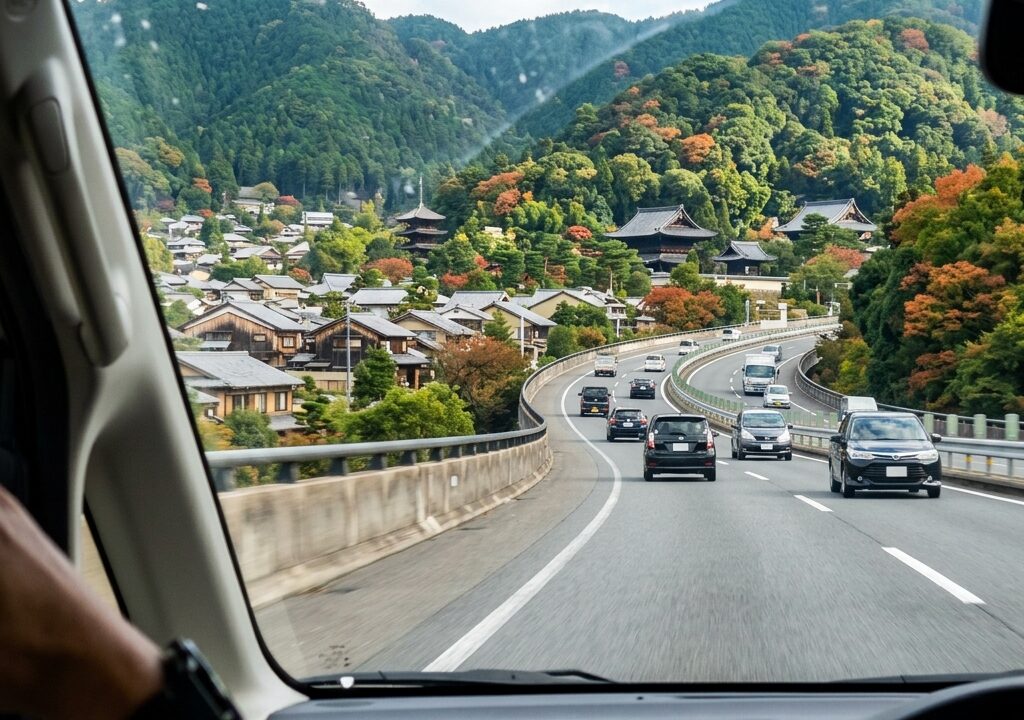
Traveling between the vibrant city of Osaka and the historic temples of Kyoto is a staple of any trip to the Kansai region of Japan. While trains are undoubtedly the most common way to make this short journey, driving a rental car offers a uniquely flexible and private travel experience. Navigating the Meishin Expressway—the primary highway connecting these two major hubs—is surprisingly simple and safe for international visitors.
This comprehensive guide will explain everything you need to know about driving from Osaka to Kyoto. We will cover the practicalities of using the Japanese toll system and selecting the best vehicle for your trip, alongside detailed reviews of the must-visit rest stops like Suita SA and Otsu SA. Whether you are craving a final taste of Osaka’s famous street food or looking forward to panoramic views of Lake Biwa, taking the Meishin Expressway turns a quick transit route into a deeply enjoyable part of your Japanese adventure.
Planning Your Drive from Osaka to Kyoto
Before you hit the road, a little preparation goes a long way. Understanding the benefits of driving and selecting the right vehicle will set the foundation for a smooth and enjoyable trip through the Kansai region.
Why Renting a Car Beats Public Transport in Kansai
While Japan’s rail network is world-renowned for its punctuality and efficiency, taking the train between Osaka and Kyoto is not always the perfect solution for every traveler. If you are traveling with a family, carrying multiple large suitcases, or planning to visit multiple destinations in a single day, public transport can quickly become exhausting. Navigating crowded stations like Shin-Osaka or Kyoto Station with heavy luggage and small children in tow is often stressful and time-consuming. Renting a car eliminates this entirely; you load your bags into the trunk once and enjoy a private, climate-controlled space for the entire journey.
Furthermore, having a car provides unparalleled flexibility once you actually arrive in Kyoto. Many of Kyoto’s most stunning locations, such as the remote mountain temples of Ohara or the scenic Arashiyama district on the western outskirts, are poorly served by direct train lines and require multiple bus transfers. With a rental car, you can effortlessly drive directly to these quieter, off-the-beaten-path areas on your own schedule. You are not bound by the last train schedule, meaning you can stay late to enjoy dinner or a temple illumination event without constantly checking your watch. Driving transforms the logistics of your trip from a rigid itinerary into a relaxed, spontaneous exploration of the Kansai region.
Choosing the Right Vehicle for Your Kansai Road Trip
Selecting the appropriate vehicle for a trip between Osaka and Kyoto requires balancing highway comfort with the realities of navigating ancient city streets. While you will be driving at high speeds on the Meishin Expressway, you must also prepare for the incredibly narrow, grid-like streets of central Kyoto once you exit the highway.
For most international travelers, a compact car or a small hybrid sedan (like a Toyota Aqua or Honda Fit) is the ideal compromise. These vehicles have enough engine power to safely merge and maintain speeds of 100 km/h on the expressway, yet they have a tight turning radius that is absolutely essential for maneuvering through Kyoto’s historic neighborhoods. Finding parking in Kyoto can also be a challenge, and smaller cars are significantly easier to squeeze into the notoriously tight coin-operated parking lots scattered around the city. When picking up your vehicle at the rental agency in Osaka, you must request an ETC (Electronic Toll Collection) card. This card is crucial for bypassing manual toll booths and keeping your drive smooth. Additionally, ensure the car comes with an English GPS system. Even if you plan to rely on your smartphone, a built-in GPS is highly recommended for navigating complex highway junctions where a missed exit can cost you significant time.
Understanding the Meishin Expressway Basics
The Meishin Expressway is a vital transport corridor in western Japan. While the drive from central Osaka to Kyoto is relatively short—often taking less than an hour in good traffic—knowing the rules of the road is essential.
How to Use ETC Gates and Pay Highway Tolls
Japan’s expressways operate on a toll system, and the Meishin Expressway is no exception. For international visitors, the toll collection process might seem daunting, but it is actually highly automated and efficient, provided you have the right equipment.
- Check that your rental agency has provided an ETC card and that it is fully inserted into the onboard reader.
- As you approach the toll plaza, look for the lanes marked with purple signs reading “ETC 専用” (ETC Only).
- Reduce your speed to 20 km/h (12 mph) before entering the gate.
- Wait for the barrier to lift automatically, and proceed without stopping completely.
If you chose not to rent an ETC card, you must use the lanes marked in green indicating “General” (一般). At your entry point on the Meishin Expressway, you will need to come to a complete stop and pull a paper ticket from a machine. Keep this ticket safe. When you take the exit for Kyoto, you must again use the “General” lane, hand the ticket to a toll booth attendant (or insert it into an automated payment machine), and pay the required fee using Japanese Yen cash or a major credit card. Because the Meishin Expressway serves as a major commuter and commercial route, the manual toll lanes can occasionally back up with trucks and local traffic. Having an ETC card is the best way to ensure you can glide through the plazas without delay, allowing you to settle all your toll charges conveniently when you return the car.
Navigating Traffic Rules and Speed Limits in Japan
Driving on the Meishin Expressway requires strict adherence to Japanese traffic laws, which are generally well-respected by local drivers. The standard speed limit on this stretch of highway is usually 80 km/h to 100 km/h (approximately 50 to 62 mph), depending on the specific zone and weather conditions.
It is vital to pay attention to the electronic overhead signs, as speed limits can be dynamically reduced during heavy rain or strong winds. In Japan, you must drive on the left side of the road. The left lane is the designated cruising lane, while the right lane is strictly reserved for overtaking. A common mistake made by foreign visitors is cruising continuously in the right lane; this is frowned upon and can actually result in a traffic ticket for obstructing the flow of traffic. Once you have passed a slower vehicle, you should immediately signal and merge back into the left lane. Tailgating and aggressive driving are exceedingly rare and highly penalized. Furthermore, be aware that automated speed cameras (Orbis) are deployed along the Meishin Expressway. They are usually preceded by blue warning signs. To ensure a stress-free journey, set your cruise control to the posted limit, keep a safe following distance, and enjoy the smooth, impeccably maintained pavement that characterizes the Japanese highway system.
Suita SA: The Perfect Departure Rest Stop
Located just on the outskirts of Osaka as you merge onto the Meishin Expressway, Suita SA (Service Area) is the first major rest stop you will encounter. It is the ideal place to grab a bite and organize your trip before the main drive.
Iconic Osaka Street Food to Try at Suita SA
Even if you have already spent a few days exploring Dotonbori, Suita SA offers a fantastic final opportunity to indulge in classic Osaka soul food before leaving the city. The food court here is specifically curated to reflect the vibrant culinary culture of the Kansai region, operating almost like a miniature street food market right on the highway.
The highlight of Suita SA is undoubtedly the takoyaki (piping hot octopus dumplings). The vendors here cook them fresh constantly, ensuring you get a batch with a crispy exterior and a gooey, savory center, smothered in sweet sauce and bonito flakes. Another must-try is the local okonomiyaki (savory cabbage pancakes), which are hearty enough to serve as a full meal for the road. If you are looking for something sweet, keep an eye out for stalls selling matcha-flavored soft serve ice cream or traditional Japanese sweets (wagashi) that are famous in the region. The quality of the food is incredibly high, far surpassing what you might expect from a typical highway rest stop in other countries. Grabbing a hot snack and enjoying it at one of the clean, designated dining tables is the perfect way to kick off your drive to Kyoto with a satisfied stomach.
Useful Facilities and Rest Area Etiquette
Suita SA is fully equipped with modern facilities designed to make a traveler’s journey as comfortable as possible. The restrooms are expansive, exceptionally clean, and feature the high-tech washlet toilets that Japan is famous for. For families, there are spacious multipurpose stalls that easily accommodate strollers, as well as dedicated nursing rooms for feeding infants in privacy.
When utilizing the facilities at any Japanese Service Area, it is important to observe local etiquette. You are expected to clean up after yourself in the food court by returning your trays and dishes to the designated return counters (返却口) associated with the specific stall you ordered from. Trash sorting is also strictly enforced; you will see clearly marked bins for burnable trash, plastic bottles, and cans, often labeled in English. If you need to plan your route into Kyoto, Suita SA offers a quiet corner with free Wi-Fi and digital information boards displaying real-time traffic updates and weather conditions for the Meishin Expressway. You can also find an ATM that accepts international cards inside the main building, which is crucial if you need to withdraw some cash before arriving at smaller temples in Kyoto that may not accept credit cards. Suita SA sets a welcoming and highly functional standard for the rest of your trip.
Otsu SA: Spectacular Views of Lake Biwa
As you cross from Osaka Prefecture and approach the Kyoto/Shiga border on the Meishin Expressway, you will arrive at Otsu SA. This is one of the most scenic and famous rest stops in western Japan.
The Best Observation Decks for Lake Biwa Scenery
The defining feature of Otsu SA is its breathtaking, panoramic view of Lake Biwa (Biwako), the largest freshwater lake in Japan. Because the service area is built on elevated ground overlooking the water, it offers an incredible vantage point that is popular with both tourists and local drivers looking for a relaxing break.
The outbound and inbound facilities both feature spacious observation decks. Taking a 20-minute break here to stretch your legs and walk along the viewing terrace is highly recommended. On a clear day, the shimmering blue waters of the lake contrast beautifully with the surrounding mountains, providing a fantastic photo opportunity. The view is particularly stunning during the late afternoon as the sun begins to set, casting golden reflections across the massive body of water. Many travelers buy a coffee or a locally sourced matcha latte from the cafes inside and sit on the outdoor benches to simply admire the tranquil scenery. This rest stop provides a necessary moment of calm and natural beauty before you dive into the dense, historical streets of Kyoto. It serves as a gentle reminder of the diverse landscapes the Kansai region has to offer, completely separate from the urban sprawl of Osaka.
Kansai Local Specialties and Souvenir Shopping
Beyond the incredible views, Otsu SA functions as a massive showcase for the regional products of Shiga and Kyoto prefectures. The souvenir shopping here is extensive, making it the perfect place to pick up gifts or snacks if you prefer to avoid the crowded tourist traps in central Kyoto.
One of the most famous local specialties available at Otsu SA is Omi beef, recognized as one of Japan’s top three wagyu beef brands alongside Kobe and Matsusaka. You can find various Omi beef products, ranging from premium bento boxes and beef croquettes in the food court to vacuum-sealed curries and jerky in the souvenir shop. Additionally, the kiosks are stocked with elegant traditional Kyoto sweets, such as yatsuhashi (cinnamon-flavored mochi often filled with red bean paste) and high-quality matcha green tea products. Purchasing these items at the service area is highly convenient because you can simply load them directly into your rental car without having to carry them around a busy train station. The staff at the shops are accustomed to travelers and often provide sturdy, beautiful packaging suitable for gifting. Taking the time to explore the retail section of Otsu SA allows you to sample and purchase the finest regional goods the Kansai area has to offer, all in one convenient highway stop.
Arriving in Kyoto and Navigating the City
Exiting the Meishin Expressway and transitioning into the city of Kyoto requires a slight shift in driving strategy. The historical nature of the city means the roads are different from modern urban grids.
How to Access Smart ICs and Local Kyoto Roads
As you approach Kyoto on the Meishin Expressway, you will need to choose the most efficient exit based on your final destination within the city. The primary exit is the Kyoto-Minami (Kyoto South) Interchange, which connects directly to Route 1, heading straight into the heart of the city near Kyoto Station.
However, if your accommodation or first sightseeing spot is located in the eastern or western outskirts, you might want to utilize a Smart IC (Smart Interchange) if available and applicable to your route, or an alternative exit like Kyoto-Higashi (Kyoto East). Remember that Smart ICs are strictly for vehicles equipped with an ETC card. When using a Smart IC, you must bring your car to a complete, full stop right in front of the gate barrier to allow the sensor to read your card. Do not attempt to roll through slowly as you would at a main highway toll plaza. Once you transition from the expressway to the local Kyoto roads, you must immediately adjust your driving style. Kyoto is an ancient city; many of the side streets are incredibly narrow, often lacking designated sidewalks, meaning pedestrians and cyclists share the road closely with vehicles. The speed limit drops significantly, and you must remain hyper-vigilant at intersections. Rely heavily on your rental car’s GPS, as the grid system, while logical on a map, can be disorienting due to one-way streets and heavy local traffic.
Tips for Finding Parking Near Major Temples and Shrines
One of the biggest challenges for international drivers in Kyoto is finding suitable parking, especially near world-famous tourist attractions like Kinkaku-ji (The Golden Pavilion), Kiyomizu-dera, or the Fushimi Inari Shrine. During peak seasons, the official temple parking lots fill up very early in the morning.
To avoid the frustration of circling crowded areas, the best strategy is to utilize the numerous private “coin parking” lots scattered throughout the city. These are small, automated lots that typically accommodate three to ten cars. When you park in a space, a metal flap will rise under your car to lock it in place. When you are ready to leave, you enter your parking space number into the central payment machine, pay the fee (usually by cash, though some accept credit cards or IC transit cards), and the flap will lower, allowing you to exit. It is highly advisable to park your car at a coin lot slightly further away from the main tourist hotspots—perhaps a 10 to 15-minute walk away—and proceed on foot. The parking rates decrease significantly just a few streets away from major shrines, and you will avoid the intense traffic bottlenecks that form right at the temple entrances. Utilizing tools like Google Maps to search for “Coin Parking” near your destination before you arrive will save you time and keep your stress levels low.
Essential Tips for a Stress-Free Journey
Driving between Osaka and Kyoto is generally a very smooth experience, but being prepared for heavy traffic and knowing how to handle unexpected situations will ensure your trip remains enjoyable.
How to Avoid Traffic Jams on the Meishin Expressway
Because the Meishin Expressway connects two of Japan’s most important economic and cultural centers, it experiences heavy traffic on a daily basis. Commuter traffic is intense during the weekday morning and evening rush hours, but the worst congestion typically occurs during long holiday weekends, Golden Week, and the autumn foliage season when domestic tourism peaks.
To ensure a smooth drive, timing is everything. If you are traveling on a weekend or public holiday, aim to depart Osaka either very early in the morning (before 7:30 AM) or later in the evening to avoid the bulk of the traffic. The most notorious bottleneck on this route usually occurs near the Kyoto-Minami Interchange, where the highway traffic merges with the dense city traffic entering Kyoto. Using a reliable navigation app that provides real-time traffic updates is crucial. If the app shows a severe delay on the Meishin Expressway, it might suggest an alternative route, such as taking the Keiji Bypass (which runs south of Lake Biwa) or utilizing local national highways if the delay is catastrophic. However, for minor delays, it is often more comfortable to simply pull into a rest stop like Suita SA or Otsu SA, grab a coffee, and wait for the congestion to ease rather than sitting in stop-and-go traffic on the highway.
Emergency Procedures for Highway Breakdowns
While rental cars in Japan are meticulously maintained, knowing what to do in the rare event of a breakdown or a minor accident is essential for your safety and peace of mind. If your vehicle experiences an issue while driving on the Meishin Expressway, you must act quickly and calmly to remove yourself from the flow of high-speed traffic.
First, turn on your hazard lights immediately to warn the drivers behind you. Safely maneuver your vehicle to the far left side of the road, pulling completely into the emergency stopping lane if possible. Once stopped, do not remain inside the vehicle if you are on the main carriageway. Instead, all occupants should carefully exit the car from the left side (away from traffic) and stand behind the safety guardrail. You must then retrieve the reflective warning triangle from your trunk and place it at least 50 meters behind your vehicle. To call for assistance, you can use the emergency telephones located every kilometer along the highway, which connect directly to the highway control center. Alternatively, call the English-speaking support number provided by your rental car agency; they will arrange for a tow truck or assistance through the Japan Automobile Federation (JAF). Following these strict safety protocols ensures that a minor mechanical problem is resolved safely and efficiently, allowing you to get back on the road.
Conclusion
Driving from Osaka to Kyoto via the Meishin Expressway offers a fantastic blend of convenience, comfort, and scenic beauty that public transportation simply cannot provide. By renting a car, you escape the stress of crowded train stations and rigid schedules, giving yourself the ultimate freedom to explore the Kansai region precisely on your own terms. Whether you are traveling with a family, carrying heavy luggage, or planning to visit remote temples on the outskirts of Kyoto, having your own vehicle is an invaluable asset.
The journey on the Meishin Expressway is straightforward and highly accommodating to international visitors. From the effortless toll payments using an ETC card to the clear, well-maintained roads, driving in Japan is a pleasure. Furthermore, the highway rest stops elevate the trip into a cultural experience of its own. Stopping at Suita SA allows you to enjoy one last serving of authentic Osaka street food, while Otsu SA provides breathtaking views of Lake Biwa and a chance to sample premium regional products like Omi beef.
As you transition from the high-speed expressway to the historical, narrow streets of Kyoto, utilizing coin parking lots and Smart ICs will help you navigate the ancient capital like a seasoned local. By understanding the rules of the road, planning your departure times to avoid rush hour, and taking full advantage of the incredible Service Areas along the way, your drive between Osaka and Kyoto will be far more than just a transit—it will be a memorable, stress-free highlight of your Japanese vacation. Drive safely, and enjoy the unparalleled beauty and culture that awaits you in Kyoto!