Shikoku Cross-Country Drive: Matsuyama to Kochi Highway Guide & Local Food Stops
Shikoku, the smallest of Japan’s four main islands, is a paradise for road trippers. It offers rugged coastlines, dramatic mountain passes, and some of the most authentic, untouched rural landscapes in the country. A drive from Matsuyama (in Ehime Prefecture) across the island to Kochi (on the Pacific coast) is a journey that showcases the best of what Shikoku has to offer. While public transportation exists, renting a car is by far the most practical way to explore this region, giving you access to secluded shrines, hidden viewpoints, and excellent Service Areas (SA) and Parking Areas (PA). This guide will help you navigate the Expressway route from Matsuyama to Kochi, pointing out the best places to stop, the local foods you must try, and the practicalities of driving in this remote but beautiful part of Japan.
The Matsuyama to Kochi Route Overview
The drive from Matsuyama to Kochi is a cross-country journey that takes you from the calm waters of the Seto Inland Sea, through the mountainous interior of the island, and down to the dynamic Pacific Ocean. The route is incredibly scenic, but it requires navigating a mix of expressways and potentially some winding local roads depending on your exact itinerary.
Navigating the Matsuyama Expressway and Kochi Expressway
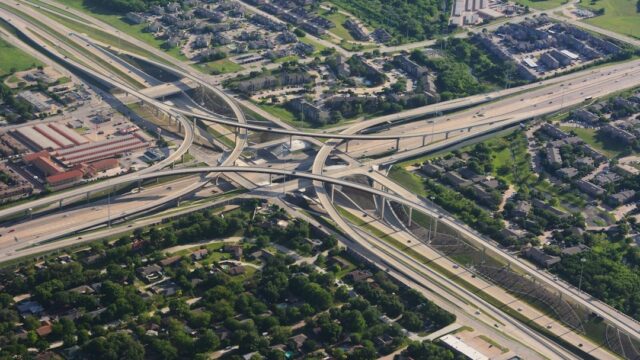
The fastest and most direct route between the two cities involves taking the Matsuyama Expressway eastward, merging onto the Tokushima Expressway briefly, and then heading south on the Kochi Expressway. The total distance is roughly 120 to 140 kilometers, and the drive typically takes about two to two and a half hours without stops. The expressways here are well-maintained, but they are often only two lanes (one in each direction) with occasional passing lanes, so the pace is generally slower than on the massive highways around Tokyo or Osaka.
When you rent your car in Matsuyama, ensure it is equipped with an ETC (Electronic Toll Collection) reader, and be sure to rent the card itself. Paying tolls manually on these rural expressways can be tedious, and the ETC card will save you significant time and potentially offer discounts. If you are planning an extended trip around the island, you might want to look into the Shikoku Expressway Pass (SEP), which offers unlimited expressway use for a flat fee. For a broader overview of how regional passes work, check out our guide on Japan Expressway Pass (JEP) Discontinued: Guide to Regional Highway Passes.
Driving Conditions in the Shikoku Mountains
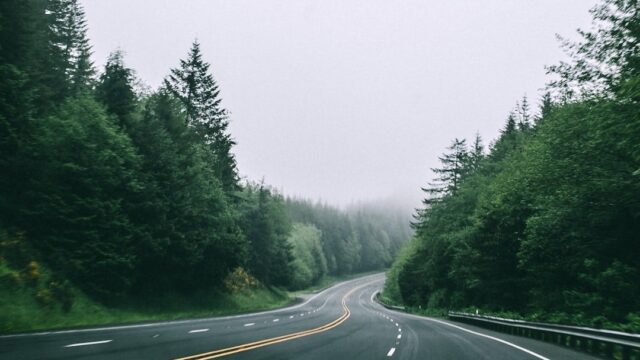
The central part of Shikoku is dominated by steep, rugged mountains. While the expressways are engineered to cut through these mountains with long tunnels and high bridges, the weather conditions can change rapidly. Fog is common in the early mornings, and heavy rain can occur, especially during the typhoon season in late summer and early autumn.
When driving the Kochi Expressway through the mountains, you will encounter numerous tunnels. It is legally required to turn on your headlights when inside a tunnel in Japan, and it is best practice to simply keep them on if the weather is overcast or rainy. The speed limit on these sections is often reduced to 70 or 80 km/h due to the curves and potential for crosswinds on the bridges. Always adhere to the posted limits and take your time; the journey through the mountains is as much a part of the experience as the destination itself. If you are unsure about the rules regarding speed limits and enforcement, you can read Understanding Speed Cameras and Police Traps on Japanese Highways.
Essential Rest Stops and Highway Oases
Shikoku is famous for its “Highway Oases”—large recreational areas attached to standard SA/PA that offer extensive facilities, parks, and sometimes even hot springs. Stopping at these locations transforms a simple bathroom break into a cultural and culinary experience.
Ishizuchiyama SA: A View of Western Japan’s Highest Peak
Located on the Matsuyama Expressway shortly after you leave the city, Ishizuchiyama SA is an excellent first stop. The Service Area is named after Mount Ishizuchi, the highest mountain in western Japan, and on a clear day, you can get fantastic views of the peak from the parking lot. It is a large, modern facility that offers a great introduction to Shikoku’s highway amenities.
The food court here is an excellent place to grab a quick breakfast or lunch. They serve dishes featuring local Ehime ingredients, such as *jakoten* (minced fish shaped into patties and deep-fried) and various citrus-flavored snacks, as Ehime is famous for its mikan (mandarin oranges). If you are looking for a unique souvenir, you can find high-quality Imabari towels (a famous local product) sold in the shops here. The restrooms are exceptionally clean and feature the high-tech toilets that Japan is famous for; if you need a primer on how to use them, refer to our Beginner’s Guide to Navigating Japanese Highway Restrooms.
Yoshinogawa SA (Highway Oasis): Relax by the River
As you transition from the Matsuyama Expressway towards the Kochi Expressway, you will pass near the Yoshino River. The Yoshinogawa SA is a prime example of a Highway Oasis. It is a massive complex that includes not only the standard food court and gas station but also a large park, a local farmers market, and even a natural hot spring (onsen) facility.
If you have the time, taking a quick dip in the onsen here is a fantastic way to break up the drive. Soaking in the hot water while looking out over the river and the surrounding mountains is an incredibly relaxing experience. Even if you don’t use the baths, the farmers market is worth exploring. You can buy fresh, locally grown produce, unique regional snacks, and handmade crafts. It is much more than a rest stop; it is a destination that showcases the agricultural wealth and natural beauty of Shikoku. For more on these types of facilities, see Unique Japanese Highway Rest Stops Designed Like Theme Parks.
Exploring Kochi: The Pacific Coast
Arriving in Kochi feels like stepping into a different version of Japan. The climate is warmer, the atmosphere is more relaxed, and the culture is heavily influenced by the Pacific Ocean. Kochi is a city of history, castles, and incredible seafood.
Kochi Castle and the Sunday Market
Kochi Castle is one of the few original wooden castles remaining in Japan, having survived fires, wars, and earthquakes since its construction in the early 17th century. It sits on a hill in the center of the city, and climbing to the top of the main tower offers panoramic views of Kochi and the surrounding mountains. Having a rental car makes it easy to access the castle, as there are several paid parking lots located nearby.
If you happen to be in Kochi on a Sunday, you absolutely must visit the Sunday Market (Nichi-yo Ichi). This massive street market has been running for over 300 years and stretches for more than a kilometer right up to the castle gates. Hundreds of stalls sell fresh vegetables, local fruits (like the famous yuzu citrus), street food, and handmade knives. It is a vibrant, bustling experience that gives you a true taste of local life in Kochi. Park your car in a nearby lot and spend a few hours wandering through the stalls, sampling the fresh produce and snacks.
Katsurahama Beach and the Sakamoto Ryoma Statue
A short drive south from the city center brings you to Katsurahama, a beautiful crescent-shaped beach on the Pacific coast. The beach is famous for its picturesque setting, surrounded by pine trees and rocky cliffs. It is a popular spot for moon viewing and leisurely strolls, though swimming is prohibited due to the strong currents.
Overlooking the beach is a massive bronze statue of Sakamoto Ryoma, one of Kochi’s most famous historical figures. Ryoma was a visionary samurai who played a crucial role in modernizing Japan and bringing an end to the feudal shogunate in the 19th century. The statue looks out over the Pacific Ocean, symbolizing his broad, forward-thinking vision for Japan. The area around Katsurahama also features a small aquarium and a museum dedicated to Ryoma, making it a great half-day excursion from the city center.
The Culinary Highlights of Kochi
Kochi is renowned throughout Japan for its exceptional food, particularly its seafood. The warm currents of the Pacific Ocean provide an abundance of fresh fish, and the local culinary style is bold and flavorful.
Katsuo no Tataki (Seared Bonito)
You cannot visit Kochi without eating Katsuo no Tataki. This is the soul food of the region. Katsuo (skipjack tuna or bonito) is caught fresh from the Pacific, and the fillets are briefly seared over a blazing fire fueled by rice straw. The intense heat sears the outside of the fish, leaving a smoky flavor, while the inside remains completely raw.
The seared fish is thickly sliced and served with generous amounts of sliced garlic, raw onions, and ginger, usually accompanied by a citrus-based soy sauce (ponzu) or simply coarse salt. The combination of the smoky exterior, the soft, rich interior, and the sharp bite of the garlic is incredible. You can find Katsuo no Tataki everywhere in Kochi, from high-end restaurants to the bustling Hirome Ichiba food hall. You might even find simplified versions or bonito-flavored snacks at the Service Areas on your way into the city, similar to the seafood offerings mentioned in 5 Must-Visit Highway Rest Stops in Japan for Fresh Local Seafood.
Yuzu and Local Citrus
Kochi is Japan’s largest producer of yuzu, a highly aromatic citrus fruit that tastes like a complex blend of lemon, mandarin, and grapefruit. The flavor of yuzu permeates the local cuisine; you will find it in salad dressings, mixed into drinks, and used to flavor desserts.
When driving through the region, be sure to stop at local roadside stations (Michi-no-Eki) or SA/PA to sample yuzu-flavored products. Yuzu juice, yuzu marmalade, and yuzu-flavored soft-serve ice cream are all highly recommended. The refreshing tartness of the fruit is the perfect way to cool down after a long drive or a hike around Kochi Castle. Buying a bottle of pure yuzu juice is also a fantastic and practical souvenir to take home.
- Katsuo no Tataki: Seared bonito served with garlic, onions, and salt or ponzu.
- Yuzu Products: Anything flavored with this aromatic local citrus, from drinks to ice cream.
- Nabeyaki Ramen: A unique style of chicken broth ramen served boiling hot in an earthenware pot, originally from the city of Susaki in Kochi.
Conclusion
The drive from Matsuyama to Kochi across the island of Shikoku is a road trip that offers a perfect blend of modern convenience and deep, untouched rural beauty. The Expressway system, complete with excellent facilities like the Ishizuchiyama SA and the Yoshinogawa Highway Oasis, makes the journey comfortable and safe, while the dramatic mountain scenery keeps the drive exciting. Renting an ETC-equipped car ensures that you can navigate the tolls effortlessly and focus on the experience.
Once you arrive in Kochi, the city rewards you with profound historical sites like Kochi Castle and the vibrant atmosphere of the Sunday Market. The Pacific coastline at Katsurahama provides stunning views, and the local cuisine, especially the iconic Katsuo no Tataki, is simply world-class. Shikoku may be less visited than Tokyo or Kyoto, but for those willing to rent a car and hit the open road, it offers an authentic, rich, and deeply satisfying Japanese travel experience. Take your time, enjoy the local hospitality, and savor every kilometer of this incredible cross-country drive.