Fukuoka to Nagasaki by Car: Best Highway Route & SA/PA Stops for History Buffs
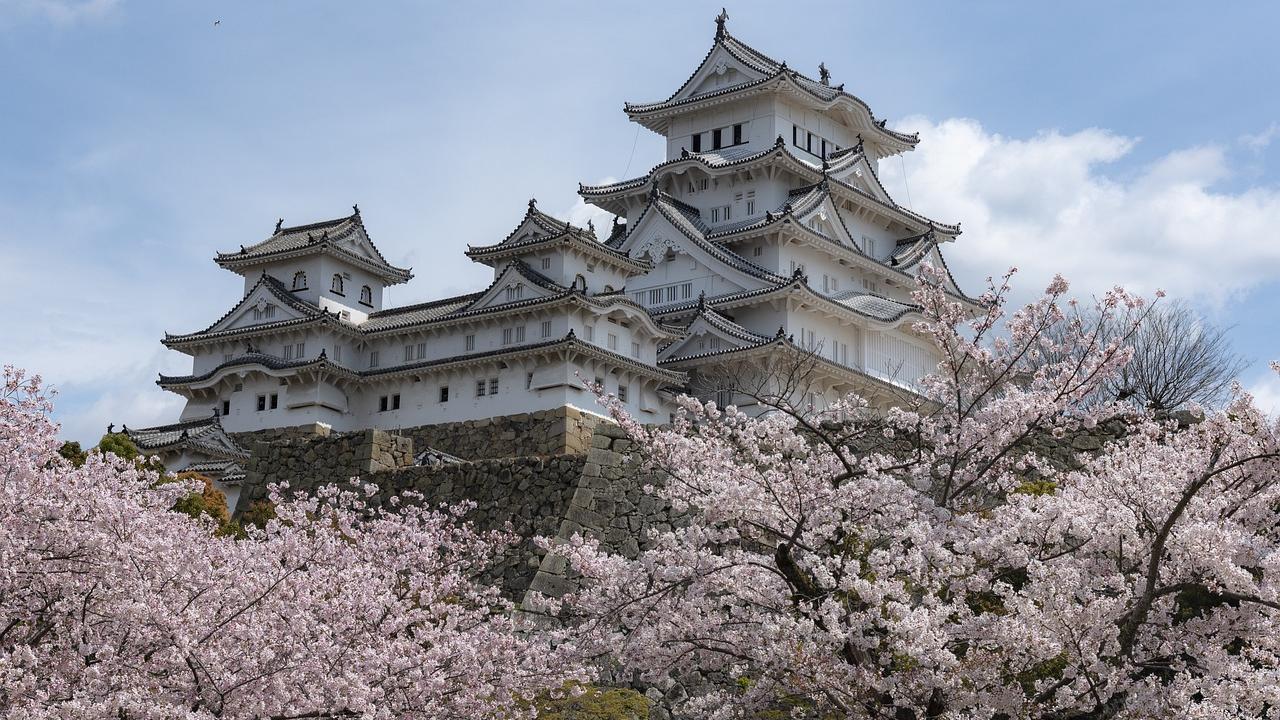
Taking a road trip through Kyushu offers an incredible mix of vibrant modern cities, natural wonders, and deep historical roots. Driving from Fukuoka, the bustling gateway to Kyushu, down to the historic port city of Nagasaki is a particularly rewarding journey. Renting a car gives you the flexibility to explore hidden historical sites, enjoy stunning coastal views, and take full advantage of the region’s excellent Expressway system. This guide will take you through the best route via the Kyushu Expressway and Nagasaki Expressway, highlighting the essential Service Areas (SA) and Parking Areas (PA) where you can rest and sample regional delicacies. Whether you are a history buff eager to explore Nagasaki’s rich past or simply a traveler looking for a scenic drive, this guide provides all the practical information you need to navigate this classic Kyushu road trip.
Planning Your Kyushu Road Trip
Before you hit the road, a little preparation goes a long way in ensuring a smooth and enjoyable drive. The route from Fukuoka to Nagasaki is straightforward, but understanding the Expressway system and how to pay the tolls will save you time and potential stress.
The Route: Kyushu Expressway to Nagasaki Expressway
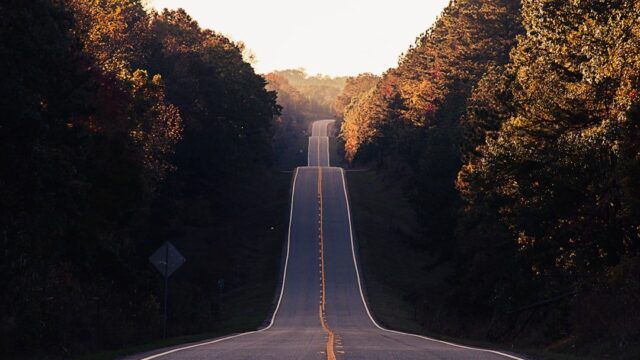
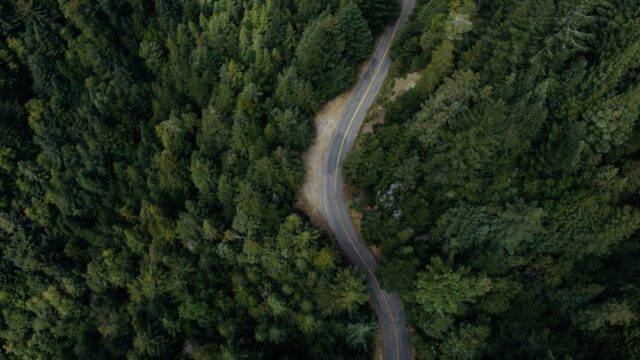
The most direct and fastest route from central Fukuoka (such as the Hakata or Tenjin areas) to Nagasaki city is to take the Kyushu Expressway south to the Tosu Junction (JCT), and then head west on the Nagasaki Expressway. The total driving distance is approximately 150 kilometers, and under normal traffic conditions, the journey takes about two hours. The expressways in Kyushu are generally well-maintained and less congested than those around Tokyo or Osaka, making for a relatively relaxing drive.
When renting a car in Fukuoka, it is highly recommended to request a vehicle equipped with an ETC (Electronic Toll Collection) card reader and to rent an ETC card. Using an ETC card allows you to pass through the toll gates without stopping, which is especially convenient if you are not familiar with handling Japanese cash on the fly. The toll for the one-way trip from Fukuoka to Nagasaki is typically around 4,000 yen for a standard passenger car. If you plan to do extensive driving around Kyushu over several days, you might want to look into regional expressway passes, though the nationwide Japan Expressway Pass (JEP) is no longer available. For more details on alternative passes, you can read Japan Expressway Pass (JEP) Discontinued: Guide to Regional Highway Passes.
Navigating the Tosu Junction
The most critical navigation point on this journey is the Tosu Junction (JCT), located in Saga Prefecture. This massive interchange connects the Kyushu Expressway (running north-south) with the Nagasaki Expressway and Oita Expressway (running east-west). When approaching the Tosu JCT from Fukuoka, you will need to pay close attention to the overhead signs and your GPS to ensure you take the correct exit for Nagasaki.
The signage on Japanese expressways is generally excellent, with major destinations listed in both Japanese and English. As you near the junction, look for signs pointing towards “Nagasaki” or “Saga,” which are marked with the green expressway shields. It is advisable to move into the left lane well in advance of the junction to avoid last-minute lane changes, which can be dangerous in heavy traffic. If you are nervous about navigating these complex interchanges, you can review our guide on Decoding Japanese Highway Signs: What the Colors, Lines, and Electronic Boards Mean to familiarize yourself with the visual cues before you drive.
Top Rest Stops on the Way to Nagasaki
The expressways in Kyushu feature some fantastic Service Areas (SA) and Parking Areas (PA) that are worth a stop, even if you don’t necessarily need a restroom break. These facilities offer a great opportunity to stretch your legs and sample the diverse local food culture of the region.
Kiyama PA: A Massive Hub Near Fukuoka
Shortly after leaving Fukuoka and just before you reach the Tosu Junction, you will pass Kiyama PA. Do not let the “PA” (Parking Area) designation fool you; Kiyama is one of the largest and most well-equipped rest stops in Kyushu, rivaling many Service Areas in size and amenities. It is an excellent place to make your first stop, grab a coffee, or use the very clean and modern restroom facilities.
Kiyama PA is particularly famous for its extensive food options. You can find everything from quick snacks like Hakata ramen and udon to a wide array of local Kyushu souvenirs. If you are traveling with family, there is plenty of space to walk around, and you will find that the facilities are very accommodating. For those traveling with pets, this is also a convenient stop; you can check out our article on Traveling with Pets in Japan: The Best Highway Rest Stops with Dog Runs to see how Japanese rest stops cater to furry companions. Whether you need a quick snack or a full meal, Kiyama PA provides a great introduction to the high standard of Japanese highway facilities.
Kanzaki SA: Gateway to Saga and Nagasaki
Once you have navigated the Tosu JCT and are cruising westward on the Nagasaki Expressway, Kanzaki SA (located in Saga Prefecture) is the next major stop you should consider. This Service Area is smaller and quieter than Kiyama PA, but it offers a charming atmosphere and a selection of unique local products that reflect the agricultural richness of Saga.
At Kanzaki SA, you can sample local specialties such as Saga beef croquettes or dishes featuring fresh local vegetables. It is also a great place to pick up souvenirs that are specific to the Saga region, such as traditional ceramics or local sweets. The food court here is less crowded, providing a more relaxed dining experience. If you are unsure of how to order at these smaller food courts, the ticketing machines usually have photos, and you can always refer to our guide: Navigating Japanese Rest Stop Food Courts: A Culinary Guide. Taking a break here allows you to rest up before tackling the final leg of the drive into Nagasaki.
Exploring the History of Nagasaki
Nagasaki is a city deeply defined by its history, characterized by centuries of foreign trade, the tragic events of World War II, and a unique blend of Japanese, Chinese, and European cultures. Driving into the city allows you to easily access historical sites that are spread out across its hilly terrain.
The Legacy of Dejima and the Dutch Traders
One of the most significant historical sites in Nagasaki is Dejima, a man-made island built in the 17th century. During Japan’s long period of national isolation (Sakoku), Dejima was the sole point of direct trade and exchange between Japan and the outside world, specifically with Dutch merchants. Today, the island is no longer surrounded by water due to land reclamation, but the historical buildings have been meticulously reconstructed to give visitors a sense of what life was like for the foreign traders stationed there.
Having a rental car makes it easy to visit Dejima, as there are several paid parking lots nearby. You can explore the reconstructed residences, warehouses, and the Chief Factor’s Room, which are furnished with period-appropriate artifacts. The exhibits provide a fascinating look at how Western science, medicine, and culture slowly filtered into Japan during a time when the country was largely closed off. It is a testament to Nagasaki’s unique role as Japan’s window to the world for over two centuries.
The Nagasaki Peace Park and Atomic Bomb Museum
No visit to Nagasaki is complete without paying respects at the Nagasaki Peace Park and the nearby Atomic Bomb Museum. On August 9, 1945, Nagasaki became the second city in history to experience a nuclear attack. The Peace Park, located near the hypocenter of the explosion, is a solemn and moving space dedicated to world peace and the victims of the bombing.
The iconic Peace Statue, with its right hand pointing to the threat of nuclear weapons and its left hand extended in a gesture of peace, is a powerful symbol. The adjacent Atomic Bomb Museum provides a sobering and comprehensive account of the bombing, the immediate aftermath, and the long-term effects of radiation. While it is a difficult and emotional experience, it is an essential part of understanding the history of Nagasaki and the modern world. Having a car allows you to visit these sites at your own pace, giving you the time you need to reflect on the exhibits and the history they represent.
Practical Tips for Driving in Nagasaki
While the expressways in Kyushu are generally easy to navigate, driving within the city of Nagasaki presents a few unique challenges that you should be prepared for, especially if you are not used to driving in urban Japanese environments.
Navigating the Hilly Terrain and Narrow Streets
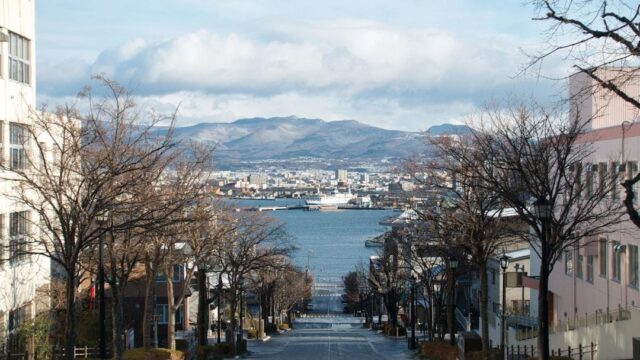
Nagasaki is famous for its dramatic topography; the city is essentially built on the slopes of mountains surrounding a natural harbor. This means that many of the local roads are steep, winding, and surprisingly narrow. If you plan to explore the hillside neighborhoods or visit sites like the Glover Garden, you will need to be comfortable driving on steep inclines.
When renting a car for this trip, a compact car is often the best choice, as it will be much easier to maneuver through Nagasaki’s narrow streets and fit into tight parking spaces. You should also ensure you are familiar with using your vehicle’s parking brake (handbrake or foot pedal) to assist with hill starts if you are driving a manual transmission (though almost all rental cars in Japan are automatic). Take corners slowly, watch out for pedestrians who may step out into narrow lanes, and rely heavily on your GPS to avoid turning down a road that is too narrow for your vehicle. For advice on choosing the right car size for this type of driving, see How to Choose the Right Rental Car Size for Japan.
Understanding the Tram System (Streetcars)
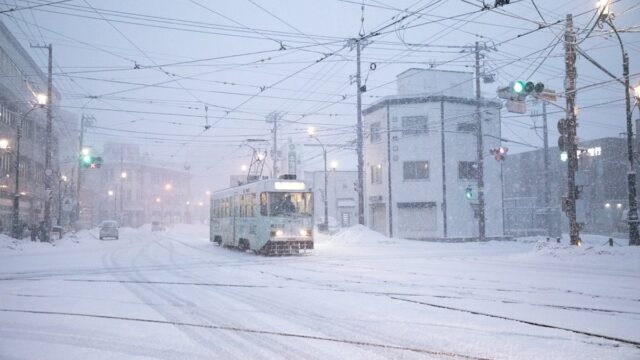
Another unique aspect of driving in downtown Nagasaki is the presence of the streetcar (tram) network. The trams share the road with cars, and navigating intersections where the tracks cross the lanes can be confusing for first-time visitors.
The most important rule is to never block the tram tracks. When turning right at an intersection with tram tracks, you must ensure that you have a clear path to complete the turn before you cross the tracks; do not stop on the tracks while waiting for oncoming traffic to clear. Additionally, be aware that passengers get on and off the trams at designated stops in the middle of the road. You must stop behind the tram and wait for all passengers to safely cross to the sidewalk before proceeding. Pay close attention to the road markings and traffic signals, which are designed to manage the flow of both cars and trams safely.
Regional Food Discoveries on the Road
A major highlight of any road trip in Kyushu is the food. The region is famous for its bold flavors and unique culinary traditions, and you don’t have to wait until you arrive in Nagasaki to start eating well. The SA/PA along the way offer fantastic regional dishes.
Tasting Champon and Sara Udon
Nagasaki’s culinary scene is heavily influenced by its history of Chinese immigration, and the two most famous dishes born from this cultural exchange are Champon and Sara Udon. Champon is a hearty noodle soup loaded with pork, seafood, and a mountain of vegetables, simmered in a rich pork and chicken bone broth. Sara Udon features similar toppings, but instead of soup, the ingredients are thickened with a gravy and served over a bed of crispy, deep-fried noodles.
While the best places to eat these dishes are the historic Chinese restaurants in Nagasaki city, you can often find decent versions at the larger Service Areas on the Nagasaki Expressway, such as Kanzaki SA. Trying a bowl of Champon at a rest stop is a great way to warm up during a drive, especially in the cooler months. It is a prime example of how Japanese highway food courts offer much more than just standard fast food, providing a genuine taste of the region’s culinary specialties.
Castella Cake: A Sweet Souvenir
For those with a sweet tooth, Nagasaki is synonymous with Castella (Kasutera), a simple but delicious sponge cake. The recipe was originally introduced by Portuguese missionaries in the 16th century, and the Japanese have spent centuries refining it. The cake is incredibly moist, slightly sticky on top, and has a rich honey flavor.
Castella cake is the quintessential Nagasaki souvenir, and you will find it sold in beautifully packaged boxes at almost every souvenir shop in the city, as well as at the major SA/PA on the Nagasaki Expressway. It makes for a fantastic snack to enjoy in the car with a cup of coffee, or a perfect gift to bring back to friends or family. When browsing the souvenir shops at rest stops like Kiyama PA, look for the distinctive yellow boxes of Castella; you might even find variations flavored with matcha or chocolate.
- Nagasaki Castella: The classic, honey-flavored sponge cake introduced by the Portuguese.
- Hakata Tonkotsu Ramen (Packaged): If you missed it in Fukuoka, you can buy premium instant versions at Kiyama PA.
- Mentaiko (Spicy Cod Roe) Snacks: A Fukuoka specialty, often sold as flavored crackers or potato chips at the rest stops.
Conclusion
Driving from Fukuoka to Nagasaki is a journey through the heart of Kyushu’s history and culture. The route via the Kyushu and Nagasaki Expressways is straightforward and highly scenic, offering a comfortable drive with excellent facilities along the way. By stopping at well-equipped rest areas like Kiyama PA and Kanzaki SA, you can experience the high standard of Japanese highway hospitality and sample regional delicacies before you even reach your destination.
Once in Nagasaki, having a rental car allows you to easily navigate the city’s hilly terrain and visit essential historical sites like Dejima and the Peace Park at your own pace. While driving alongside the streetcars and navigating the narrow streets requires a bit of extra attention, it is a small price to pay for the freedom and convenience that a car provides. Remember to rent an ETC card for smooth toll payments, choose a compact car for easier maneuvering, and take the time to enjoy the unique blend of Japanese and foreign cultures that makes Nagasaki so special. This road trip is a perfect blend of modern convenience and deep historical exploration, making it a must-do for any traveler visiting Kyushu.