The Ultimate Tokyo to Mt. Fuji Drive: Best Tomei Expressway Route & Rest Stops
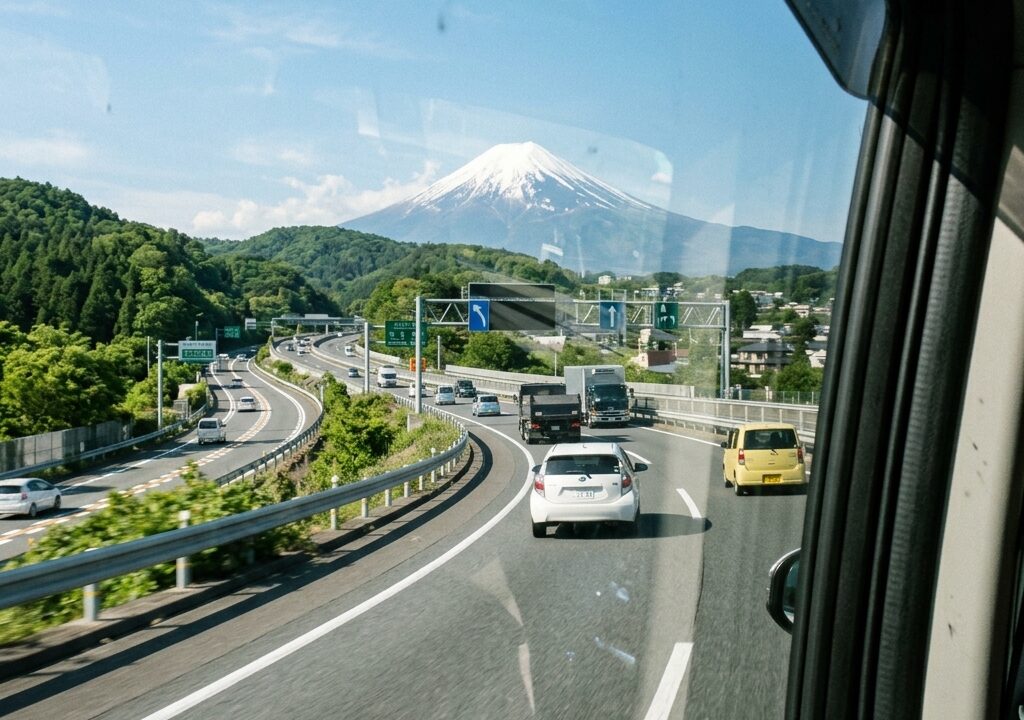
Taking a road trip from Tokyo to Mt. Fuji is one of the most rewarding ways to experience Japan. While trains and buses are convenient, renting a car gives you the ultimate freedom to explore hidden viewpoints, stop at incredible highway service areas, and travel at your own pace. For international visitors, navigating the Japanese highway system can seem intimidating at first, but with a bit of preparation, it is incredibly straightforward and safe.
This guide will walk you through the entire journey using the Tomei Expressway, which is the most popular and scenic route connecting Tokyo to the Mt. Fuji area. We will cover everything from choosing the right rental car and understanding the toll system, to highlighting the absolute best rest stops along the way. Whether you are looking for local street food at Ebina SA or hoping to catch your first glimpse of the mountain from Ashigara SA, this comprehensive itinerary will ensure your drive is just as memorable as the destination itself.
Planning Your Road Trip from Tokyo to Mt. Fuji
Planning your drive from the bustling streets of Tokyo to the serene landscapes surrounding Mt. Fuji requires just a little bit of strategic thinking. Getting out of the city is the hardest part, but once you are on the open road, the journey becomes a breeze.
Why Driving is the Best Way to Experience Mt. Fuji
Renting a car and driving yourself offers a level of flexibility that public transportation simply cannot match. When you take a bus or train to the Fuji Five Lakes area (like Kawaguchiko), you are bound by rigid schedules and limited routes. In contrast, having your own vehicle allows you to chase the best weather, pull over at scenic viewpoints whenever you like, and visit attractions that are off the beaten path.
For instance, the weather around the mountain is notoriously unpredictable. Clouds can roll in and obscure the peak in a matter of minutes. If you are driving, you can quickly adjust your itinerary—perhaps heading up to the Chureito Pagoda when the sky clears, or driving over to Lake Motosu for a different vantage point without waiting for a local bus. Additionally, driving allows you to carry more luggage comfortably, which is ideal if you plan to stay overnight or bring outdoor gear. The roads leading to the mountain are well-maintained, incredibly smooth, and clearly signed in both Japanese and English, making navigation simple even for first-time visitors. Ultimately, a road trip transforms the journey from a simple transit into an integral part of your vacation, filled with spontaneous stops and unique local encounters.
Choosing the Right Rental Car for Your Mountain Journey
Selecting the right vehicle is a crucial step for a comfortable drive from Tokyo. While compact cars (often referred to as “K-cars” or Kei cars in Japan) are very popular and economical for city driving, they might not be the best choice for this specific trip. The drive involves highway speeds on the Tomei Expressway and potentially winding mountain roads as you get closer to the lakes. Therefore, opting for a standard sedan, a hybrid like a Toyota Prius, or a small SUV will provide a much smoother, safer, and more comfortable ride.
These slightly larger vehicles offer better stability at higher speeds and have enough engine power to handle uphill climbs without struggling. When booking your rental car, you must ensure that you add an ETC (Electronic Toll Collection) card to your reservation. This card slots directly into a machine in the car and allows you to pass through highway toll gates without stopping to pay with cash. It not only saves a significant amount of time but also qualifies you for certain toll discounts. Furthermore, always double-check that your rental car comes equipped with a GPS navigation system that can be set to English. Even if you plan to use Google Maps on your phone, having a built-in English GPS serves as a reliable backup, especially in areas where cellular service might drop temporarily. Remember that you will need a valid International Driving Permit (IDP) along with your passport and home country driver’s license to pick up the car.
Navigating the Tomei Expressway: What You Need to Know
The Tomei Expressway is the main artery connecting Tokyo with Nagoya and points further west, and it is the primary route you will take towards Mt. Fuji. Understanding how this highway operates will make your drive stress-free.
Understanding Expressway Tolls and How to Use ETC
Japanese expressways are toll roads, and the fees can be relatively high compared to other countries, but the road quality and safety make it worthwhile. When you enter the Tomei Expressway from Tokyo, you will encounter a toll gate. If you have an ETC card provided by your rental agency, this process is incredibly smooth.
- Ensure your ETC card is securely inserted into the reader before starting the engine. You will usually hear a voice confirm it is ready.
- Approach the toll gates marked with the purple “ETC” sign.
- Slow down your vehicle to 20 km/h (about 12 mph) as you approach the barrier.
- The barrier will open automatically, and the digital display will show the toll amount recorded.
If you do not have an ETC card, you must use the gates marked in green for “General” (一般). Here, you will stop to pull a paper ticket from a machine when entering the highway. When you exit, you hand this ticket to the attendant or insert it into an automated machine, and pay the fee using cash or a credit card. However, stopping to pay manually can be a hassle, especially in heavy traffic, which is why securing an ETC card is highly recommended. It allows you to cruise through the gates, and you simply settle the total accumulated toll charges with the rental agency when you return the vehicle at the end of your trip.
Speed Limits and Safe Driving Tips on the Tomei Expressway
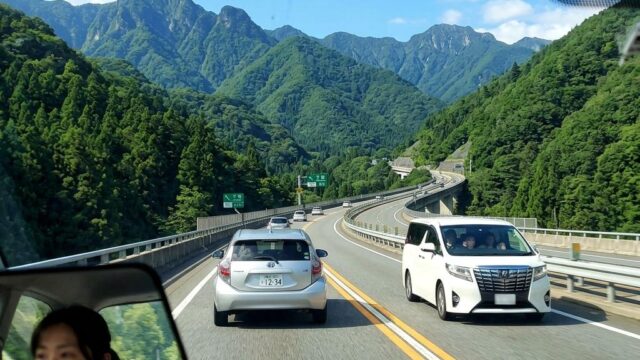
Driving on the Tomei Expressway is generally a pleasant experience due to the high standards of road maintenance and the polite nature of Japanese drivers. However, you must be aware of the local rules. The standard speed limit on the Tomei Expressway is typically 100 km/h (about 62 mph), though it can drop to 80 km/h in certain sections, especially where there are curves or construction zones.
Unlike highways in some other countries, speed limits in Japan are strictly enforced, both by police patrol cars and automated speed cameras known as “Orbis.” These cameras are usually preceded by blue warning signs, so paying attention to the signage is crucial. You should stick to the left lane for normal driving and only use the right lane for overtaking. Tailgating is strongly discouraged and actively penalized. If you find yourself holding up traffic in the passing lane, simply indicate and move safely to the left. Additionally, the Tomei Expressway can get quite congested on weekends and public holidays, particularly around the Yamato Tunnel section near Tokyo. To avoid sitting in traffic, plan to leave the city early in the morning, ideally before 7:00 AM, or travel on a weekday. The digital overhead signs will display traffic information, including the length of any traffic jams ahead and estimated travel times to major interchanges.
Ebina SA: The Ultimate Rest Stop Experience
About 45 minutes to an hour outside of Tokyo, you will encounter Ebina SA (Service Area). This is not just a place to use the restroom; it is a massive culinary and shopping destination that consistently ranks as one of the most popular rest stops in all of Japan.
Famous Local Food You Must Try at Ebina SA
Ebina SA is legendary among Japanese drivers, primarily known for its incredible food offerings. It operates almost like a bustling food festival, making it the perfect spot for your first break. The absolute must-try item here is the melon pan (a sweet bread with a crisp, cookie-like crust that resembles a rock melon). The bakery at the outbound (Nagoya-bound) Ebina SA sells thousands of these buns every single day, and you will likely see a long line of people waiting to buy them straight out of the oven.
Beyond the famous melon pan, the food court offers an overwhelming variety of choices. You can find everything from rich, steaming bowls of ramen and freshly fried tempura to specialized stalls selling skewered meats and high-quality sushi. For a quick snack, look out for the various yakitori (grilled chicken skewers) or takoyaki (octopus balls) stands outside the main building. The quality of food here far exceeds typical highway rest stop fare; many of the vendors are outposts of famous restaurants from Tokyo or Yokohama. If you want to grab something for the road, the bento (lunch box) section is exceptional, featuring fresh, seasonal ingredients beautifully arranged in convenient packages. Taking the time to explore the food options at Ebina SA turns a simple rest break into a highlight of your culinary journey in Japan.
Facilities and Amenities for International Travelers
Beyond the incredible food, Ebina SA is equipped with top-tier facilities designed to make your journey as comfortable as possible. The restrooms are famously pristine, featuring high-tech toilets with heated seats and bidet functions, alongside large powder rooms and family-friendly stalls.
For international travelers, navigating Ebina SA is surprisingly easy, as most of the major directional signs, food court menus, and automated ticket machines have English options. If you need to withdraw cash—which is still essential for many smaller shops and rural areas around Mt. Fuji—you will find ATMs inside that accept international credit and debit cards. The service area also provides free, fast Wi-Fi, allowing you to quickly check your route or send a message without using your roaming data. There is a large souvenir shop (Kiosk) where you can buy beautifully packaged local sweets and snacks, which make great gifts or treats for the car ride. If you are traveling with children, there are designated nursing rooms and small play areas to help them burn off some energy. Ebina SA sets a incredibly high standard for highway rest stops and showcases the Japanese commitment to hospitality and convenience.
Ashigara SA: Scenic Views and Hot Springs
As you continue driving west on the Tomei Expressway and approach the Mt. Fuji area, you will reach Ashigara SA. This service area offers a completely different vibe compared to Ebina, focusing on relaxation and spectacular natural scenery.
Enjoying the Mt. Fuji View from the Observation Deck
Ashigara SA is strategically located at the base of the mountains, making it one of the absolute best spots on the Tomei Expressway to view Mt. Fuji. If the weather is clear, you do not want to miss the opportunity to stretch your legs and take in the scenery from the dedicated observation decks.
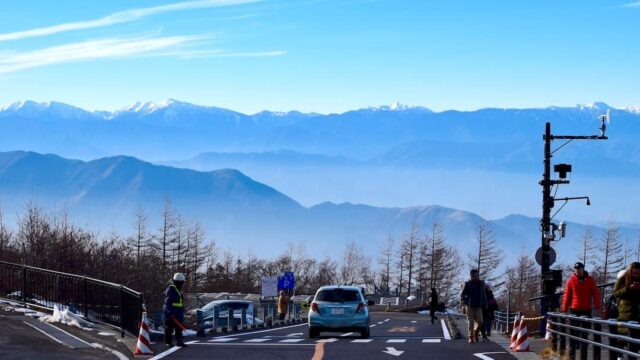
The view from Ashigara SA (Outbound) is particularly striking because there are very few obstacles blocking the massive silhouette of the mountain. It serves as a fantastic preview of what awaits you at your final destination. Many travelers bring their coffee or snacks from the food court out to the viewing terraces to enjoy a quiet moment in the fresh air. The morning hours generally offer the best chance for a clear view, as clouds tend to gather around the peak as the day progresses. Even if the mountain is partially obscured, the surrounding forested hills of the Hakone and Tanzawa ranges are beautiful in their own right. There are several designated photo spots equipped with stands where you can set your smartphone or camera to take a perfect group picture with Mt. Fuji in the background. Taking a break here provides a mental reset, shifting your focus from highway driving to the natural beauty of the region.
Relaxing in the Rest Stop Hot Spring (Onsen)
One of the most unique and surprising features of Ashigara SA is that it actually houses a fully functioning public bath and hot spring facility, known as “Rest Inn Toki no Sumika.” Yes, you can take a real Japanese onsen bath without ever leaving the highway rest stop!
After navigating the busy traffic out of Tokyo, stepping into a hot spring is an incredibly refreshing way to break up the drive. The facility offers large communal baths (separated by gender), saunas, and even massage chairs. It operates for a reasonable entry fee and provides rental towels, so you do not need to unpack your luggage to enjoy a soak. Bathing etiquette here is the same as anywhere in Japan: you must wash and rinse your body completely at the shower stations before stepping into the communal tubs, and bathing suits are strictly prohibited. Spending 45 minutes relaxing in the hot water can completely eliminate driving fatigue. If you do not have time for a full bath, Ashigara SA often features a free foot bath (Ashiyu) area where you can simply roll up your pants, sit on a bench, and soak your tired feet in warm thermal water while enjoying the crisp mountain air. This unique amenity perfectly blends the convenience of a highway rest stop with traditional Japanese relaxation culture.
Smart Interchanges and Accessing Fuji Five Lakes
To reach the best viewpoints and towns around Mt. Fuji, such as Kawaguchiko, you will eventually need to transition from the main Tomei Expressway to local roads or connecting highways. Knowing how to exit efficiently is key to saving time.
How to Use Smart ICs with Your Rental Car
As you get closer to the Fuji area, you might notice signs for a “Smart IC” (Smart Interchange). These are special, automated highway exits and entrances designed exclusively for vehicles equipped with an ETC card. They are often smaller than regular toll gates and are strategically placed to provide direct access to specific towns, tourist spots, or even directly into a Service Area like Ashigara SA.
Using a Smart IC can sometimes save you a significant amount of driving time because it drops you off closer to your destination than a traditional major interchange. However, there is a very strict rule for using them: you must come to a complete stop right in front of the gate barrier. Unlike the main ETC gates on the highway where you can roll through at 20 km/h, the sensor at a Smart IC requires the vehicle to be entirely stationary for a moment before it reads the card and opens the bar. If you approach too fast, the gate will not open, and you could cause a minor incident. Once the bar lifts, you can proceed onto the local roads. If you do not have an ETC card, do not attempt to use a Smart IC, as there are no attendants and no machines to take cash or tickets, and backing up on a highway off-ramp is incredibly dangerous and illegal.
Best Routes to Kawaguchiko and Surrounding Lakes
To reach the famous Fuji Five Lakes region, with Lake Kawaguchiko being the most popular hub, you have a couple of primary route options after traveling on the Tomei Expressway. The most common and straightforward path is to exit the Tomei Expressway at the Gotemba Interchange (IC).
From the Gotemba IC, you will transition onto Route 138, a scenic and winding mountain road that takes you over the pass toward Yamanakako and Kawaguchiko. This drive is spectacular, especially in autumn when the leaves change color, or in spring with fresh greenery. It takes roughly 45 minutes to an hour from Gotemba to Kawaguchiko depending on traffic. Route 138 is dotted with roadside stations and small cafes where you can stop for a break. Another option, if you prefer to stay on expressways as long as possible, is to connect from the Tomei Expressway to the Ken-O Expressway and then onto the Chuo Expressway, taking the Kawaguchiko IC exit. This route loops slightly north and avoids the winding local roads of Gotemba, which might be preferable if the weather is bad or if you are driving at night. Both routes offer distinct experiences, but taking the Gotemba exit provides a more traditional, scenic approach to the base of the mountain, passing through dense forests and offering sudden, dramatic views of Mt. Fuji as you crest the hills.
Essential Tips for a Smooth Drive
Driving in Japan is generally very safe, but being aware of traffic patterns and emergency procedures will give you peace of mind and help you avoid unnecessary stress during your trip.
Avoiding Traffic Jams During Peak Seasons
The Tomei Expressway is the primary artery out of Tokyo, which means it can suffer from severe traffic congestion, particularly during major Japanese holidays. If you are planning your trip during Golden Week (early May), Obon (mid-August), or the New Year period, you must be prepared for significant delays that can turn a two-hour drive into a four- or five-hour crawl.
The worst traffic usually occurs on Saturday mornings heading outbound from Tokyo, and Sunday afternoons heading inbound back to the city. The bottleneck often centers around the Yamato Tunnel and near the Ebina SA. To avoid this, the best strategy is simply to adjust your timing. Leaving Tokyo before 6:30 AM or after 8:00 PM can help you bypass the worst of the rush. Using real-time navigation apps like Google Maps or Yahoo Car Navi is essential, as they will dynamically reroute you if a major accident occurs. Sometimes, taking a slightly longer route via the Chuo Expressway or utilizing the newer Shin-Tomei Expressway (which runs parallel to the Tomei and is generally less crowded and straighter) can save you hours of sitting in traffic. Flexibility is your best tool; if you see a massive red line on your GPS, take an early exit, find a local cafe, and wait for the congestion to clear rather than burning fuel and patience on the highway.
What to Do in Case of an Emergency on the Expressway
While it is rare, breakdowns or minor incidents can happen. Knowing exactly how to handle an emergency on a Japanese expressway is vital for your safety. If your rental car develops a flat tire, overheats, or you are involved in a minor collision, your absolute first priority is to move the vehicle safely out of the flow of traffic.
If possible, drive to the nearest Service Area (SA), Parking Area (PA), or pull completely into the emergency lane on the far left. Turn on your hazard lights immediately. Once stopped, you must place the reflective warning triangle (which should be in the trunk of your rental car) at least 50 meters behind your vehicle to warn approaching traffic. Do not stand on the road or behind your car; instead, all passengers should exit the vehicle carefully and stand behind the guardrail for safety. You can then use the emergency telephones located at 1-kilometer intervals along the highway to call for help, or dial 110 (Police) or #9910 (Highway Emergency) from your mobile phone. After securing your safety and contacting the authorities, call the English-speaking emergency hotline provided by your rental car agency. They will coordinate a tow truck or repair service, often through the Japan Automobile Federation (JAF). Staying calm and following these strict safety protocols ensures that a minor mechanical issue does not turn into a dangerous situation.
Conclusion
Driving from Tokyo to Mt. Fuji via the Tomei Expressway is much more than just a transit route; it is an incredible journey that showcases the efficiency, cleanliness, and unique culture of Japan’s highway system. By renting a car, you unlock the freedom to explore at your own pace, chasing the best weather and discovering hidden local gems that train travelers simply cannot access.
From the moment you easily pass through the toll gates using your ETC card, you will realize that driving in Japan is a smooth and stress-free experience. The absolute highlight of this drive is undoubtedly the world-class Service Areas. Taking a break at Ebina SA to indulge in famous local street food like the melon pan, or stopping at Ashigara SA to soak in a natural hot spring while gazing at the peak of Mt. Fuji, elevates your road trip into a memorable cultural experience.
Remember to plan your departure time wisely to avoid the notorious weekend traffic, and ensure you have an English GPS and an ETC card ready before you leave the rental agency. By understanding the basics of Smart ICs and highway etiquette, you will navigate the roads like a local. Whether you are heading to Kawaguchiko for a weekend getaway or embarking on a longer cross-country adventure, mastering the Tomei Expressway route is the perfect start to an unforgettable Japanese road trip. Safe travels, and enjoy the breathtaking views of the mountain!